Conditions in May
You’re considering Djibouti for an unforgettable dive adventure in May? Excellent choice, even if it’s a bit off-season for the famous whale shark aggregations. May marks the transition period as the cooler, drier season gives way to the hotter, more humid summer months. You can expect air temperatures to average around 30-35°C (86-95°F), sometimes climbing higher, so be prepared for some serious heat topside. The sea state generally remains quite calm in May, particularly within the protected Gulf of Tadjoura, making for comfortable boat rides and easy entries and exits. However, there can be occasional stronger winds which might stir things up a bit on more exposed sites.
Water temperatures in May in Djibouti are beautifully warm, typically ranging from 28-30°C (82-86°F). This means you'll likely be comfortable in a 3mm shorty or even just a rash guard, depending on your personal preference and how long you plan to stay in the water. Visibility is usually very good, ranging from 15-25 meters, and sometimes even pushing 30 meters on a good day. It rarely drops below 15 meters unless there's been some unusual upwelling or heavy rainfall, which is less common in May. Currents are generally mild to moderate, though certain channels and passages, like those around the Seven Brothers Islands, can experience stronger flows, especially around tidal changes. Your dive guide will always assess conditions meticulously before diving these spots.
What you will see
While Djibouti is renowned for its incredible whale shark encounters, May falls outside the peak season for these gentle giants. The cooler water upwellings that bring the plankton blooms, attracting the whale sharks, mostly occur between November and February. However, don't let that deter you because Djibouti's reefs are teeming with life year-round, and May still offers fantastic opportunities for pelagic sightings. You should keep your eyes peeled for various shark species, including blacktip reef sharks and grey reef sharks patrolling the reefs, particularly around the outer islands. Barracuda schools are a common sight, often forming impressive tornadoes, and you’ll frequently encounter large trevally and snappers.
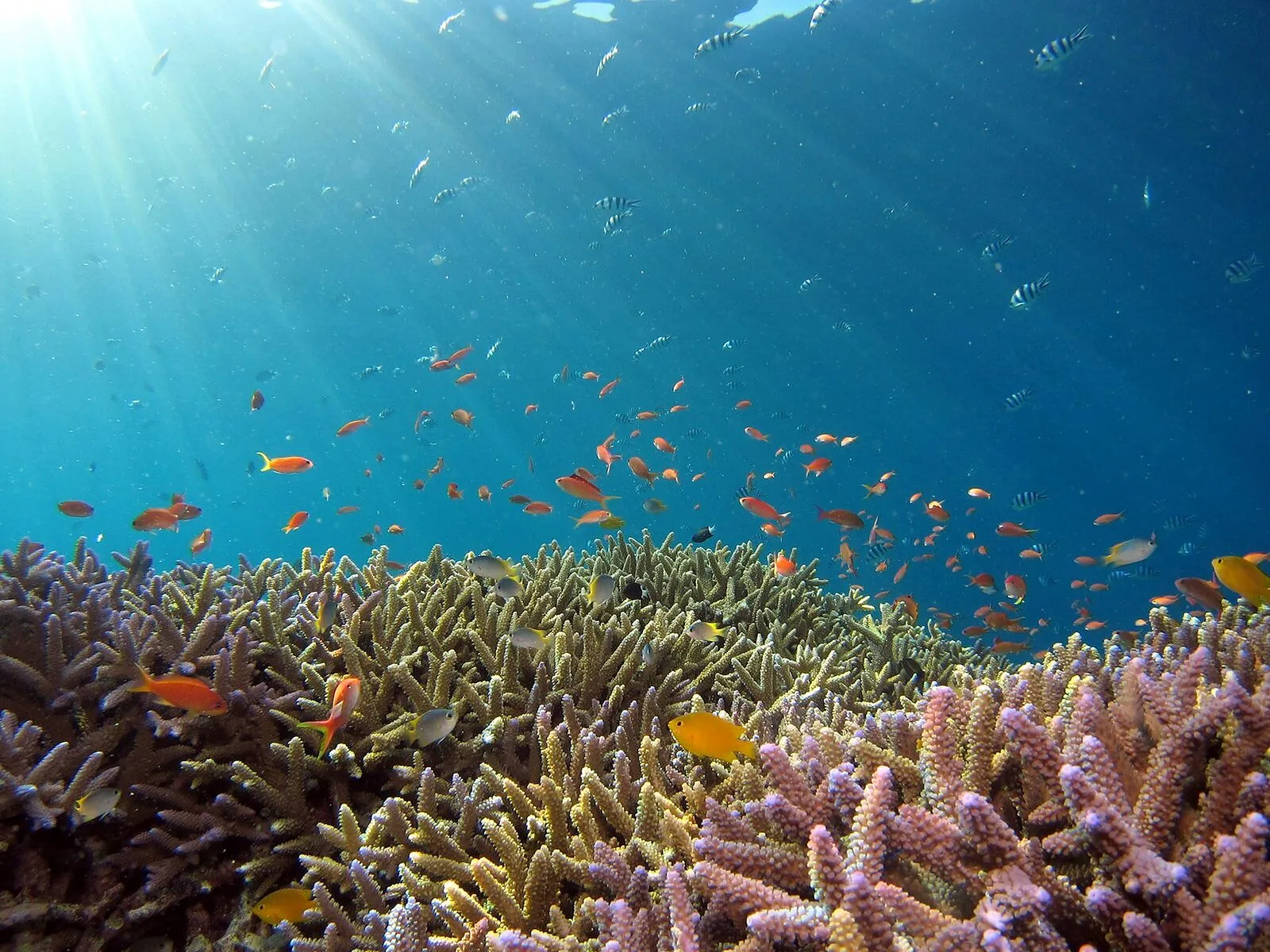
May is an excellent time for observing healthy coral ecosystems. Djibouti boasts pristine reefs with vibrant hard and soft corals, offering shelter to an incredible array of reef fish. Expect to see colorful parrotfish, angelfish, butterflyfish, and clownfish in their anemone homes. Macro lovers won't be disappointed either, with various nudibranchs, gobies, and blennies hidden among the corals. While manta ray encounters are not as consistent as in other parts of the world, they are possible, especially if there are localized plankton blooms. Turtles (hawksbill and green) are also frequently spotted, gracefully gliding over the reefs. It’s always worth looking into the blue for chances of encountering something unexpected, as the Red Sea / Indian Ocean boundary waters are notoriously rich.
Top dive sites this month
For diving in May, you absolutely have to explore the Seven Brothers Islands (Sawabi Aouali). This archipelago offers some of Djibouti's most spectacular diving and their exposed location often means better chances for pelagic encounters. Dive sites like "The Canyon" or "The Plateau" at these islands are renowned for their vibrant corals, schooling fish, and the possibility of seeing reef sharks and large jacks. The currents here can be a bit stronger, making them ideal for drift dives where you just glide along, observing the action.
Moving into the Gulf of Tadjoura, the reefs around Ras Eiro are fantastic for their biodiversity and typically calmer conditions. "The L’Île des Flamants" area, while not a specific dive site itself, encompasses reefs that are incredibly healthy and rich in marine life, perfect for multiple dives. While the whale sharks might be absent, these sites are consistently good for observing reef fish, moray eels, and octopuses. Another must-visit is the wreck of "Le Faon," a beautifully coral-encrusted wreck usually found in relatively shallow water, making it accessible for most divers and a fantastic photographic subject.
Practical tips for your trip
Given the warm water temperatures of 28-30°C (82-86°F) in May, a 3mm shorty or even a rash guard and board shorts will be ample for most divers. If you tend to get cold easily or plan on doing multiple dives a day, a full 3mm wetsuit would provide extra comfort and protection from the sun. This month is well-suited for all levels of divers, from beginners to advanced. The protected areas of the Gulf of Tadjoura offer gentle conditions perfect for those gaining experience, while the Seven Brothers Islands provide exciting drift dives and potential for stronger currents, appealing to more experienced divers.
Liveaboard availability in May tends to be good, as it's not the peak whale shark season. This can often translate into more space on board and potentially better pricing, making it a great time to snatch a deal. When packing, think light clothing, good sun protection (hat, sunglasses, reef-safe sunscreen), rehydration salts, and a reusable water bottle. Remember to also pack motion sickness medication if you're prone to it, especially for the crossing to the Seven Brothers. While Djibouti is generally safe, always be aware of your surroundings and respect local customs. Internet connectivity can be spotty, so embrace the digital detox and focus on the incredible underwater world!