Conditions in February
February in Djibouti marks the tail end of its prime diving season, offering some truly exceptional conditions before the mercury starts to climb. You can generally expect glorious, sunny weather topside, with comfortable temperatures hovering around 25-30°C (77-86°F). The sea is typically calm, especially in the protected bays and around the archipelago, making for smooth sailing on your chosen liveaboard. Water temperatures are incredibly pleasant, usually ranging from a balmy 26-28°C (79-82°F), so you likely won't need anything more than a 3mm wetsuit, or even just a rash guard if you're quite warm-blooded. Visibility is a highlight during this period, often stretching beyond 20 meters and frequently reaching an impressive 30 meters or more, providing crystal-clear views of the vibrant underwater world.
While the Red Sea currents can be a factor, particularly around some of the more exposed sites, they are generally manageable and often bring with them the nutrient-rich waters that attract the big stuff. Your experienced liveaboard crew will always choose sites based on the prevailing conditions, ensuring your safety and maximizing your chances of incredible encounters. In short, February delivers a fantastic combination of stable weather, warm waters, and excellent visibility, setting the stage for an unforgettable dive adventure in this unique corner of the world.
What you will see
February is arguably one of the most exciting months to dive in Djibouti, primarily due to the exceptional opportunities for encountering whale sharks. This period, from November to February, is their peak season in the Bay of Ghoubbet, where these gentle giants congregate to feed. Picture yourself gracefully swimming alongside the largest fish in the ocean – a truly humbling and awe-inspiring experience. Beyond the whale sharks, the waters teem with other pelagic life. You might spot various species of reef sharks, including grey reef sharks, and the occasional silvertip. Depending on your luck and the specific dive site, manta rays can also be present, gliding majestically through the nutrient-rich waters.
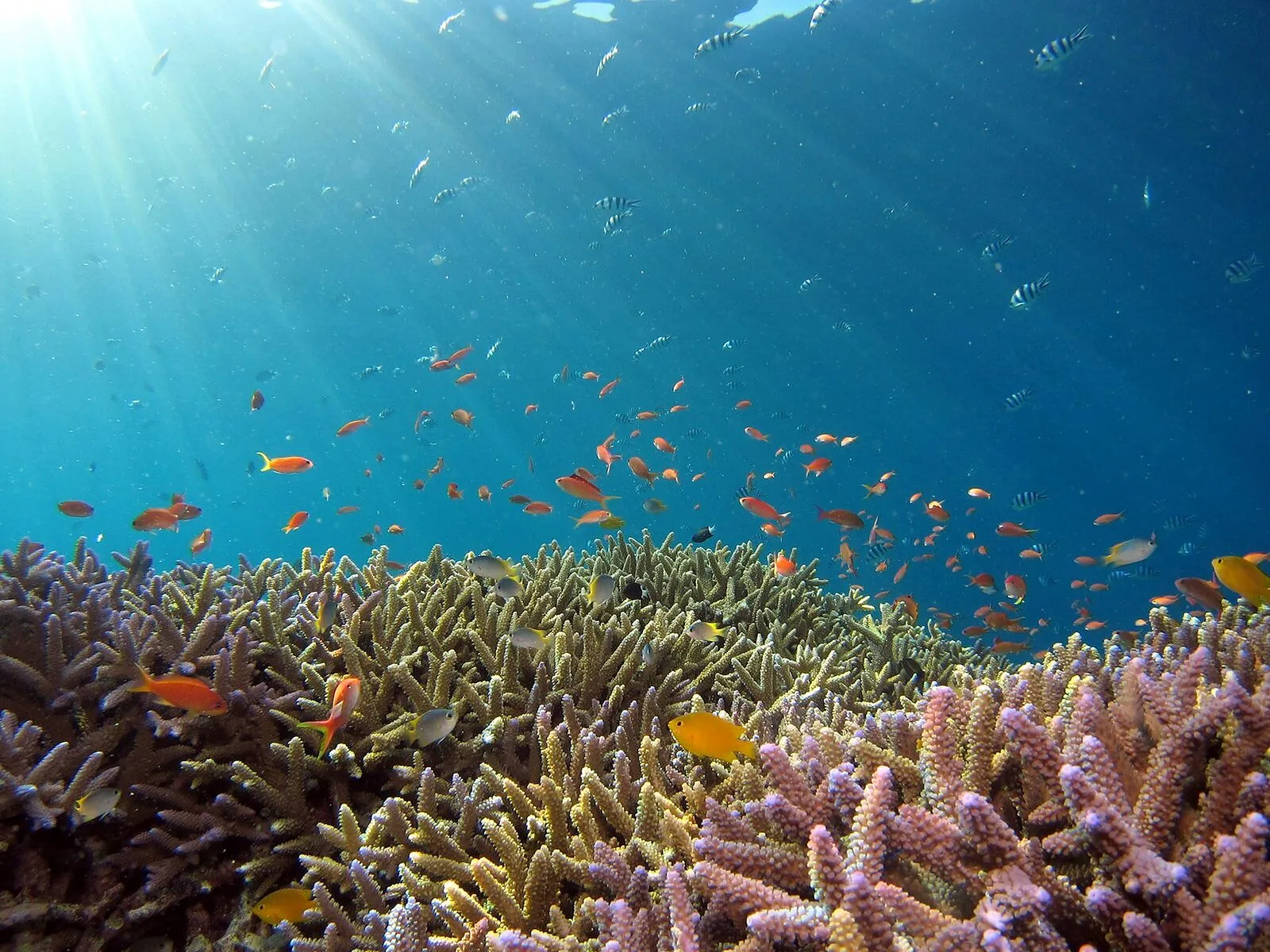
But it's not all about the big fish. Djibouti's reefs, particularly around the Seven Brothers Islands, are vibrant and healthy, home to an impressive array of colorful hard and soft corals. These flourishing ecosystems support a diverse community of reef fish: schools of fusiliers, snappers, trevally, and barracuda are common sights. Keep an eye out for curious angelfish, playful clownfish in their anemone homes, and the elusive moray eels peeking from their crevices. For macro enthusiasts, there's still plenty to discover, from intricate nudibranchs to camouflaged scorpionfish. The mix of healthy reefs and consistent pelagic action makes February a truly dynamic and rewarding time for marine life encounters in Djibouti.
Top dive sites this month
For prime whale shark encounters in February, your liveaboard will undoubtedly make several visits to the Bay of Ghoubbet. This sunken caldera is a renowned feeding ground where juvenile whale sharks gather, offering unparalleled opportunities for snorkeling and diving with these magnificent creatures. The nutrient upwellings here create a rich environment that attracts a variety of marine life, though the whale sharks are, understandably, the star attraction.
Another must-visit destination during this month is the Seven Brothers Islands (Sept Frères). This remote archipelago, located in the Bab-el-Mandeb Strait, offers some of Djibouti's most pristine and dynamic diving. Sites like Jazirat Ghoubbet and White Rock are particularly renowned for their vibrant coral gardens, dramatic walls, and strong currents that bring in larger pelagics. You'll also find several intriguing wrecks in the area, adding another layer to your diving adventure. The currents here can be robust, making for thrilling drift dives, and the abundant fish life and healthy reefs are truly a sight to behold.
Practical tips for your trip
Given the wonderfully warm water temperatures, a 3mm full wetsuit will be more than adequate for most divers in February. If you tend to get cold easily or plan on multiple dives a day, a 5mm might offer a bit more comfort, but it's rarely essential. This month is fantastic for divers of all experience levels, though some sites around the Seven Brothers can have stronger currents, making them more suitable for advanced divers comfortable with drift diving. However, your liveaboard crew will always cater to varying skill levels, providing options and guidance.
Liveaboard availability can be competitive, as February falls within the peak whale shark season. It's highly recommended to book your trip well in advance, ideally 6-12 months out, to secure your preferred dates and vessel. Beyond your standard dive gear, consider packing reef-safe sunscreen, a wide-brimmed hat, and sunglasses for topside comfort. A good quality underwater camera is a must for capturing those incredible whale shark encounters! Be aware that Djibouti is a relatively remote destination; while medical facilities are available in Djibouti City, it's prudent to have comprehensive dive insurance that covers emergency evacuation. You'll also need a visa for Djibouti, so check the requirements for your nationality well in advance of your travel dates. Prepare yourself for an incredible adventure; Djibouti in February is truly a diver's paradise.
Year-round overview for Djibouti
Frequently asked questions
Is February a good month to dive in Djibouti?
What can you see diving in Djibouti in February?
Should I book a Djibouti liveaboard for February or wait?
Find a liveaboard for February
Compare available Djibouti liveaboards departing in February.
Search and Book