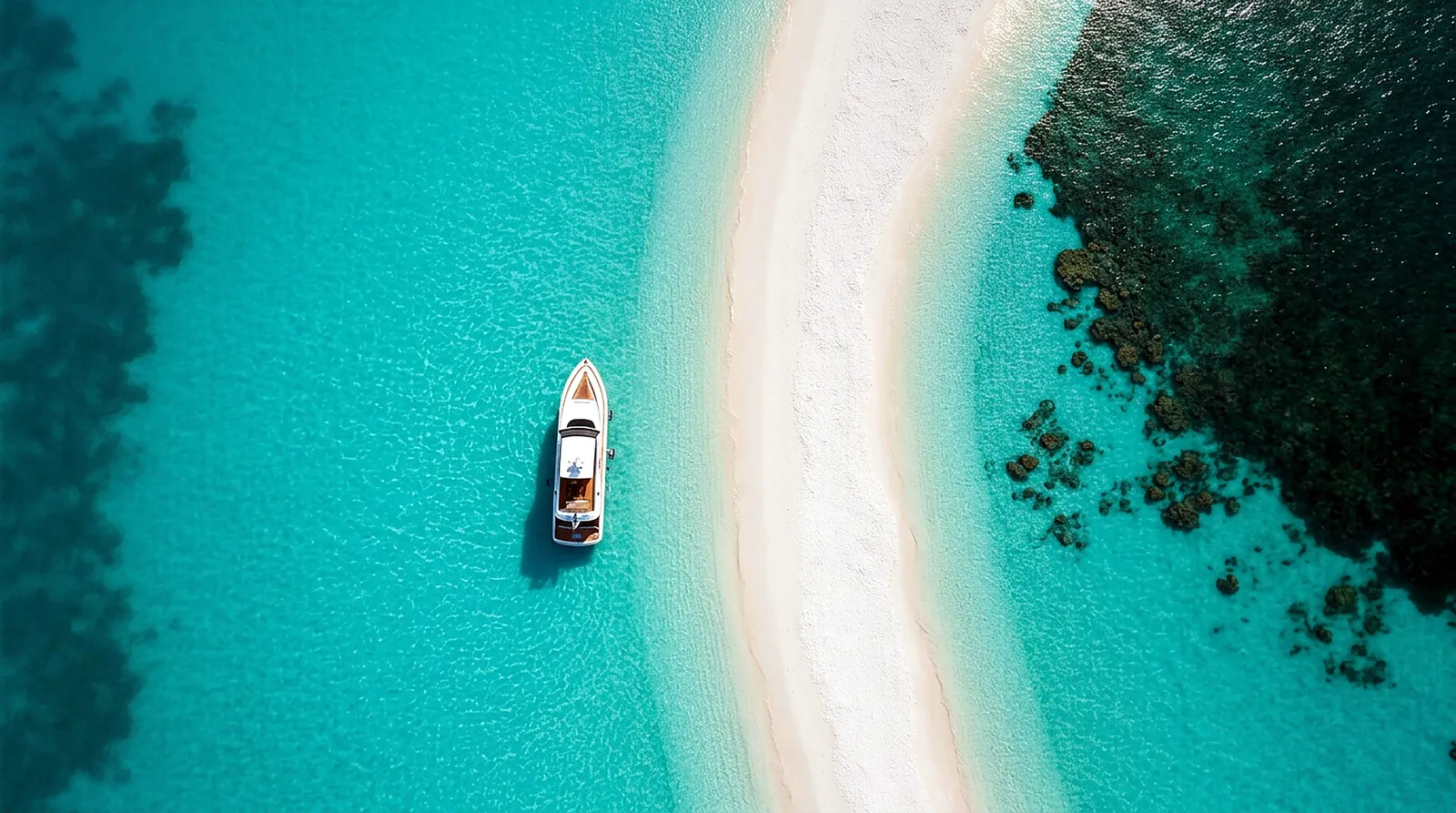
Conditions in February
February in the Bahamas is, simply put, idyllic for diving. You're escaping the worst of winter in many parts of the world, and the islands offer a refreshing blend of sunshine and comfortable temperatures. Expect air temperatures to hover around a pleasant 22-26°C (72-79°F), with plenty of clear blue skies. It's truly a sweet spot for those looking to avoid the intense humidity and heat of the summer months.
The sea state during February is generally calm, especially around the leeward sides of the islands and within the protected banks. While you might encounter some moderate chop on exposed passages, particularly if there’s a cold front passing through from the north, these are typically short-lived. This makes for smooth sailing on a liveaboard and very comfortable surface intervals.
Water temperatures are a refreshing 23-25°C (73-77°F) – warm enough for comfortable diving without overheating, but cool enough to be invigorating. Visibility is outstanding, often exceeding 30 meters (100 feet) and sometimes pushing past 40 meters (130 feet) in the deeper areas and during calmer periods. Currents are generally mild to moderate, depending on the specific dive site and tidal movements, which is perfect for drift dives over vibrant reefs without being too demanding.
What you will see
February in the Bahamas is a shark lover's paradise, hands down. This is prime time for encountering a diverse range of sharks. You’ll frequently come across Caribbean Reef Sharks, often in impressive numbers, cruising along the reef edges or participating in controlled shark feeds. These encounters are awe-inspiring and offer incredible photographic opportunities, allowing you to witness their power and grace up close.
Beyond the Caribbean Reef Sharks, keep your eyes peeled for the majestic Oceanic Whitetips. While a little more elusive than their reef-dwelling cousins, February is a favorable month due to cooler waters and specific feeding patterns that may bring them closer to the drop-offs. If you’re truly lucky, you might even spot a Great Hammerhead around the shallower sand flats of Bimini, an experience that dreams are made of. Your liveaboard crew will know the best spots and times for these thrilling encounters.
And it's not just about the big pelagics. The coral reefs are thriving, bustling with a kaleidoscope of reef fish. Expect to see schools of snappers and grunts, barracuda, amberjacks, and various parrotfish and angelfish. Macro life is also abundant if you take the time to look, with colorful nudibranchs, tiny crabs, and industrious gobies hidden among the corals. The vibrant sponges and gorgonians create a stunning backdrop for all this marine activity.
Top dive sites this month
For unparalleled shark encounters, your itinerary should absolutely include the waters around Tiger Beach. While specific shark encounters are never guaranteed, February is a fantastic time here thanks to the cooler water and often prolific activity of Lemon Sharks and, of course, the magnificent Tiger Sharks themselves. You'll also likely encounter Reef Sharks and Nurse Sharks in this area. It’s a sandy bottom wonderland perfect for observing these apex predators in their natural habitat.
Another must-visit destination is Bimini, particularly renowned for its Great Hammerhead encounters between December and April, making February a peak month. The shallow, clear waters create an incredible stage for these unique creatures. Additionally, the stunning wall dives and healthy reefs around San Salvador offer a different flavor of diving, with dramatic drop-offs, swim-throughs, and excellent visibility, perfect for spotting groupers, snappers, and the occasional passing pelagic.
Practical tips for your trip
Given the water temperatures of 23-25°C (73-77°F), a 3mm full wetsuit is generally sufficient for most divers. If you’re prone to getting cold or plan on doing multiple dives a day, a 5mm suit might provide that extra bit of warmth and comfort, particularly during longer dives or if there’s a slight drop in temperature. A shorty really isn't going to cut it in February, so come prepared with appropriate thermal protection.
February in the Bahamas is ideal for both beginner and advanced divers. The generally calm conditions and excellent visibility make it superb for those just starting out, while the thrilling shark encounters and deeper wall dives cater perfectly to seasoned divers seeking adrenaline and unique photographic opportunities. Liveaboard availability, especially for popular itineraries visiting places like Tiger Beach, can fill up quickly for February, so it's wise to book several months in advance to secure your spot on your preferred vessel with Blue Rides. This is a highly sought-after window for a reason!
Beyond your dive gear, pack light layers for evenings and a good sun hat and reef-safe sunscreen. Remember, you'll be spending a lot of time on deck enjoying the Bahamian sun! While English is universally spoken, a friendly "hello" in local Creole is always appreciated. Be aware that while the Bahamas is generally very safe, standard travel precautions should always be observed. Finally, and crucially for this season, plan your trip around shark encounters – whether it's through specific liveaboard itineraries or by choosing regions known for them. This is what makes a Bahamian February dive trip truly unforgettable.
Year-round overview for the Bahamas
Frequently asked questions
Is February a good month to dive in the Bahamas?
What can you see diving in the Bahamas in February?
Should I book a the Bahamas liveaboard for February or wait?
Find a liveaboard for February
Compare available the Bahamas liveaboards departing in February.
Search and Book