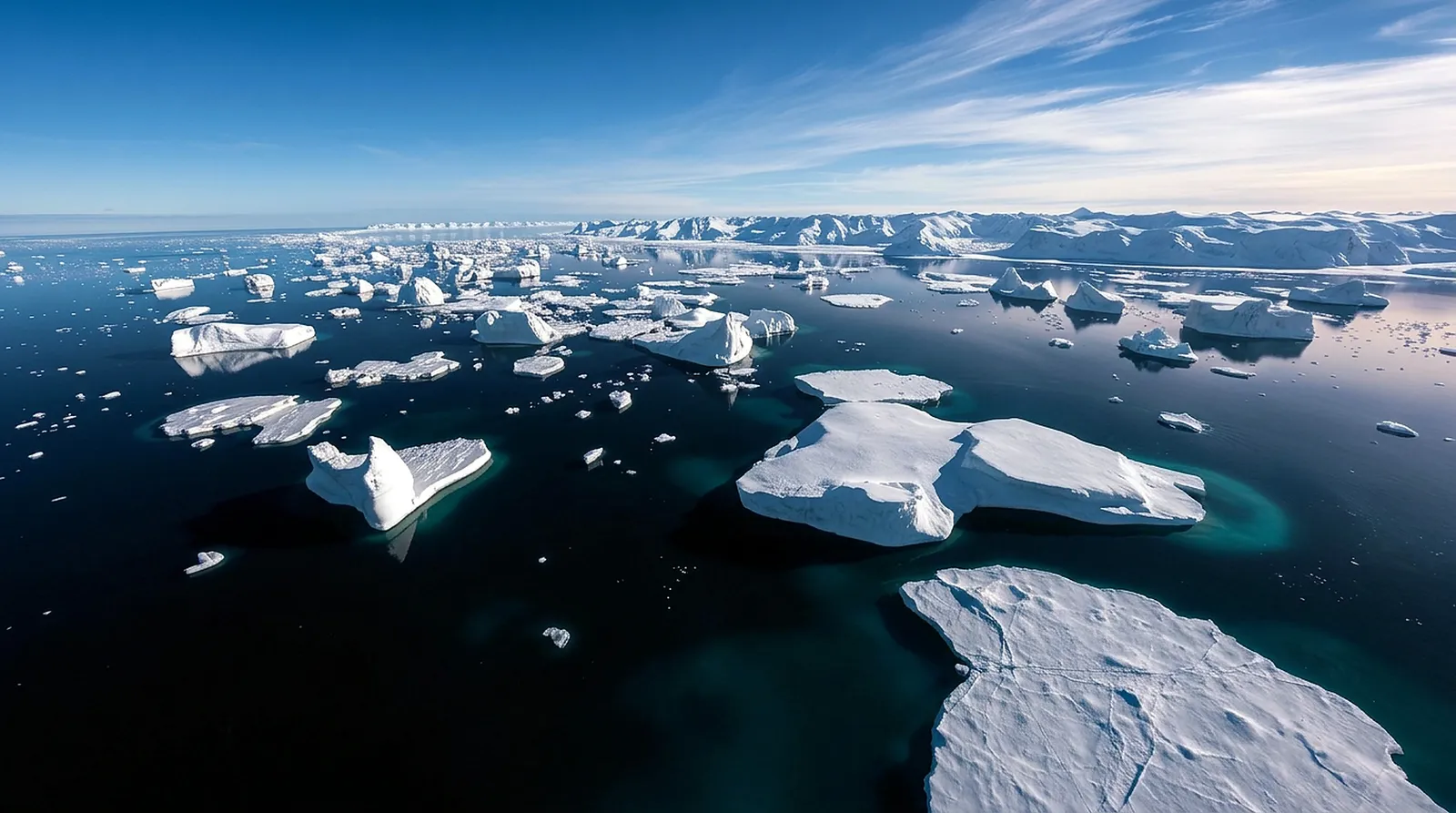
Conditions in February
February in Antarctica offers some of the most stable and amenable conditions for diving, making it a prime time to explore this frozen frontier. You'll find that the austral summer is in full swing, meaning longer daylight hours and, comparatively speaking, milder temperatures. Air temperatures typically hover around -5°C to 2°C (23°F to 36°F), which, while still cold, is a significant improvement over the deeper winter months. The sea state generally tends to be calmer than earlier in the season, particularly around the Antarctic Peninsula and its surrounding islands, though you should always be prepared for the unpredictable nature of polar weather. Swells can still occur, especially when crossing the Drake Passage, but once you're among the sheltered fjords and channels, conditions often settle.
Underwater, the water temperature remains, as expected, bracingly cold. Expect a consistent chill of -1°C to 2°C (30°F to 36°F). This necessitates proper dry suit diving techniques and appropriate thermal undergarments, which your liveaboard crew will undoubtedly brief you on extensively. Visibility during February is often excellent, frequently extending to 20-30 meters (65-100 feet) or more in certain areas. The reasons behind this superb clarity are manifold: less suspended sediment compared to peak melt periods, and the water column, unperturbed by significant current systems in the more sheltered areas, allowing particulate matter to settle. However, around areas with large krill blooms or melting icebergs, visibility can temporarily decrease. Currents are generally mild to moderate in the dive sites accessible to recreational divers, typically posing no significant challenge. However, drift dives might occur in specific channels where tidal flow can be more pronounced.
What you will see
Diving in Antarctica in February is an experience unlike any other, offering unique encounters with the continent's incredible marine life, many of which are highly active during this late-summer period. One of the most sought-after sights is undoubtedly the penguins. You'll often see them porpoising overhead or hunting for krill underwater – imagine an Adélie or Chinstrap penguin zipping past you like an underwater rocket! Leopard seals are also more active in February; these apex predators are formidable hunters, and while sightings are awe-inspiring, your dive guides will ensure respectful and safe distances are maintained. You might also spot Weddell seals resting on ice floes or gracefully swimming beneath, their curious eyes often peering back at you from the depths.
Beyond the iconic mammals, the benthic life in Antarctica is surprisingly vibrant and colorful. In February, with longer daylight hours enabling more photosynthetic activity, the shallow waters are often teeming with life. You'll encounter a stunning array of invertebrates: colossal sea spiders (pycnogonids) slowly lumbering across the seafloor, delicate nudibranchs, and a vast diversity of anenomes, sponges, and soft corals painting the submerged rocks in hues of orange, red, and purple. Krill, the lifeblood of the Antarctic ecosystem, are still present in large numbers, attracting their predators. While whale sightings are more common from the surface, don't be surprised if you hear their haunting calls underwater, adding to the mystique of your dive. Orcas and humpbacks are still in the region, feeding heavily before their migration.
Top dive sites this month
For February, the Antarctic Peninsula and its surrounding islands truly shine as prime diving locations. One of the most consistently rewarding areas is Deception Island, a flooded caldera offering unique geothermal activity that can subtly warm certain areas (don't expect tropical temperatures though!). Here, you can experience volcanic black sand seabeds contrasting with vibrant marine life. The historical remnants of whaling stations also add an intriguing topside element. Another must-visit is the region around Port Lockroy and Wiencke Island. The sheltered bays and impressive ice formations provide dramatic backdrops for dives, often yielding incredible visibility and abundant penguin encounters.
Further south, if conditions allow, exploring sites around the Lemaire Channel, often referred to as "Kodak Alley" for its breathtaking scenery, offers opportunities for stunning wall dives and encounters with large ice formations. The sheer scale of the icebergs overhead, with their deep blue hues, is an unforgettable sight from beneath the surface. Finally, the waters around Pleneau Island, sometimes called "Iceberg Graveyard," are fantastic for spotting icebergs submerged with their diverse ecosystems, along with leopard seals and various bird species. Each of these locations offers a unique slice of the Antarctic diving experience, and your liveaboard itinerary will undoubtedly maximize your chances of exploring these incredible spots, weather permitting.
Practical tips for your trip
Diving in Antarctica in February absolutely requires a dry suit. Wetsuits simply won't cut it in water temperatures hovering around freezing. You'll need excellent thermal undergarments – think thick fleece layers specifically designed for dry suit diving. Most liveaboards will require you to be a certified dry suit diver, or at the very least, have significant cold-water diving experience. This month is generally best suited for experienced divers. While the diving isn't typically challenging in terms of strong currents or complex navigation, the extreme cold and remote environment demand a confident and competent diver. You'll want to ensure all your gear is in top condition; anything that can freeze or fail will likely do so in these temperatures. Bring spare masks, fins, and even BCD components if possible.
Liveaboard availability in February can still be competitive, as it’s a popular time during the Antarctic summer, so booking well in advance is crucial. You'll want to pack layers, layers, and more layers for topside excursions – a good waterproof and windproof outer shell is non-negotiable. Don't forget high-quality gloves (both thick dry gloves for diving and warm, waterproof gloves for above water), a warm hat that covers your ears, and sunglasses to protect against the glare from the ice. Bring plenty of batteries for your camera equipment; cold temperatures drain them quickly. Also, consider motion sickness medication for the Drake Passage crossing – it can be rough! Finally, understand that diving in Antarctica is expeditionary by nature. The itinerary is always subject to weather, ice conditions, and wildlife sightings, so flexibility and an adventurous spirit are key to making the most of this once-in-a-lifetime experience.
Year-round overview for Antarctica
Frequently asked questions
Is February a good month to dive in Antarctica?
What can you see diving in Antarctica in February?
Should I book a Antarctica liveaboard for February or wait?
Find a liveaboard for February
Compare available Antarctica liveaboards departing in February.
Search and Book