Conditions in May
So, you're eyeing Papua New Guinea for a dive trip in May? Excellent choice! May sits right at the tail end of the diving high season for many regions, offering a sweet spot before the trade winds really pick up. Generally, you're looking at fantastic, calm sea conditions, especially in popular areas like Kimbe Bay, New Britain, and the Bismarck Sea. The water temperature is consistently warm and inviting, typically hovering around 28-30°C (82-86°F), so you won't be shivering down there. Surface conditions are usually smooth, making for comfortable liveaboard travel and easy entries and exits.
Visibility in May, particularly in the northern regions like Kimbe Bay and Kavieng, is generally spectacular. Expect crystal-clear waters offering 20-40 meters (65-130 feet) of visibility, allowing you to appreciate the vibrant coral gardens and bustling marine life from a distance. While currents are usually mild to moderate, they can occasionally pick up, especially around certain seamounts and passes, attracting the bigger stuff. These currents are often manageable and add to the excitement, bringing nutrients that fuel the incredible biodiversity PNG is renowned for.
What you will see
May in Papua New Guinea is a feast for the eyes, offering an incredible diversity of marine encounters. This time of year is particularly good for pelagic action. In areas like Kimbe Bay, you have a strong chance of encountering scalloped hammerhead sharks gracefully patrolling the deep, and grey reef sharks are regular residents around the many pristine reefs and seamounts. You might also spot silvertips and even the occasional thresher shark at specific sites. Eagle rays are a common sight, gliding effortlessly through the blue.
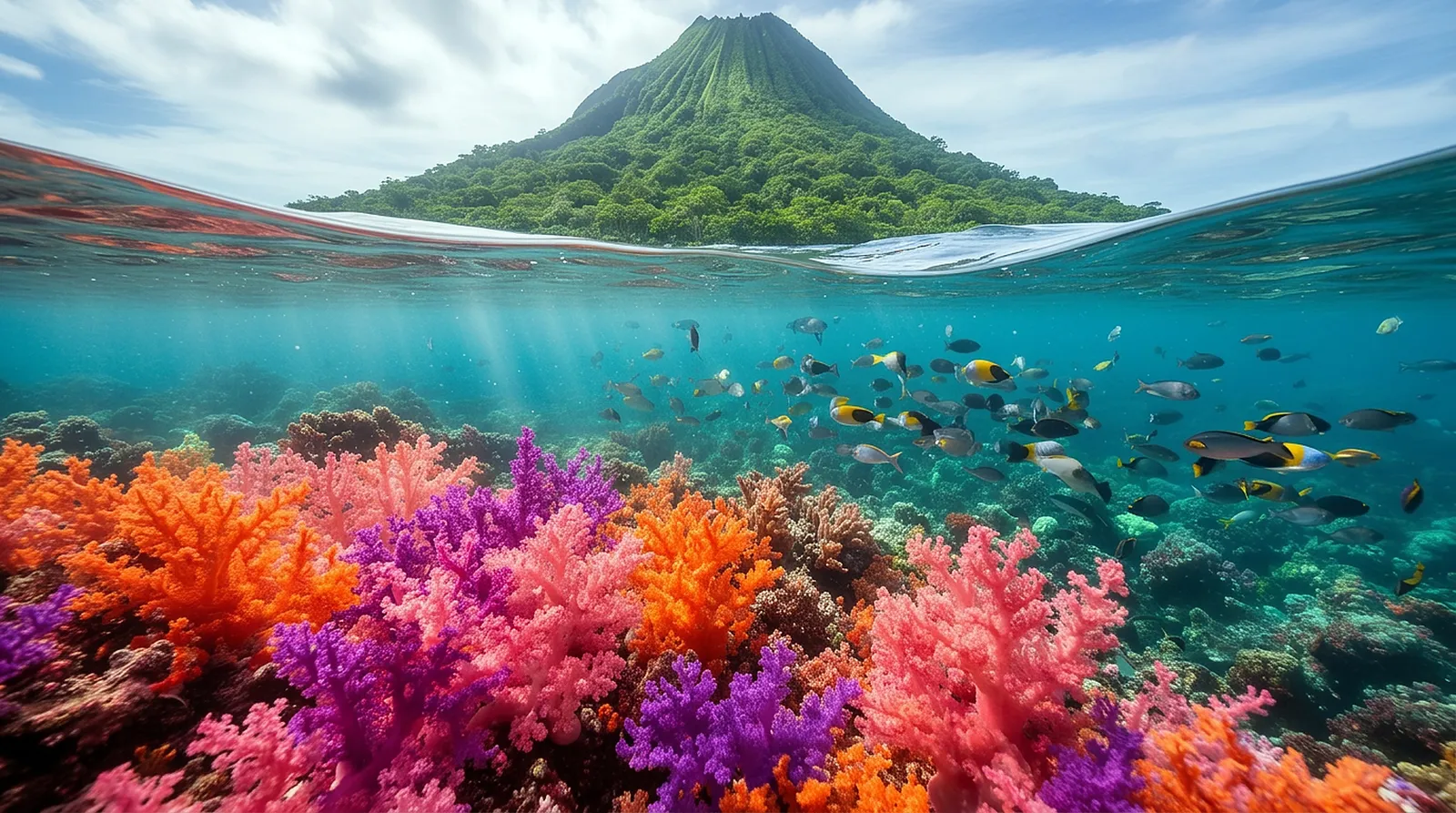
Beyond the sharks, May offers superb opportunities for schooling fish. Expect to be surrounded by massive schools of barracuda, jacks, and various fusiliers swirling around pinnacles and reef walls. Papua New Guinea's reefs are legendary for their hard and soft corals, and in May, they are in peak condition, providing a vibrant backdrop to your dives. For macro lovers, the rich critter life is always present. Keep your eyes peeled for pygmy seahorses nestled in gorgonians, various species of nudibranchs, flamboyant cuttlefish displaying their dazzling patterns, and a plethora of fascinating goby and shrimp partnerships. Lucky divers might even spot a Rhinopias (weedy scorpionfish) or an ornate ghost pipefish hiding in plain sight.
While manta ray sightings are more seasonal and can vary by location, May still offers a good chance, particularly around specific cleaning stations. Overall, the combination of healthy reefs, good visibility, and consistent pelagic activity makes May a truly special month for diving in this extraordinary destination.
Top dive sites this month
For an unforgettable May dive experience, you absolutely need to consider Kimbe Bay in New Britain. This area is a biodiversity hotspot, boasting some of the highest coral diversity on the planet. Dive sites like Susan's Reef and Inglis Shoal are simply breathtaking, featuring stunning coral bommies, kaleidoscopic reef fish, and frequent sightings of reef sharks and barracudas. Inglis Shoal, in particular, is a seamount known for its consistent pelagic action and healthy coral structures, making it a must-dive.
Further east, the Bismarck Sea offers incredible diving around areas like Fathers Reefs and Witu Islands. Jayne's Gully in the Fathers Reefs is a spectacular canyon dive with incredible wall formations, large schools of fish, and excellent chances for shark encounters. The Witu Islands region, including sites like Lauadi, is famous for its vibrant soft corals, diverse macro life, and often offers calmer conditions. And let's not forget about the Kavieng region in New Ireland. While some consider it a year-round destination, May offers fantastic visibility and manageable currents, making sites like Albatross Passage a thrill with its drift diving opportunities and frequent sightings of grey reef sharks and schooling pelagics.
Practical tips for your trip
Given the consistently warm water temperatures of 28-30°C (82-86°F) in May, a 3mm shorty or full wetsuit will be more than sufficient for most divers. Some even prefer to dive in just a rash guard for maximum flexibility and sun protection. This month typically suits divers of all experience levels. The generally calm surface conditions and excellent visibility make it accessible for beginners, while the potential for currents and the sheer vastness of the reefs provide ample excitement for advanced divers.
Liveaboard availability in May can still be quite good, as it's just before the full onset of the southerly trade winds in some regions. However, Papua New Guinea is a sought-after destination, so booking your liveaboard well in advance is always recommended to secure your preferred dates and vessel. Aside from your usual dive gear and swimwear, remember to pack plenty of reef-safe sunscreen, a wide-brimmed hat, and insect repellent. While malaria risk has decreased in many coastal areas, it’s always wise to consult your doctor regarding prophylaxis. Also, be aware that internet connectivity can be spotty in remote areas, so embrace the digital detox and immerse yourself fully in the stunning underwater world. Medical facilities are limited outside of major towns, so comprehensive travel insurance that includes diving evacuation is absolutely essential.
Year-round overview for Papua New Guinea
Frequently asked questions
Is May a good month to dive in Papua New Guinea?
What can you see diving in Papua New Guinea in May?
Should I book a Papua New Guinea liveaboard for May or wait?
Find a liveaboard for May
Compare available Papua New Guinea liveaboards departing in May.
Search and Book