Conditions in March
So, you're eyeing a dive trip to the Bay Islands of Honduras in March, huh? Excellent choice! You're hitting the sweet spot before the real heat of summer kicks in. By March, the trade winds that can whip up some choppy seas in January and February have generally begun to mellow. This means you can anticipate calmer surface conditions, making for more comfortable boat rides and easier entries and exits, especially if you're prone to motion sickness. In terms of weather topside, you're looking at consistently sunny days with comfortable temperatures, typically ranging from 25°C to 30°C (77°F to 86°F), perfect for drying off between dives or relaxing on deck.
Underwater, March delivers some truly fantastic conditions. The water temperature is usually a lovely and consistent 26°C to 28°C (79°F to 82°F), warm enough that many divers are comfortable in a 3mm shorty or even just board shorts/swimsuit if you run warm. Visibility is generally outstanding this time of year, often reaching an impressive 25 to 40 meters. This crystal-clear water truly amplifies the vibrant coral reefs and marine life. Currents, while always a factor in some areas, tend to be manageable and are often used to your advantage for gentle drift dives. You'll find a good mix of calm, protected sites and some areas with a bit more flow to keep things interesting, depending on the specific location and the prevailing conditions on any given day.
What you will see
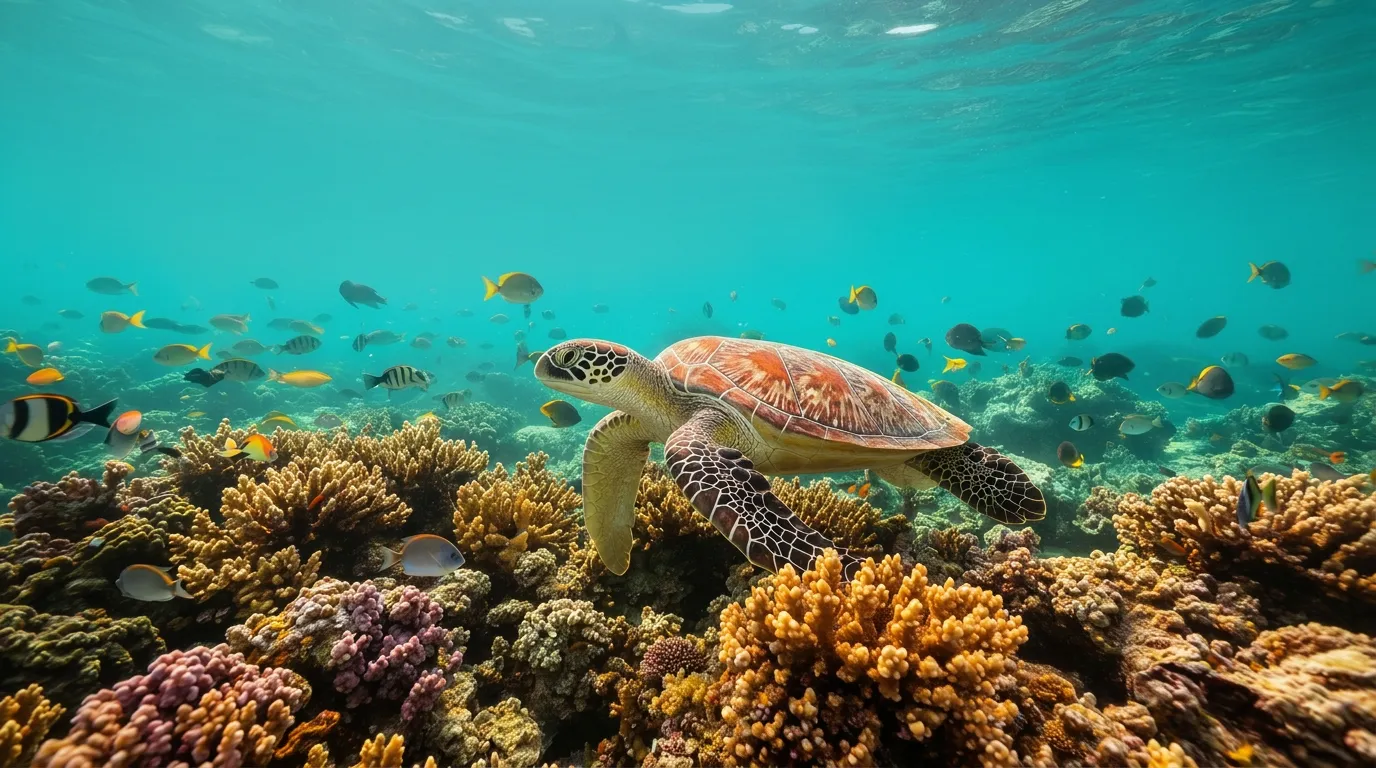
March is a prime time for marine life in the Bay Islands, offering a fantastic cross-section of what these rich waters have to offer. While whale sharks are a year-round possibility, especially around Utila, March often sees a good frequency of sightings as they migrate through the area, feeding on plankton blooms. Keep those eyes peeled on safety stops and during transits! Beyond the big guys, you'll be immersed in an incredibly healthy reef ecosystem. Expect to encounter numerous species of angelfish, parrotfish, groupers, snappers, and dazzling schools of chromis and grunts. The macro photographer in you will be thrilled with the abundance of cryptic creatures like seahorses, pipefish, nudibranchs of every colour, and various types of shrimp and crabs hiding amongst the corals and sponges.
This month also tends to be excellent for spotting various types of sharks. While rare, Caribbean reef sharks are occasionally seen, particularly on deeper dives or at sites with a bit more current. You might also encounter nurse sharks lounging on the sandy bottom or under ledges. Eagle rays and southern stingrays are common sights, gracefully gliding over the reef or burying themselves in the sand. Keep an eye out for green moray eels, spotted morays, and occasionally ribbon eels peeking out from their holes. The diverse reef structure, from dramatic walls to shallow gardens, supports an incredible array of biodiversity, ensuring every dive brings a new discovery. You'll truly appreciate the vibrant health of these reefs, which are part of the Mesoamerican Barrier Reef System, the second-largest in the world.
Top dive sites this month
For incredible wall diving and a chance at pelagic encounters, you absolutely must visit Mary's Place off Roatan. In March, with typically calmer conditions, exploring its iconic split and dramatic crevices is an even more sublime experience. The coral growth here is simply breathtaking, and you're likely to see large schools of fish, barracuda, and potentially even nurse sharks. Another Roatan gem that performs exceptionally well in March is El Aguila Wreck. This deliberately sunk freighter teems with marine life, and the clear visibility this month makes penetration dives (for qualified divers) and exploring the deck features even more rewarding. You'll often find garden eels on the surrounding sandy patches and groupers hiding in the wreck itself.
If your trip takes you to Utila, don't miss The Black Hills Seamount. This offshore pinnacle rises from the depths and is a magnet for pelagics, especially in March when whale shark sightings can be higher. The strong currents here bring in nutrients, attracting schools of jacks, barracuda, and occasional eagle rays. It’s an exhilarating dive perfect for advanced divers. Also on Utila, Pumpkin Hill offers a completely different experience with incredible wall dives and healthy, colourful reef formations, great for macro life and spotting crabs, lobsters, and a variety of reef fish. For a truly diverse experience, consider the untouched reefs around Cayos Cochinos. While less frequented by liveaboards, if your itinerary includes them, sites like Pelican Point offer pristine coral gardens and an abundance of smaller reef fish in super clear water.
Practical tips for your trip
Given the comfortable water temperatures of 26°C to 28°C (79°F to 82°F) in March, a 3mm shorty or a full 3mm wetsuit should be perfectly adequate for most divers. If you tend to get cold easily or plan on doing multiple dives a day, a 5mm full suit might offer extra comfort, but it's rarely a necessity. This month is genuinely suitable for all levels of divers, from beginners making their first ocean dives to experienced divers seeking pelagic encounters. The generally calm conditions and excellent visibility make it very beginner-friendly, while the diverse sites and potential for larger animal sightings keep advanced divers engaged.
Liveaboard availability in March can be quite good, as it's not yet peak spring break season, but it's definitely climbing in popularity due to the ideal conditions. Booking your liveaboard in advance, especially if you have specific dates or a particular boat in mind, is always a wise move. Beyond your dive gear, remember to pack light, breathable clothing, good sun protection (reef-safe sunscreen, hat, sunglasses), insect repellent for evenings on shore, and any personal medications. Also, ensure your dive insurance is up to date and covers potential dive-related incidents. Be aware that while the main islands like Roatan and Utila are quite developed for tourism, some smaller cays or more remote areas might have limited access to amenities, so pack any specialist items you need. Enjoy your adventure in the Honduran Bay Islands – March is truly a magnificent time to explore them!
Year-round overview for Honduras
Frequently asked questions
Is March a good month to dive in Honduras?
What can you see diving in Honduras in March?
Should I book a Honduras liveaboard for March or wait?
Find a liveaboard for March
Compare available Honduras liveaboards departing in March.
Search and Book