Conditions in July
So, you’re thinking about diving Jardines de la Reina in July? Let’s talk about what you can expect. July falls right in the middle of Cuba’s summer, and that means warm, glorious conditions both above and below the surface. Air temperatures are typically in the high 20s to low 30s Celsius (around 80-90°F), so you'll be spending plenty of time in your swimsuit. Expect sunshine, but also be prepared for the occasional tropical shower, which usually passes quickly and leaves behind that vibrant, fresh Caribbean scent.
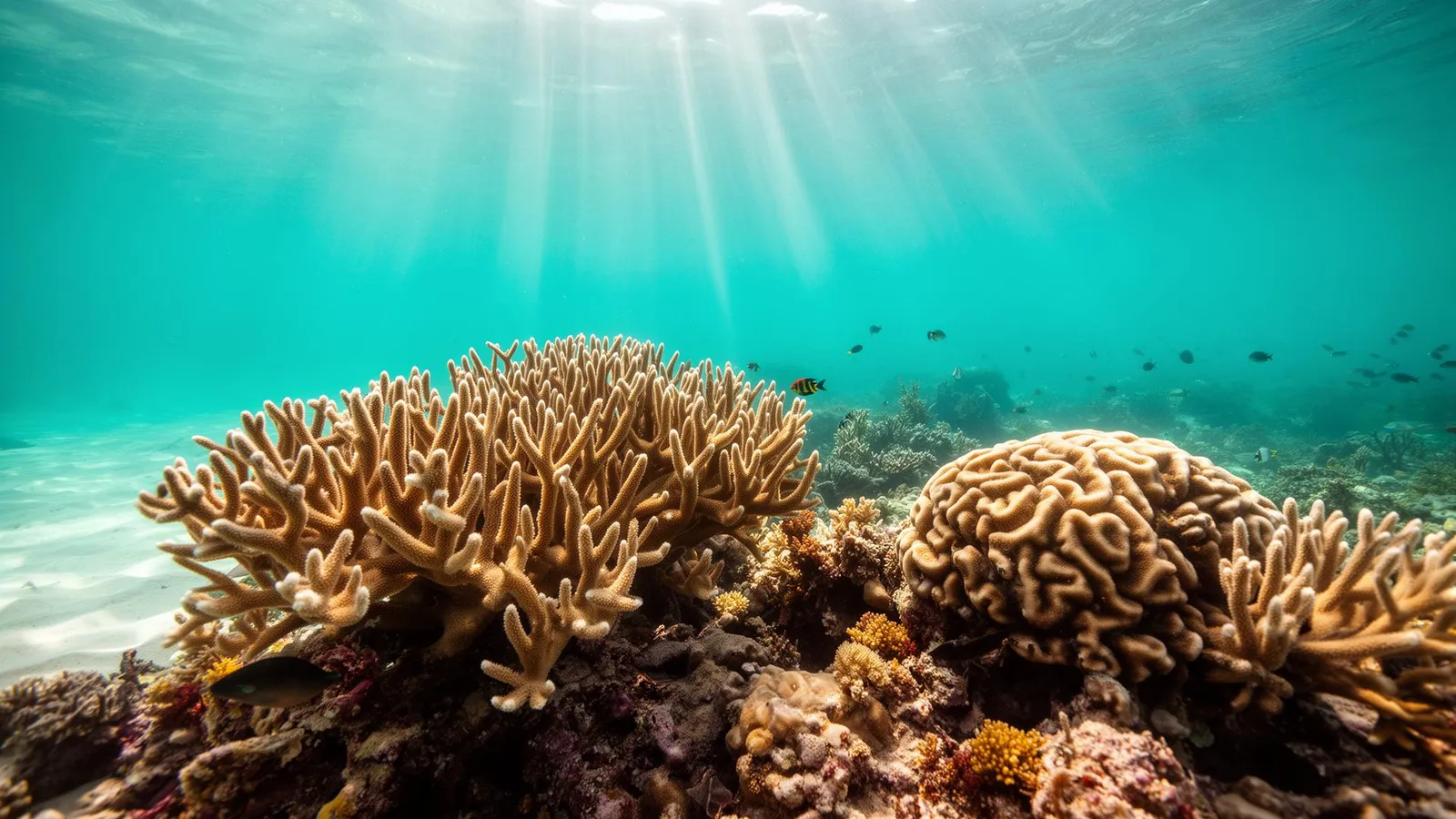
As for the sea, it’s practically bathwater! Water temperatures hover consistently around 29-30°C (84-86°F), so you might even find yourself considering a skin suit or no wetsuit at all, depending on your personal preference. Visibility during July in Jardines de la Reina is generally excellent, often reaching 25-30 meters (80-100 feet). You'll have no trouble spotting marine life from a distance. While the Caribbean can throw up a bit of chop now and then, especially with passing squalls, the inner reef systems of Jardines de la Reina are well-protected, offering calm, pristine diving conditions for most of your trip.
Currents are typically mild to moderate in July, making for comfortable drift dives without being overly challenging. This is great news, as it means less effort finning and more time observing the incredible underwater world. While Jardines de la Reina is technically within the hurricane belt, July is still early in the season, and the chances of a major storm impacting your trip are relatively low. Liveaboard operators are highly experienced and always prioritize safety, adjusting itineraries if necessary.
What you will see
Jardines de la Reina in July is a shark lover's paradise. Seriously, if you've always dreamed of diving with sharks, this is your month. You'll encounter a stunning abundance of Caribbean reef sharks – they are literally everywhere, curious and gracefully patrolling the reefs. Forget those timid sightings; these sharks will often approach closely, giving you incredible photo opportunities. You might also spot silky sharks further offshore, especially around cleaning stations, adding another dimension to your pelagic encounters. Keep an eye out for nurse sharks too, often found resting under ledges.
It’s not just about the sharks, though. July also often brings excellent opportunities to see much larger pelagics. While manta rays aren't a daily guarantee, they are certainly present and can make spectacular appearances. Giant goliath groupers are a resident highlight here, and you'll find them in impressive sizes, often gathering in specific areas. The healthy reef systems buzz with life: massive schools of snapper, jacks, and grunts are a constant backdrop, creating a kaleidoscope of silver and gold against the vibrant corals.
Beyond the big stuff, the macro life here is equally captivating. Nudibranchs in a dazzling array of colors, camouflaged frogfish, and tiny colourful blennies peek out from the corals. The sponges and gorgonians are home to countless crustaceans – crabs, shrimps, and lobsters are abundant. You'll want to invest time in exploring the nooks and crannies of the reef. And, of course, the vibrant coral gardens themselves are a major draw, teeming with juvenile fish and providing a healthy ecosystem that supports all the bigger creatures you've come to see.
Top dive sites this month
While every dive site in Jardines de la Reina offers something special, a few really shine in July. Punta Macao is a must-dive. This site is renowned for its consistent shark action, with Caribbean reef sharks seemingly omnipresent. The clear waters and thriving coral formations make it an utterly exhilarating experience, and in July's warm conditions, the sharks are particularly active and photogenic. It’s also a great spot for seeing large schools of fish.
Another perennial favorite that performs exceptionally well in July is Pipín. This site is famous for its "shark hotel," where you can often see dozens of Caribbean reef sharks in a relatively small area. The consistent warmth of July's water seems to encourage even more aggregations here, creating truly unforgettable encounters. Last but not least, don't miss Black Coral II (also known as Jardín de las Gorgonias). While the name suggests coral, this site is also excellent for pelagic sightings in July, with strong chances of spotting silvertip sharks and even the occasional silky or hammerhead in the blue, especially if currents are running gently. The massive black coral formations just add to the surreal beauty of the dive.
Practical tips for your trip
Given the balmy water temperatures of 29-30°C (84-86°F) in July, a 3mm shorty wetsuit or even just a rash guard will be perfectly adequate for most divers. Some seasoned warm-water divers might even opt for no wetsuit at all, just a swimsuit for sun protection. This month suits virtually all experience levels – the generally mild currents and excellent visibility make it fantastic for beginners, while the incredible shark action and healthy reefs provide ample thrills for advanced divers. Liveaboard availability tends to fill up quickly for Cuba, especially during peak seasons like summer, so booking well in advance (6-12 months out) is highly recommended to secure your preferred dates and boat.
When packing for your July trip to Jardines de la Reina, think light and breathable clothing for shore excursions or evenings on the liveaboard. Sun protection is paramount: a wide-brimmed hat, sunglasses, and reef-safe sunscreen are absolute essentials given the strong Caribbean sun. Bring insect repellent, especially for evenings if you plan any land-based activities before or after your liveaboard. While you can often rent gear, bringing your own mask, fins, and dive computer is always a good idea for comfort and familiarity. Don't forget your camera gear – the photographic opportunities, especially with the sharks, are world-class! Finally, be aware that Cuba has specific visa requirements, and it's crucial to arrange these well ahead of your travel dates. Your liveaboard operator can often provide guidance on this.