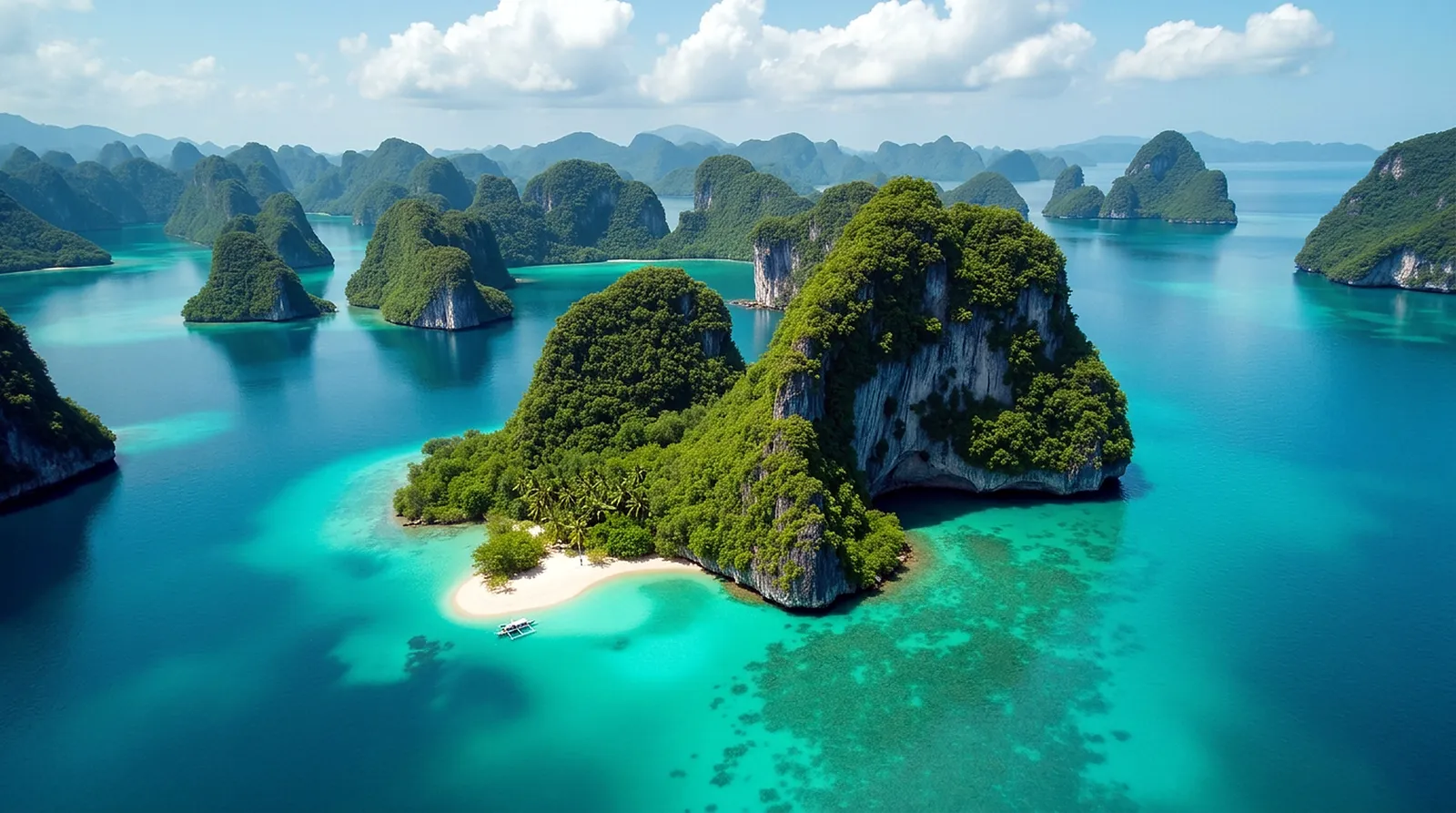
Conditions in July
You're considering a dive trip to Raja Ampat in July, and that's a fantastic idea, though it’s essential to understand what to expect. July sits squarely within Raja Ampat's "shoulder season," also sometimes referred to as the "low season" by some, meaning the weather patterns are transitioning. You’ll generally find conditions to be a mixed bag compared to the peak months. The wind can pick up, usually coming from the southeast, which can lead to choppier seas, particularly in more exposed areas of the Dampier Strait or around the Wayag Islands. While it’s not typically monsoon season in the way other parts of Southeast Asia experience it, you should be prepared for more frequent, though often short-lived, rain showers. These usually don't last all day, tending to be squalls that pass through, leaving clear skies in their wake.
Water temperatures remain consistently warm throughout the year in Raja Ampat, and July is no exception. Expect comfortable dives with temperatures hovering between 28-30°C (82-86°F) across most dive sites. You might find slightly cooler thermoclines when descending deeper, but generally, it's a warm-water paradise. Visibility, however, can be more variable than during the high season. While you can still encounter days with crystal-clear visibility exceeding 20-25 meters, it’s more common to find it in the 10-15 meter range, especially after heavy rains or in areas with strong currents stirring up sediment. The good news is that these currents, while occasionally reducing visibility, are often what bring in the nutrient-rich waters that attract the incredible marine life you're coming to see.
Currents are an ever-present feature of Raja Ampat diving, and July is no different. You’ll still encounter everything from gentle drifts to exhilarating rides, particularly in the channels and passages between islands. Your dive guides will be experts at reading these currents and planning dives accordingly. Be prepared for some dynamic diving, as the strength and direction can change rapidly. This combination of warmer waters, variable visibility, and strong currents creates a vibrant, nutrient-rich environment that supports the incredible biodiversity Raja Ampat is famous for, even in July.
What you will see
Despite July being a shoulder month, Raja Ampat’s marine life density remains phenomenal. The slightly choppier seas and increased plankton in the water, which can sometimes reduce visibility, are a double-edged sword: they’re exactly what attracts the larger pelagic species. While there isn't a specific "seasonal aggregation" unique to July, the conditions are still excellent for encounters with several shark species. You’ll likely spot reef sharks – blacktips, whitetips, and even grey reef sharks – patrolling the reef edges. Wobbegong sharks are perennially present, often found tucked under coral bommies or ledges, and they're particularly photogenic. You might also be lucky to spot epaulette sharks ("walking sharks") during night dives, a truly unique experience.
Manta rays, both oceanic and reef mantas, are a highlight of Raja Ampat year-round. While their numbers might peak slightly during the drier months, you still have an excellent chance of encountering them at cleaning stations like Manta Ridge or Manta Sandy. The increased nutrients in the water during this time can sometimes mean mantas are actively feeding, offering incredible close-up encounters as they barrel roll through plankton-rich waters. You'll also be immersed in vibrant coral gardens, teeming with thousands of species of reef fish. Expect to see massive schools of fusiliers, snappers, and trevallies, often congregating in stronger currents.
For macro enthusiasts, Raja Ampat never disappoints, and July is no exception. The slight reduction in overall visibility can sometimes make you focus more closely on the smaller wonders. Look out for pygmy seahorses, particularly Bargibant’s and Denise’s, expertly camouflaged on seafans. Nudibranchs in countless colors and forms are everywhere, as are various species of ghost pipefish, frogfish, and different types of shrimp and crab. The sheer biodiversity means that even on days with lower visibility, there's always an incredible spectacle happening on the reef, from tiny critters to vast schools of fish.
Top dive sites this month
Even with potentially variable conditions in July, several Raja Ampat dive sites consistently deliver incredible experiences. The Dampier Strait remains a prime area, thanks to its powerful currents that funnel nutrients and marine life. Sites like Cape Kri are renowned for their staggering biodiversity, holding world records for the highest number of fish species recorded on a single dive. You can expect schooling barracudas, jacks, and potentially reef sharks here, thriving in the current-swept waters. Similarly, Arborek Jetty offers a beautiful combination of vibrant jetty pylons covered in soft corals and healthy reefs underneath, perfect for both wide-angle and macro photography, with a good chance of seeing massive schools of small fish and occasional reef sharks.
For manta encounters, Manta Ridge and Manta Sandy are your best bets. While current can be strong, these cleaning stations often remain active for mantas year-round. Your dive guide will assess the conditions to ensure a safe and rewarding experience. Further south, the sites around Misool, such as Boo Windows and Magic Mountain, are still exceptional, though reaching them might depend on sea conditions given the longer traverse. Boo Windows is famous for its iconic swim-throughs and vibrant soft corals, while Magic Mountain is a seamount known for its shark and manta action. While the northern sites of Wayag might be less accessible due to potentially rougher seas, the central and southern regions of Raja Ampat offer an abundance of world-class diving options that can handle July's conditions well.
Practical tips for your trip
Given the consistently warm water temperatures, a 3mm shorty wetsuit or even just a rash guard will be perfectly adequate for most dives in Raja Ampat in July. If you tend to get cold easily, or plan to do multiple dives a day, a 3mm full wetsuit would provide extra comfort, especially during longer dives or if you encounter any thermoclines. This month suits pretty much all levels of divers. If you're a beginner, your dive guides will choose more sheltered sites with gentler conditions. For advanced divers, the stronger currents found at some sites offer thrilling drift dives and increased chances for pelagic encounters.
Liveaboard availability in July is usually better than during the peak season, meaning you might find more options and potentially better rates. However, Raja Ampat is popular year-round, so booking in advance is still highly recommended to secure your preferred boat. When packing, think light and quick-drying. Bring a good reef-safe sunscreen, a hat, and a light rain jacket for those occasional showers. It's also wise to pack seasickness medication if you're prone to it, just in case you encounter choppier seas, especially during longer transits between dive areas. Remember, Raja Ampat is a remote destination, so bringing any essential personal medications or toiletries is critical. While July might present a few more weather variables, the sheer abundance of marine life and the fewer crowds often make it an incredibly rewarding time to explore this underwater paradise.
Year-round overview for Raja Ampat
Frequently asked questions
Is July a good month to dive in Raja Ampat?
What can you see diving in Raja Ampat in July?
Should I book a Raja Ampat liveaboard for July or wait?
Find a liveaboard for July
Compare available Raja Ampat liveaboards departing in July.
Search and Book