About Point Wild
Point Wild, located in the Antarctic region, provides an exceptional opportunity for experienced divers to explore the unique underwater world of the Southern Ocean. This site is particularly noteworthy for its blend of vibrant marine life and the awe-inspiring spectacle of underwater ice formations. Divers can expect gin-clear waters that reveal a landscape vastly different from the surface, showcasing the incredible biodiversity adapted to extreme cold. The diving here is an expeditionary experience, often involving Zodiac deployments and a focus on shallow depths due to the remote nature of the location and the absence of nearby decompression facilities. The topography at Point Wild, like other Antarctic sites, often features ice walls, sea ice undersurfaces, and potentially the seafloor with its unique benthic communities. Depths are generally kept shallow, with typical maximums around 18-20 meters, to manage safety in such a remote and challenging environment. The interaction of light with ice creates an ethereal blue glow, transforming the underwater landscape into a world of hills, valleys, and sheer ice cliffs. Marine life sightings are a major draw, with creatures such as various sponges, sea stars, anemones, and sea spiders creating a colorful display against the ice. Encounters with charismatic megafauna like penguins and seals are also possible, offering an unparalleled wildlife interaction. The best time for diving aligns with the Southern Hemisphere's summer, from November to March, when wildlife activity is at its peak due to rich krill blooms. Diving at Point Wild requires careful preparation and adherence to strict safety protocols. Dives are typically conducted from Zodiac boats, with guides monitoring from the surface. The emphasis is on experiencing the unique environment and its inhabitants, rather than deep or complex dives, making it an adventure for those seeking extraordinary underwater encounters.
Highlights
Ice formations underwaterEncounters with seals and penguinsDiverse benthic marine lifeCrystal-clear polar watersUnique Antarctic topographyRare dive site access
Season calendar
Best months to dive here
Jan
Feb
Mar
Apr
May
Jun
Jul
Aug
Sep
Oct
Nov
Dec
Good
Dive site facts: Point Wild
- Depth
- Up to 20 m
- Typical dive
- Up to 20 m, 30–45 min
- Current
- Variable, potentially influenced by ice and tides
- Visibility
- Excellent, up to 300 m, can vary
- Water temperature
- -2 to 2°C
- Entry
- Zodiac / negative entry
- Level
- Advanced Drysuit Diver, cold water experience
- Dive type
- Ice diving, wall diving, photography
- Region / port
- Antarctic Peninsula
- Coordinates
- 61.1610° S, 54.0040° W
Conditions & Currents
Antarctic dive sites, including Point Wild, often present unpredictable conditions, though strong currents are not typically highlighted as the primary challenge. Divers should always be prepared for dynamic water movement influenced by tides and shifting ice. Entry and exit points, usually via Zodiac, must be continuously monitored as ice movements can alter safe access. Surge can be present, especially around ice structures, necessitating good buoyancy control. Visibility can be exceptional, up to 300 meters in some Antarctic waters, but can also be affected by biological blooms or glacial runoff. Water temperatures consistently hover around -2 to 2°C, demanding specialized equipment and robust thermal protection. All these factors underscore the need for advanced cold-water diving skills and meticulous dive planning.
Marine life & sighting chances
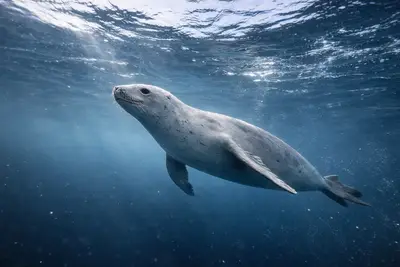
Crabeater seals
November-December · occasional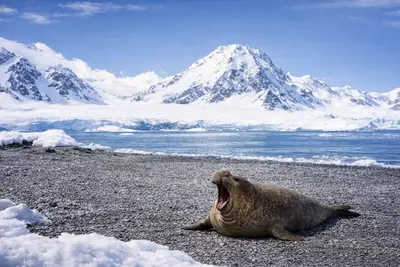
Elephant seals
November-December · occasional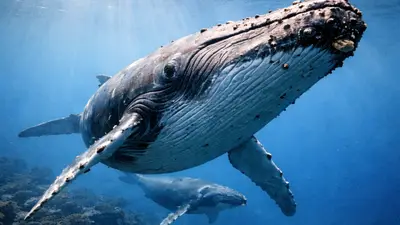
Humpback whales
November-December · occasional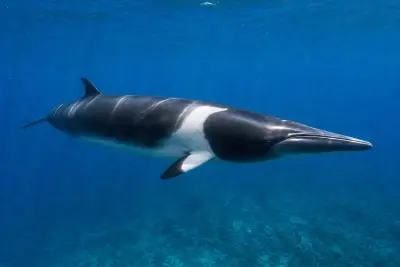
Minke whales
November-December · occasional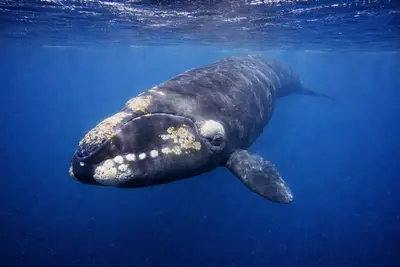
Southern right whales
November-December · occasional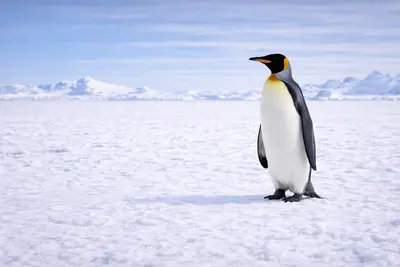
Penguins
All dive season · common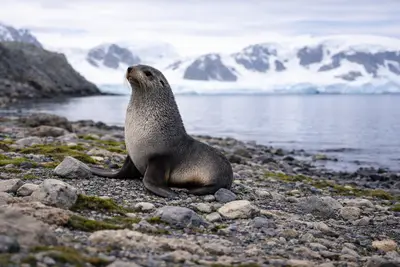
Fur seals
February-March · occasional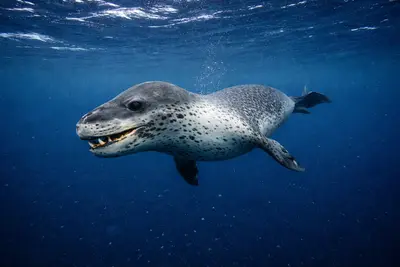
Leopard seals
February-March · occasional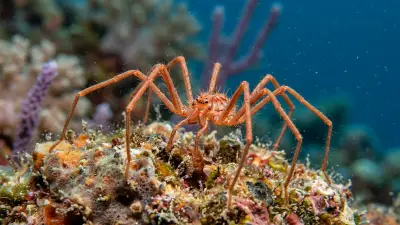
Sea spiders
common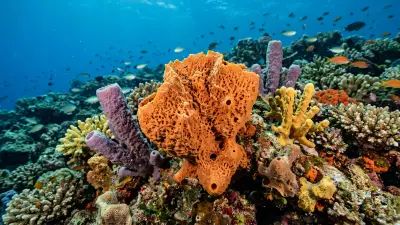
Sponges
common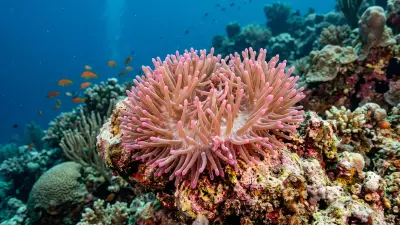
Anemones
common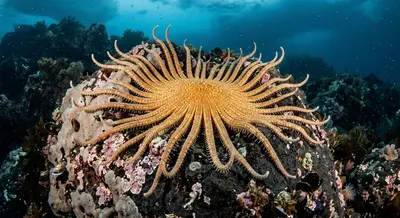
Starfish
common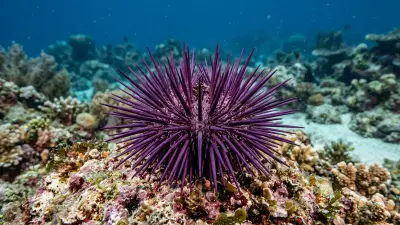
Sea urchins
common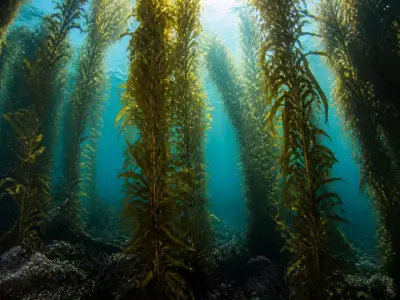
Kelp
commonDive profile & how the dive runs
Dives at Point Wild typically commence from a Zodiac, often involving a negative entry due to the extreme cold and the desire to quickly descend. Divers usually follow a shallow profile, with a maximum depth generally limited to 20 meters, exploring the unique underwater ice formations and benthic habitats. The route is often guided by the dive master, navigating around ice walls and observing the rich invertebrate life on the seafloor. The cold water dictates shorter dive times, typically around 30 to 45 minutes, to conserve body heat and gas. The safety stop is conducted at the standard 5 meters for 3 minutes, often with close supervision from the Zodiac crew who monitor for changing ice conditions and diver welfare.
Underwater photography
Underwater photography at Point Wild demands specialized equipment and careful technique due to the frigid water and challenging light conditions. Wide-angle lenses are essential for capturing the expansive ice formations, large marine mammals like seals, and wide vistas of the kelp forests. For macro subjects such as nudibranchs, sea spiders, and colorful anemones, a macro lens with powerful strobes is vital to bring out their intricate details and vibrant hues. Buoyancy control is paramount, especially when navigating near delicate ice structures and avoiding disturbance to the benthic environment. Due to low light penetration, especially under ice, external lighting sources like strobes and video lights are crucial. Be mindful of subject etiquette, giving marine life ample space and avoiding any disruptive behavior, particularly with curious seals or penguins.
Combine with nearby dive sites
- Deception Island - Whaler's Bay
Deception Island, located in the South Shetland Islands of Antarctica, is an active submerged caldera volcano.
- Elephant Island
Elephant Island, an isolated landmass in the outer South Shetland Islands, holds a significant place in Antarctic history, most notably as…
- Cuverville Island
Cuverville Island, nestled within the Errera Channel off the Antarctic Peninsula, presents an exceptional opportunity for polar diving.
- Neko Harbour
Neko Harbour, nestled on the Antarctic Peninsula, offers divers a truly immersive experience in a pristine polar environment.
Getting there & logistics
Access to Point Wild, like most Antarctic dive sites, typically begins from Ushuaia, Argentina, known as 'the End of the World'. Divers will fly into Buenos Aires, then take a connecting flight to Ushuaia, often requiring a mandatory overnight stay for baggage and pre-expedition preparations. Expeditions are conducted via liveaboard vessels that offer specialized diving programs. Trip durations vary but are generally extended, often 11 days or longer, to account for the transit through the Drake Passage and multiple dive opportunities across the region. All diving activities are usually part of a comprehensive expedition package, with specific permits and fees managed by the tour operators, as mandated by IAATO guidelines. Point Wild is frequently combined into itineraries exploring the broader Antarctic Peninsula, often alongside sites like Deception Island and Elephant Island.
Safety & environment
Diving in Antarctica, including Point Wild, carries inherent risks due to its extreme environment and remote location. The nearest recompression chamber is thousands of kilometers away, making deep dives inadvisable and strict adherence to no-decompression limits essential. Evacuation in a medical emergency can be complex and time-consuming, necessitating comprehensive dive insurance that covers cold-water diving and remote medical evacuation. Site-specific hazards include constantly shifting ice, which can alter entry/exit points, and freezing regulator malfunctions. Divers must be self-sufficient, highly experienced in drysuit diving, and carry redundant life-support equipment. All divers must follow strict guidelines set by the expedition leader and dive guides, including maintaining appropriate distances from wildlife and avoiding contact with the fragile marine ecosystem.
Who it suits — and who it doesn't
Suited for
- Experienced drysuit divers
- Cold-water diving enthusiasts
- Advanced photographers
- Adventure seekers
- Divers with excellent buoyancy control
Less suited for
- Beginner divers
- Warm-water only divers
- Divers without drysuit experience
- Those prone to seasickness
- Divers seeking deep wrecks or reefs
FAQ
Point Wild FAQ
What kind of marine life can I expect to see when diving at Point Wild?
At Point Wild, you can expect to encounter a variety of unique Antarctic marine life. Common sightings include diverse invertebrates like sea spiders, sponges, anemones, starfish, and sea urchins. Penguins are frequently seen zooming through the water, and there's a good chance of observing various seal species, including crabeater, elephant, fur, and leopard seals, especially during certain times of the dive season.
What are the water temperatures like at Point Wild, and what equipment is needed?
The water temperatures at Point Wild are extremely cold, typically ranging from -2 to 2°C. To dive safely and comfortably, specialized cold-water equipment is essential. This includes a drysuit with thick undergarments, dry gloves, and two independent, environmentally sealed regulators to prevent freezing. You will also need a quick-release BCD, depth gauge, compass, and an air-pressure gauge for each regulator setup.
What level of diving experience is required for Point Wild?
Diving at Point Wild is strictly for highly experienced divers. You must have a recognized drysuit certification and documented experience, typically a minimum of 30 cold-water drysuit dives, with some completed within the last six months. Excellent buoyancy control, self-sufficiency, and comfort in challenging conditions are paramount due to the remote and extreme environment.
How are dives conducted at Point Wild, given the icy conditions?
Dives at Point Wild are usually conducted from Zodiac inflatable boats. The dive team closely monitors ice conditions to ensure safe entry and exit points, which can shift unexpectedly. Divers often perform a negative entry to descend quickly. The profile is typically shallow, focusing on ice formations and benthic life, with dive times limited by the cold and safety considerations.
What are the primary safety concerns when diving in Antarctica?
The main safety concerns for Antarctic diving are the extreme cold, the remote location, and the dynamic ice environment. There are no nearby recompression chambers, making conservative dive profiles mandatory. Evacuation can be challenging, so comprehensive dive and travel insurance is crucial. Divers must also be vigilant about equipment malfunctions in cold water and constantly changing ice conditions around dive sites.
Why dive Point Wild from a liveaboard?
Point Wild is one of Antarctica's signature dive sites. A liveaboard sleeps you on the water and puts you in the water for three to four guided dives per day, including dawn and night dives that day-boat operators rarely offer. You skip the daily commute back to port and reach quieter, less-crowded sites in the same region on a single trip.
Below are the liveaboards that include Point Wild on their Antarctica itineraries.
Liveaboards diving Point Wild
These liveaboards may visit Point Wild on selected itineraries — the exact dive sites depend on departure, weather and conditions.
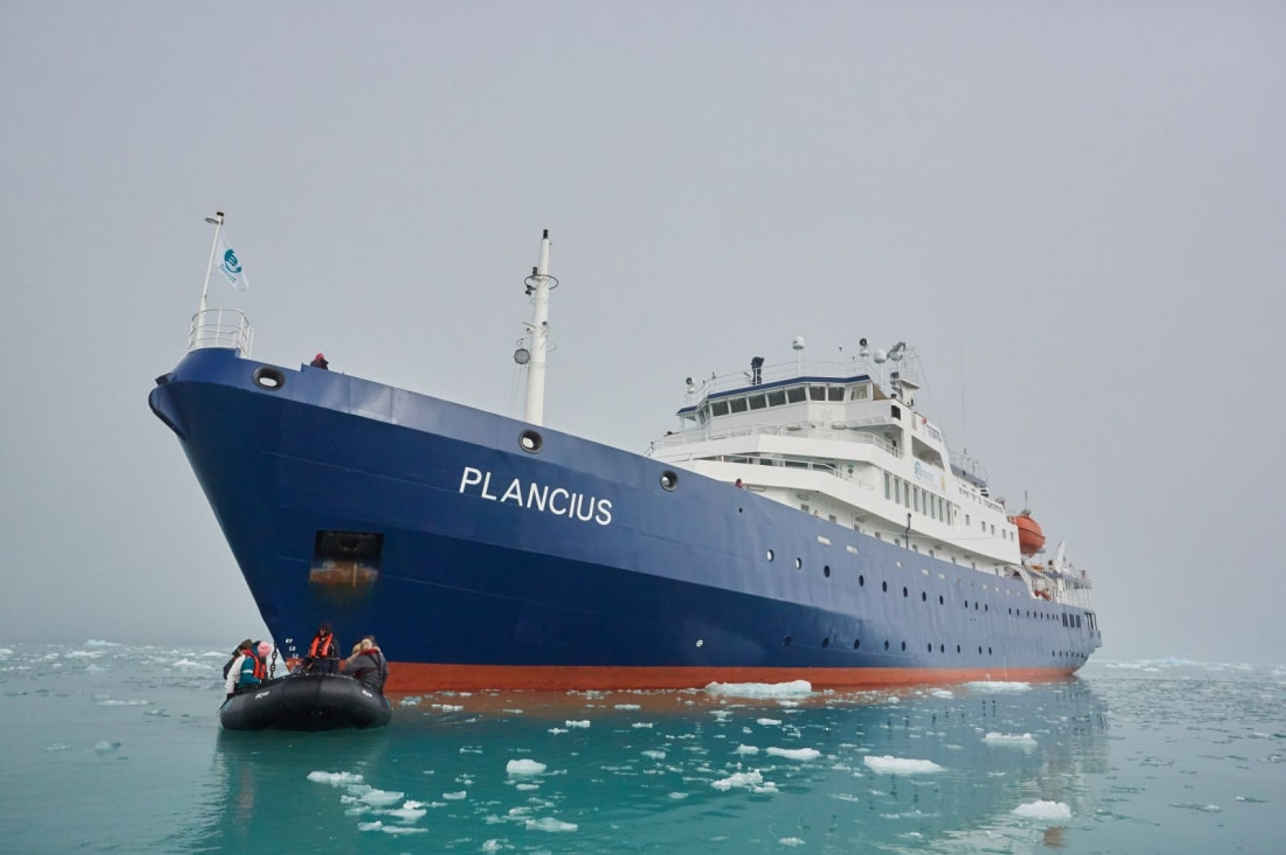
Plancius
Antarctica
108 guests89 m
$770/day
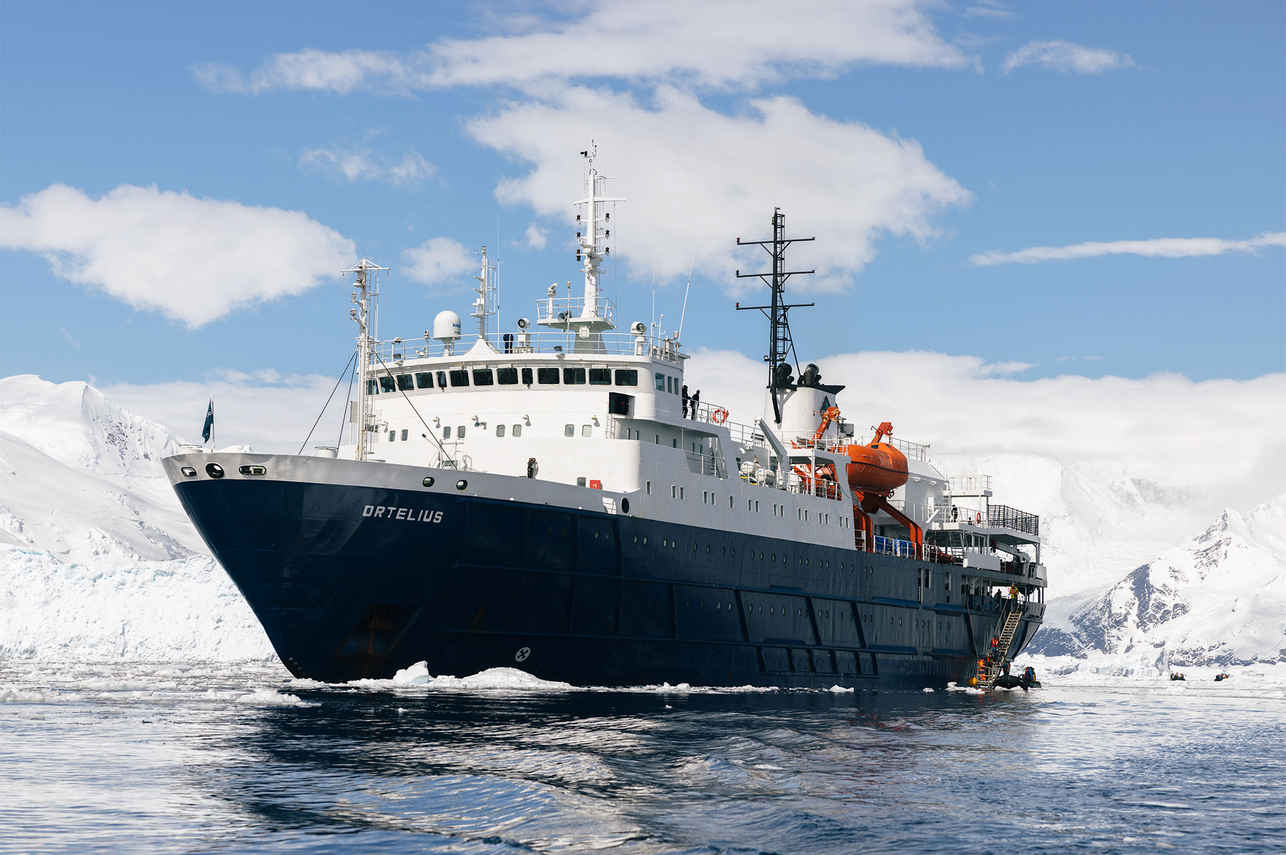
Ortelius
Antarctica
108 guests90.95 m
$660/day
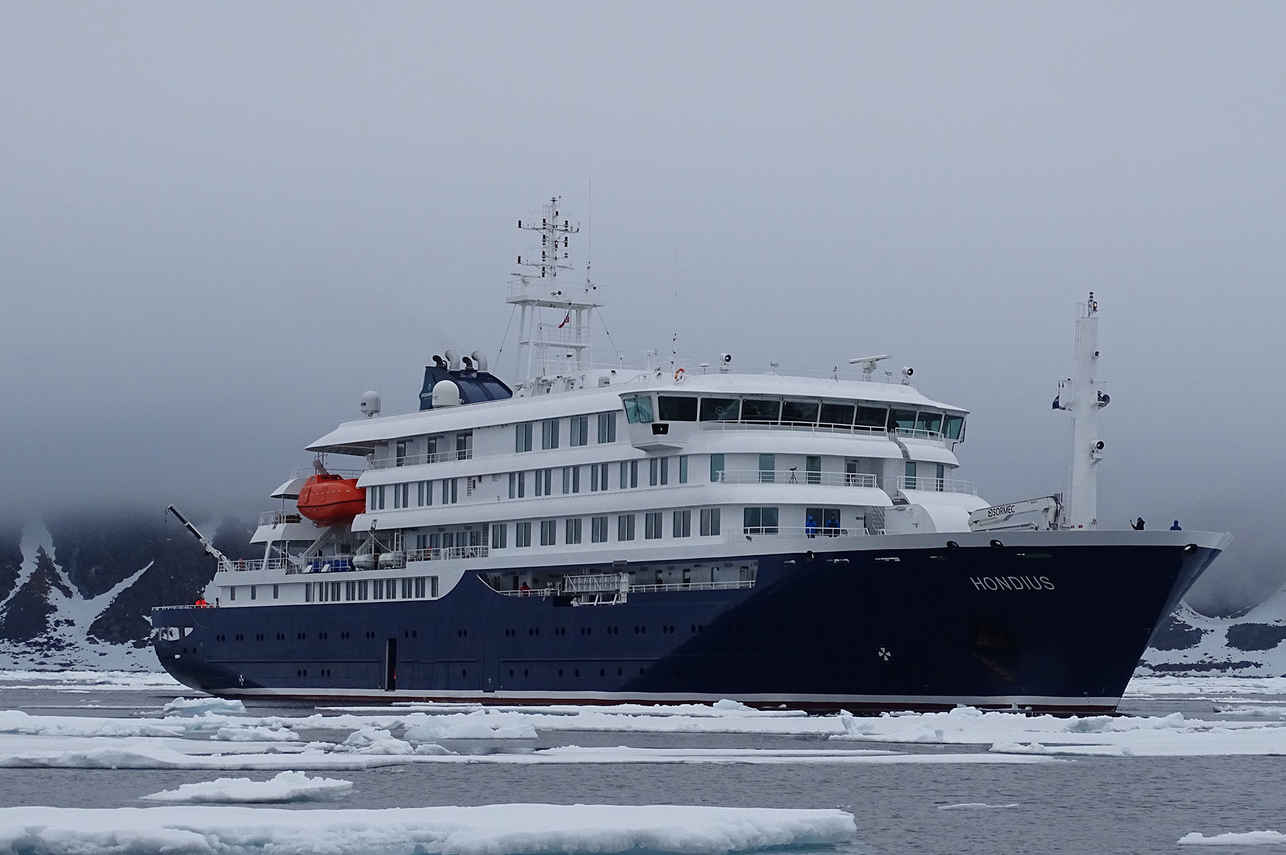
Hondius Antarctica Diving
Antarctica
170 guests107.6 m
$774/day
Dive sites similar to Point Wild
Same character, same waters — six more sites divers love for the exact same reasons.Compare seasons, access and liveaboard routes — then pick the site that fits your trip best.
© Esri — Maxar, Earthstar, GIS
Argentine Islands - Vernadsky
Antarctica
Diving at the Argentine Islands, near the Vernadsky Research Base, offers an exclusive opportunity to explore the underwater world of the Antarctic Peninsula.
- Suitable for
- Advanced
- Current
- Strong
- Access
- Liveaboard only
- Depth
- 3–15 m
- Theme
- Ice / Reef
© Esri — Maxar, Earthstar, GIS
under the iceberg scour
Antarctica
Diving in Antarctica offers a unique experience beneath its frigid waters, a stark contrast to typical warm-water destinations.
- Suitable for
- Advanced
- Current
- Moderate
- Access
- Liveaboard only
- Depth
- ≤ 70 m
- Theme
- Reef
© Esri — Maxar, Earthstar, GIS
Danco Island
Antarctica
Danco Island, located in the Errera Channel off the Antarctic Peninsula, presents an unparalleled cold-water diving experience.
- Suitable for
- Intermediate
- Current
- Moderate
- Access
- Liveaboard only
- Depth
- 3–12 m
- Theme
- Ice / Reef
© Esri — Maxar, Earthstar, GIS
Orne Harbour
Antarctica
Orne Harbour, situated on the Antarctic Peninsula, presents an unparalleled cold-water diving experience, where towering ice formations meet a vibrant, untouched marine ecosystem.
- Suitable for
- Advanced
- Current
- Strong
- Access
- Shore / dayboat
- Depth
- 3–15 m
- Theme
- Ice / Reef
© Esri — Maxar, Earthstar, GIS
South Shetland Islands - Half Moon
Antarctica
Half Moon Island, nestled in the South Shetland Islands of Antarctica, offers a distinctive polar diving experience.
- Suitable for
- Advanced
- Current
- Moderate
- Access
- Shore / dayboat
- Depth
- 3–18 m
- Theme
- Ice / Reef
© Esri — Maxar, Earthstar, GIS
Port Lockroy
Antarctica
Port Lockroy, located on Wiencke Island off the Antarctic Peninsula, offers an extraordinary cold-water diving experience amidst historical whaling station remnants and abundant wildlife.
- Suitable for
- Advanced
- Current
- Mild
- Access
- Liveaboard only
- Depth
- 5–18 m
- Theme
- Ice / Reef