About Deception Island - Whaler's Bay
Deception Island, located in the South Shetland Islands of Antarctica, is an active submerged caldera volcano. The island's horseshoe shape, formed by erosion of the shield volcano, allows vessels to enter Port Foster through a gap known as Neptune's Bellows. Whalers Bay, a small harbor immediately northeast of Neptune's Bellows, holds significant historical importance as the site of the remains of the Norwegian Hektor Whaling Station and British 'Base B', active between 1944 and 1969. These remnants, including decaying water boats and other artifacts, represent a crucial part of Antarctic maritime history and are designated as Historic Site and Monument No. 71. The dive site itself features a gently sloping ash beach, approximately two kilometers long, stretching from Penfold Point to Cathedral Crags. The topography includes geothermal activity, with some scoria outcrops east of the whaling station and near Cathedral Crags supporting moss and lichen growth. Depths can reach up to 30 meters. Beneath the surface, divers might encounter a variety of marine life typical of Antarctic waters. Penguins such as Gentoo and Chinstrap are present, with Leopard, Crabeater, and Weddell seals often hauled out or offshore. Underwater, organisms like sea stars, nudibranchs, jellyfish, and sea anemones can be observed. The extremely cold water, often around 1-2 degrees Celsius, necessitates drysuit diving. Visibility is typically excellent, ranging from 10 to 30 meters. Because itineraries are flexible due to weather and ice conditions, specific dive sites are chosen daily by the expedition leader and ship's captain. Dives generally last between 15 and 30 minutes, emphasizing the need for robust cold-water drysuit experience. It is not uncommon to experience a mammalian diving reflex upon entry into the cold water, making familiarity with all gear essential for a safe and rewarding experience. This location is part of the Antarctic Treaty system and is a protected area.
Highlights
Historic Hektor Whaling Station remainsAbandoned British 'Base B' structuresDecaying water boats shorelineGeothermally active scoria outcropsPenguin and seal encountersMoss and lichen on structuresUnderwater volcanic topography
Season calendar
Best months to dive here
Jan
Feb
Mar
Apr
May
Jun
Jul
Aug
Sep
Oct
Nov
Dec
Good
Off-Season
Dive site facts: Deception Island - Whaler's Bay
- Depth
- 5–20 m
- Typical dive
- 15–20 m, 40 min
- Current
- Mild to moderate
- Visibility
- 1–5 m (up to 16 ft)
- Water temperature
- 0–2 °C
- Entry
- Zodiac / Tender
- Level
- Advanced, drysuit experience essential
- Dive type
- Wreck, volcanic, historical
- Night dive
- Not permitted
- Region / port
- Antarctic Peninsula
- Coordinates
- -62.97, -60.55
Conditions & Currents
Antarctic diving conditions are variable, with dive locations selected daily based on weather, ice, and bathymetry, as some areas may have challenging hidden currents. Water temperatures are consistently between 1 and 2 degrees Celsius. Divers must be highly experienced in drysuit diving, as the extreme cold can induce a mammalian diving reflex upon initial water entry, leading to a shortness of breath. Dives are typically short, lasting 15 to 30 minutes, to mitigate cold exposure, emphasizing the importance of thermal layering. Visibility is generally excellent, often exceeding 10 meters and reaching up to 30 meters. Due to potential surface ice and cold, negative entries are common, and surface support from zodiacs is standard. This environment requires advanced cold-water diving skills and meticulous equipment familiarity, particularly with gloves, to avoid fumbling.
Marine life & sighting chances

Crabeater Seal
Summer · occasional
Fur Seal
Summer · occasional
Weddell Seal
Summer · occasional
Leopard Seal
Summer · rare
Chinstrap Penguin
Summer · occasional
Gentoo Penguin
Summer · occasional
Sea Star
Summer · common
Isopod
Summer · common
Anemone
Summer · commonDive profile & how the dive runs
Your dive at Whaler's Bay typically begins via Zodiac tender, entering the sheltered waters within Deception Island's volcanic caldera. You descend along a gentle slope, often following the contours of the bay's seabed, reaching depths of 15 to 20 meters. The initial visibility can be limited, sometimes around 1-2 meters, improving slightly as you go deeper. Keep close to your dive buddies and utilize strobes for better awareness. The dive path explores the remnants of the historical whaling station, where you might encounter whalebones embedded in the volcanic sand. The unique geothermal activity influences the marine environment here. The dive duration is usually around 40 minutes, with safety stops performed as standard practice near the ascent point. Watch for a vertical wall section that sometimes hosts abundant marine life like anemones and isopods.
Underwater photography
Underwater photography at Whaler's Bay offers a unique blend of historical wreck and volcanic seascape. Due to potentially lower visibility, typically 1 to 5 meters, wide-angle lenses are recommended for capturing the broader scene of the bay's floor and any visible remnants. Macro lenses can be effective for documenting the vibrant sea stars, isopods, and plate-sized anemones found on the walls and seabed. External strobes are essential to combat the low light penetration and to bring out the true colors of the marine life. Pay close attention to your buoyancy to avoid disturbing the volcanic sediment. Be respectful of any historical artifacts, observing a strict 'look, don't touch' policy. The cool water environment means careful planning for battery life and camera housing fogging is crucial.
Combine with nearby dive sites
- Elephant Island
Elephant Island, an isolated landmass in the outer South Shetland Islands, holds a significant place in Antarctic history, most notably as…
- Iceberg Graveyard - Pleneau Island
The Iceberg Graveyard near Pleneau Island in Antarctica is a unique dive site renowned for its congregation of grounded icebergs.
- Petermann Island
Petermann Island lies just south of the Lemaire Channel in Graham Land, Antarctica, making it a critical site for wildlife and an extreme…
- Wilhelmina Bay
Wilhelmina Bay, nestled in the Antarctic Peninsula, is renowned as a prime location for observing humpback whales and experiencing the…
- Cuverville Island
Cuverville Island, nestled within the Errera Channel off the Antarctic Peninsula, presents an exceptional opportunity for polar diving.
Getting there & logistics
Access to Whaler's Bay on Deception Island is primarily via expedition cruises departing from Ushuaia, Argentina. Trips typically range from 10 to 20 days, often including a two-and-a-half-day crossing of the Drake Passage. Dive operations are conducted from Zodiac tenders, which transport divers from the main vessel to the dive site. There are strict regulations for visitor numbers at any given time, with a maximum of 100 visitors ashore and one ship permitted at a time in the bay. No specific dive permits are typically required beyond what is arranged by the expedition operator, but all activities adhere to Antarctic Treaty System guidelines. The site is frequently combined with other Antarctic Peninsula and South Shetland Islands destinations.
Safety & environment
Diving in Whaler's Bay, like all Antarctic dive sites, requires strict adherence to safety protocols. The nearest recompression chamber is thousands of kilometers away in Punta Arenas, Chile, making immediate evacuation extremely challenging and prolonged. Comprehensive travel and dive insurance, covering extreme cold-water diving and medical evacuation, is absolutely mandatory. Site-specific hazards include the potential for strong currents at the entrance to Deception Island (Neptune's Bellows), though Whaler's Bay itself is more sheltered. Divers must be proficient in drysuit diving and comfortable with very cold water temperatures. Always maintain visual contact with your dive buddy and follow the dive leader's instructions carefully. The volcanic nature of the island means the seabed can be silty, requiring excellent buoyancy control to prevent stirring up sediment and reducing visibility.
Who it suits — and who it doesn't
Suited for
- Experienced drysuit divers
- Divers interested in historical sites
- Cold-water photography enthusiasts
- Divers seeking unique volcanic environments
- Adventurous divers comfortable with remote locations
Less suited for
- Novice divers
- Warm-water divers without drysuit experience
- Divers uncomfortable with low visibility
- Those prone to seasickness on long voyages
- Divers with limited cold-water training
FAQ
Deception Island - Whaler's Bay FAQ
What makes Deception Island a unique dive site?
Deception Island is unique because it's an active volcano with a flooded caldera, offering divers the chance to explore a sheltered bay within a volcanic crater. The underwater landscape includes geothermal activity and remnants of a historical whaling station, providing a distinctive blend of natural and historical elements not found elsewhere in Antarctica. This combination creates a truly memorable and unusual diving experience.
What kind of marine life can I expect to see at Whaler's Bay?
Despite the cold, Whaler's Bay is home to diverse marine life. You can often spot vibrant sea stars, various isopods, and large anemones clinging to the underwater structures and walls. Seals, such as Crabeater, Fur, and Weddell seals, are occasionally seen in the water or hauled out nearby, and penguins like Chinstrap and Gentoo are also frequent visitors to the area, though rarer to spot underwater.
How cold is the water at Whaler's Bay, and what gear is required?
The water temperature at Whaler's Bay typically hovers around 0-2°C (32-35°F). Due to these extreme temperatures, a drysuit is absolutely essential, along with thick undergarments, hood, gloves, and booties designed for polar diving. Many expedition operators also require specific cold-water diving certifications and extensive drysuit experience to ensure diver safety and comfort.
Is diving at Whaler's Bay suitable for beginners?
Diving at Whaler's Bay is not suitable for beginners. It requires significant cold-water and drysuit diving experience, excellent buoyancy control, and comfort in potentially low visibility conditions. Expedition operators usually have stringent requirements for polar diving, including a minimum number of logged drysuit dives and advanced certifications, to ensure all participants are adequately prepared for the challenging environment.
What historical relics can be seen underwater at Whaler's Bay?
Whaler's Bay is rich in historical remnants from its past as a major whaling station. Underwater, divers may encounter scattered whalebones, some partially buried in the volcanic sand. These artifacts offer a tangible link to the island's significant role in Antarctic history, providing a unique backdrop for exploration and photography alongside the natural volcanic features.
How clear is the visibility when diving at Whaler's Bay?
Visibility at Whaler's Bay can vary significantly, often ranging from 1 to 5 meters (3 to 16 feet). This is partly due to the active volcanic nature of the area and plankton blooms during the summer months. Divers should be prepared for lower visibility conditions compared to other dive destinations, which adds to the adventurous nature of exploring this unique underwater environment.
Why dive Deception Island - Whaler's Bay from a liveaboard?
Deception Island - Whaler's Bay is one of Antarctica's signature dive sites. A liveaboard sleeps you on the water and puts you in the water for three to four guided dives per day, including dawn and night dives that day-boat operators rarely offer. You skip the daily commute back to port and reach quieter, less-crowded sites in the same region on a single trip.
Below are the liveaboards that include Deception Island - Whaler's Bay on their Antarctica itineraries.
Liveaboards diving Deception Island - Whaler's Bay
These liveaboards may visit Deception Island - Whaler's Bay on selected itineraries — the exact dive sites depend on departure, weather and conditions.
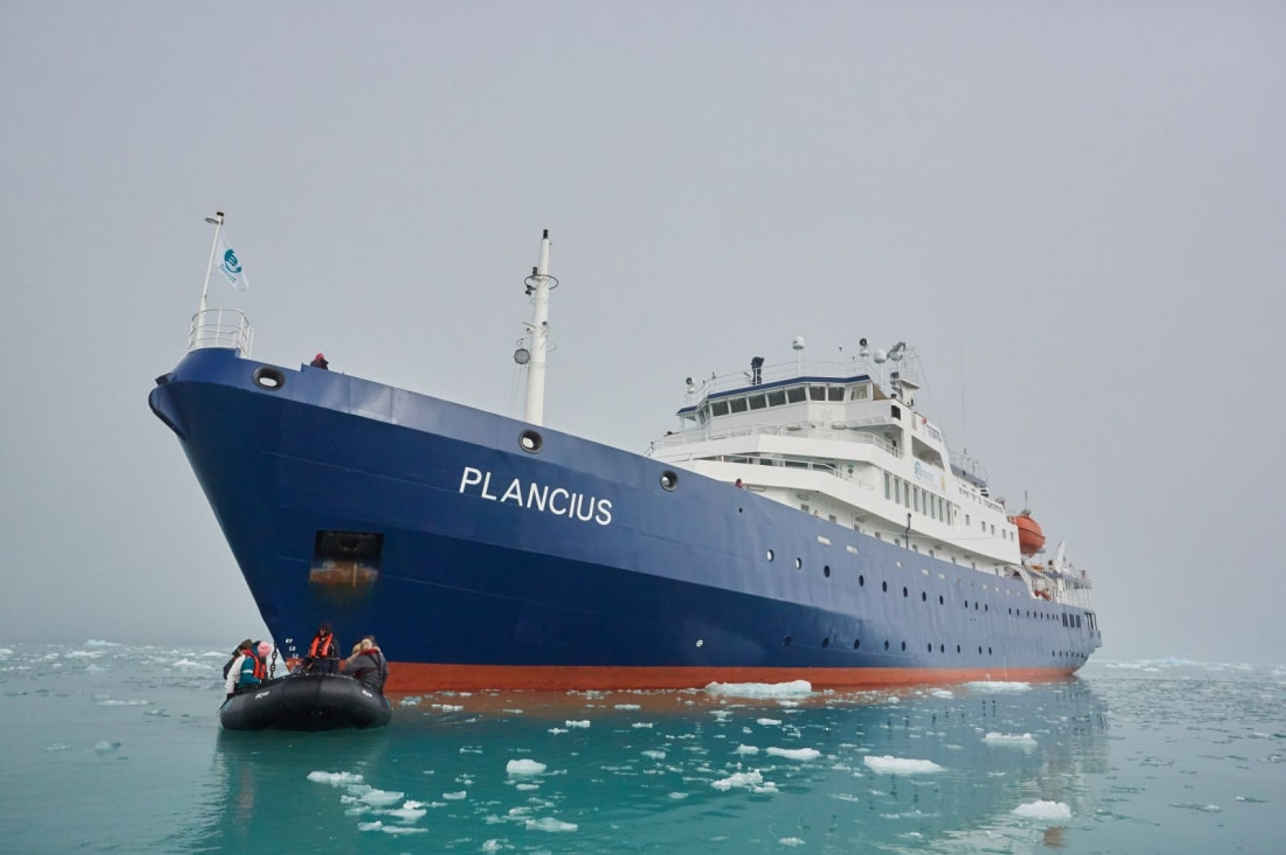
Plancius
Antarctica
108 guests89 m
$768/day
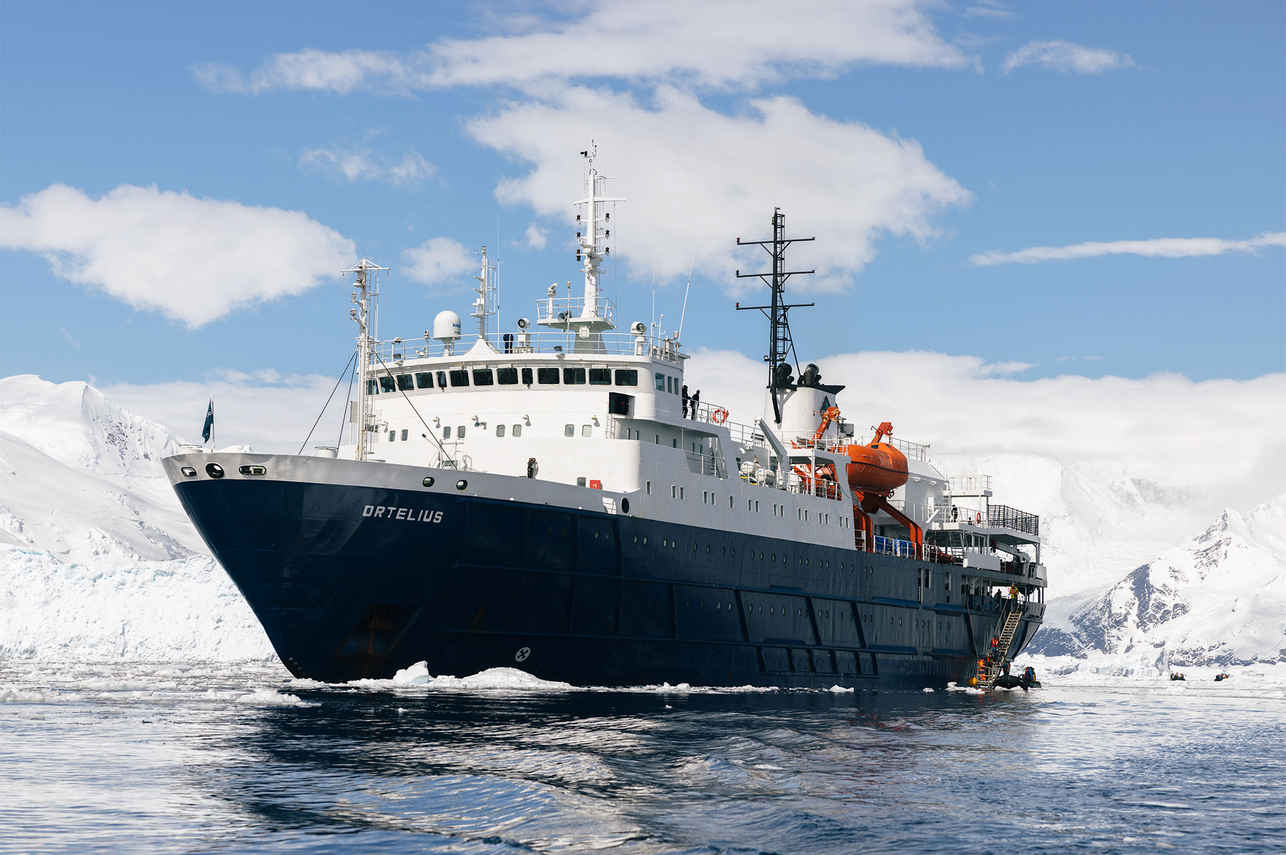
Ortelius
Antarctica
108 guests90.95 m
$658/day
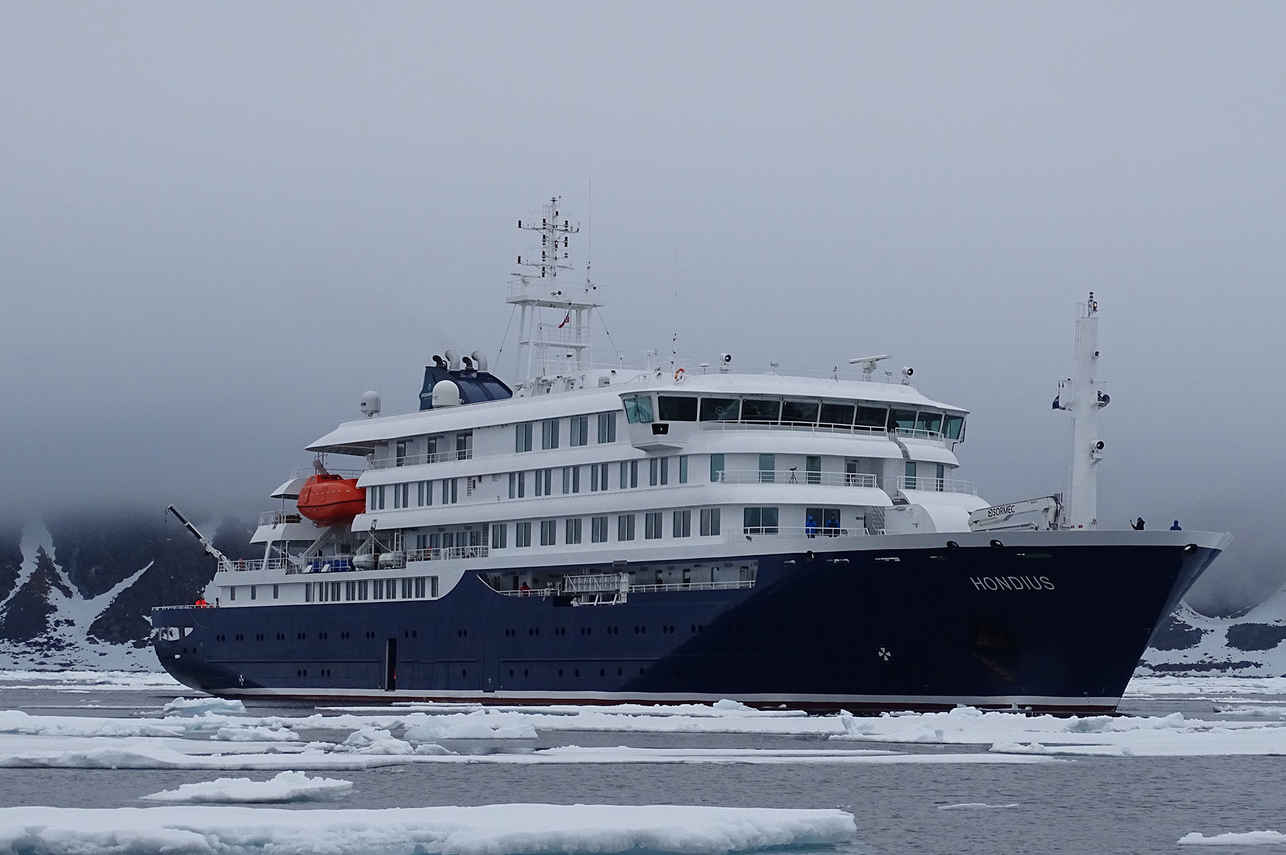
Hondius Antarctica Diving
Antarctica
170 guests107.6 m
$772/day
Dive sites similar to Deception Island - Whaler's Bay
Same character, same waters — six more sites divers love for the exact same reasons.Compare seasons, access and liveaboard routes — then pick the site that fits your trip best.
© Esri — Maxar, Earthstar, GIS
Argentine Islands - Vernadsky
Antarctica
Diving at the Argentine Islands, near the Vernadsky Research Base, offers an exclusive opportunity to explore the underwater world of the Antarctic Peninsula.
- Suitable for
- Advanced
- Current
- Strong
- Access
- Liveaboard only
- Depth
- 3–15 m
- Theme
- Ice / Reef
© Esri — Maxar, Earthstar, GIS
Lemaire Channel
Antarctica
Lemaire Channel, a narrow passage between the Antarctic mainland and Booth Island, presents a truly majestic and impressive dive experience.
- Suitable for
- Advanced
- Current
- Strong
- Access
- Liveaboard only
- Depth
- 5–30 m
- Theme
- Ice / Wall
© Esri — Maxar, Earthstar, GIS
Useful Island
Antarctica
Useful Island, situated in the Western Antarctic Peninsula, presents an extraordinary opportunity for intrepid divers to explore a shallow-water ecosystem brimming with biodiversity.
- Suitable for
- Advanced
- Current
- Strong
- Access
- Liveaboard only
- Depth
- 5–25 m
- Theme
- Ice / Wall
© Esri — Maxar, Earthstar, GIS
Wilhelmina Bay
Antarctica
Wilhelmina Bay, nestled in the Antarctic Peninsula, is renowned as a prime location for observing humpback whales and experiencing the continent's pristine marine environment.
- Suitable for
- Advanced
- Current
- Moderate
- Access
- Liveaboard only
- Depth
- 5–20 m
- Theme
- Ice / Wall
© Esri — Maxar, Earthstar, GIS
Enterprise Island - Wreck Gouvernøren
Antarctica
The wreck of the Gouvernøren, nestled at Enterprise Island, stands as Antarctica's most accessible and atmospheric shipwreck.
- Suitable for
- Advanced
- Current
- Mild
- Access
- Liveaboard only
- Depth
- 5–18 m
- Theme
- Ice / Wreck
© Esri — Maxar, Earthstar, GIS
Foyn Harbour
Antarctica
Foyn Harbour, situated off the coast of the Antarctic Peninsula, offers a truly unique underwater experience, primarily centered around the wreck of the 'Gouvernøren'.
- Suitable for
- Advanced
- Current
- Mild
- Access
- Liveaboard only
- Depth
- 5–15 m
- Theme
- Ice / Wreck