About Lemaire Channel
Lemaire Channel, a narrow passage between the Antarctic mainland and Booth Island, presents a truly majestic and impressive dive experience. This iconic channel, sometimes referred to as the "Kodak Gap" for its stunning photographic opportunities, is approximately 7 miles long but narrows to about 1700 yards at its tightest point. Divers here explore an environment sculpted by immense ice formations, where the geological grandeur above the surface continues beneath the waves. The topography is characterized by snow-covered peaks that plunge into the ocean, flanked by breathtaking glaciers and icebergs that can stretch over a mile. Underwater, divers navigate through an ethereal world of ice, with shifting sunlight creating a surreal blue glow. The depths here reveal unique marine life thriving in the frigid waters, from colorful anemones and soft corals clinging to volcanic rock to various species of fish and invertebrates. The dive season aligns with the Antarctic summer, from November to March, when the increased light penetrates the water, enhancing visibility and revealing the rich biodiversity. This period also offers opportunities to encounter larger marine animals attracted by abundant krill, including various seals and penguins. Diving here is an expedition into an untouched wilderness, demanding experience and preparation but rewarding with unparalleled sights. Practical diving involves careful navigation around icebergs and consideration of often dynamic conditions. Dives are typically conducted from Zodiacs, with sites often including iceberg walls or shallow ice dives. The experience is intimate, often with dive guides spotting from the surface, allowing divers to explore this unique polar realm in buddy pairs.
Highlights
Iceberg formationsTowering glaciersVibrant macro lifeLeopard seal encountersPenguin observationsEthereal blue light underwater
Season calendar
Best months to dive here
Jan
Feb
Mar
Apr
May
Jun
Jul
Aug
Sep
Oct
Nov
Dec
Excellent
Good
Off-Season
Dec – Feb
Antarctic summer with 20+ hours of daylight. Best ice diving conditions. Penguin breeding colonies.
Mar & Nov
Early/late season with dramatic ice formations. Whale encounters increase in March.
Apr – Oct
Antarctic winter. No expedition vessels operate. Extreme cold makes diving impossible.
Dive site facts: Lemaire Channel
- Depth
- 5–20 m
- Typical dive
- 10–18 m, 30–50 min
- Current
- Mild to moderate
- Visibility
- 12–240 m
- Water temperature
- -2–2 °C
- Entry
- Zodiac / negative entry
- Level
- Advanced Drysuit Diver
- Dive type
- Iceberg, wall, macro
- Night dive
- Not typically offered
- Region / port
- Antarctic Peninsula
- Coordinates
- -65.0667, -63.95
Conditions & Currents
Currents within Lemaire Channel can be variable, often influenced by the movement of ice and tides, requiring divers to be attentive to conditions. While some areas may have little current, other sections, particularly narrower passages, can experience stronger flows. Visibility can fluctuate significantly, ranging from crystal clear, reaching hundreds of feet early in the season, to hazier conditions later due to plankton blooms or meltwater from icebergs. Divers should be prepared for cold water, typically between -2 to 2 degrees Celsius, and practice precise buoyancy control to avoid contact with the fragile underwater environment. Entry and exit are primarily from Zodiacs, demanding efficient gear management and coordination with the dive team. All dives are subject to the prevailing weather and ice conditions, which can change rapidly and necessitate flexible planning.
Marine life & sighting chances

Leopard Seal
February–March · occasional
Crabeater Seal
November–December · occasional
Gentoo Penguin
common
Adélie Penguin
common
Giant Isopod
occasional
Starfish
common
Sea Urchin
common
Jellyfish
common
Sea Butterfly
occasional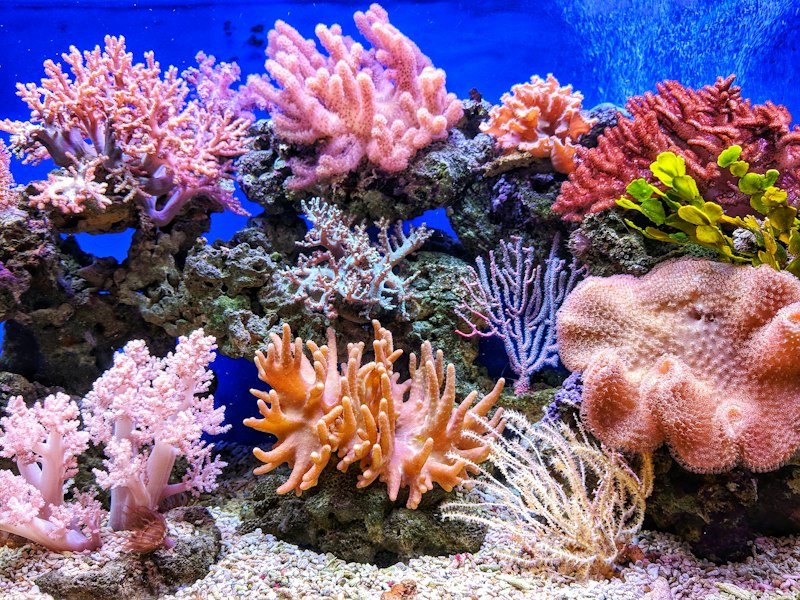
Soft Coral
common
Anemone
common
Dive profile & how the dive runs
Diving in Lemaire Channel typically begins with a backward roll entry from a Zodiac near an iceberg or a suitable wall. Divers proceed to explore the ice formations, often descending along the contours of an iceberg, observing its unique textures and the champagne-like bubbles fizzing from melting ice. The route may follow a shallow ice dive profile, allowing maximum time to appreciate the interplay of light through the ice and the vibrant macro life on the seabed. Depths usually remain conservative, generally between 5 to 20 meters, to minimize risks associated with the remote environment and cold. Turn points are often dictated by air consumption or environmental factors, such as shifting ice. The safety stop is conducted as standard, typically hovering at 5 meters, maintaining visual contact with the Zodiac, which serves as the primary exit point and surface support.
Underwater photography
Underwater photography in Lemaire Channel thrives on wide-angle lenses to capture the immense scale of icebergs and the dramatic light effects. The ethereal blue glow filtering through the ice creates unique lighting, so managing exposure for contrast can be challenging. External strobes are essential for bringing out the true colors of macro subjects like sponges, anemones, and starfish that cling to the volcanic rock or the undersides of ice. Due to the frigid water, battery life for cameras and strobes can deplete quickly, so ensure spares are well-insulated. Practicing impeccable buoyancy is paramount to avoid disturbing the delicate marine life and stirring up sediment. Remember that freshwater melt from icebergs can create unusual buoyancy shifts and hazy visibility, which can impact image clarity and require quick adjustments to your settings.
Combine with nearby dive sites
- Port Lockroy
Port Lockroy, located on Wiencke Island off the Antarctic Peninsula, offers an extraordinary cold-water diving experience amidst historical…
- Petermann Island
Petermann Island lies just south of the Lemaire Channel in Graham Land, Antarctica, making it a critical site for wildlife and an extreme…
- Iceberg Graveyard - Pleneau Island
The Iceberg Graveyard near Pleneau Island in Antarctica is a unique dive site renowned for its congregation of grounded icebergs.
- Danco Island
Danco Island, located in the Errera Channel off the Antarctic Peninsula, presents an unparalleled cold-water diving experience.
- Paradise Bay
Paradise Bay, located on the Antarctic Peninsula, offers divers a unique opportunity to explore a wilderness few will ever experience.
Getting there & logistics
Expeditions to Lemaire Channel typically depart from Ushuaia, Argentina, the southernmost city in the world, following flights into its international airport (USH). Trips are generally liveaboard-based, with durations varying from 10 to 14 days, often including crossings of the Drake Passage. Dive operations in Antarctica are highly regulated, and all diving is part of organized expeditions. There are no specific individual permits or fees for diving Lemaire Channel itself, as these are typically integrated into the overall expedition cost. It is common for Lemaire Channel to be part of itineraries exploring the Antarctic Peninsula and its surrounding islands, often combined with shore excursions to penguin colonies or Zodiac cruises to observe wildlife. Divers must ensure their chosen operator is experienced in polar diving and provides all necessary specialized equipment, with some items provided on board like weights.
Safety & environment
Diving in Lemaire Channel, like all Antarctic diving, requires stringent safety protocols due to the extreme conditions and remote location. The nearest recompression chambers are thousands of kilometers away, making deep or decompression dives highly inadvisable. Comprehensive dive insurance that covers cold-water diving, emergency evacuation, and hyperbaric treatment is mandatory. Divers must be drysuit certified with significant cold-water experience and possess excellent buoyancy control. A thorough check-dive is typically required to assess individual weighting and comfort. Ice conditions can change rapidly, potentially impacting entry and exit points, so maintaining situational awareness and adherence to dive guide instructions is critical. All divers must carry a knife and a light, and maintain contact with their buddy, as dive guides generally monitor from the surface. Respect for marine life, especially large predators like leopard seals, is paramount, and maintaining a safe distance is crucial.
Who it suits — and who it doesn't
Suited for
- Experienced drysuit divers
- Cold-water diving enthusiasts
- Underwater photographers with wide-angle setups
- Divers seeking unique expedition experiences
- Individuals with excellent buoyancy control
Less suited for
- Beginner divers
- Divers without extensive drysuit experience
- Those prone to seasickness on liveaboards
- Warm-water-only divers
- Divers unwilling to adhere to strict safety protocols
FAQ
Lemaire Channel FAQ
What kind of marine life can I expect to see in Lemaire Channel?
In Lemaire Channel, you can encounter a diverse array of marine life, including various species of starfish, sea urchins, soft corals, and anemones clinging to the seabed. There are also opportunities to spot unique Antarctic fish, jellyfish, and even the occasional sea butterfly. Larger animals like leopard seals and penguins are often observed, especially when attracted by krill blooms.
Is diving in Lemaire Channel suitable for all divers?
No, diving in Lemaire Channel is specifically for experienced drysuit divers with a strong background in cold-water conditions. Divers typically need at least 30 logged drysuit dives and robust cold-water experience. The remote nature of the site and the challenging environment mean it is not suitable for beginners or those uncomfortable with extreme conditions.
What is the typical water temperature in Lemaire Channel?
The water temperature in Lemaire Channel is consistently cold, generally ranging between -2 to 2 degrees Celsius (28 to 36 degrees Fahrenheit). This frigid environment necessitates specialized cold-water diving equipment, including a drysuit with multiple layers of undergarments and freeze-protected regulators, to ensure diver comfort and safety.
How clear is the visibility in Lemaire Channel?
Visibility in Lemaire Channel can be exceptional, sometimes reaching up to 240 meters (985 feet) early in the season before plankton blooms. However, it can fluctuate based on the amount of pack ice, meltwater from icebergs, and the presence of marine life. Average visibility during the dive season is often cited between 12 to 24 meters (40-80 feet).
What are the common entry and exit methods for diving here?
For dives in Lemaire Channel, the common method involves entering the water from Zodiacs, often using a backward roll. Exiting is typically back onto the Zodiacs. Given the variable conditions, including potential currents and shifting ice, precise coordination with the dive guides and swift entry and exit procedures are essential for diver safety and efficiency.
Why dive Lemaire Channel from a liveaboard?
Lemaire Channel is one of Antarctica's signature dive sites. A liveaboard sleeps you on the water and puts you in the water for three to four guided dives per day, including dawn and night dives that day-boat operators rarely offer. You skip the daily commute back to port and reach quieter, less-crowded sites in the same region on a single trip.
Below are the liveaboards that include Lemaire Channel on their Antarctica itineraries.
Liveaboards diving Lemaire Channel
These liveaboards may visit Lemaire Channel on selected itineraries — the exact dive sites depend on departure, weather and conditions.
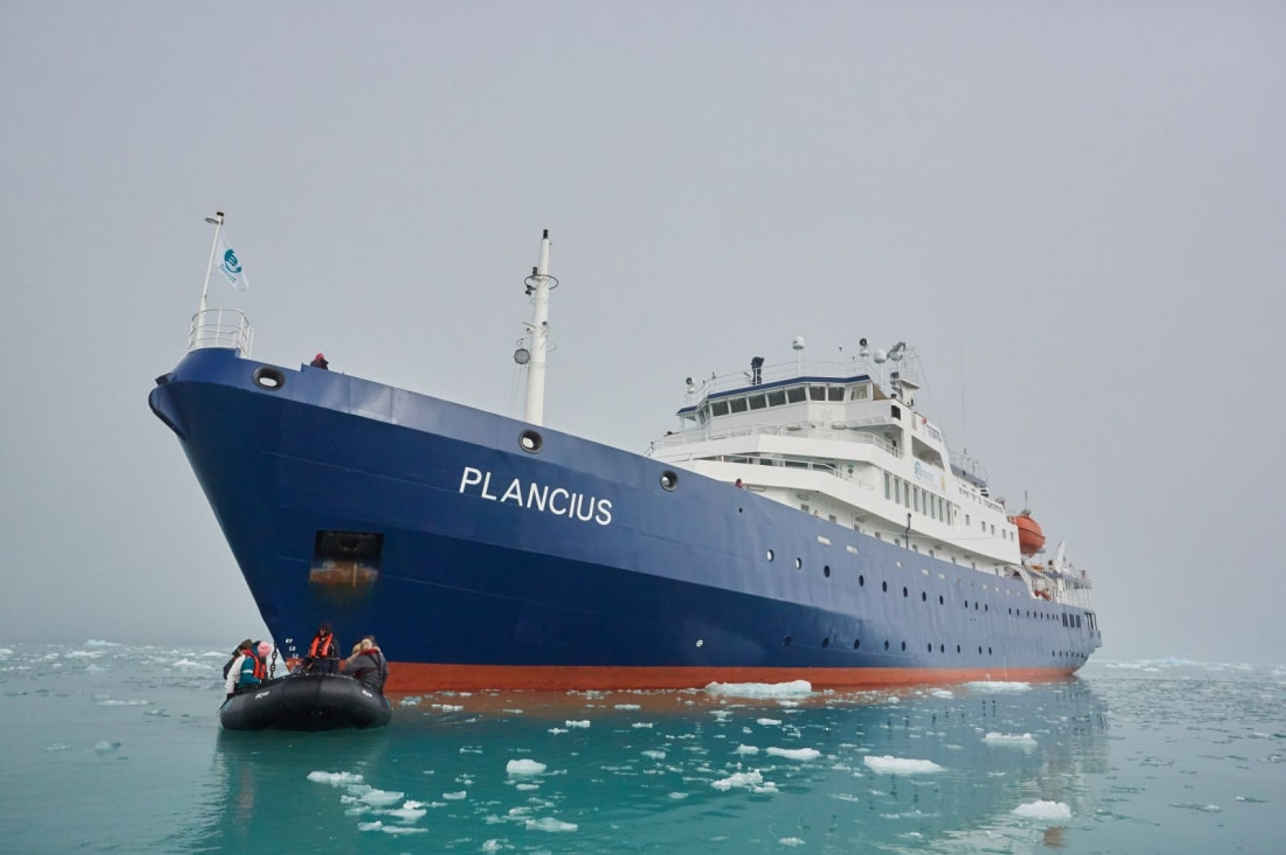
Plancius
Antarctica
108 guests89 m
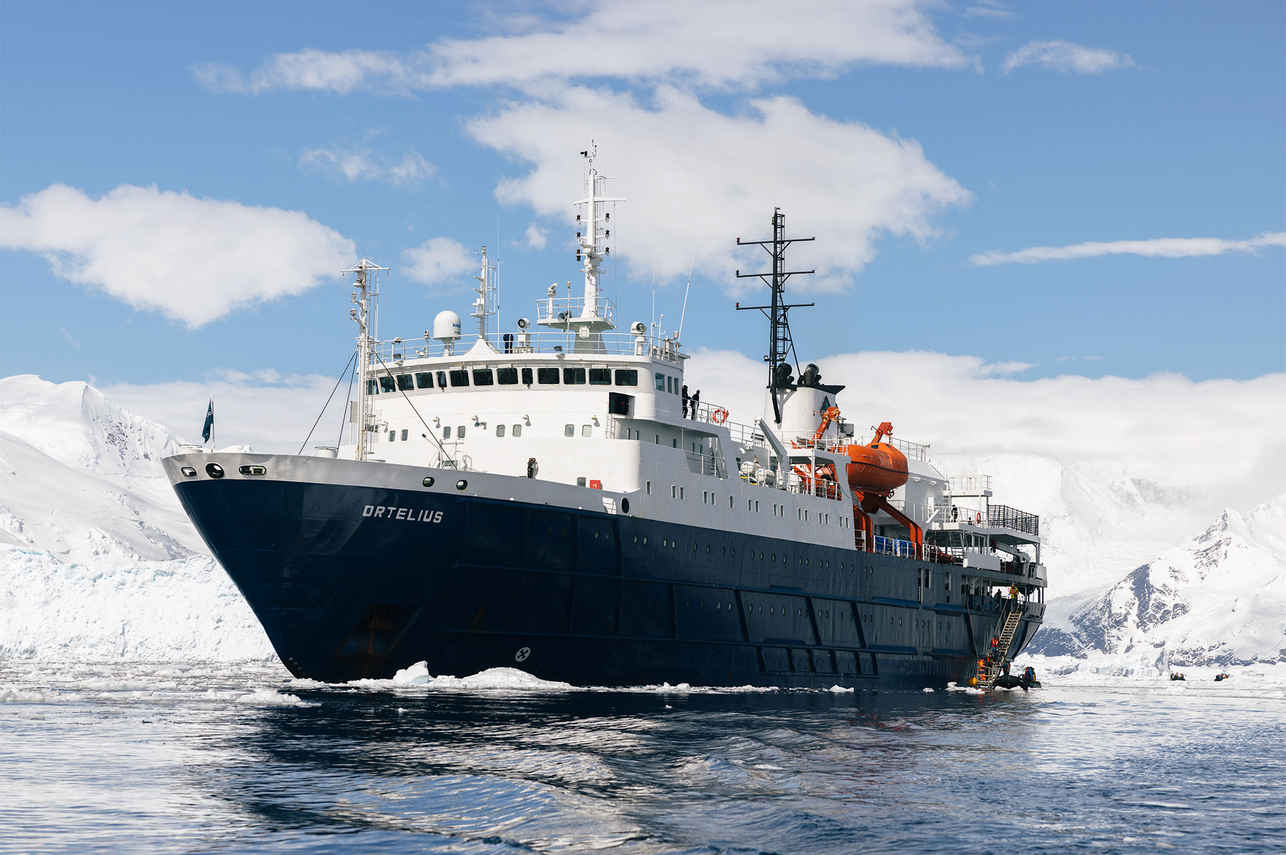
Ortelius
Antarctica
108 guests91 m
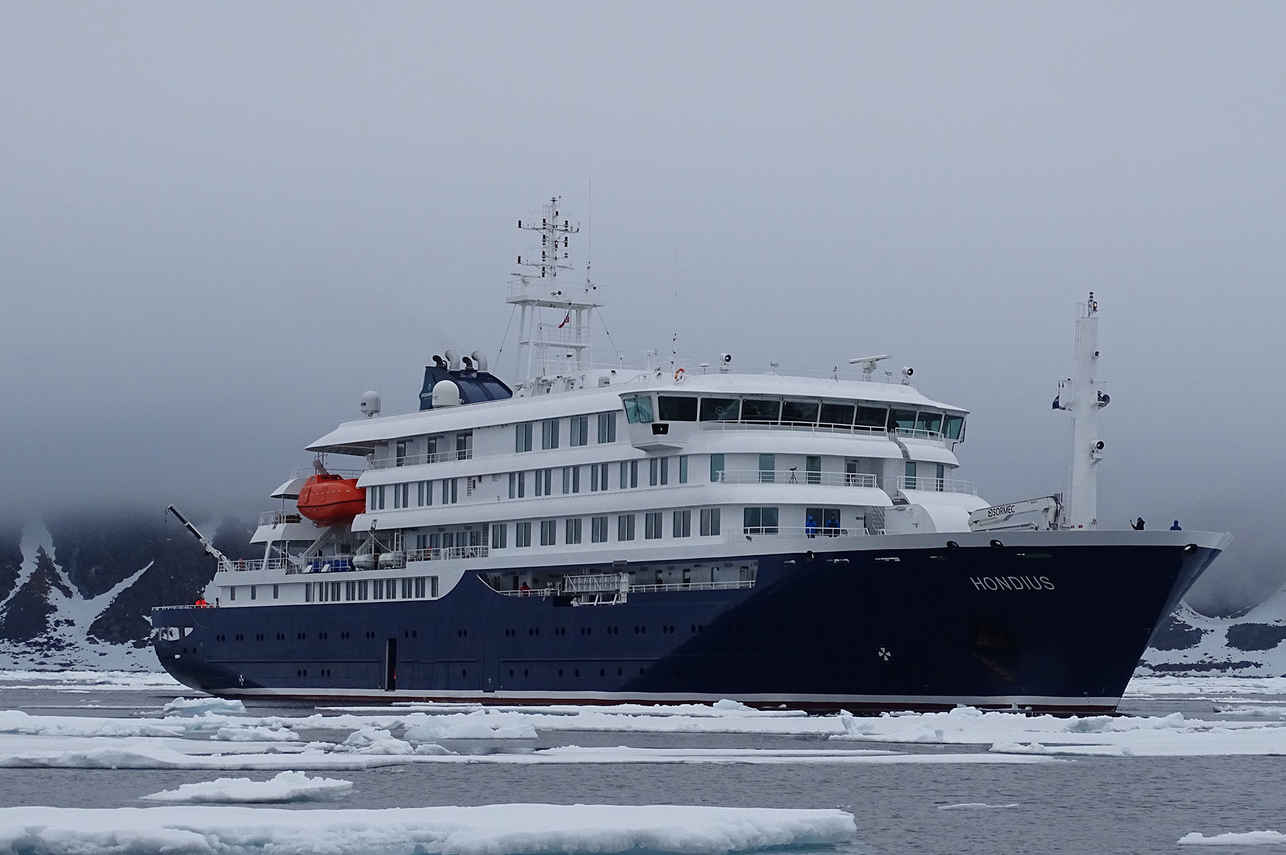
Hondius Antarctica Diving
Antarctica
170 guests108 m
Dive sites similar to Lemaire Channel
Same character, same waters — six more sites divers love for the exact same reasons.Compare seasons, access and liveaboard routes — then pick the site that fits your trip best.
© Esri — Maxar, Earthstar, GIS
Antarctic Peninsula Ice Diving
Antarctica
Diving in the Antarctic Peninsula offers an unparalleled adventure into a remote, extreme environment, revealing an ecosystem thriving beneath the ice.
- Suitable for
- Expert
- Current
- Moderate
- Access
- Liveaboard only
- Depth
- 5–25 m
- Theme
- —
© Esri — Maxar, Earthstar, GIS
Argentine Islands - Vernadsky
Antarctica
Diving at the Argentine Islands, near the Vernadsky Research Base, offers an exclusive opportunity to explore the underwater world of the Antarctic Peninsula.
- Suitable for
- Advanced
- Current
- Strong
- Access
- Liveaboard only
- Depth
- 3–15 m
- Theme
- Ice / Reef
© Esri — Maxar, Earthstar, GIS
Brown Bluff
Antarctica
Brown Bluff is a distinctive dive site located at the tip of the Antarctic Peninsula, renowned for its dramatic reddish-brown cliffs formed by subglacial eruptions.
- Suitable for
- Advanced
- Current
- Ripping
- Access
- Liveaboard only
- Depth
- 5–22 m
- Theme
- Ice / Wall
© Esri — Maxar, Earthstar, GIS
Cuverville Island
Antarctica
Cuverville Island, nestled within the Errera Channel off the Antarctic Peninsula, presents an exceptional opportunity for polar diving.
- Suitable for
- Advanced
- Current
- Strong
- Access
- Liveaboard only
- Depth
- 3–15 m
- Theme
- Ice / Reef
© Esri — Maxar, Earthstar, GIS
Danco Island
Antarctica
Danco Island, located in the Errera Channel off the Antarctic Peninsula, presents an unparalleled cold-water diving experience.
- Suitable for
- Intermediate
- Current
- Moderate
- Access
- Liveaboard only
- Depth
- 3–12 m
- Theme
- Ice / Reef
© Esri — Maxar, Earthstar, GIS
Deception Island - Whaler's Bay
Antarctica
Deception Island, located in the South Shetland Islands of Antarctica, is an active submerged caldera volcano.
- Suitable for
- Advanced
- Current
- Moderate
- Access
- Liveaboard only
- Depth
- 5–30 m
- Theme
- Ice