About Port Lockroy
Port Lockroy, located on Wiencke Island off the Antarctic Peninsula, offers an extraordinary cold-water diving experience amidst historical whaling station remnants and abundant wildlife. This unique site allows divers to explore an underwater landscape sculpted by ice, featuring depths up to 20 meters, with rock walls, kelp forests, and soft corals. The area is a hub of Antarctic marine biodiversity, attracting a dense concentration of krill that supports larger predators. Diving here presents an opportunity to witness diverse invertebrates such as sea spiders, anemones, and various starfish species, often found on the seafloor or clinging to ice structures. The nutrient-rich waters also attract charismatic megafauna like curious seals and agile penguins, frequently seen both above and below the surface. Visibility can fluctuate but often provides clear views of the vibrant sub-ice world. Expeditions to Port Lockroy are typically part of a broader Antarctic liveaboard itinerary, offering a blend of underwater exploration and topside wildlife viewing. Divers must be highly experienced in cold-water conditions, proficient in drysuit use, and prepared for the dynamic, remote environment. Each dive here is an expedition into an extreme yet beautiful frontier, far removed from conventional dive sites.
Highlights
Historic whaling station remnantsIce-sculpted underwater topographyDense marine invertebrate lifeClose encounters with sealsPenguins diving underwaterVibrant soft coralsAntarctic kelp forests
Season calendar
Best months to dive here
Jan
Feb
Mar
Apr
May
Jun
Jul
Aug
Sep
Oct
Nov
Dec
Excellent
Good
Dive site facts: Port Lockroy
- Depth
- 5–20 m
- Typical dive
- 10–20 m, 20–30 min
- Current
- Mild, can be affected by ice movement
- Visibility
- 15–25 m
- Water temperature
- -2°C to 2°C (28°F–36°F)
- Entry
- Zodiac / negative entry
- Level
- Advanced (drysuit certified, 30+ cold-water dives below 4°C)
- Dive type
- Ice diving, wall diving, macro, wide-angle
- Night dive
- Not typical / Not permitted
- Region / port
- Antarctic Peninsula
- Coordinates
- -64.823, -63.495
Conditions & Currents
Currents at Port Lockroy are generally mild, yet unpredictable ice movements can influence the local water flow. Divers should be prepared for potential shifts in conditions, especially near ice formations, which can alter entry and exit points. Visibility typically ranges from 15 to 25 meters, but can decrease significantly due to plankton blooms, glacial melt, or unsettled weather. Water temperatures consistently hover between -2°C and 2°C, necessitating advanced drysuit proficiency and a thorough understanding of cold-water diving techniques to manage thermal protection and gear performance. Dive guides often monitor conditions closely from the surface, acting as spotters to ensure diver safety in this remote environment.
Marine life & sighting chances

Weddell Seal
November-March · common
Leopard Seal
February-March · occasional
Gentoo Penguin
November-March · commonKrill
November-December · common
Sea Spider
November-March · common
Sea Anemone
November-March · common
Starfish
November-March · common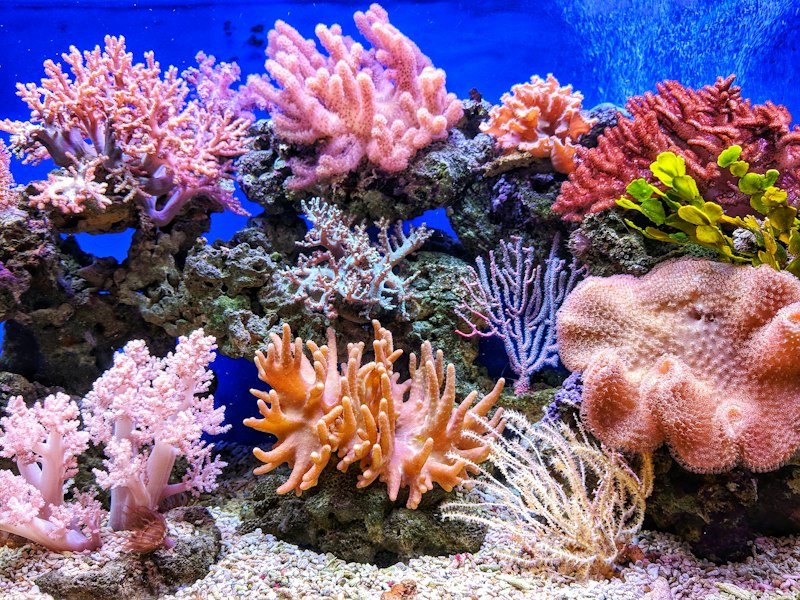
Soft Coral
November-March · occasional
Sea Urchin
November-March · common
Kelp
November-March · common
Jellyfish
November-March · occasional
Icefish
November-March · occasionalDive profile & how the dive runs
Dives at Port Lockroy typically begin with a zodiac deployment, often a negative entry due to the cold and rapid descent required. The route often follows the contours of the ice-sculpted rock walls, moving to depths between 5 and 20 meters. Divers explore the seafloor adorned with vibrant anemones, sponges, and sea stars, occasionally encountering the remains of whale bones. The dive progresses along the wall, observing crevices and overhangs where smaller marine life congregates. The turn point is determined by air consumption and bottom time, with an emphasis on conservative profiles due to the remote location. Safety stops are conducted in the shallower water, typically around 5 meters, often amidst kelp forests, allowing for observation of curious penguins or seals before ascending back to the zodiac.
Underwater photography
Underwater photography at Port Lockroy offers unique opportunities for both wide-angle and macro shots, given the diverse subjects. For wide-angle, a dome port and external strobes are essential to capture the ethereal blue light filtering through ice and the grandeur of ice formations or large animal encounters. Patience is key when photographing seals or penguins, maintaining a respectful distance and waiting for them to approach. For macro photography, focus on the intricate details of sea spiders, nudibranchs, and colourful anemones that adorn the rocks and kelp. Due to the extreme cold, ensure your camera housing is well-maintained and that batteries are fully charged, as they drain quickly. Good buoyancy control is critical to avoid disturbing the fragile benthic life and to maintain stable shots in potentially surge-affected areas. Practice with dry gloves and thick wetsuit mittens to ensure fine motor control over camera settings.
Combine with nearby dive sites
- Neko Harbour
Neko Harbour, nestled on the Antarctic Peninsula, offers divers a truly immersive experience in a pristine polar environment.
- Danco Island
Danco Island, located in the Errera Channel off the Antarctic Peninsula, presents an unparalleled cold-water diving experience.
- Deception Island - Whaler's Bay
Deception Island, located in the South Shetland Islands of Antarctica, is an active submerged caldera volcano.
- Paradise Bay
Paradise Bay, located on the Antarctic Peninsula, offers divers a unique opportunity to explore a wilderness few will ever experience.
- Cuverville Island
Cuverville Island, nestled within the Errera Channel off the Antarctic Peninsula, presents an exceptional opportunity for polar diving.
Getting there & logistics
Access to Port Lockroy is exclusively via liveaboard expedition vessels, departing primarily from Ushuaia, Argentina. Flights into Ushuaia (USH) typically connect through Buenos Aires or Santiago, with a 3–4 hour flight from the former. Upon arrival, a quick 5–10 minute taxi ride will take you from the airport to the port. Antarctic diving trips are all-inclusive liveaboard packages, typically ranging from 11 to 16 days, which includes the 2–3 day crossing of the Drake Passage each way. There is no shore-based diving in Antarctica, and all dives launch from zodiacs. It's advisable to factor in buffer nights in Ushuaia before and after your expedition to account for potential weather-related delays.
Safety & environment
Diving in Antarctica, especially at remote sites like Port Lockroy, carries inherent risks due to the extreme environment. The nearest recompression chamber is thousands of miles away, emphasizing the critical importance of conservative dive profiles and strict adherence to no-decompression limits. Comprehensive dive insurance, including coverage for remote medical evacuation, is mandatory. Site-specific hazards include unpredictable ice movements that can affect entry/exit points, the risk of regulator free-flow in extreme cold, and the potential for hypothermia if drysuit integrity is compromised. Divers must be self-sufficient, proficient in drysuit skills, and follow all instructions from experienced dive guides, who typically remain on the surface for safety oversight.
Who it suits — and who it doesn't
Suited for
- Experienced cold-water divers with drysuit certification
- Divers with 30+ recent cold-water dives below 4°C
- Adventure seekers prepared for remote expedition diving
- Photographers seeking unique wide-angle and macro opportunities
- Individuals with a high tolerance for dynamic weather and ice conditions
Less suited for
- Beginner divers or those without extensive drysuit experience
- Divers prone to seasickness on rough crossings
- Individuals expecting guaranteed dive schedules (ice conditions dictate flexibility)
- Warm-water-only divers
- Those who require immediate access to recompression facilities
FAQ
Port Lockroy FAQ
What marine life can I expect to see at Port Lockroy?
At Port Lockroy, divers frequently encounter Weddell seals and various penguin species, along with a rich invertebrate community. Expect to see colourful anemones, sea spiders, starfish, soft corals, and abundant krill, which forms the base of the Antarctic food web.
What are the water temperatures like at Port Lockroy?
Water temperatures at Port Lockroy consistently range between -2°C and 2°C (28°F–36°F). Drysuits are mandatory for diving here, along with multiple layers of thick undergarments to ensure adequate thermal protection in these frigid conditions.
Is Port Lockroy suitable for all diving levels?
No, diving at Port Lockroy is considered advanced. Divers must have extensive cold-water diving experience, be proficient with drysuit techniques, and have completed at least 30 cold-water dives below 4°C within the last two years. A medical clearance is also required.
How clear is the visibility at Port Lockroy?
Visibility at Port Lockroy typically ranges from 15 to 25 meters (50–80 feet). However, it can occasionally drop due to factors such as plankton blooms, glacial melt, or unsettled conditions. The best visibility is usually experienced during the peak summer months.
What specific equipment is required for diving at Port Lockroy?
Essential equipment includes a drysuit with thick undergarments, dry gloves, and two independent, freeze-protected regulator sets. You will also need a quick-release BCD, depth gauge, computer, compass, and an air-pressure gauge for each regulator. A knife and flashlight are also recommended.
How are dives conducted at Port Lockroy?
Dives are always launched from zodiacs, often utilizing a negative entry. Divers typically explore depths rarely exceeding 20 meters, following conservative dive profiles. A buddy system is strictly enforced, and dive guides remain on the surface to monitor divers and ensure safety.
Why dive Port Lockroy from a liveaboard?
Port Lockroy is one of Antarctica's signature dive sites. A liveaboard sleeps you on the water and puts you in the water for three to four guided dives per day, including dawn and night dives that day-boat operators rarely offer. You skip the daily commute back to port and reach quieter, less-crowded sites in the same region on a single trip.
Below are the liveaboards that include Port Lockroy on their Antarctica itineraries.
Liveaboards diving Port Lockroy
These liveaboards may visit Port Lockroy on selected itineraries — the exact dive sites depend on departure, weather and conditions.
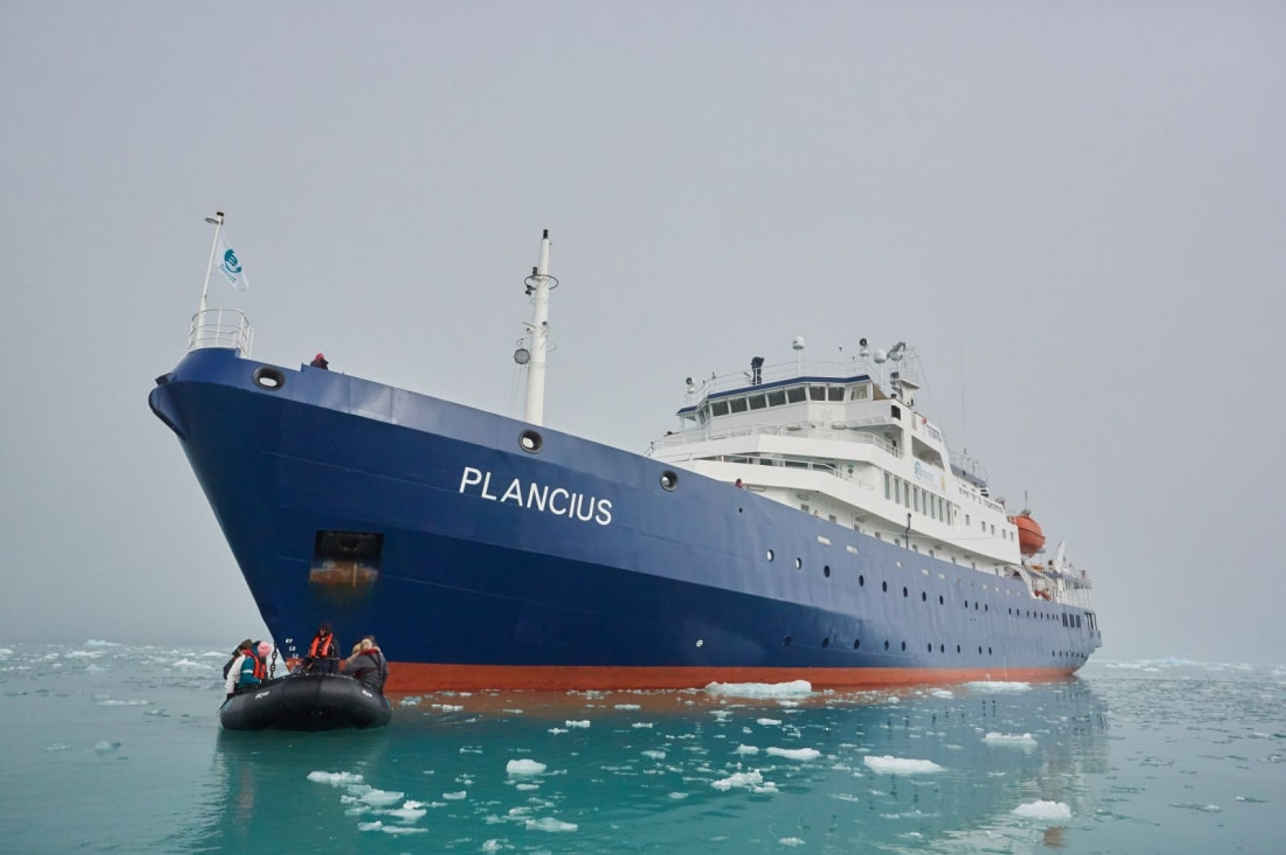
Plancius
Antarctica
108 guests89 m
$768/day
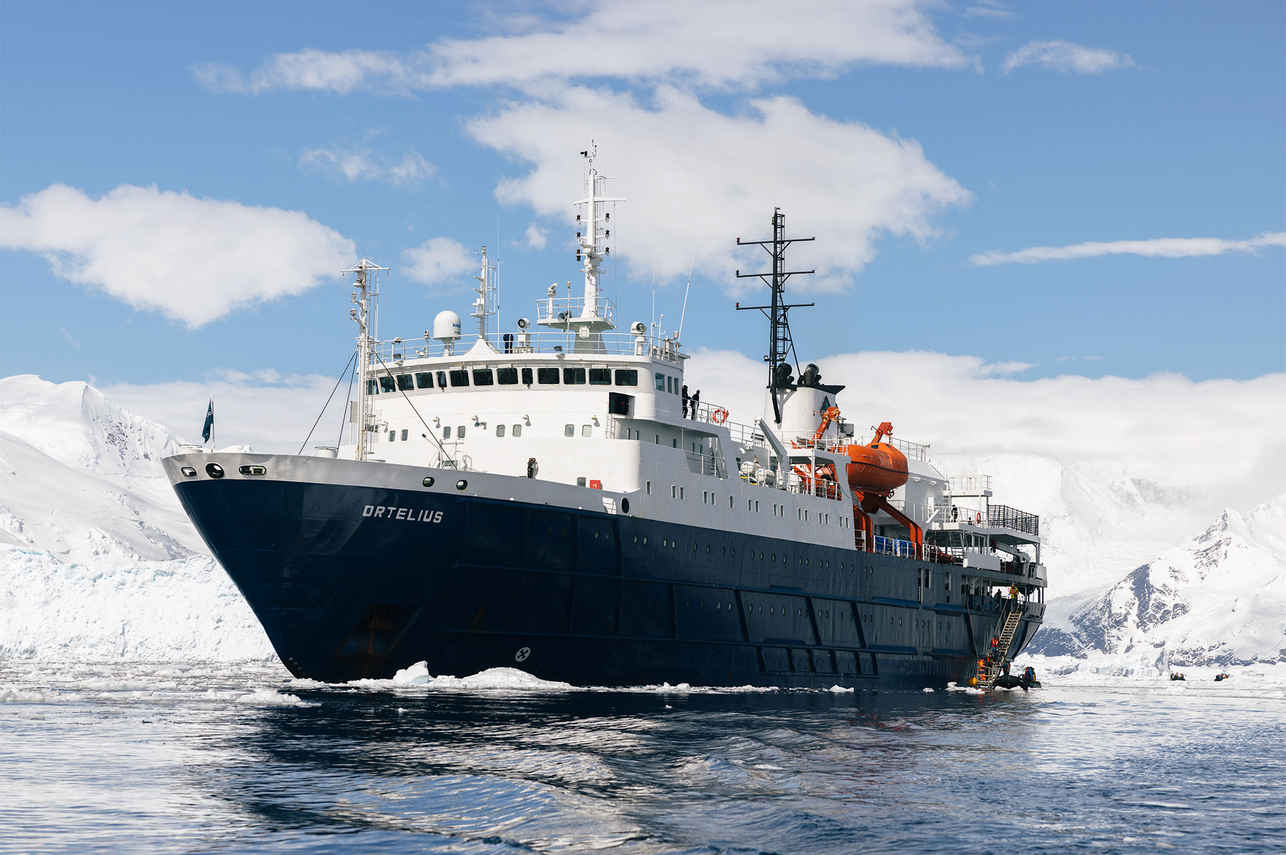
Ortelius
Antarctica
108 guests90.95 m
$658/day
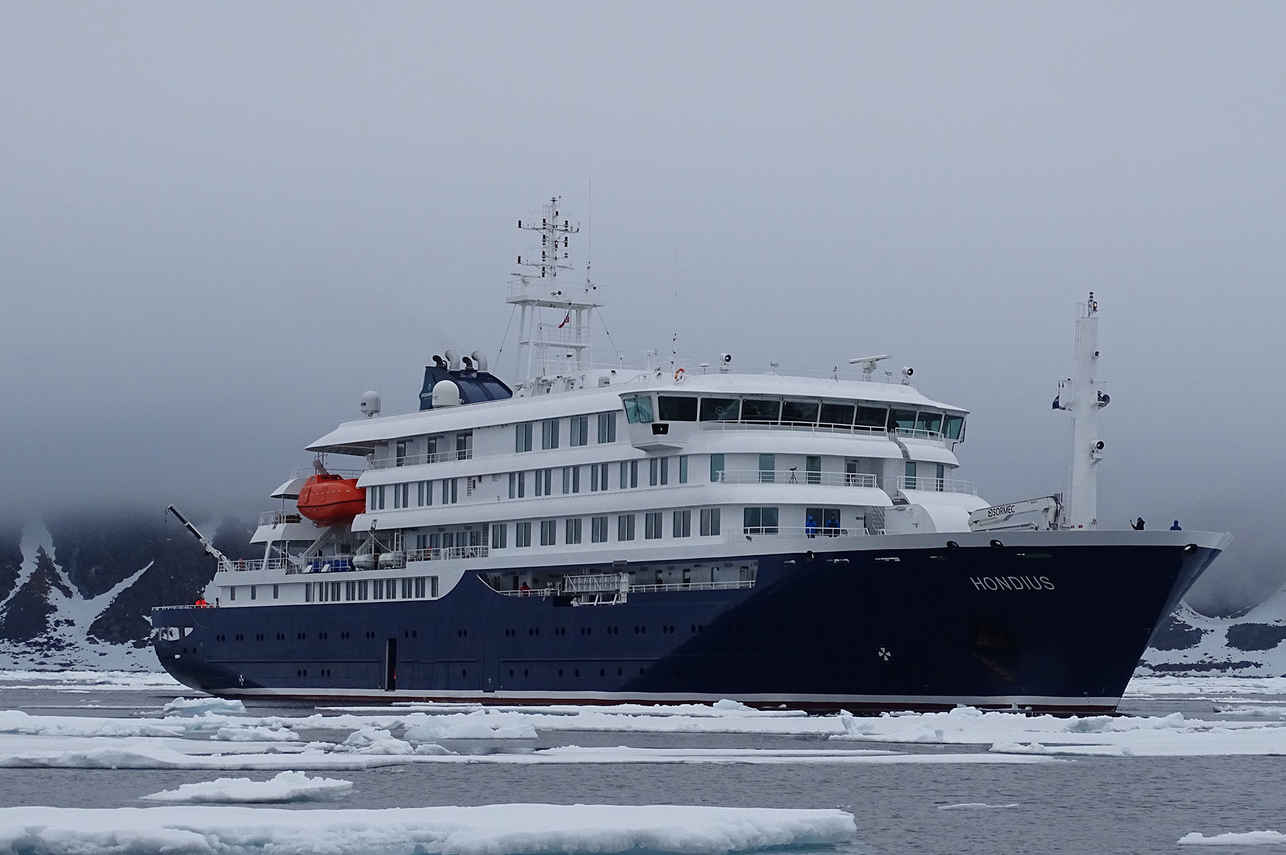
Hondius Antarctica Diving
Antarctica
170 guests107.6 m
$772/day
Dive sites similar to Port Lockroy
Same character, same waters — six more sites divers love for the exact same reasons.Compare seasons, access and liveaboard routes — then pick the site that fits your trip best.
© Esri — Maxar, Earthstar, GIS
Argentine Islands - Vernadsky
Antarctica
Diving at the Argentine Islands, near the Vernadsky Research Base, offers an exclusive opportunity to explore the underwater world of the Antarctic Peninsula.
- Suitable for
- Advanced
- Current
- Strong
- Access
- Liveaboard only
- Depth
- 3–15 m
- Theme
- Ice / Reef
© Esri — Maxar, Earthstar, GIS
Lemaire Channel
Antarctica
Lemaire Channel, a narrow passage between the Antarctic mainland and Booth Island, presents a truly majestic and impressive dive experience.
- Suitable for
- Advanced
- Current
- Strong
- Access
- Liveaboard only
- Depth
- 5–30 m
- Theme
- Ice / Wall
© Esri — Maxar, Earthstar, GIS
Useful Island
Antarctica
Useful Island, situated in the Western Antarctic Peninsula, presents an extraordinary opportunity for intrepid divers to explore a shallow-water ecosystem brimming with biodiversity.
- Suitable for
- Advanced
- Current
- Strong
- Access
- Liveaboard only
- Depth
- 5–25 m
- Theme
- Ice / Wall
© Esri — Maxar, Earthstar, GIS
Wilhelmina Bay
Antarctica
Wilhelmina Bay, nestled in the Antarctic Peninsula, is renowned as a prime location for observing humpback whales and experiencing the continent's pristine marine environment.
- Suitable for
- Advanced
- Current
- Moderate
- Access
- Liveaboard only
- Depth
- 5–20 m
- Theme
- Ice / Wall
© Esri — Maxar, Earthstar, GIS
under the iceberg scour
Antarctica
Diving in Antarctica offers a unique experience beneath its frigid waters, a stark contrast to typical warm-water destinations.
- Suitable for
- Advanced
- Current
- Moderate
- Access
- Liveaboard only
- Depth
- ≤ 70 m
- Theme
- Reef
© Esri — Maxar, Earthstar, GIS
Enterprise Island - Wreck Gouvernøren
Antarctica
The wreck of the Gouvernøren, nestled at Enterprise Island, stands as Antarctica's most accessible and atmospheric shipwreck.
- Suitable for
- Advanced
- Current
- Mild
- Access
- Liveaboard only
- Depth
- 5–18 m
- Theme
- Ice / Wreck