About Antarctic Peninsula Ice Diving
Diving in the Antarctic Peninsula offers an unparalleled adventure into a remote, extreme environment, revealing an ecosystem thriving beneath the ice. This destination is ideal for experienced cold-water divers seeking unique encounters with diverse marine species and breathtaking underwater ice structures. Often described as otherworldly, the region provides a stark contrast between its stark beauty above and the vibrant life below, accessible to those with specialized training and equipment. Daily dive locations are flexible, determined by prevailing weather, ice conditions, and other operational factors, ensuring a truly exploratory experience where few have ventured. The underwater topography frequently features dramatic ice formations, including the textured undersides of icebergs, and seafloors scoured by ice, alongside shelves teeming with a variety of invertebrate life. Depths typically range from 5 to 25 meters, though some scientific dives may extend deeper, up to 35 meters or more in specific conditions. Visibility can vary, often influenced by rich phytoplankton blooms that are fundamental to the Antarctic food web, leading to murkier conditions but also signaling abundant life. The marine environment teems with creatures uniquely adapted to the cold, including various types of seals, penguins, and an array of invertebrates like sea spiders, sponges, anemones, sea snails, sea urchins, starfish, and soft corals. These species create a surprisingly colourful and dynamic underwater landscape. Divers may also encounter krill swarms, jellyfish, and even leopard seals or fur seals, offering incredible wildlife interaction opportunities. Dive operations are conducted from expedition vessels, requiring divers to be proficient in drysuit techniques and comfortable with cold-water conditions. Sessions are generally limited to 15-30 minutes due to the extreme temperatures. Safety protocols are stringent, with careful planning for entry and exit points due to sh
Highlights
Underwater ice formationsPolar marine biodiversityEncounters with seals and penguinsUnique light phenomenaSeastar-clad seafloorWhale bones explorationUncharted dive locations
Season calendar
Best months to dive here
Jan
Feb
Mar
Apr
May
Jun
Jul
Aug
Sep
Oct
Nov
Dec
Good
Dive site facts: Antarctic Peninsula Ice Diving
- Depth
- 5–25 m
- Typical dive
- 15–30 min
- Current
- Mild to moderate, site-dependent
- Visibility
- 5–30 m
- Water temperature
- -1.89°C to 2°C
- Entry
- Zodiac / ice hole
- Level
- Advanced, drysuit experienced
- Dive type
- Ice, big animals, invertebrate
- Night dive
- Not typical
- Region / port
- Antarctic Peninsula
- Coordinates
- 64.8000° S, 62.8500° W
Conditions & Currents
Current conditions in the Antarctic Peninsula can be unpredictable and vary significantly by location and daily weather patterns. While some areas experience little current, others, particularly around ice formations or narrow passages, can have challenging flows. Divers must be prepared for the possibility of shifting ice, which can impact entry and exit points and create dynamic underwater environments. Visibility typically ranges from 5 to 30 meters, but can be reduced by plankton blooms. Water temperatures are consistently near freezing, at approximately -1.89°C to 2°C, necessitating robust cold-water gear and techniques to prevent equipment malfunctions, especially regulator free-flow. Due to the inherent risks and remote nature, a conservative dive plan, including limited depth and bottom time, is crucial, as there are no recompression chambers in the immediate region and emergency
Marine life & sighting chances
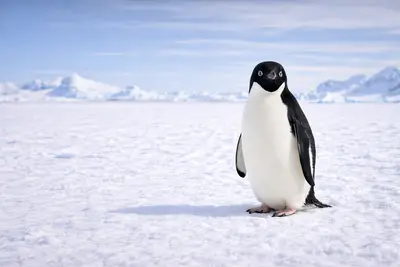
Adelie penguins
occasional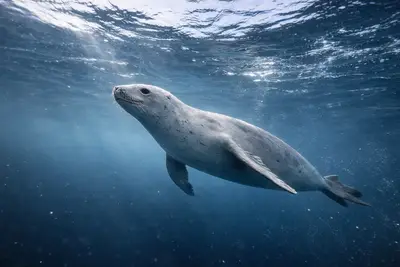
Crabeater seals
occasional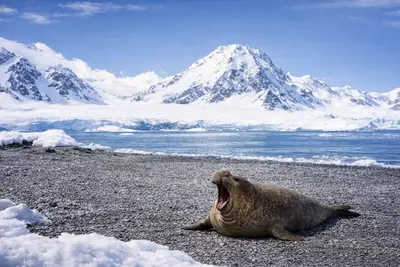
Elephant seals
occasional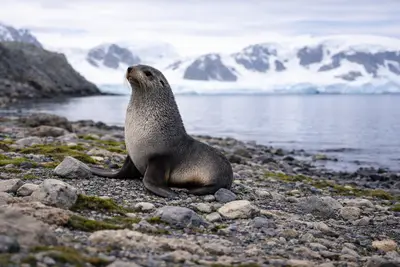
Fur seals
occasional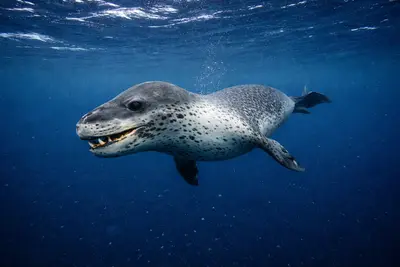
Leopard seals
occasional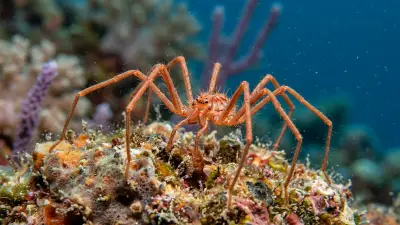
Sea spiders
common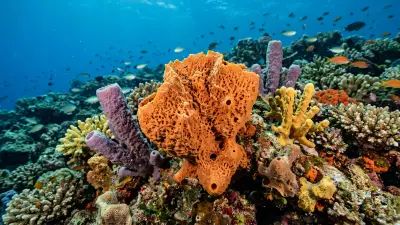
Sponges
common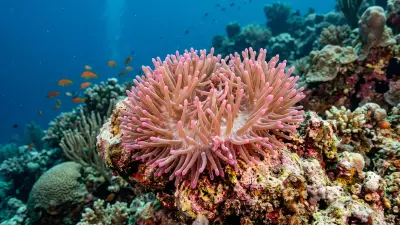
Anemones
common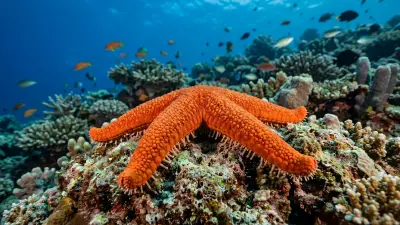
Sea stars
common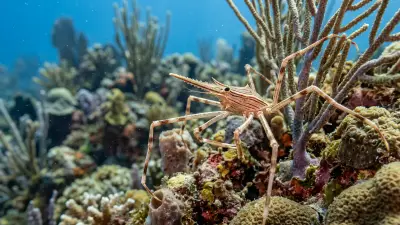
Crabs
occasional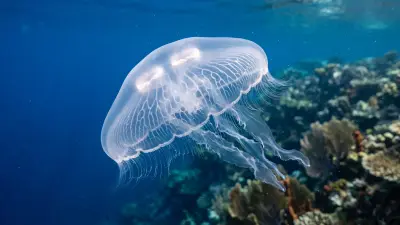
Jellyfish
occasionalIce fish
occasional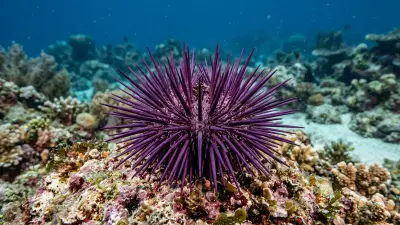
Sea urchins
commonAmphipods
commonDive profile & how the dive runs
Dives in the Antarctic Peninsula typically begin with a backwards entry from a Zodiac boat into the frigid water. Divers usually descend to a maximum depth of 25 meters, often exploring the underside of ice formations, volcanic shelves, or seastar-covered seafloors. The route often involves navigating through areas where diffuse light filters through blue ice, observing sessile invertebrates and crustaceans. Due to the cold and logistical considerations, typical dive times range from 15 to 30 minutes. Divers must constantly monitor their gas supply and body temperature. The ascent is generally slow, allowing for careful observation of the water column. Safety stops are executed in the shallow, well-lit areas near the ice edge or under the Zodiac, ensuring a conservative approach given the remote environment and lack of local recompression facilities.
Underwater photography
Underwater photography in Antarctica requires meticulous preparation due to the extreme cold and unique lighting. Wide-angle lenses are essential for capturing the grandeur of ice formations and the scale of the environment. Macro lenses are also valuable for detailing the vibrant, often camouflaged, invertebrate life on the seabed. Strobes are necessary to counteract the often dim light and to bring out the true colors of marine organisms, which can appear monochrome without artificial light. Practice adjusting camera settings with thick gloves before the dive. Excellent buoyancy control is paramount to avoid disturbing delicate ecosystems and to maintain stable shots in potentially murky waters or near shifting ice. Subjects include curious seals, penguins, colorful sea spiders, anemones, and intricate ice structures, offering a truly unique photographic portfolio.
Combine with nearby dive sites
- Point Wild
Point Wild, located in the Antarctic region, provides an exceptional opportunity for experienced divers to explore the unique underwater…
- Paradise Bay
Paradise Bay, located on the Antarctic Peninsula, offers divers a unique opportunity to explore a wilderness few will ever experience.
- Deception Island - Whaler's Bay
Deception Island, located in the South Shetland Islands of Antarctica, is an active submerged caldera volcano.
- Lemaire Channel
Lemaire Channel, a narrow passage between the Antarctic mainland and Booth Island, presents a truly majestic and impressive dive experience.
- Danco Island
Danco Island, located in the Errera Channel off the Antarctic Peninsula, presents an unparalleled cold-water diving experience.
- Neko Harbour
Neko Harbour, nestled on the Antarctic Peninsula, offers divers a truly immersive experience in a pristine polar environment.
Getting there & logistics
Accessing the Antarctic Peninsula for diving primarily involves expedition cruises departing from Ushuaia, Argentina, following a two-day crossing of the Drake Passage. Trips typically range in length, often combining diving with topside excursions to various islands and bays along the peninsula. There are no specific dive sites that are consistently visited; instead, itineraries are flexible and determined daily by weather, ice conditions, and wildlife sightings. Divers must bring their own specialized cold-water equipment, as operators generally only provide tanks, weights, and compressors. Park fees are typically included in the expedition cost. Given the remote nature, planning well in advance with specialized operators is crucial for securing a spot and ensuring all necessary certifications and gear are in order for this unique destination.
Safety & environment
Diving in the Antarctic Peninsula presents unique safety considerations due to its extreme environment and remoteness. There are no recompression chambers available in the region, meaning full medical assistance can be days away, and only first aid is available on vessels. Therefore, conservative dive practices, strictly adhering to no-decompression limits and avoiding deep or stunt dives, are absolutely mandatory. Site-specific hazards include shifting ice, which can create unstable entry/exit points, and the potential for encounters with formidable marine predators like leopard seals, requiring diligent seal watch protocols. Divers must have comprehensive insurance covering remote medical evacuation. Equipment malfunctions, such as regulator free-flow in near-freezing water, are a risk, emphasizing the need for redundant systems and familiarity with all gear. Divers must always follow the professional dive instructor's lead and remain vigilant.
Who it suits — and who it doesn't
Suited for
- Advanced divers with extensive drysuit experience
- Photographers seeking unique polar subjects
- Divers comfortable with extreme cold and remote conditions
- Adventurous explorers seeking uncharted dive locations
- Marine enthusiasts interested in unique biodiversity
Less suited for
- Beginner divers or those without drysuit certification
- Divers uncomfortable with near-freezing water temperatures
- Individuals prone to seasickness on long crossings
- Divers unwilling to follow strict safety protocols
- Those expecting tropical reef-like visibility
FAQ
Antarctic Peninsula Ice Diving FAQ
What kind of marine life can I expect to see while diving in Antarctica?
Beneath the surface of the Antarctic Peninsula, you can encounter a diverse array of unique marine life. Common sightings include various species of colorful sea stars, sponges, and anemones adorning the seafloor. You might also spot crabs, jellyfish, and the unique ice fish. Depending on the site, encounters with curious seals and penguins darting through the water are also possible.
Is diving in Antarctica safe, given the extreme conditions?
Diving in Antarctica requires significant caution due to the extreme cold, remote location, and lack of nearby recompression chambers. Safety is paramount, with strict adherence to dive plans, conservative depth and bottom times, and comprehensive emergency protocols. Experienced dive instructors prioritize diver safety, but divers must also take personal responsibility by having appropriate training, equipment, and insurance.
What specific certifications or experience do I need to dive in Antarctica?
To dive in the Antarctic Peninsula, you must be a certified advanced diver with substantial cold-water diving experience, specifically with a drysuit. Operators typically require a minimum of 20 drysuit dives logged. It is crucial to be fully confident and familiar with your cold-water gear, as Antarctica is not a suitable place to gain initial drysuit experience.
What is the water temperature and visibility like for diving in Antarctica?
Water temperatures in the Antarctic Peninsula consistently hover around freezing, typically between -1.89°C and 2°C. Visibility can vary, ranging from 5 to 30 meters. While phytoplankton blooms can occasionally reduce clarity, particularly in shallower waters, deeper areas often boast surprisingly excellent visibility, allowing for clear views of the unique underwater landscape.
How long do typical Antarctic dives last?
Due to the extreme cold and the inherent risks associated with remote diving, typical Antarctic dives are relatively short. Most dives last between 15 and 30 minutes, ensuring divers remain within safe limits for exposure to cold and gas consumption. These shorter durations also allow for multiple dives per day, weather and ice conditions permitting.
Do I need to bring my own diving equipment for an Antarctic trip?
Yes, divers are generally expected to bring their own specialized cold-water diving equipment, including drysuits, thick undersuits, dry gloves, and cold-water rated regulators. Expedition operators typically provide tanks, weights, and compressors, but the majority of your personal dive gear, especially that designed for extreme cold, will need to be supplied by you.
Why dive Antarctic Peninsula Ice Diving from a liveaboard?
Antarctic Peninsula Ice Diving is one of Antarctica's signature dive sites. A liveaboard sleeps you on the water and puts you in the water for three to four guided dives per day, including dawn and night dives that day-boat operators rarely offer. You skip the daily commute back to port and reach quieter, less-crowded sites in the same region on a single trip.
Below are the liveaboards that include Antarctic Peninsula Ice Diving on their Antarctica itineraries.
Liveaboards diving Antarctic Peninsula Ice Diving
These liveaboards may visit Antarctic Peninsula Ice Diving on selected itineraries — the exact dive sites depend on departure, weather and conditions.
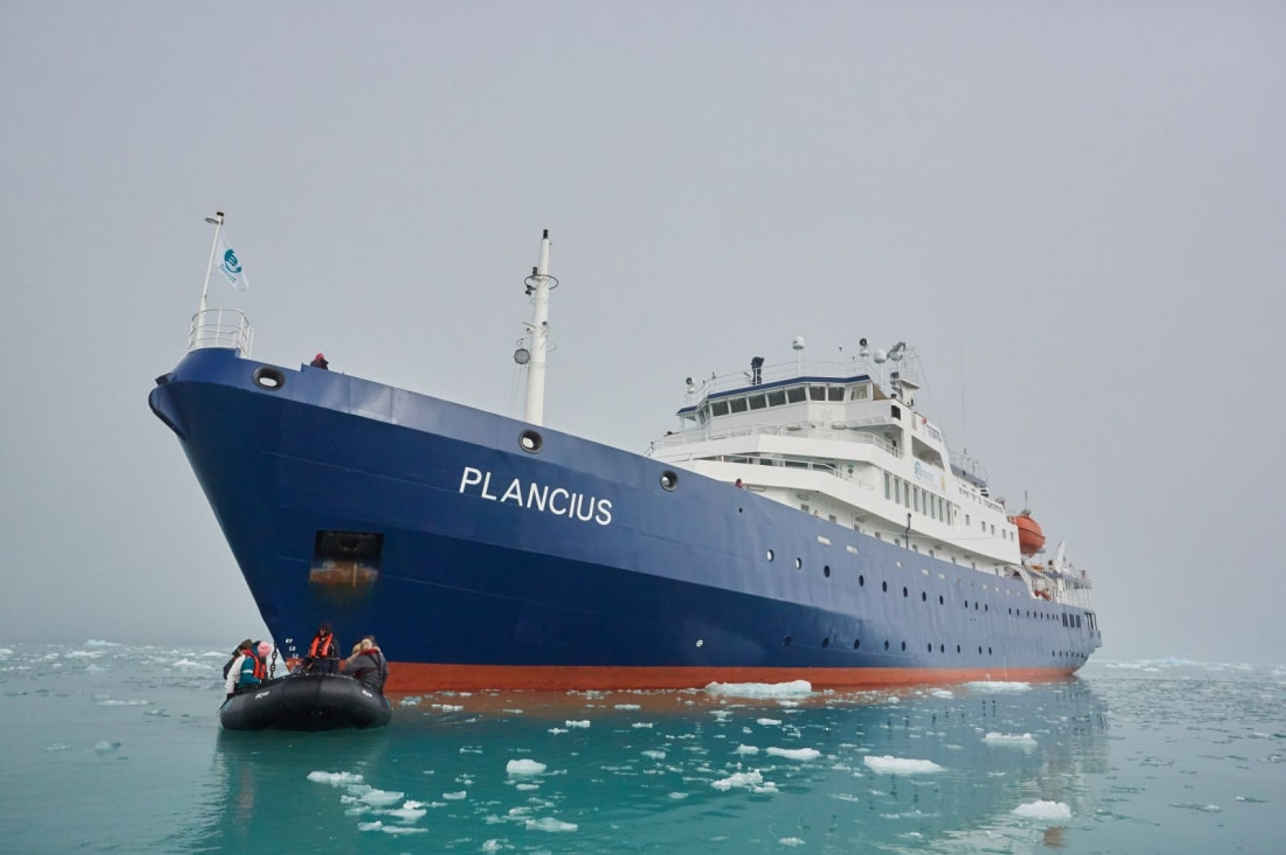
Plancius
Antarctica
108 guests89 m
$771/day
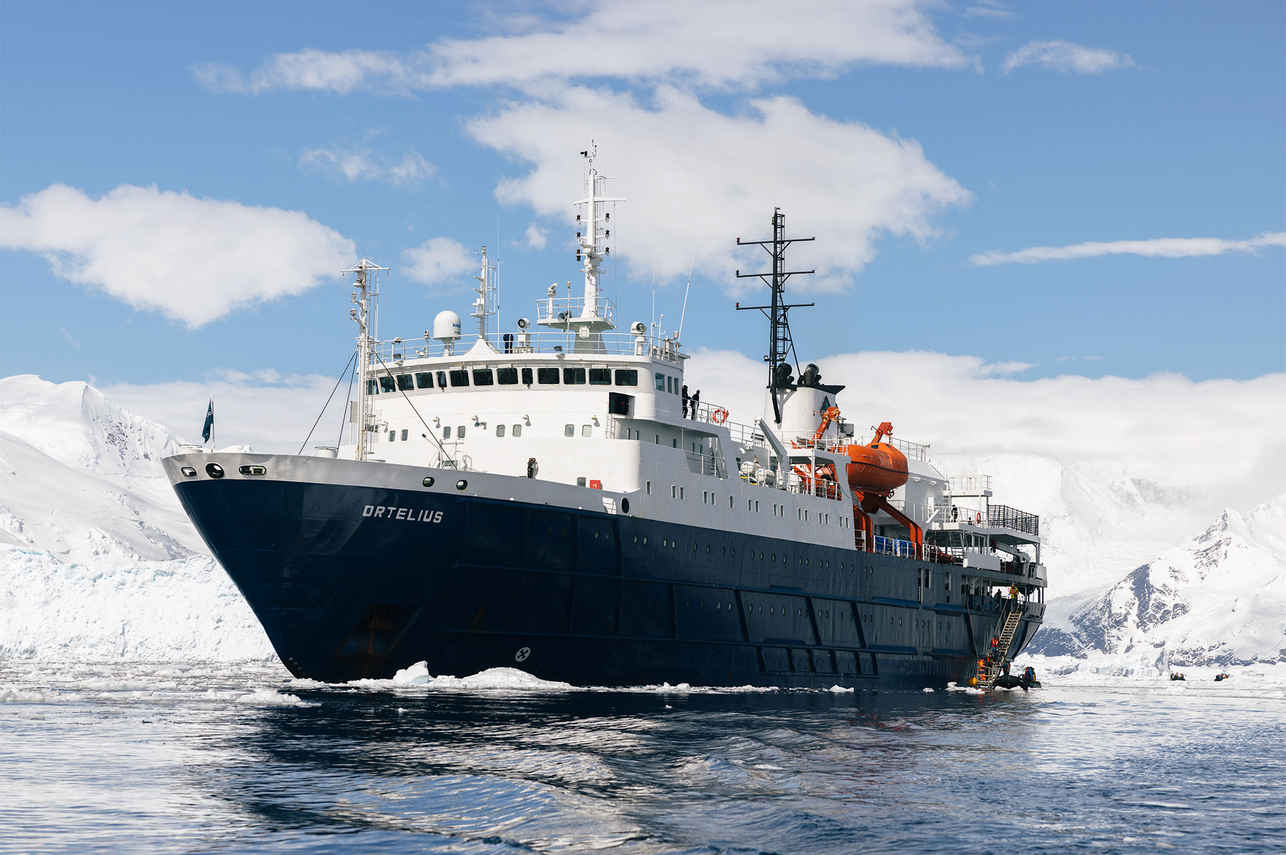
Ortelius
Antarctica
108 guests90.95 m
$661/day
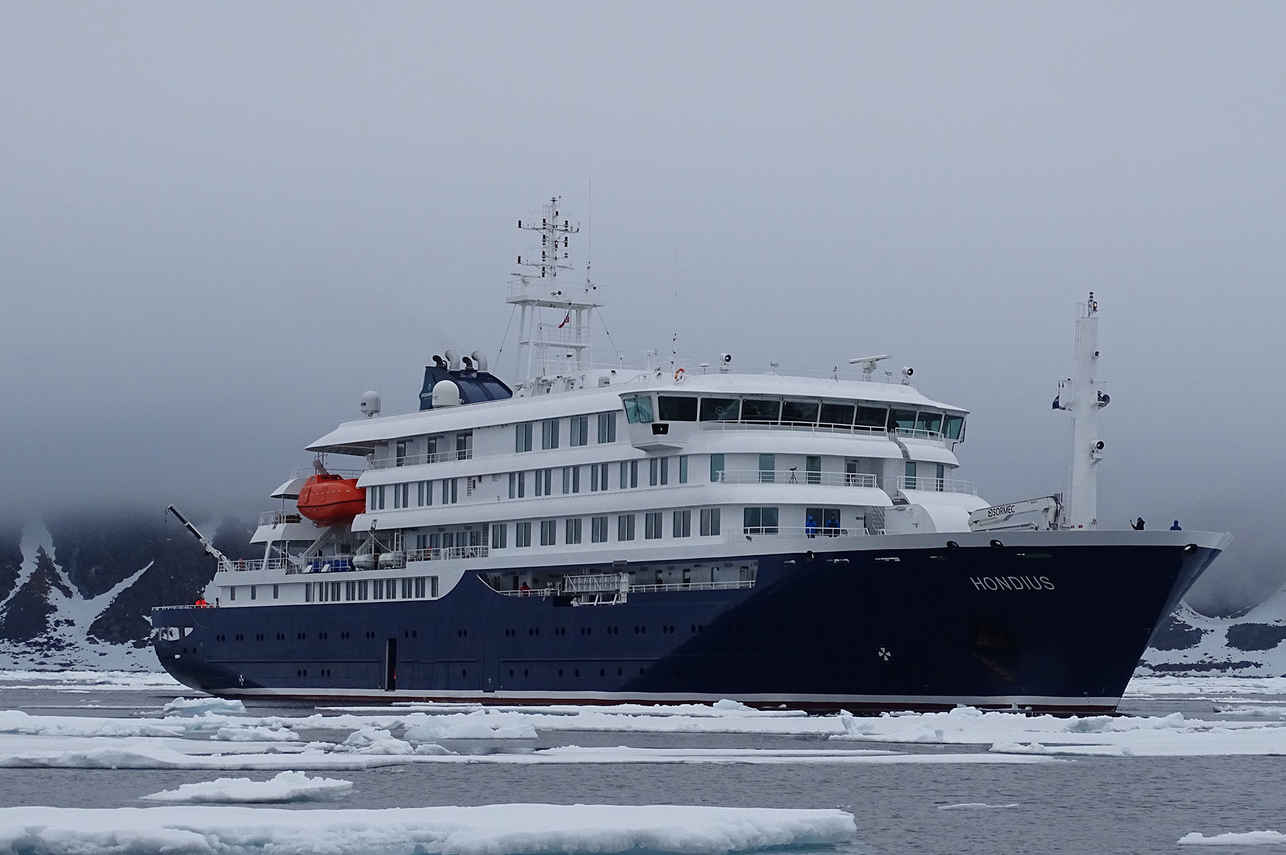
Hondius Antarctica Diving
Antarctica
170 guests107.6 m
$775/day
Dive sites similar to Antarctic Peninsula Ice Diving
Same character, same waters — six more sites divers love for the exact same reasons.Compare seasons, access and liveaboard routes — then pick the site that fits your trip best.
Argentine Islands - Vernadsky
Antarctica
Diving at the Argentine Islands, near the Vernadsky Research Base, offers an exclusive opportunity to explore the underwater world of the Antarctic Peninsula.
- Suitable for
- Advanced
- Current
- Strong
- Access
- Liveaboard only
- Depth
- 3–15 m
- Theme
- Ice / Reef
Lemaire Channel
Antarctica
Lemaire Channel, a narrow passage between the Antarctic mainland and Booth Island, presents a truly majestic and impressive dive experience.
- Suitable for
- Advanced
- Current
- Strong
- Access
- Liveaboard only
- Depth
- 5–30 m
- Theme
- Ice / Wall
Useful Island
Antarctica
Useful Island, situated in the Western Antarctic Peninsula, presents an extraordinary opportunity for intrepid divers to explore a shallow-water ecosystem brimming with biodiversity.
- Suitable for
- Advanced
- Current
- Strong
- Access
- Liveaboard only
- Depth
- 5–25 m
- Theme
- Ice / Wall
Wilhelmina Bay
Antarctica
Wilhelmina Bay, nestled in the Antarctic Peninsula, is renowned as a prime location for observing humpback whales and experiencing the continent's pristine marine environment.
- Suitable for
- Advanced
- Current
- Moderate
- Access
- Liveaboard only
- Depth
- 5–20 m
- Theme
- Ice / Wall
under the iceberg scour
Antarctica
Diving in Antarctica offers a unique experience beneath its frigid waters, a stark contrast to typical warm-water destinations.
- Suitable for
- Advanced
- Current
- Moderate
- Access
- Liveaboard only
- Depth
- ≤ 70 m
- Theme
- Reef
Enterprise Island - Wreck Gouvernøren
Antarctica
The wreck of the Gouvernøren, nestled at Enterprise Island, stands as Antarctica's most accessible and atmospheric shipwreck.
- Suitable for
- Advanced
- Current
- Mild
- Access
- Liveaboard only
- Depth
- 5–18 m
- Theme
- Ice / Wreck