About Brown Bluff
Brown Bluff is a distinctive dive site located at the tip of the Antarctic Peninsula, renowned for its dramatic reddish-brown cliffs formed by subglacial eruptions. This area stands out as one of the few places where divers can experience the mainland of Antarctica underwater, offering a truly unique polar diving adventure. Its shallow depths make it an ideal location for introductory dives, allowing divers to acclimate to the extreme cold and specialized gear required for Antarctic expeditions. The topography of Brown Bluff features a 1.5 km beach and steep, volcanic slopes that extend beneath the surface. While the maximum allowable depth for diving in Antarctica is typically 20 meters, dives here are often conducted in shallower waters, sometimes as little as 4.4 meters. This shallow profile, combined with the clear, cold waters, provides excellent visibility for observing the abundant marine life that thrives in this nutrient-rich environment. The site is bustling with wildlife, both above and below the water. Divers frequently encounter various species of penguins, including Gentoo, and different types of seals such as Weddell seals and fur seals. Leopard seals are also present, often displaying curious behavior towards divers. The rich biodiversity extends to macro life, with sea spiders, sponges, anemones, and diverse kelp formations contributing to a vibrant underwater tapestry. Diving at Brown Bluff is typically part of a larger Antarctic itinerary departing from Ushuaia, Argentina. Dives are conducted from Zodiacs, with a focus on safety and adherence to strict protocols due to the remote and challenging conditions. Divers must be experienced in cold-water and drysuit diving, and a check-out dive is usually mandatory to ensure comfort and proper weighting in the frigid temperatures.
Highlights
Subglacial volcanic cliffsShallow checkout dive siteDiverse penguin encountersCurious seal interactionsUnique Antarctic mainland diveVibrant macro lifeIce formations
Season calendar
Best months to dive here
Jan
Feb
Mar
Apr
May
Jun
Jul
Aug
Sep
Oct
Nov
Dec
Excellent
Good
Dive site facts: Brown Bluff
- Depth
- 4.4–20 m
- Typical dive
- 6–12 m, 20–40 min
- Current
- Mild
- Visibility
- 12–300 m
- Water temperature
- -2–2 °C
- Entry
- Zodiac / negative entry
- Level
- Advanced Drysuit Diver
- Dive type
- Wall, Ice, Wreck, Macro, Wildlife
- Night dive
- Not permitted
- Region / port
- Antarctic Peninsula
- Coordinates
- S 63°31'11.27" W 56°53'15.93"
Conditions & Currents
Currents at Brown Bluff are generally mild, making it an excellent site for introductory dives in the Antarctic. However, divers must always be prepared for the possibility of localized currents, especially near ice formations, where unexpected down currents can occur. Entry and exit are typically from Zodiac boats, requiring coordinated effort with the dive guides. Visibility can be exceptional, often ranging from 40 to 80 feet, and sometimes extending to hundreds of feet, depending on the presence of plankton blooms, which are less prevalent earlier in the season. Water temperatures hover around 28 to 36°F (-2 to 2°C), necessitating specialized drysuit equipment and careful monitoring of personal comfort and gear function. Due to the extreme cold, thermoclines are less of a concern than constant frigid conditions, demanding meticulous thermal protection and quick, efficient dive proced
Marine life & sighting chances

Gentoo penguin
February–March · common
Leopard seal
February–March · occasional
Weddell seal
common
Fur seal
February–March · common
Crabeater seal
November–December · occasional
Sea spider
common
Sponge
common
Anemone
common
Kelp
common
Orca
occasional
Fin whale
occasional
Humpback whale
November–December · occasionalDive profile & how the dive runs
Dives at Brown Bluff typically begin with a Zodiac entry, where divers roll backward into the water near the shore or ice formations. Given its reputation as a checkout dive site, the focus is on shallow exploration, often staying between 6 to 12 meters. Divers will usually follow a route along the base of the reddish-brown cliffs, where marine life congregates. The dive progresses slowly, allowing ample time for observation of the unique macro life, kelp formations, and potential encounters with seals and penguins swimming by. Turn points are dictated by air consumption and bottom time, typically aiming for 20 to 40 minutes underwater due to the cold. Safety stops are conducted in shallow, sheltered areas, often with the Zodiac waiting nearby for immediate pickup, minimizing surface exposure to the extreme cold.
Underwater photography
Brown Bluff offers excellent wide-angle opportunities to capture the vibrant shallow-water marine life against the backdrop of ice and the unique geological formations. A fisheye or wide-angle lens is ideal for showcasing the expansive kelp forests and curious seals or penguins interacting with the dive group. For macro enthusiasts, the abundance of sea spiders, sponges, and anemones provides rich subject matter for a macro lens. Utilize strobes to bring out the true colors of the underwater environment, as natural light can be limited. Due to the cold, ensure your camera housing and strobes are rated for extreme temperatures and use anti-fog inserts. Buoyancy control is paramount to avoid disturbing the fragile ecosystem and to maintain stable shots in potentially moving water. Always maintain a respectful distance from wildlife, using their natural curiosity to your advantage for close-up shots rather than actively pursuing them.
Combine with nearby dive sites
Getting there & logistics
Antarctic dive expeditions, including visits to Brown Bluff, primarily depart from Ushuaia, Argentina, the world's southernmost city. Travelers typically fly into Ushuaia (USH) from Buenos Aires after an international flight. Expedition cruises usually last between 10 to 23 days, combining diving with land excursions and Zodiac cruises to various Antarctic Peninsula and island locations. Dive permits and national park fees are generally included in the expedition cost. Brown Bluff is often incorporated early in the itinerary as a checkout dive site due to its shallow, sheltered conditions, allowing divers to acclimate to drysuit diving in polar waters. Trips often combine mainland Antarctica with visits to the Falkland Islands and South Georgia.
Safety & environment
Diving in Antarctica, and at Brown Bluff, requires stringent safety protocols due to its remote and extreme environment. There are no recompression chambers nearby; the nearest medical facilities are thousands of miles away, emphasizing the critical importance of conservative dive profiles and avoiding deep dives. Divers must carry comprehensive dive insurance that covers emergency medical evacuation, as an airlift can be complex and costly. Site-specific hazards include rapidly changing ice conditions, potential down currents near icebergs, and the presence of apex predators like leopard seals, though they are usually curious rather than aggressive. All divers must be drysuit certified with extensive cold-water experience, and a mandatory checkout dive is standard. Always dive with a buddy, maintain excellent buoyancy control, and adhere strictly to expedition leader instructions and wildlife interaction guidelines.
Who it suits — and who it doesn't
Suited for
- Experienced drysuit divers (30+ drysuit dives minimum)
- Divers seeking unique polar wildlife encounters
- Adventure travelers comfortable with extreme conditions
- Underwater photographers looking for unique subjects
- Divers with excellent buoyancy control
Less suited for
- Beginner divers or those without drysuit experience
- Divers uncomfortable with very cold water
- Individuals prone to seasickness on long voyages
- Those without comprehensive dive and travel insurance
- Divers expecting tropical-style dive resort amenities
FAQ
Brown Bluff FAQ
What kind of marine life can I expect to see at Brown Bluff?
At Brown Bluff, you can expect to encounter a vibrant array of marine life. This includes various species of penguins, such as Gentoo penguins, and different types of seals like Weddell, fur, and occasionally leopard seals. The underwater landscape also reveals rich macro life, including sea spiders, sponges, and anemones, thriving amidst unique kelp formations.
What are the typical dive depths and durations at Brown Bluff?
Brown Bluff is known for its relatively shallow dives, often serving as a checkout site. Depths typically range from 6 to 12 meters, though some areas may go slightly deeper, up to a maximum of 20 meters as per Antarctic regulations. Dive durations are usually between 20 to 40 minutes, primarily limited by the extreme cold water temperatures rather than air consumption.
Is Brown Bluff suitable for beginner divers?
No, Brown Bluff and Antarctic diving in general are not suitable for beginner divers. Divers must have significant experience, including a minimum of 30 logged drysuit dives in cold water environments. The remote location, frigid temperatures, and specialized equipment requirements demand a high level of skill and comfort in challenging conditions.
What is the visibility and water temperature like at Brown Bluff?
Visibility at Brown Bluff can be exceptional, often ranging from 12 to 300 meters, especially earlier in the season before plankton blooms. Water temperatures are consistently frigid, hovering between -2°C and 2°C (28°F to 36°F). This extreme cold necessitates specialized drysuit equipment and excellent thermal protection.
How do divers access the dive site at Brown Bluff?
Divers typically access Brown Bluff via Zodiac inflatable boats launched from their expedition ship. These boats transport divers to the designated entry points near the shore or ice formations. Entry into the water is usually a backward roll, and divers are picked up by the Zodiac immediately after surfacing to minimize exposure to the cold.
What are the unique geological features of Brown Bluff?
Brown Bluff is distinct for its impressive reddish-brown cliffs, which are a result of subglacial volcanic eruptions. This geological formation creates a dramatic landscape both above and below the water, offering a unique setting for diving. It is one of the few places where divers can experience the mainland of Antarctica underwater.
Why dive Brown Bluff from a liveaboard?
Brown Bluff is one of Antarctica's signature dive sites. A liveaboard sleeps you on the water and puts you in the water for three to four guided dives per day, including dawn and night dives that day-boat operators rarely offer. You skip the daily commute back to port and reach quieter, less-crowded sites in the same region on a single trip.
Below are the liveaboards that include Brown Bluff on their Antarctica itineraries.
Liveaboards diving Brown Bluff
These liveaboards may visit Brown Bluff on selected itineraries — the exact dive sites depend on departure, weather and conditions.
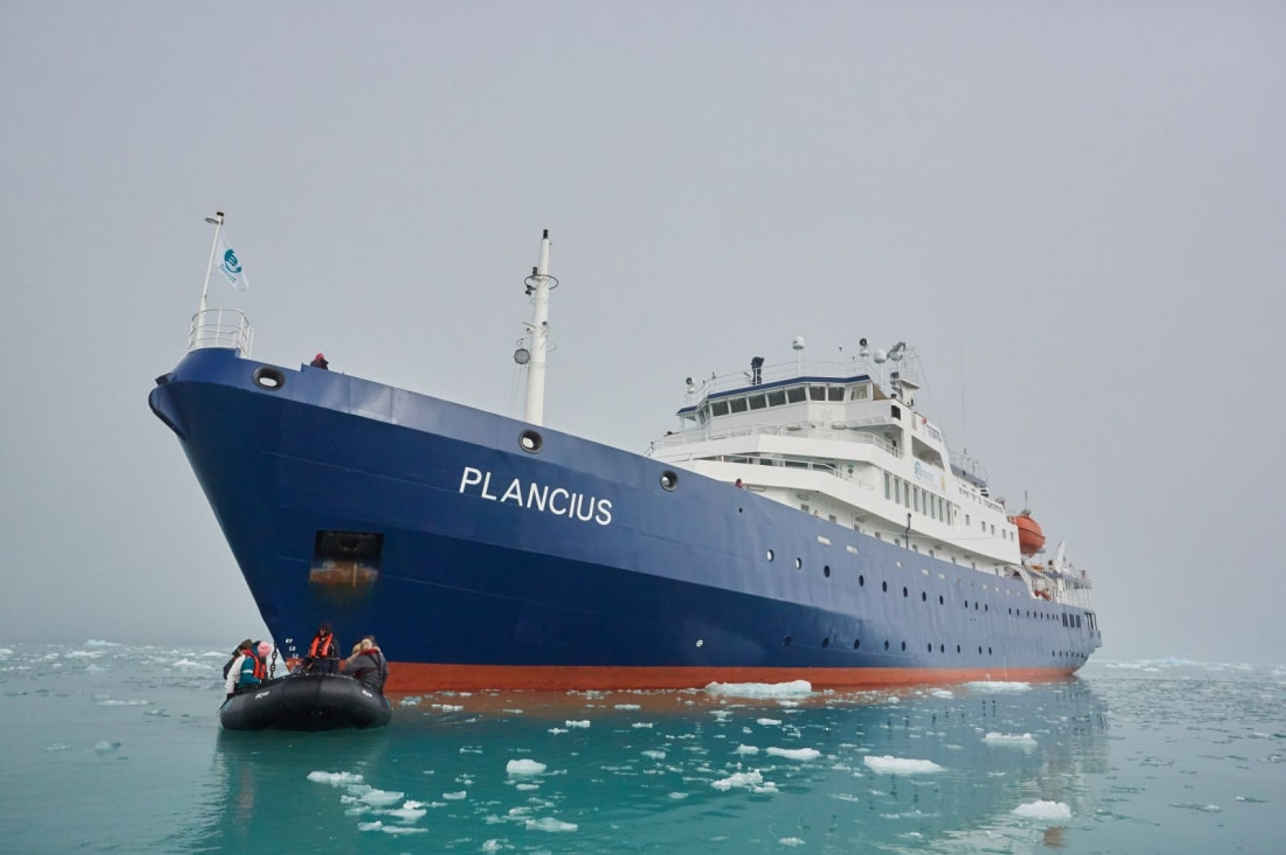
Plancius
Antarctica
108 guests89 m
$771/day
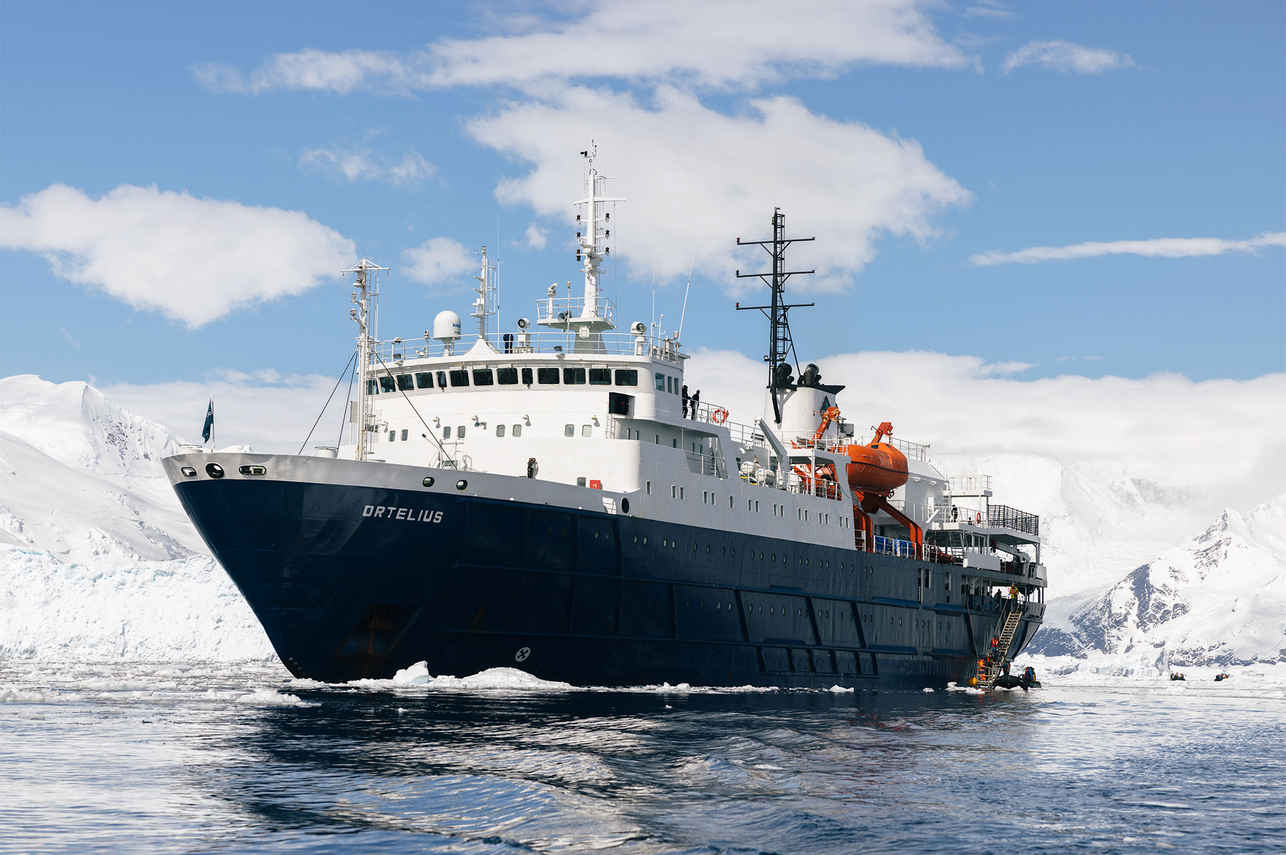
Ortelius
Antarctica
108 guests90.95 m
$661/day
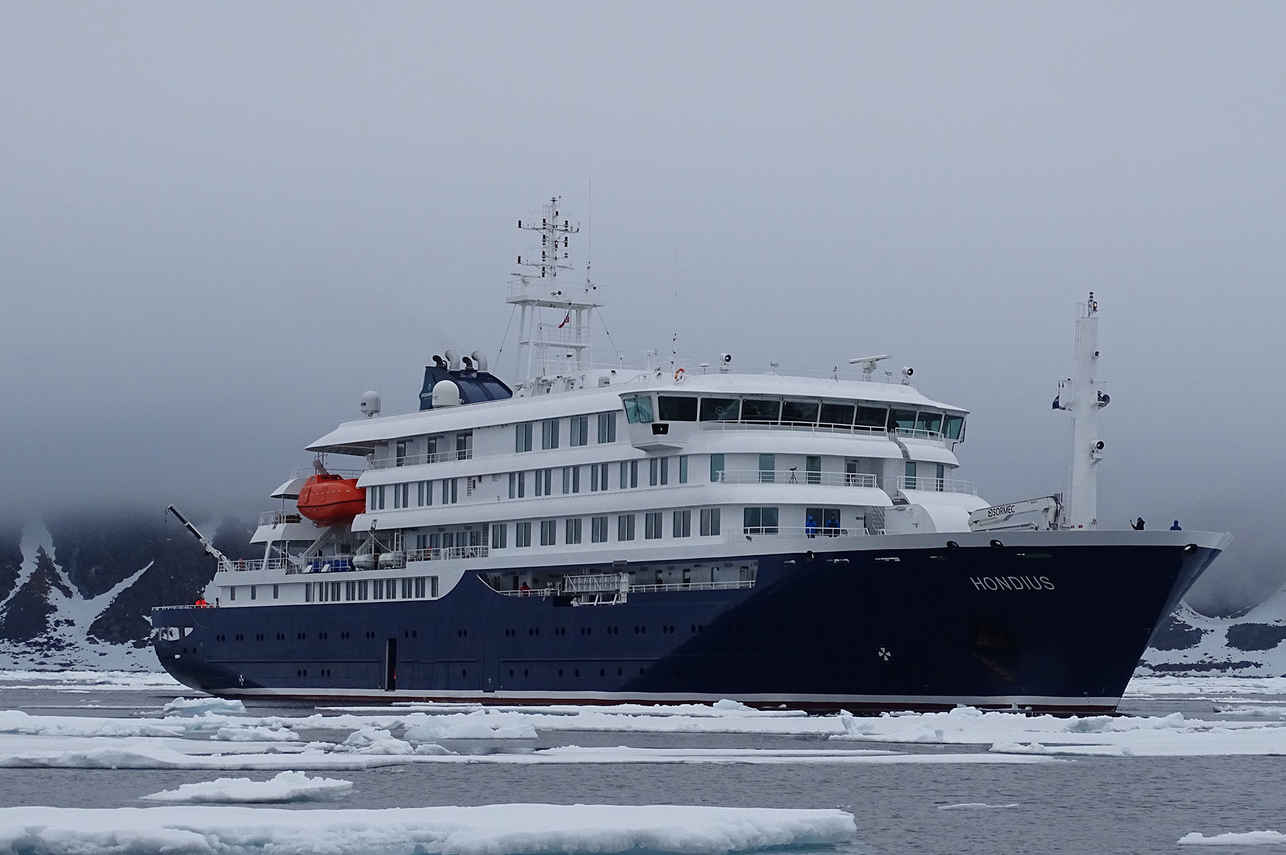
Hondius Antarctica Diving
Antarctica
170 guests107.6 m
$775/day
Dive sites similar to Brown Bluff
Same character, same waters — six more sites divers love for the exact same reasons.Compare seasons, access and liveaboard routes — then pick the site that fits your trip best.
© Esri — Maxar, Earthstar, GIS
Argentine Islands - Vernadsky
Antarctica
Diving at the Argentine Islands, near the Vernadsky Research Base, offers an exclusive opportunity to explore the underwater world of the Antarctic Peninsula.
- Suitable for
- Advanced
- Current
- Strong
- Access
- Liveaboard only
- Depth
- 3–15 m
- Theme
- Ice / Reef
© Esri — Maxar, Earthstar, GIS
Lemaire Channel
Antarctica
Lemaire Channel, a narrow passage between the Antarctic mainland and Booth Island, presents a truly majestic and impressive dive experience.
- Suitable for
- Advanced
- Current
- Strong
- Access
- Liveaboard only
- Depth
- 5–30 m
- Theme
- Ice / Wall
© Esri — Maxar, Earthstar, GIS
Useful Island
Antarctica
Useful Island, situated in the Western Antarctic Peninsula, presents an extraordinary opportunity for intrepid divers to explore a shallow-water ecosystem brimming with biodiversity.
- Suitable for
- Advanced
- Current
- Strong
- Access
- Liveaboard only
- Depth
- 5–25 m
- Theme
- Ice / Wall
© Esri — Maxar, Earthstar, GIS
Wilhelmina Bay
Antarctica
Wilhelmina Bay, nestled in the Antarctic Peninsula, is renowned as a prime location for observing humpback whales and experiencing the continent's pristine marine environment.
- Suitable for
- Advanced
- Current
- Moderate
- Access
- Liveaboard only
- Depth
- 5–20 m
- Theme
- Ice / Wall
© Esri — Maxar, Earthstar, GIS
Enterprise Island - Wreck Gouvernøren
Antarctica
The wreck of the Gouvernøren, nestled at Enterprise Island, stands as Antarctica's most accessible and atmospheric shipwreck.
- Suitable for
- Advanced
- Current
- Mild
- Access
- Liveaboard only
- Depth
- 5–18 m
- Theme
- Ice / Wreck
© Esri — Maxar, Earthstar, GIS
Foyn Harbour
Antarctica
Foyn Harbour, situated off the coast of the Antarctic Peninsula, offers a truly unique underwater experience, primarily centered around the wreck of the 'Gouvernøren'.
- Suitable for
- Advanced
- Current
- Mild
- Access
- Liveaboard only
- Depth
- 5–15 m
- Theme
- Ice / Wreck