About Paradise Bay
Paradise Bay, located on the Antarctic Peninsula, offers divers a unique opportunity to explore a wilderness few will ever experience. This pristine environment is characterized by its towering glaciers, dramatic fjords, and a rich biodiversity both above and below the surface. The geological features of the Peninsula, an extension of the South American Andes, create a stunning backdrop of mountains rising steeply from the ocean, framing the serene bay. Underwater, divers encounter a fascinating realm shaped by ice. Shifting sunlight filters through the ice, illuminating an otherworldly landscape of ice formations, from sheer cliffs to valleys. The vibrant macro life is particularly striking, showcasing species found nowhere else on Earth. These cold, saline waters are teeming with krill, which in turn attracts larger marine animals. The prime diving season runs during the Antarctic summer, from November to March. This period offers the best visibility and access due to receding sea ice. While the waters are consistently cold, the rewards include encounters with unique invertebrates, various seal species, and penguins. Dive operations typically involve zodiac entries, with guides ensuring safety in this remote and challenging environment. Diving in Paradise Bay is an expeditionary experience, often combined with topside excursions to observe penguin colonies, seal haul-outs, and dramatic landscapes. It caters to experienced drysuit divers seeking unparalleled adventure and a deep connection with Antarctica's fragile ecosystem.
Highlights
Underwater ice formationsDiverse macro marine lifeEncounters with seals and penguinsGlacial sceneryRare Antarctic invertebratesPristine polar wilderness
Season calendar
Best months to dive here
Jan
Feb
Mar
Apr
May
Jun
Jul
Aug
Sep
Oct
Nov
Dec
Excellent
Good
Dive site facts: Paradise Bay
- Depth
- Up to 20 m
- Typical dive
- 12–20 m, 30–60 min
- Current
- Mild to moderate
- Visibility
- 12–25 m
- Water temperature
- -2 to 2 °C
- Entry
- Zodiac / negative entry
- Level
- Advanced Drysuit Diver
- Dive type
- Coldwater, Ice, Macro, Wildlife
- Night dive
- Possible (during polar night)
- Region / port
- Antarctic Peninsula
- Coordinates
- -64.86, -62.87
Conditions & Currents
Currents in Paradise Bay are generally manageable, but local conditions can vary and are closely monitored by dive guides. Dives are typically conducted from zodiacs, allowing for flexible entry and exit points. Divers should be prepared for potential surge, especially near ice formations, and maintain excellent buoyancy control.
Marine life & sighting chances

Leopard seal
February-March · occasional
Crabeater seal
November-December · occasional
Gentoo penguin
November-March · common
Humpback whale
November-March · occasional
Minke whale
November-March · occasional
Giant isopod
November-March · occasional
Antarctic bloodless fish
November-March · occasional
34-armed starfish
November-March · occasional
Sea snail
November-March · common
Sea butterfly
November-March · occasional
Anemone
November-March · common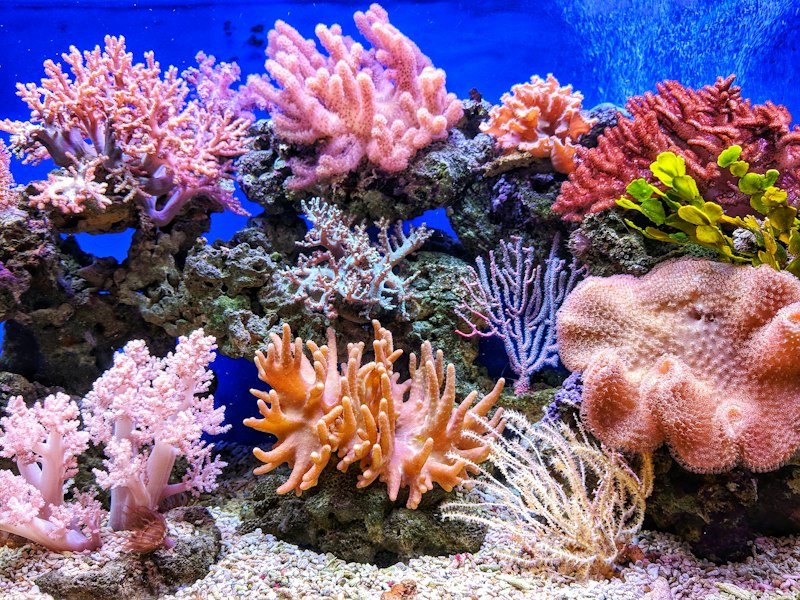
Soft coral
November-March · commonDive profile & how the dive runs
Dives in Paradise Bay typically begin from a zodiac, often with a negative entry to get beneath the surface quickly. The dive route is highly dependent on daily ice and weather conditions, guided by the expedition team. Divers usually explore the edges of icebergs, glacial walls, and rocky slopes that descend from the coastline. Depths are generally kept shallower, around 12 to 20 meters, to conserve bottom time in the cold water and account for the remote location. Turn points are determined by air consumption, no-decompression limits, and guide signals. The safety stop is conducted as standard, often underneath the zodiac or a stable ice floe, before surfacing. Buoyancy control is paramount to navigate the delicate environment and avoid disturbing marine life or ice formations.
Underwater photography
Underwater photography in Paradise Bay presents unique challenges and rewards. Wide-angle lenses are essential for capturing the grandeur of underwater ice formations, glacial walls, and the occasional large marine life such as seals or whales. Macro lenses are also highly recommended for documenting the incredibly diverse and colorful invertebrate life, including anemones, starfish, and sponges, which often cling to rock walls or ice. Due to the limited light penetration, especially under thicker ice, external strobes are crucial for illuminating subjects and restoring natural colors. Careful buoyancy control is paramount to avoid silting up the environment or accidental contact with fragile ice and organisms. Be prepared for rapid changes in lighting and visibility, and ensure all camera equipment is adequately protected against the extreme cold.
Combine with nearby dive sites
- Neko Harbour
Known for its stunning alpine views and glacier calving events, offering Zodiac cruises and landings.
- Wilhelmina Bay
A prime location for spotting humpback whales and exploring the wreck of the Guvernøren.
- Danco Island
Features gentoo penguin colonies and opportunities to observe Weddell and crabeater seals.
- Lemaire Channel
A scenic passage often navigated to access more southerly dive sites, with potential for whale sightings.
- Port Lockroy
A historic British research station and post office offering a glimpse into human polar history, with nearby penguin colonies.
Getting there & logistics
Access to Paradise Bay is primarily via liveaboard expeditions departing from Ushuaia, Argentina. Travelers typically fly into Ushuaia (USH) after connecting through major South American hubs. The voyage across the Drake Passage usually takes two days before reaching the Antarctic Peninsula. Dive trips in this region generally span 10 to 12 days, focusing on a variety of dive sites along the Peninsula. Expedition vessels manage all permits and fees, which are included in the trip cost. Due to the remote nature, these trips are all-inclusive, covering accommodation, meals, and guided activities both underwater and ashore. Itineraries are flexible and subject to weather and ice conditions, with daily briefings outlining potential dive and excursion options.
Safety & environment
Diving in Paradise Bay, like all Antarctic diving, requires stringent safety protocols due to its extreme environment and remote location. The nearest recompression chamber is thousands of miles away, making deep or risky dives strongly discouraged. Comprehensive dive insurance, including coverage for extreme cold-water diving and emergency evacuation, is mandatory. Site-specific hazards include rapidly changing ice conditions, strong downcurrents or surge near ice formations, and the risk of equipment freezing. Divers must be experienced drysuit users, in excellent health, and follow all instructions from the expedition dive guides. A buddy system is strictly enforced, and dive durations are typically shorter, around 30-60 minutes, to minimize exposure to cold. Divers must be self-sufficient in managing their gear and be prepared for potential equipment malfunctions in sub-zero temperatures. Continuous communication with the surface support via pre-arranged signals is critical.
Who it suits — and who it doesn't
Suited for
- Experienced drysuit divers
- Advanced cold-water divers
- Photographers seeking unique subjects
- Adventurous expedition travelers
- Divers comfortable in remote environments
Less suited for
- Novice divers
- Warm-water-only divers
- Those without extensive drysuit experience
- Divers prone to seasickness
- Individuals with cold tolerance issues
FAQ
Paradise Bay FAQ
What kind of marine life can I expect to see underwater in Paradise Bay?
Paradise Bay offers a fascinating array of marine life, despite the cold. You can expect to encounter diverse invertebrates such as colorful starfish, anemones, sponges, sea snails, and even giant isopods. Occasionally, divers may have close encounters with curious seals, including leopard seals and crabeater seals, and even penguins darting through the water. The visibility also allows for appreciation of the unique kelp walls and icy underwater landscapes.
What are the typical dive conditions in Paradise Bay?
Diving in Paradise Bay involves cold water, with temperatures ranging from -2 to 2 degrees Celsius. Visibility can be excellent, often between 12 to 25 meters, especially during the early season. Dives are generally shallow, with maximum depths around 20 meters, and are typically conducted from zodiacs. Conditions can change rapidly due to weather and ice movements, requiring flexibility and adherence to guide instructions.
What specific gear is required for diving in Antarctica?
Specialized gear is essential for Antarctic diving. You will need a drysuit with thick undergarments, dry gloves or very thick wet gloves, and two independent, freeze-protected regulator sets. A quick-release BCD, depth gauge, compass, and air pressure gauge are also mandatory. It is highly recommended to bring a spare mask, defogging agents, and spare parts for your regulators and drysuit due to the remote location.
Is diving in Paradise Bay suitable for beginners?
No, diving in Paradise Bay and Antarctica in general is not suitable for beginners. It requires significant experience in cold-water diving and a minimum of 30 logged drysuit dives. Divers must demonstrate excellent buoyancy control, self-sufficiency in managing their equipment, and be in good physical health. The remote location and challenging conditions demand a high level of dive skill and preparedness.
How are dive operations managed given the cold and remote conditions?
Dive operations are meticulously planned and executed by experienced polar dive guides. Dives are typically done from zodiacs, allowing flexibility for site selection based on daily conditions. Divers often gear up in heated containers on the liveaboard before transferring to the zodiacs. Guides brief thoroughly on current conditions, entry/exit procedures, and safety protocols. There is no fresh water for rinsing gear during the trip, and divers are responsible for handling their own equipment to and from the zodiacs.
Why dive Paradise Bay from a liveaboard?
Paradise Bay is one of Antarctica's signature dive sites. A liveaboard sleeps you on the water and puts you in the water for three to four guided dives per day, including dawn and night dives that day-boat operators rarely offer. You skip the daily commute back to port and reach quieter, less-crowded sites in the same region on a single trip.
Below are the liveaboards that include Paradise Bay on their Antarctica itineraries.
Liveaboards diving Paradise Bay
These liveaboards may visit Paradise Bay on selected itineraries — the exact dive sites depend on departure, weather and conditions.
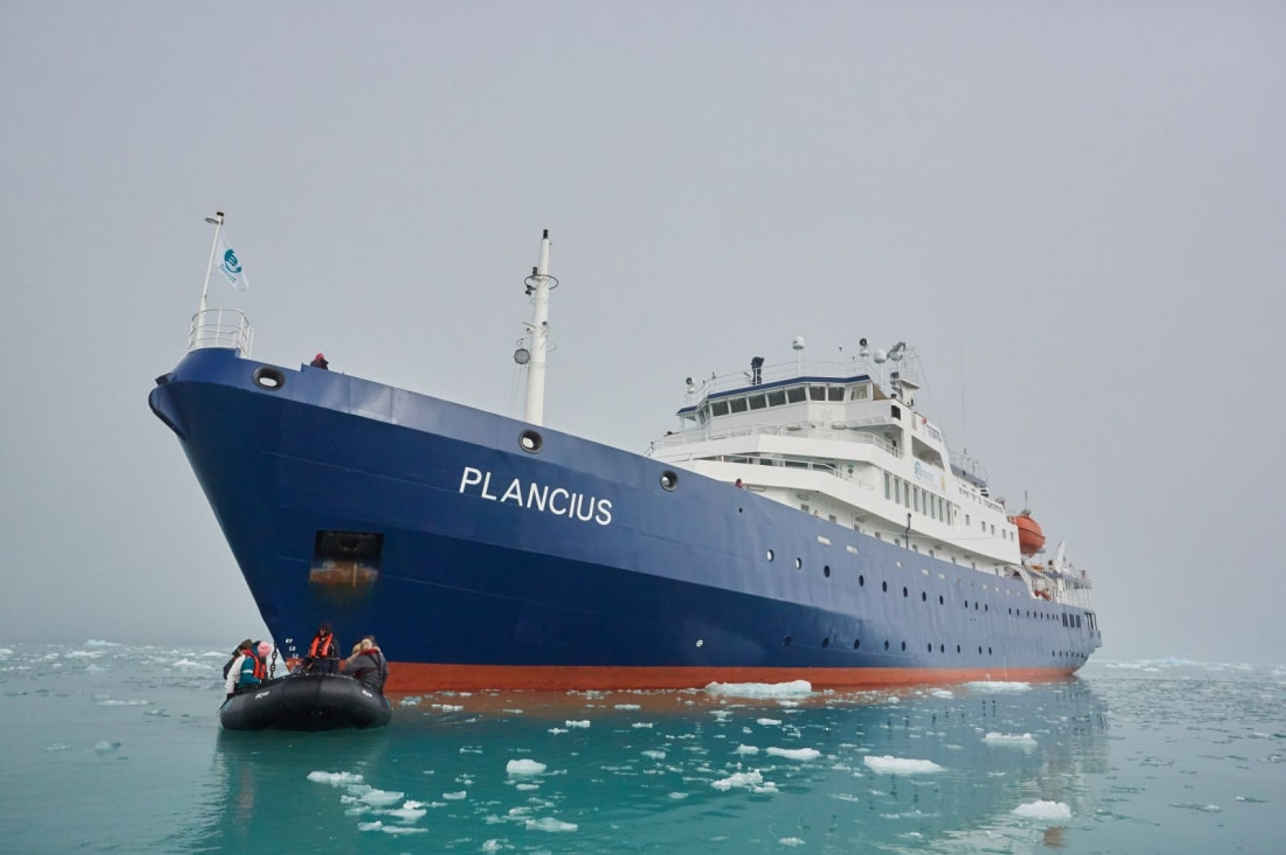
Plancius
Antarctica
108 guests89 m
$772/day
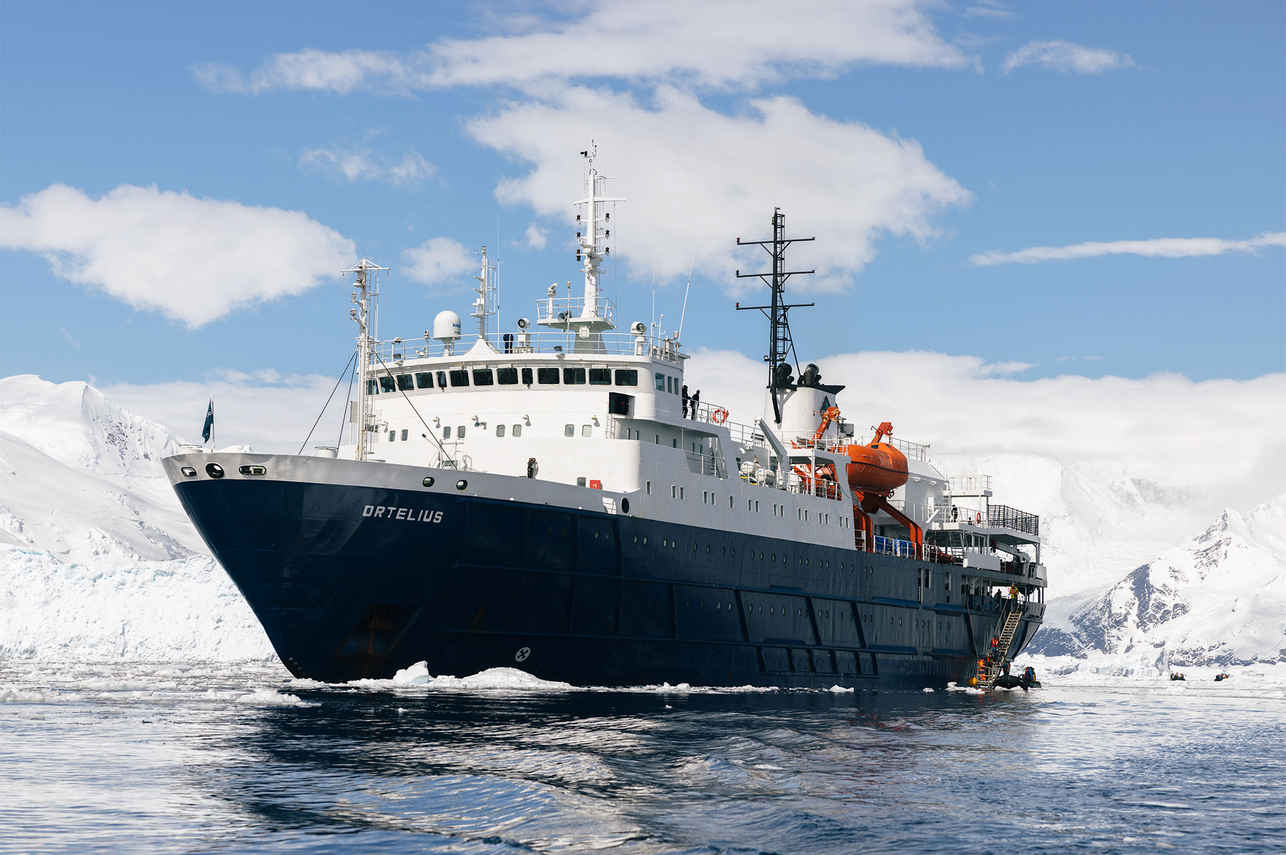
Ortelius
Antarctica
108 guests90.95 m
$661/day
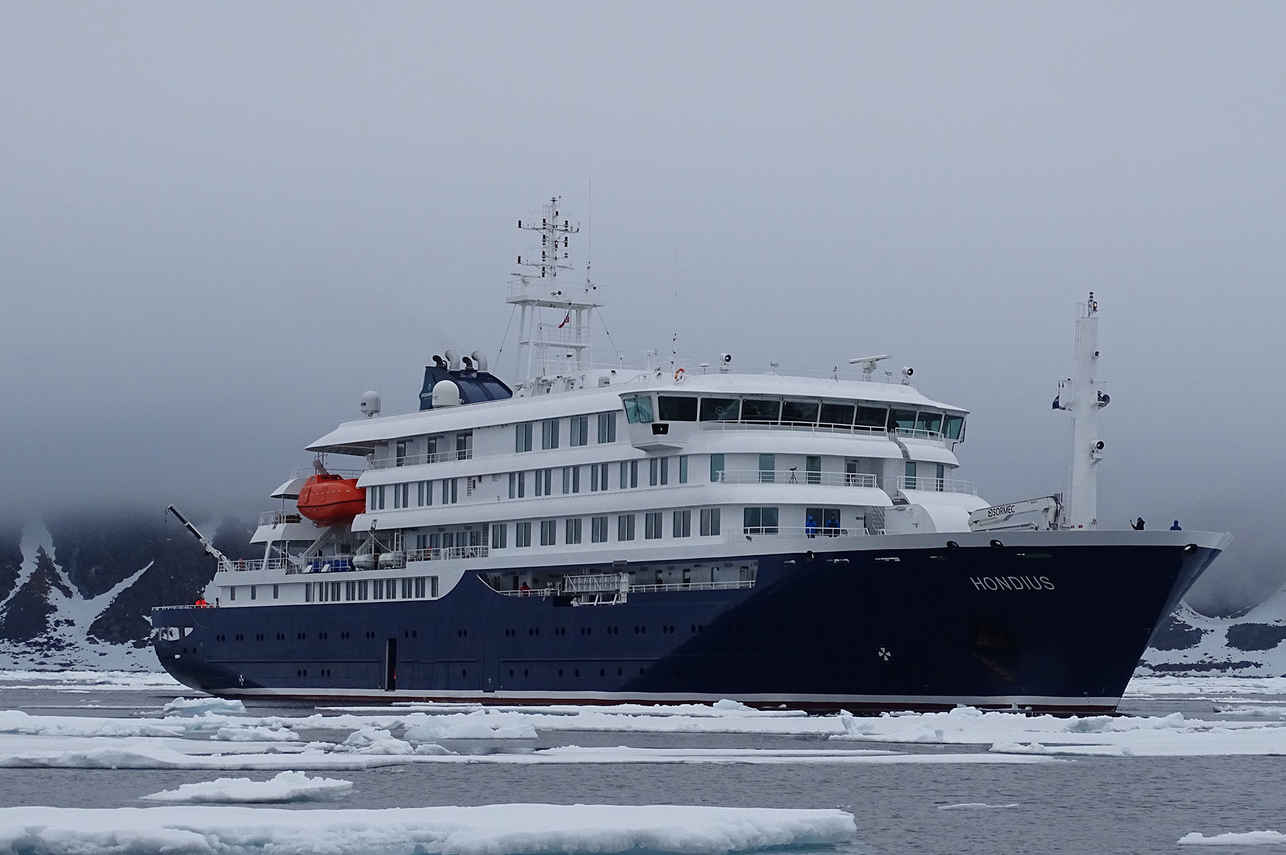
Hondius Antarctica Diving
Antarctica
170 guests107.6 m
$775/day
Dive sites similar to Paradise Bay
Same character, same waters — six more sites divers love for the exact same reasons.Compare seasons, access and liveaboard routes — then pick the site that fits your trip best.
© Esri — Maxar, Earthstar, GIS
Argentine Islands - Vernadsky
Antarctica
Diving at the Argentine Islands, near the Vernadsky Research Base, offers an exclusive opportunity to explore the underwater world of the Antarctic Peninsula.
- Suitable for
- Advanced
- Current
- Strong
- Access
- Liveaboard only
- Depth
- 3–15 m
- Theme
- Ice / Reef
© Esri — Maxar, Earthstar, GIS
Lemaire Channel
Antarctica
Lemaire Channel, a narrow passage between the Antarctic mainland and Booth Island, presents a truly majestic and impressive dive experience.
- Suitable for
- Advanced
- Current
- Strong
- Access
- Liveaboard only
- Depth
- 5–30 m
- Theme
- Ice / Wall
© Esri — Maxar, Earthstar, GIS
Useful Island
Antarctica
Useful Island, situated in the Western Antarctic Peninsula, presents an extraordinary opportunity for intrepid divers to explore a shallow-water ecosystem brimming with biodiversity.
- Suitable for
- Advanced
- Current
- Strong
- Access
- Liveaboard only
- Depth
- 5–25 m
- Theme
- Ice / Wall
© Esri — Maxar, Earthstar, GIS
Wilhelmina Bay
Antarctica
Wilhelmina Bay, nestled in the Antarctic Peninsula, is renowned as a prime location for observing humpback whales and experiencing the continent's pristine marine environment.
- Suitable for
- Advanced
- Current
- Moderate
- Access
- Liveaboard only
- Depth
- 5–20 m
- Theme
- Ice / Wall
© Esri — Maxar, Earthstar, GIS
Enterprise Island - Wreck Gouvernøren
Antarctica
The wreck of the Gouvernøren, nestled at Enterprise Island, stands as Antarctica's most accessible and atmospheric shipwreck.
- Suitable for
- Advanced
- Current
- Mild
- Access
- Liveaboard only
- Depth
- 5–18 m
- Theme
- Ice / Wreck
© Esri — Maxar, Earthstar, GIS
Foyn Harbour
Antarctica
Foyn Harbour, situated off the coast of the Antarctic Peninsula, offers a truly unique underwater experience, primarily centered around the wreck of the 'Gouvernøren'.
- Suitable for
- Advanced
- Current
- Mild
- Access
- Liveaboard only
- Depth
- 5–15 m
- Theme
- Ice / Wreck