About Bora Bora - Tapu
Tapu, located in Bora Bora, is a prominent dive site known for its thrilling shark encounters and diverse marine life. This site is situated about a kilometer from the Teavanui pass, on the outer slope of the reef, making it a critical location for shark-based ecotourism in French Polynesia. The topography at Tapu features dramatic drop-offs, ledges, and impressive coral structures that create hiding spots for smaller reef fish and provide a dynamic environment for divers. While some dives at Tapu are conducted as drift dives, others involve more stationary observation of the abundant marine life. Depths here can reach approximately 30 meters (98 feet), catering to a range of diving experiences. Divers frequently encounter blacktip and lemon sharks, which are a major draw to the site. The presence of these sharks can vary, with large numbers sometimes appearing at the surface due to nearby snorkel boat feeding activities before descending. Beyond sharks, the site hosts flittering eagle rays near reef mouths, moray eels, and various reef fish. Visibility at Tapu can be excellent, often exceeding 40 meters (130 feet). Tapu offers varied dive experiences, from high-adrenaline shark interactions to serene drift dives. It is accessible for guided dives, and while the presence of large sharks can be initially anxiety-inducing, they generally maintain a distance from divers, especially without baiting, making it a safe experience. The site is suitable for divers looking for a wide range of marine life and exciting encounters.
Highlights
blacktip shark encounterslemon shark sightingsdramatic reef drop-offsextensive coral structuresflittering eagle raysexcellent visibility
Season calendar
Best months to dive here
Jan
Feb
Mar
Apr
May
Jun
Jul
Aug
Sep
Oct
Nov
Dec
Excellent
Good
Dive site facts: Bora Bora - Tapu
- Depth
- Up to 30 m
- Current
- Can be present
- Visibility
- Up to 30 m
- Water temperature
- 26–29°C
- Entry
- Boat
- Level
- Open Water
- Dive type
- Reef, shark encounters
- Region / port
- Bora Bora, Society Islands
- Coordinates
- -16.4833, -151.75
Conditions & Currents
Currents at Tapu can be present, and while often manageable, divers should be prepared for varying conditions, especially if venturing deeper or closer to channel entrances. Visibility is consistently excellent, often reaching up to 30 meters, providing clear views of the abundant marine life and coral formations. Water temperatures are comfortably warm, ranging from 26-29°C throughout the year, making a 3mm wetsuit or rash guard suitable. Entry to the dive site is typically by boat, allowing for easy access to the prime diving areas. Divers should maintain good buoyancy control to navigate the coral structures and to safely observe the pelagic species.
Marine life & sighting chances

Blacktip reef shark
common
Lemon shark
common
Eagle ray
occasional
Napoleon wrasse
occasional
Reef manta ray
June–November · occasional
Parrotfish
common
Butterflyfish
common
Angelfish
common
Wrasses
common
Green sea turtle
occasional
Moray eels
occasionalDive profile & how the dive runs
Diving at Tapu typically begins with a boat entry onto the reef. Divers descend to explore the coral structures and look for schooling fish, often encountering blacktip and lemon sharks at various depths. The dive usually proceeds along the reef, where depths can reach up to 30 meters, allowing for exploration of the diverse marine life within recreational limits. The route is often guided by the dive master, focusing on areas with known shark activity and vibrant coral gardens. Turnaround is determined by gas consumption or dive time, followed by a gradual ascent. A safety stop is conducted at 5 meters for three minutes, usually along a shallower part of the reef, before surfacing for boat pick-up.
Underwater photography
Tapu offers excellent opportunities for underwater photography, particularly for wide-angle shots to capture the schooling sharks and extensive coral landscapes. A fisheye or wide-angle lens is ideal for encompassing the impressive scale of the site. External strobes are highly recommended to bring out the natural colors of the corals and reef fish, especially when shooting at deeper sections. Given the potential for currents and the presence of dynamic marine life like sharks, maintaining excellent buoyancy control is crucial for stable shots. When photographing sharks, allow them space and avoid sudden movements to capture their natural behavior without causing disturbance.
Combine with nearby dive sites
- Bora Bora - Anau
Known for its manta ray cleaning station and consistent manta sightings.
- Moorea - Tiki Point
Features a stone Tiki statue and attracts numerous fish and various shark species.
- Moorea - The Canyons
Offers impressive lava structures and alleys with abundant sharks, rays, and turtles.
- Bora Bora - Tupitipiti
Celebrated for its unique underwater topography, deep drop-offs, and vibrant purple corals.
- Bora Bora - White Valley
A deeper site with a coral plateau and sandbank, attracting grey reef sharks, tuna, and jacks.
Getting there & logistics
Access to Bora Bora is primarily through Faa'a International Airport (PPT) in Tahiti, followed by a domestic flight to Bora Bora Airport (BOB). Dive trips to Tapu typically depart from dive centers located around Bora Bora. Many operators offer day excursions or multi-day packages that combine dives across various Bora Bora sites, and sometimes extend to other Society Islands. There are no specific park fees for diving at Tapu, but standard dive operator costs apply. Divers often stay at resorts or guesthouses on Bora Bora, making it convenient for daily dive trips. Booking multi-dive packages can offer better value.
Safety & environment
The nearest recompression chamber for French Polynesia is located in Tahiti, which means medical evacuation from Bora Bora involves domestic air travel, potentially adding significant time in an emergency. Divers must ensure they possess comprehensive dive insurance that covers medical emergencies and evacuation. At Tapu, site-specific hazards are minimal for experienced divers, but always follow your dive guide's instructions and remain within your certification limits. While currents can be present, they are generally manageable, but good buoyancy control is essential. Always dive with a reputable operator, and ensure all gear is checked before each dive.
Who it suits — and who it doesn't
Suited for
- Divers seeking shark encounters
- Underwater photographers
- Divers comfortable with moderate depths
- Explorers of vibrant coral reefs
Less suited for
- Divers uncomfortable with sharks
- Beginners needing very calm, shallow conditions
- Those who prefer macro-only diving
FAQ
Bora Bora - Tapu FAQ
What marine life can I expect to see at Tapu?
At Tapu, you can expect frequent sightings of blacktip reef sharks and lemon sharks, which are a major draw of the site. Beyond sharks, the coral structures host a variety of colorful reef fish such as parrotfish, butterflyfish, angelfish, and wrasses. Occasional encounters with eagle rays, Napoleon wrasses, and green sea turtles also add to the rich marine diversity.
What is the typical depth at Tapu?
The maximum dive depth at Tapu is around 30 meters (98 feet), making it suitable for Open Water certified divers and beyond. The site features impressive coral structures that create ample hiding spots for smaller reef fish, with different depths offering varied marine encounters.
Are there strong currents at Tapu?
Currents at Tapu can be present and may vary in strength. While generally manageable, divers should be prepared for potential drift conditions. Good buoyancy control and awareness of your surroundings are recommended to fully enjoy the dive while navigating the currents.
Is Tapu suitable for underwater photography?
Yes, Tapu offers excellent opportunities for underwater photography, particularly for capturing sharks and wide-angle reef scenes. A wide-angle or fisheye lens is recommended to photograph the extensive coral formations and the dynamic pelagic life. External strobes will enhance the vibrant colors of the corals and marine creatures.
What is the best time of year to dive Tapu?
The best time to dive Tapu is during Bora Bora's dry season, which runs from April to October. During these months, you typically experience the best underwater visibility and calmer sea conditions. However, diving is possible year-round, as water temperatures remain warm and marine life is consistently present.
Why dive Bora Bora - Tapu from a liveaboard?
Bora Bora - Tapu is one of French Polynesia's signature dive sites. A liveaboard sleeps you on the water and puts you in the water for three to four guided dives per day, including dawn and night dives that day-boat operators rarely offer. You skip the daily commute back to port and reach quieter, less-crowded sites in the same region on a single trip.
Below are the liveaboards that include Bora Bora - Tapu on their French Polynesia itineraries.
Liveaboards diving Bora Bora - Tapu
These liveaboards may visit Bora Bora - Tapu on selected itineraries — the exact dive sites depend on departure, weather and conditions.
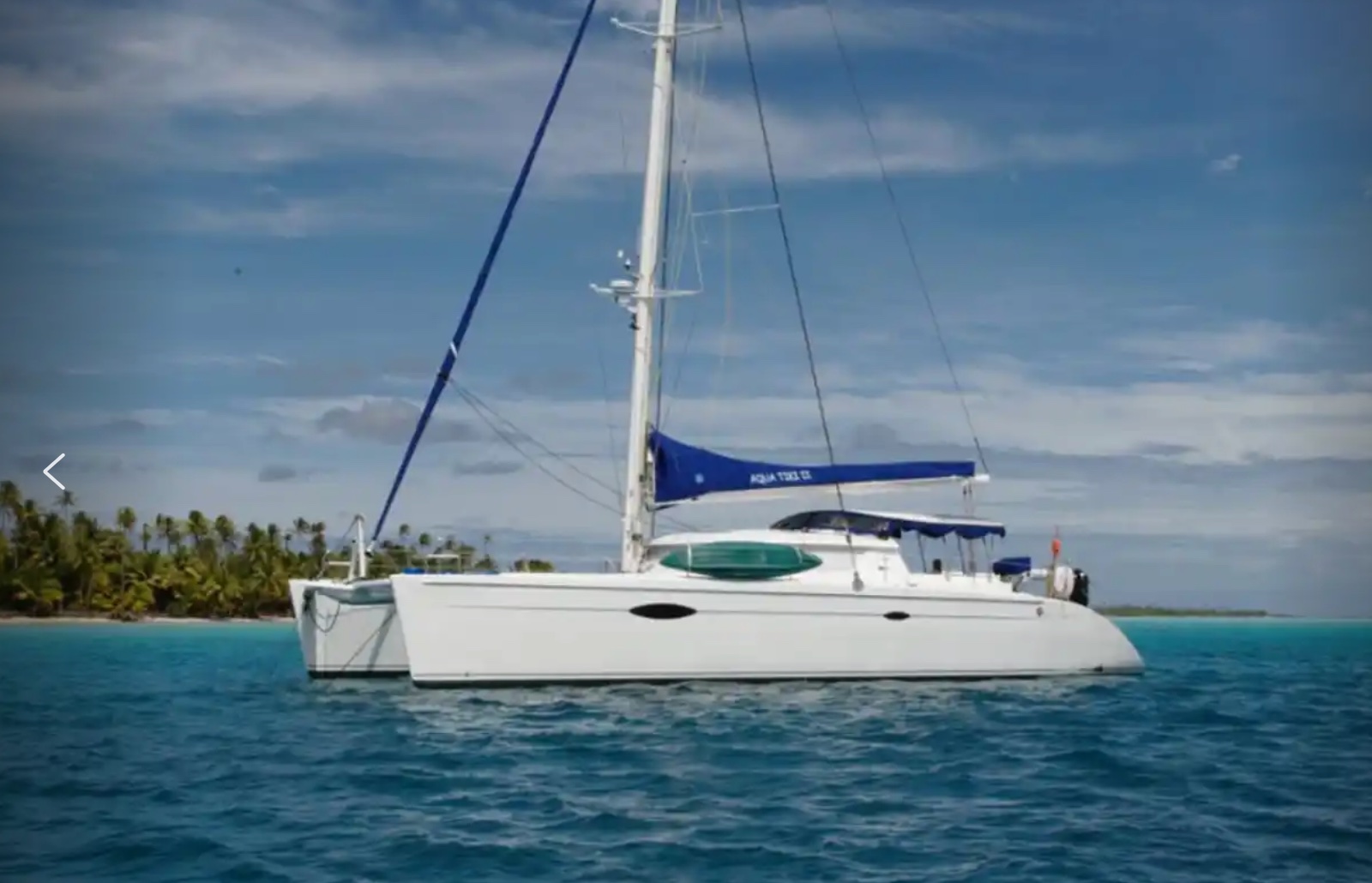
Aqua Tiki II
French Polynesia
8 guests
$578/day
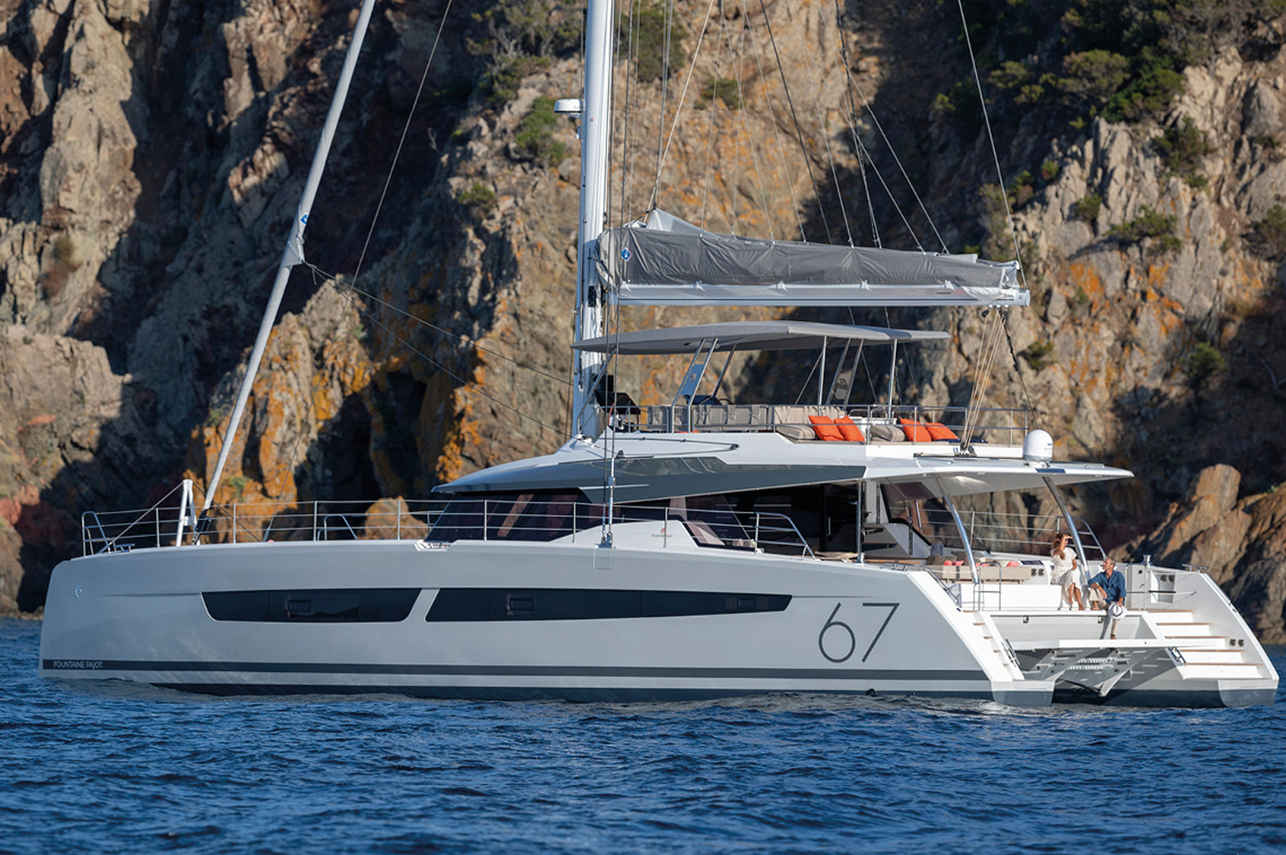
Aqua Tiki III
French Polynesia
10 guests20 m
$504/day
Dive sites similar to Bora Bora - Tapu
Same character, same waters — six more sites divers love for the exact same reasons.Compare seasons, access and liveaboard routes — then pick the site that fits your trip best.
© Esri — Maxar, Earthstar, GIS
Fakarava - Ohotu Reef
French Polynesia
Ohotu Reef, situated in Fakarava's immense Garuae Pass, is a premier dive destination within the UNESCO Biosphere Reserve of French Polynesia.
- Suitable for
- Advanced
- Current
- Strong
- Access
- Liveaboard or dayboat
- Depth
- 5–18 m
- Theme
- Drift / Reef
© Esri — Maxar, Earthstar, GIS
Moorea - Ray Corridor
French Polynesia
The Ray Corridor in Moorea offers an exhilarating drift dive experience within a natural lagoon, making it a favorite for divers seeking dynamic encounters.
- Suitable for
- Beginner
- Current
- Moderate
- Access
- Liveaboard or dayboat
- Depth
- 3–12 m
- Theme
- Drift / Reef
Taotoi, situated in Moorea, French Polynesia, is widely recognized as a premier location for divers seeking an accessible yet vibrant underwater experience.
- Suitable for
- Beginner
- Current
- Mild
- Access
- Dayboat
- Depth
- 9–19 m
- Theme
- Reef
© Esri — Maxar, Earthstar, GIS
The Windmill
French Polynesia
The Windmill is a renowned dive site located within Rangiroa's expansive Tiputa Pass, positioned on the right ocean-side slope.
- Suitable for
- Intermediate
- Current
- Moderate
- Access
- Liveaboard or dayboat
- Depth
- 25–26 m
- Theme
- Reef
Alibaba is a renowned drift dive located within the Garuae Pass in northern Fakarava, a UNESCO Biosphere Reserve in the Tuamotu Archipelago.
- Suitable for
- Intermediate
- Current
- Strong
- Access
- Liveaboard only
- Depth
- 5–30 m
- Theme
- Reef
© Esri — Maxar, Earthstar, GIS
The Crossing
French Polynesia
The Crossing is an advanced dive site located within Rangiroa’s famous Tiputa Pass, designed for highly experienced divers.
- Suitable for
- Expert
- Current
- Ripping
- Access
- Liveaboard or dayboat
- Depth
- 50–50 m
- Theme
- Reef