About The Small Rose Garden & Coral Wall
The Small Rose Garden & Coral Wall is one of Moorea's premier dive sites, located on the island's scenic north coast in the Society Islands of French Polynesia. This site offers an immersive experience, combining a lush coral garden with a dramatic wall, inviting exploration into its vibrant underwater ecosystem. Divers can expect excellent visibility, providing clear views of the intricate coral formations and diverse marine inhabitants. The topography transitions from a shallower "rose garden" of corals, likely referring to a type of reef formation, to a distinct coral wall that plunges deeper. This dual structure creates varied habitats, supporting both reef-dwelling species and those found in more open water. The site is known for its isolation and pristine conditions, contributing to an idyllic diving experience. While specific seasonality for marine life at this exact site is not detailed, Moorea's waters generally teem with tropical fish and pelagic species. Occasional encounters with larger marine animals are possible, adding to the excitement. The overall conditions in Moorea are favorable, with warm waters year-round. Diving here typically involves access by dinghy or dedicated dive boats. It's considered suitable for a range of divers, from those seeking a leisurely exploration of the coral garden to more experienced individuals wanting to trace the deeper sections of the wall. The site's clear water and varied structure make for a rewarding dive.
Highlights
Vibrant coral gardenDramatic coral wallMoorea north coastClear, warm watersIdyllic, isolated conditionsDiverse reef fish
Season calendar
Best months to dive here
Jan
Feb
Mar
Apr
May
Jun
Jul
Aug
Sep
Oct
Nov
Dec
Excellent
Good
Off-Season
May – Oct (Dry Season)
Best visibility up to 40m. Humpback whales Jul–Nov. Shark wall at Fakarava peaks Jun–Jul (grouper spawning). Ideal conditions.
Feb – Apr & Nov (Transition)
Improving/declining conditions. Still good diving, occasional rain. Fewer tourists, good value.
Dec – Jan (Wet/Cyclone Season)
Peak wet season with reduced visibility, rough seas possible. Cyclone risk. Some operators still run trips to Rangiroa and Fakarava.
Dive site facts: The Small Rose Garden & Coral Wall
- Depth
- 11-20 m (35-65 ft)
- Current
- Mild to moderate
- Visibility
- 25+ m (80+ ft)
- Water temperature
- 27-30°C (81-86°F)
- Entry
- Dinghy / dive boat
- Level
- Open Water Diver
- Dive type
- Coral reef, wall, drift (mild)
- Region / port
- Moorea, Society Islands
- Coordinates
- 17.4867° S, 149.8517° W
Conditions & Currents
Currents at The Small Rose Garden & Coral Wall are generally mild to moderate, especially when compared to the strong drift dives found in the passes of the Tuamotus. However, specific current strength can vary with local conditions and tidal influences. Divers should be prepared for some surge, particularly near the reef, which may necessitate good buoyancy control. Visibility is consistently excellent, often reaching 25 meters (80 feet), allowing for clear views of the site's features and marine life. Boat traffic is typically managed by local dive operators, ensuring safe entry and exit procedures. This site is generally accessible to most divers, though basic current awareness is beneficial.
Dive profile & how the dive runs
Access to The Small Rose Garden & Coral Wall is typically via a dinghy or dive boat, mooring near the site. The dive often begins exploring the shallower 'rose garden' area, characterized by vibrant hard and soft corals, between 11-20 meters (35-65 feet). Divers then follow the reef's contour as it transitions into the coral wall, allowing for a gradual depth progression. The dive usually involves navigating along the wall, observing the diverse marine life and intricate coral formations. The turn-around point is determined by air consumption and bottom time, with a common practice being to return along the same wall or drift gently back to the boat, if a mild current is present. The safety stop is conducted in the shallower parts of the reef, typically around 5 meters (15 feet), offering additional time to observe smaller reef inhabitants.
Underwater photography
The clear waters and vibrant corals at The Small Rose Garden & Coral Wall make it ideal for wide-angle photography. A wide-angle or fisheye lens will capture the expansive coral formations and the scale of the wall. For macro subjects, such as nudibranchs or small reef fish found within the coral garden, a macro lens is recommended. Strobes are essential to bring out the true colors of the corals and marine life, compensating for light absorption at depth. Focus on capturing the natural beauty without disturbing the delicate reef; maintain excellent buoyancy to avoid contact with corals and practice a 'no-touch' approach.
Combine with nearby dive sites
- The Canyons
Outer reef canyons dive near Opunohu Pass, known for sharks.
- Taotoi
Another dive site located outside the reef on Moorea's north coast.
- Stingray World
An inside-the-reef site on Moorea, popular for stingray encounters.
- Ray Corridor
An inside-the-reef site on Moorea, also known for ray interactions.
Getting there & logistics
Moorea is easily accessible via short inter-island flights from Tahiti's Faa'a International Airport (PPT), which is the primary international gateway to French Polynesia. Dive operations on Moorea are well-established, offering day trips to sites like The Small Rose Garden & Coral Wall. Divers typically stay at land-based resorts, many of which have dive centers or partnerships with local operators. Dive packages usually include transfers from accommodations to the dive boat. While there are no specific park fees mentioned for this site, general French Polynesian regulations apply, emphasizing environmental protection and no-touch policies. Trips usually range from several days to a week, often combined with stays on Tahiti or other Society Islands.
Safety & environment
The nearest recompression chamber is located in Papeete, Tahiti, highlighting the importance of cautious diving practices. Evacuation from Moorea to Tahiti is typically swift due to their proximity. Comprehensive dive insurance is strongly recommended for all divers visiting French Polynesia, covering medical emergencies and potential evacuations. Site-specific hazards are generally low for The Small Rose Garden & Coral Wall, given its typically mild currents. However, divers should always adhere to depth limits, monitor their air consumption, and maintain good buoyancy control to protect the delicate coral environment. Always follow your dive guide's instructions, especially regarding current conditions and marine life interactions.
Who it suits — and who it doesn't
Suited for
- Open Water certified divers
- Divers seeking vibrant coral reefs
- Underwater photographers
- Those who appreciate clear visibility
- Divers comfortable with mild currents
Less suited for
- Snorkelers (due to depth and location)
- Divers seeking extreme drift dives
- Those uninterested in coral reef ecosystems
- Beginners without basic buoyancy control
- Divers expecting only pelagic encounters
FAQ
The Small Rose Garden & Coral Wall FAQ
What kind of marine life can I expect to see at The Small Rose Garden & Coral Wall?
While specific species sightings can vary, this site is rich in tropical reef fish and features healthy coral formations. Divers commonly observe a variety of colorful fish, and there's always a chance of encountering larger pelagic species or rays in the open water sections of the wall. The vibrant coral garden itself hosts numerous smaller invertebrates and juvenile fish.
Is The Small Rose Garden & Coral Wall suitable for beginner divers?
Yes, The Small Rose Garden & Coral Wall is generally suitable for Open Water certified divers. While good buoyancy control is always beneficial, especially near delicate corals, the currents are typically mild, making it an accessible and enjoyable site. Beginners will appreciate the clear visibility and the beauty of the coral formations without facing overly challenging conditions.
What are the typical dive depths and visibility at this site?
The dive typically ranges from 11 to 20 meters (35 to 65 feet), exploring both the coral garden and the wall. Visibility at The Small Rose Garden & Coral Wall is consistently excellent, often exceeding 25 meters (80 feet). These clear conditions enhance the experience, allowing for expansive views of the reef and its inhabitants.
How do I get to The Small Rose Garden & Coral Wall?
Access to The Small Rose Garden & Coral Wall is primarily by organized dive boat or dinghy, as it's located on the outer reef of Moorea's north coast. You would typically book your dive trip through a local dive center on Moorea, which will arrange transport to the site. Land-based resorts on Moorea are the usual accommodation choice for divers.
Are there strong currents at The Small Rose Garden & Coral Wall?
Currents at this site are generally described as mild to moderate, especially when compared to the famously strong currents found in the atolls like Fakarava or Rangiroa. While some surge can be present near the reef, it is usually manageable for most divers. Always listen to your dive guide's briefing regarding prevailing conditions.
Why dive The Small Rose Garden & Coral Wall from a liveaboard?
The Small Rose Garden & Coral Wall is one of French Polynesia's signature dive sites. A liveaboard sleeps you on the water and puts you in the water for three to four guided dives per day, including dawn and night dives that day-boat operators rarely offer. You skip the daily commute back to port and reach quieter, less-crowded sites in the same region on a single trip.
Below are the liveaboards that include The Small Rose Garden & Coral Wall on their French Polynesia itineraries.
Liveaboards diving The Small Rose Garden & Coral Wall
These liveaboards may visit The Small Rose Garden & Coral Wall on selected itineraries — the exact dive sites depend on departure, weather and conditions.
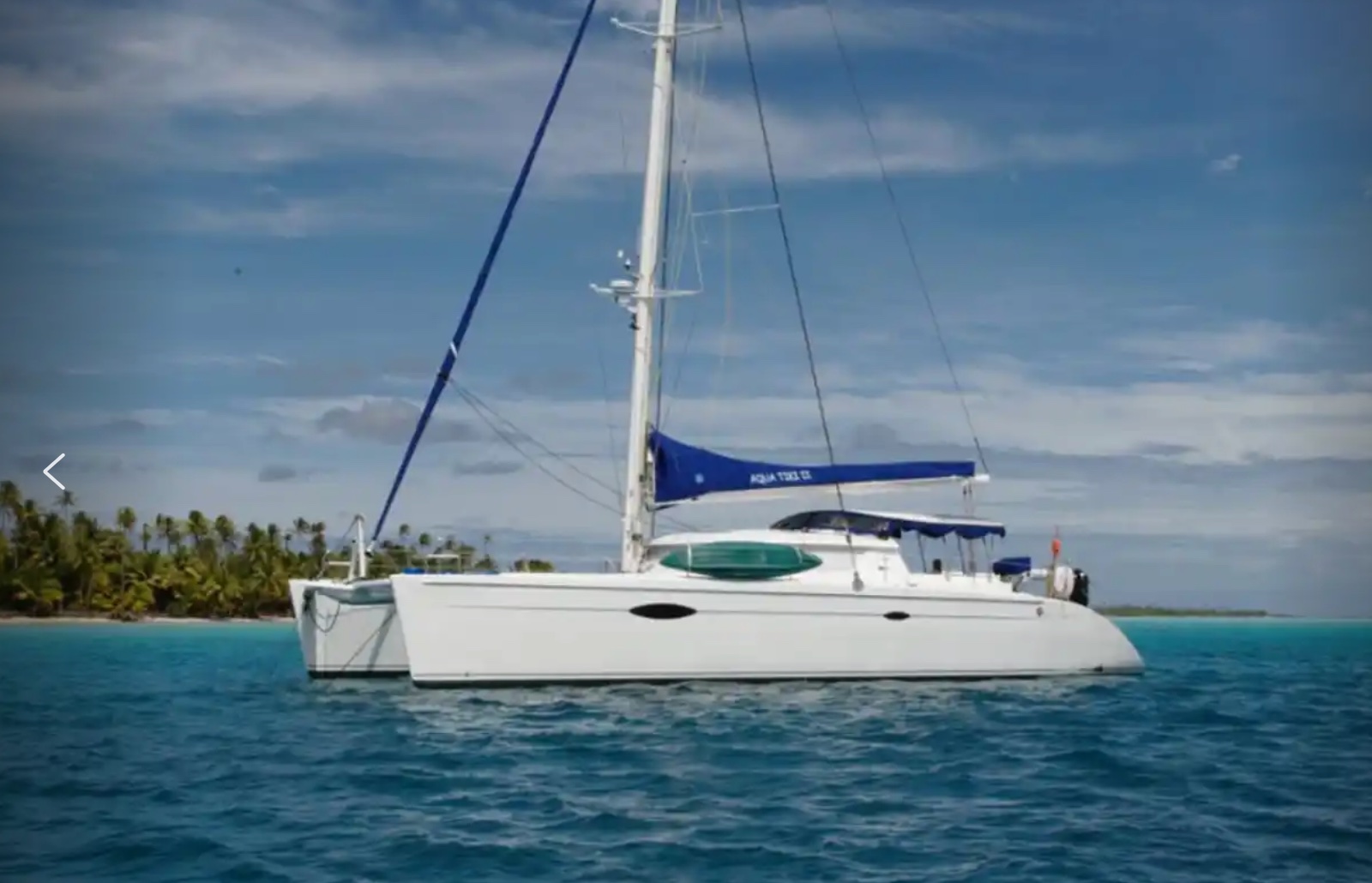
Aqua Tiki II
French Polynesia
8 guests
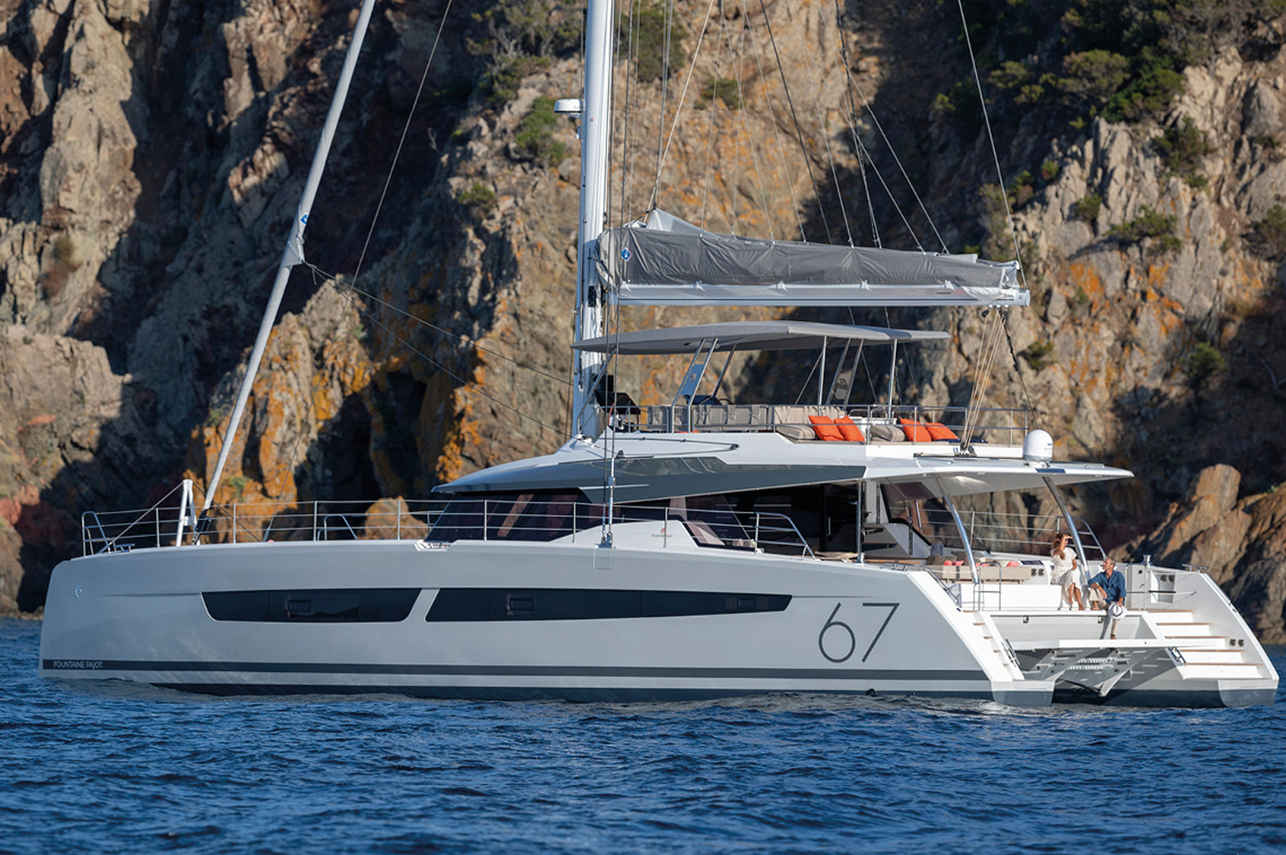
Aqua Tiki III
French Polynesia
10 guests20 m
Dive sites similar to The Small Rose Garden & Coral Wall
Same character, same waters — six more sites divers love for the exact same reasons.Compare seasons, access and liveaboard routes — then pick the site that fits your trip best.
© Esri — Maxar, Earthstar, GIS
Agincourt Reef
Australia
Agincourt Reef sits on the outer edge of the Great Barrier Reef, roughly 60–72 km off Port Douglas in Far North Queensland, at the southern end of the true ribbon reefs that run…
- Suitable for
- Beginner
- Current
- Moderate
- Access
- Dayboat
- Depth
- 2–20 m
- Theme
- Reef / Wall
Ahe Atoll, a remote and authentic destination in French Polynesia, offers a dive experience deeply intertwined with its local pearl farming community.
- Suitable for
- Advanced
- Current
- Strong
- Access
- Liveaboard or dayboat
- Depth
- 5–22 m
- Theme
- Channel / Drift
© Esri — Maxar, Earthstar, GIS
Alacrity Shoal
Fiji
Alacrity Shoal is a premier dive site in Fiji, renowned for its spectacular drift diving opportunities and rich marine biodiversity.
- Suitable for
- Advanced
- Current
- Strong
- Access
- Liveaboard or dayboat
- Depth
- 12–40 m
- Theme
- Drift / Seamount
Alibaba is a renowned drift dive located within the Garuae Pass in northern Fakarava, a UNESCO Biosphere Reserve in the Tuamotu Archipelago.
- Suitable for
- Intermediate
- Current
- Strong
- Access
- Liveaboard only
- Depth
- 5–30 m
- Theme
- Reef
© Esri — Maxar, Earthstar, GIS
Aliko Reef
Micronesia
Aliko Reef is a prominent dive site within Yap, Micronesia, characterized by a captivating underwater topography that blends a mini-wall with an expansive coral plateau.
- Suitable for
- Intermediate
- Current
- Mild
- Access
- Dayboat
- Depth
- 6–15 m
- Theme
- Reef / Wall
© Esri — Maxar, Earthstar, GIS
Amity Point
Australia
Amity Point is a popular shore diving destination located at the northwestern tip of North Stradbroke Island, within the protected waters of Moreton Bay.
- Suitable for
- Beginner
- Current
- Moderate
- Access
- Shore / dayboat
- Depth
- 5–15 m
- Theme
- Reef