About Breath Taker
Breath Taker is a captivating reef wall dive located in Fiji's Bligh Waters, specifically on the Rakiraki side of Viti Levu. It forms part of a larger reef system that includes other notable sites like Golden Dream, offering a comprehensive diving experience in this rich marine area. This site is particularly famous for its consistent shark sightings, making it a thrilling destination for divers seeking encounters with larger marine life. The topography of Breath Taker features a dramatic reef wall adorned with healthy coral formations and accessible swim-throughs, adding an element of exploration to the dive. While specific depths are not detailed for the entire wall, it is characterized as a boat-accessed reef wall that demands attention to strong currents typical of the Bligh Waters, which can influence dive planning and execution. Visibility at the site is generally good, enhancing the appreciation of its vibrant underwater scenery. The Bligh Waters region, where Breath Taker is situated, is globally recognized for its spectacular soft corals, which paint the reefs in hues of pink, purple, and orange. This area is teeming with fish life, including numerous anthias, fusiliers, and various reef fish that contribute to the lively ecosystem. The presence of these abundant prey species likely contributes to the frequent shark visits, a key highlight of diving here. Diving Breath Taker typically involves a boat entry due to its location. Divers should be prepared for potentially strong currents, which often bring out the best in the reef's activity but require good buoyancy control and drift diving techniques. The site is suitable for divers looking for dynamic conditions and opportunities to photograph abundant reef life alongside notable shark species.
Highlights
Frequent shark encountersBligh Waters reef wallHealthy coral formationsExciting swim-throughsStrong current drift divingVibrant soft coralsAbundant reef fish
Season calendar
Best months to dive here
Jan
Feb
Mar
Apr
May
Jun
Jul
Aug
Sep
Oct
Nov
Dec
Excellent
Good
Dive site facts: Breath Taker
- Depth
- 3–36 m
- Current
- Strong
- Visibility
- 15 m
- Water temperature
- 25-29°C
- Entry
- Boat
- Level
- Intermediate
- Dive type
- Reef wall, drift, big animals
- Region / port
- Bligh Waters, Fiji
- Coordinates
- 17.4358° S, 115.7350° E
Conditions & Currents
Breath Taker is known for experiencing strong currents, a common characteristic of dive sites in the Bligh Waters. These currents can be significant, influencing the movement and behavior of marine life, often bringing out more activity on the reef. Divers must be prepared for drift diving conditions, where buoyancy control and an awareness of the current's direction are crucial for a safe and enjoyable experience. The site is boat-accessed, requiring careful entry and exit procedures coordinated with the dive operator. While currents can reduce visibility due to suspended particles, the Bligh Waters generally maintain good clarity, but divers should anticipate some variability based on tidal flows.
Marine life & sighting chances
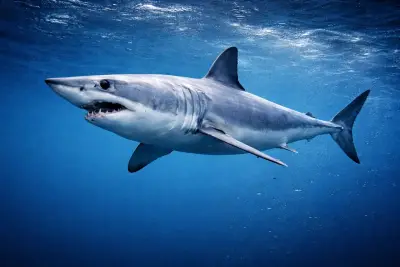
Sharks
common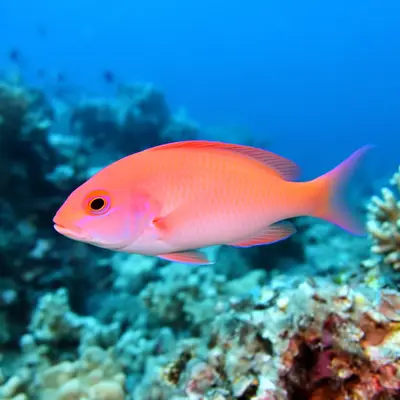
Anthias
common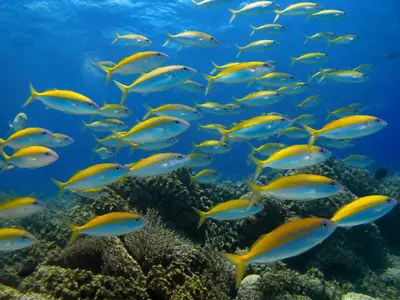
Fusiliers
common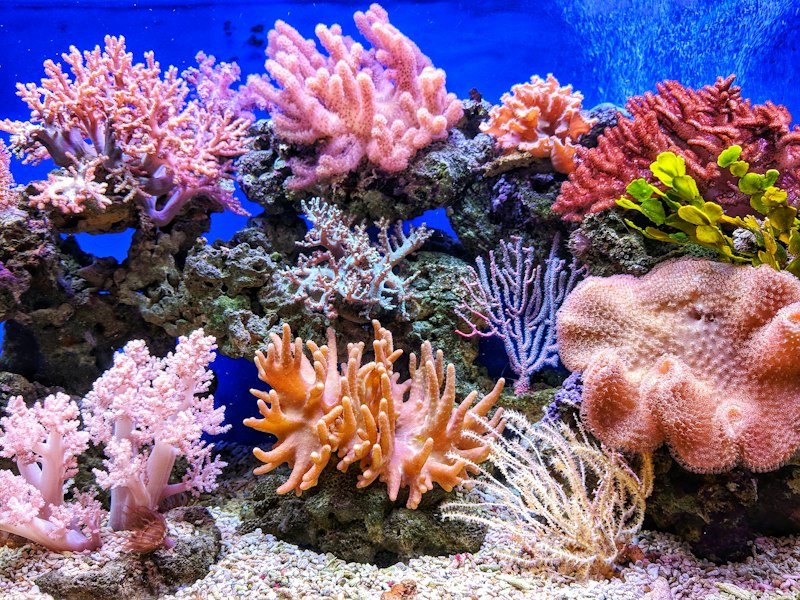
Soft corals
common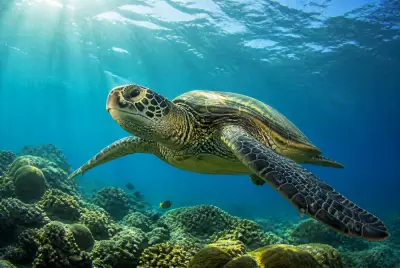
Turtles
occasional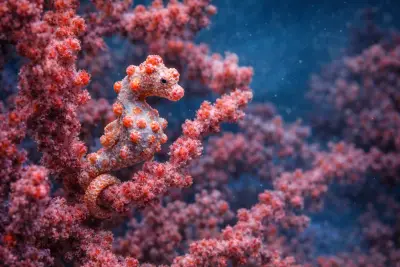
Pygmy seahorses
rare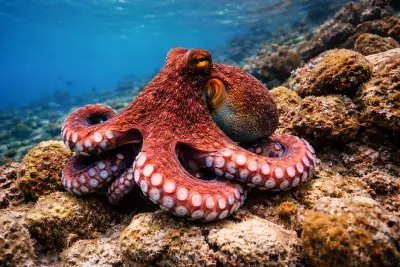
Octopus
occasional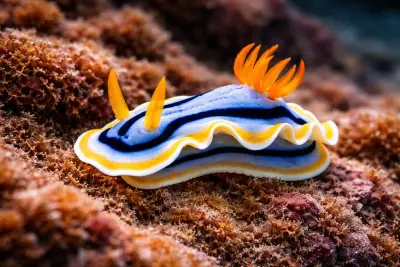
Nudibranch
occasional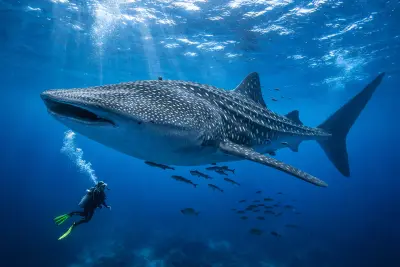
Whale shark
rare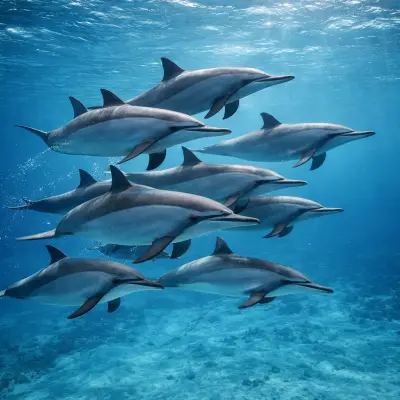
Dolphins
occasionalDive profile & how the dive runs
Diving at Breath Taker typically involves a boat entry directly into the reef wall system in Fiji's Bligh Waters. Due to potentially strong currents, a negative entry may be employed to quickly reach the protection of the reef. The dive follows the contours of the reef wall, exploring various coral formations and swim-throughs. Divers generally drift along the wall, allowing the current to assist with navigation while observing the abundant marine life. The profile is dynamic, with divers managing buoyancy to navigate the reef while keeping an eye out for sharks and schooling fish in the blue. The turn point is often determined by gas consumption or the natural progression of the drift, with the safety stop conducted in a shallower, sheltered section of the reef or as a controlled ascent in the blue, depending on conditions and operator guidance.
Underwater photography
Breath Taker offers excellent opportunities for wide-angle photography, particularly given its reef wall topography and potential for shark sightings. A wide-angle lens is ideal for capturing the expansive coral formations, the dramatic wall, and the silhouettes of divers against the surface or the deep. For close-focus wide-angle shots, utilize external strobes to bring out the vibrant colors of the healthy soft corals and schooling fish. Given the strong currents, maintaining good buoyancy is crucial for stable shots and avoiding contact with the reef. If macro subjects like nudibranchs or pygmy seahorses are found in quieter sections, a macro lens would be required, but the primary draw here is often the larger scale. Be mindful of subject etiquette, especially with sharks, maintaining a respectful distance and avoiding intrusive behavior.
Combine with nearby dive sites
- Golden Dream
Part of a larger site combined with Breath Taker.
- Black Magic Mountain
A highly-rated pinnacle dive also in the Bligh Waters.
- Mellow Yellow
Another world-class pinnacle dive known for soft corals.
- Dream Maker
Features crevices and swim-throughs with both soft and hard corals.
- Three Brothers
Reef line with a swim-through in the Bligh Waters.
Getting there & logistics
Access to Breath Taker is primarily via liveaboard or day boat charters departing from various points in Fiji, including those operating out of Volivoli Beach Resort on the northern tip of Viti Levu. The closest international airport is Nadi (NAN). Liveaboard trips in Fiji, particularly those exploring the Bligh Waters, often range from 7 to 10 days, allowing for comprehensive coverage of multiple dive sites in the region. Day trips may also be available from resorts in Rakiraki. There are typically no specific dive permits or fees beyond what is included in the liveaboard or resort package, but divers should confirm this with their operator. The site is commonly integrated into itineraries that showcase Fiji's diverse reef systems, including its famous soft coral pinnacles and shark diving locations.
Safety & environment
Divers should ensure they have comprehensive dive insurance covering emergency medical treatment and evacuation, as remote diving locations in Fiji mean that advanced medical facilities, including recompression chambers, are not immediately accessible. The nearest recompression chamber for Fiji is in Suva on Viti Levu, or potentially further afield in Australia or New Zealand, necessitating significant travel time in an emergency. Site-specific hazards at Breath Taker include strong currents, which demand excellent buoyancy control and awareness of dive group separation. Adherence to your dive guide's briefing is paramount, especially regarding current mitigation strategies and swim-through navigation. Always dive within your training and experience levels, particularly for intermediate-level dives with overhead environments like swim-throughs, ensuring adequate gas planning and buddy checks.
Who it suits — and who it doesn't
Suited for
- Advanced Open Water divers with current experience
- Drift diving enthusiasts
- Underwater photographers seeking wide-angle subjects
- Divers interested in shark encounters
- Explorers of reef walls and swim-throughs
Less suited for
- Beginner divers new to currents
- Those without good buoyancy control
- Divers uncomfortable with potential overhead environments
- Individuals prone to seasickness in choppy conditions
- Divers solely focused on macro photography
FAQ
Breath Taker FAQ
What kind of marine life can I expect at Breath Taker?
Breath Taker is renowned for its frequent shark sightings, making it a thrilling dive for those interested in larger marine species. Beyond sharks, you can expect to see abundant schooling fish like anthias and fusiliers, which thrive in the nutrient-rich currents. The site also features vibrant soft corals and healthy reef ecosystems, supporting occasional sightings of turtles, octopi, and various nudibranchs.
What are the typical dive conditions at Breath Taker?
Divers at Breath Taker should be prepared for strong currents, which are characteristic of this site within the Bligh Waters. While challenging, these currents contribute to the rich marine life activity. Visibility generally hovers around 15 meters, offering clear views of the reef wall and its inhabitants. The water temperature is warm, typically ranging between 25-29°C year-round.
Is Breath Taker suitable for all levels of divers?
Breath Taker is best suited for intermediate-level divers or those with experience in current. Its strong currents and the presence of swim-throughs require good buoyancy control and comfort with drift diving techniques. Beginners might find the conditions challenging, making it less ideal for their first experiences with significant currents or overhead environments.
How is Breath Taker accessed, and what are the trip durations?
Breath Taker is a boat-access-only site, typically reached via liveaboards or day trips from resorts like Volivoli on Viti Levu. Liveaboard itineraries exploring the Bligh Waters often range from 7 to 10 days, allowing multiple dives at sites like Breath Taker and its neighbors. Day trips provide a quicker option for those staying on shore, focusing on nearby dive spots.
What photographic opportunities does Breath Taker offer?
Breath Taker provides excellent opportunities for wide-angle underwater photography. Its dramatic reef wall, vibrant soft corals, and frequent shark encounters are ideal subjects for capturing expansive and dynamic scenes. Divers should bring wide-angle lenses and consider external strobes to highlight the colorful corals. Good buoyancy control is essential for stable shots in the currents.
Why dive Breath Taker from a liveaboard?
Breath Taker is one of Fiji's signature dive sites. A liveaboard sleeps you on the water and puts you in the water for three to four guided dives per day, including dawn and night dives that day-boat operators rarely offer. You skip the daily commute back to port and reach quieter, less-crowded sites in the same region on a single trip.
Below are the liveaboards that include Breath Taker on their Fiji itineraries.
Liveaboards diving Breath Taker
These liveaboards may visit Breath Taker on selected itineraries — the exact dive sites depend on departure, weather and conditions.
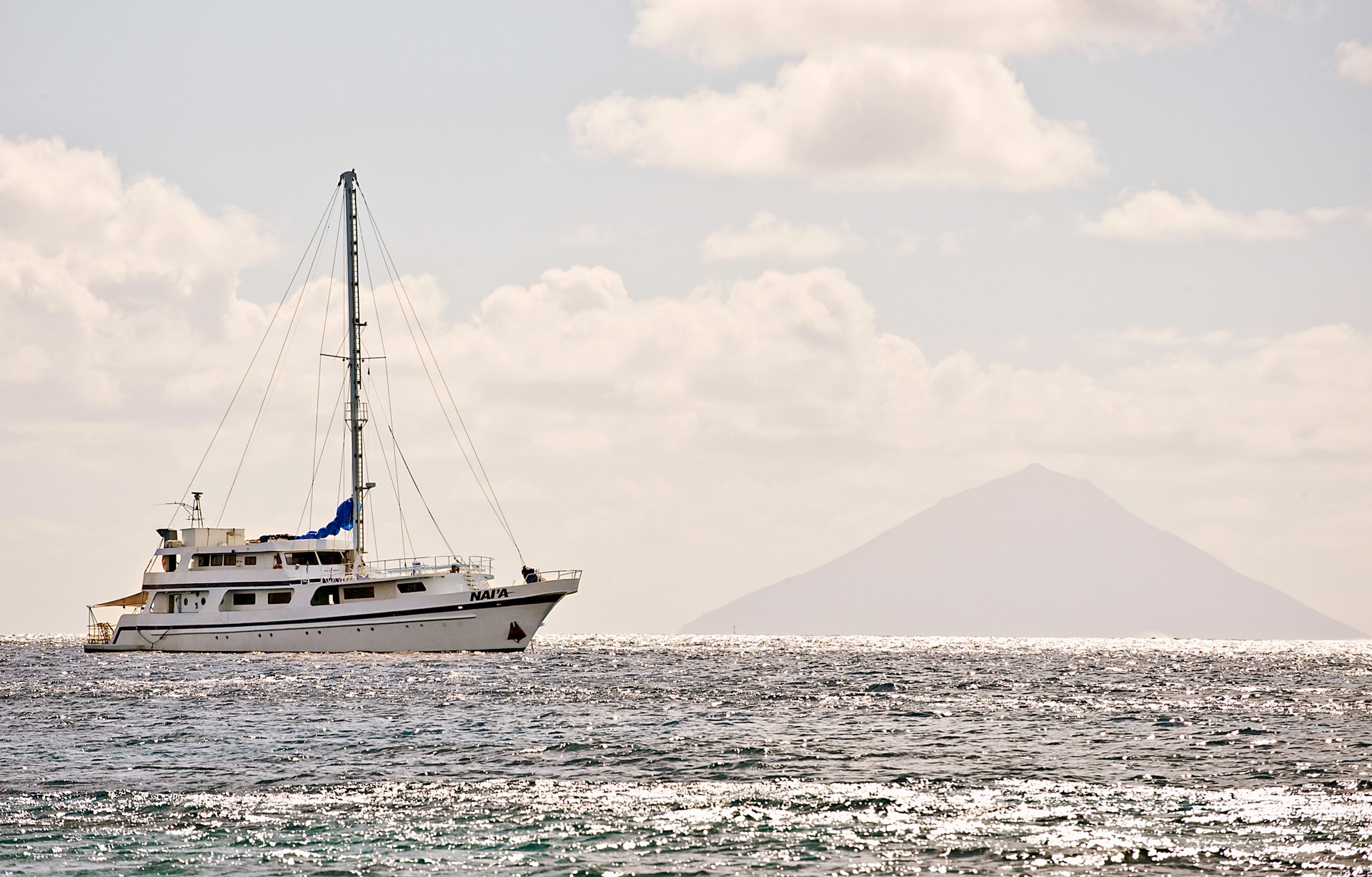
Nai'a
Fiji
16 guests36.576 m
$547/day
Dive sites similar to Breath Taker
Same character, same waters — six more sites divers love for the exact same reasons.Compare seasons, access and liveaboard routes — then pick the site that fits your trip best.
© Esri — Maxar, Earthstar, GIS
Jim's Alley
Fiji
Jim's Alley is a renowned soft coral garden located off Gau Island in Fiji's Koro Sea, forming part of a multi-stop diving itinerary in the region.
- Suitable for
- Beginner
- Current
- Mild
- Access
- Liveaboard only
- Depth
- ≤ 21 m
- Theme
- Reef
© Esri — Maxar, Earthstar, GIS
Manta Channel, situated off Kadavu Island in Fiji, is a world-class dive destination primarily celebrated for its frequent sightings of manta rays.
- Suitable for
- Advanced
- Current
- Strong
- Access
- Liveaboard or dayboat
- Depth
- 8–20 m
- Theme
- Channel / Drift
© Esri — Maxar, Earthstar, GIS
Sam's Point
Fiji
Sam's Point is one of the celebrated patch reefs found within the Somosomo Strait, a narrow channel between Vanua Levu and Taveuni in Fiji.
- Suitable for
- Advanced
- Current
- Strong
- Access
- Dayboat
- Depth
- 8–27 m
- Theme
- Reef / Drift
© Esri — Maxar, Earthstar, GIS
Rainbow's End
Fiji
Rainbow's End is a top dive site located in the Somosomo Strait, a channel separating Taveuni and Vanua Levu islands, known as the 'Soft Coral Capital of the World'.
- Suitable for
- Intermediate
- Current
- Moderate
- Access
- Liveaboard or dayboat
- Depth
- 10–30 m
- Theme
- Reef / Drift
© Esri — Maxar, Earthstar, GIS
Wilkes Passage
Fiji
Wilkes Passage is a dive site located within the Malolo Barrier Reef in Fiji's Mamanuca Group, southwest of Nadi on Viti Levu.
- Suitable for
- Intermediate
- Current
- Moderate
- Access
- Dayboat
- Depth
- 15–20 m
- Theme
- Reef / Drift
© Esri — Maxar, Earthstar, GIS
Makogai Island
Fiji
Makogai Island, located in Fiji's Lomaiviti Group and visible from Wakaya Island, is home to a significant marine sanctuary.
- Suitable for
- Intermediate
- Current
- Moderate
- Access
- Liveaboard only
- Depth
- 3–18 m
- Theme
- Reef