About Manta Channel - Kadavu
Manta Channel, situated off Kadavu Island in Fiji, is a world-class dive destination primarily celebrated for its frequent sightings of manta rays. As part of the expansive Great Astrolabe Reef, the fourth largest barrier reef globally, this site benefits from strong currents that funnel nutrient-rich water, creating an ideal feeding and cleaning station for these magnificent creatures. The channel’s unique topography and location contribute to a thriving ecosystem, supporting both large pelagics and a dazzling display of reef fish. Diving here means navigating through passages where currents bring in a continuous supply of food, attracting not only manta rays but also various shark species, tuna, and trevally. The reef itself boasts an impressive diversity of both hard and soft corals, forming colorful underwater landscapes that are home to countless smaller reef inhabitants. These vibrant coral gardens provide shelter and sustenance, making every dive a dynamic and visually rich experience. The typical dive profile at Manta Channel involves a drift, allowing divers to effortlessly glide along with the current while observing the marine spectacle. Optimal manta ray encounters are particularly high between May and November, when they congregate for cleaning and feeding. However, sightings are possible year-round, underscoring the channel's consistent appeal. The site promises an exhilarating experience for divers keen on big animal encounters and exploring a pristine reef environment. Accessibility to Manta Channel and other Kadavu dive sites is predominantly through resort-based operations, as liveaboards have not yet become a common option for this remote region. This setup ensures a focused and often intimate diving experience, with local guides providing expertise on current conditions and marine life hotspots.
Highlights
Year-round manta ray sightingsDrift diving experienceGreat Astrolabe ReefDiverse hard and soft coralsPelagic fish encountersCleaning stations
Season calendar
Best months to dive here
Jan
Feb
Mar
Apr
May
Jun
Jul
Aug
Sep
Oct
Nov
Dec
Good
Dive site facts: Manta Channel - Kadavu
- Depth
- 5–30 m
- Current
- Strong
- Visibility
- 20–40 m
- Water temperature
- 24–29°C
- Entry
- Tender / negative entry
- Level
- Advanced recommended, drift experience helpful
- Dive type
- Drift, pelagic, coral garden
- Region / port
- Kadavu, Fiji
- Coordinates
- -19.05, 178.2167
Conditions & Currents
Manta Channel is characterized by strong, consistent currents that act as a conduit for nutrients, making it a prime location for drift diving. These currents are integral to attracting the abundant marine life, particularly manta rays, so divers should be comfortable with moving water. Entry typically involves a negative descent to quickly reach the desired depth and begin drifting with the reef. Guides meticulously brief divers on the current direction, expected speed, and appropriate body positioning to conserve energy and maximize bottom time. Maintaining strong buoyancy control and situational awareness is crucial to avoid unintended descents or ascents, and to stay in close proximity to the dive group. Divers should be prepared for potential surge, especially near cleaning stations, and anticipate varying visibility depending on the plankton concentration carried by the currents.
Marine life & sighting chances

Manta Ray
May-November (peak), year-round (common) · common
Grey Reef Shark
occasional
Whitetip Reef Shark
occasional
Tuna
occasional
Giant Trevally
occasional
Marlin
rare
Dolphin
rare
Humpback Whale
July-September · rare
Short-finned Pilot Whale
April-May · rare
Nudibranch
occasional
Anemonefish
common
Fusilier
commonDive profile & how the dive runs
Dives at Manta Channel are typically drift dives, beginning with a negative entry from the tender boat to quickly descend and synchronize with the current. Divers will follow the dive guide along the reef edge or through the channel, allowing the current to carry them past cleaning stations and feeding areas where manta rays are frequently observed. The depth will vary, often ranging between 5 and 30 meters, as the profile follows the contours of the channel and reef. The guide will lead the group towards areas with higher pelagic activity, allowing opportunities for observation and photography. The dive concludes with a safety stop in a more sheltered area or by deploying a surface marker buoy for boat pick-up, with the boat tracking the divers throughout the drift.
Underwater photography
Manta Channel is an exceptional location for wide-angle photography, primarily due to the frequent manta ray encounters and expansive coral formations. A fisheye or wide-angle rectilinear lens is essential to capture the full scope of these large pelagics and the vibrant reefscape. Natural light is often sufficient in the shallower sections, but strobes are highly recommended to bring out the true colors of the corals and mantas, especially when shooting into the blue. Pay close attention to your buoyancy during drift dives to avoid stirring up sediment or disturbing marine life, particularly around cleaning stations. Approach manta rays slowly and respectfully, maintaining a safe distance to ensure they remain comfortable in their natural environment and continue their interactions with the reef. Given the strong currents, maintaining a steady shot can be challenging, so a fast shutter speed or proper strobe synchronization is beneficial.
Combine with nearby dive sites
- Naiqoro Passage
A break in the reef, known for various reef and large pelagic fish species.
- Alacrity Shoal
Part of the Alacrity Rocks, featuring swim-throughs and caverns with mesmerizing light effects.
- Namalata Reef
Located north of Kadavu, offering diverse passages and submerged pinnacles.
- Tavuki Reef
Another northern Kadavu site with varied topography and manta ray cleaning stations.
Getting there & logistics
Access to Kadavu and its Manta Channel typically begins with an international flight to Nadi International Airport (NAN) on Viti Levu, Fiji's main island. From Nadi, travelers take a domestic flight to Kadavu's airport. Resorts on Kadavu, such as Matava Eco Adventure Resort or Oneta Resort, then arrange boat transfers to their respective locations, as many are situated on smaller outer islands like Ono Island. Since liveaboards are not common in Kadavu waters, diving here is primarily resort-based. Trip lengths usually vary from 5 to 10 days, allowing for multiple dives at Manta Channel and other sites along the Great Astrolabe Reef. Marine park fees are often handled by the dive operators or resorts and are typically included in dive packages. Kadavu is often combined with other South Pacific island experiences rather than extensive liveaboard itineraries within Fiji.
Safety & environment
Diving at Manta Channel, especially with its strong currents, requires adherence to strict safety protocols. Divers must be comfortable with drift diving techniques, including negative entries and deploying surface marker buoys for boat retrieval. It is highly advisable to have dive insurance that covers emergency evacuation and recompression, as the nearest recompression chamber is located in Suva, on Viti Levu, which can be a significant distance depending on your exact location on Kadavu. Evacuation from the remote islands of Kadavu typically involves boat transfers to the main island and then air transport, which can be time-consuming. Always dive within your certification limits and follow your dive guide's instructions closely. Maintaining excellent buoyancy control and vigilant buddy monitoring is crucial in dynamic current conditions. Pay attention to any briefings regarding specific hazards, such as strong downcurrents or boat traffic in the channel.
Who it suits — and who it doesn't
Suited for
- Advanced divers comfortable with currents
- Photographers seeking wide-angle opportunities
- Divers passionate about pelagic encounters
- Enthusiasts of pristine coral reef environments
- Divers seeking remote, resort-based experiences
Less suited for
- Beginner divers without drift experience
- Divers uncomfortable with strong currents
- Individuals prone to seasickness
- Divers expecting liveaboard convenience
- Those preferring calmer, sheltered dive sites
FAQ
Manta Channel - Kadavu FAQ
What kind of marine life can I expect to see at Manta Channel?
Manta Channel is famous for its consistent manta ray sightings, especially between May and November, as they gather for cleaning and feeding. Beyond manta rays, you can also encounter various pelagic species like grey reef sharks, whitetip reef sharks, tuna, and giant trevally. The reef itself teems with diverse hard and soft corals, fusiliers, anemonefish, and occasional nudibranchs.
Are the currents strong at Manta Channel?
Yes, Manta Channel is known for its strong currents. These currents are essential as they bring in the nutrient-rich waters that attract the abundant marine life, particularly the manta rays. Divers should be experienced with drift diving techniques and possess good buoyancy control to comfortably and safely enjoy the dive.
What is the best time of year to dive Manta Channel?
The dry season, from May to October, is generally considered the best time to dive Manta Channel. During these months, visibility is excellent, often exceeding 30 meters, and water temperatures are slightly cooler, around 24-26°C. While manta rays are present year-round, their activity and the overall dive conditions are optimal during this period.
How do I get to Manta Channel and the dive sites around Kadavu?
To reach Manta Channel, you first fly internationally to Nadi International Airport (NAN) in Fiji. From Nadi, you'll take a domestic flight to Kadavu. Dive operators and resorts on Kadavu then arrange boat transfers to their locations and the dive sites. Unlike other regions, diving in Kadavu is primarily resort-based, as liveaboards do not commonly operate here.
Is Manta Channel suitable for all diver levels?
Manta Channel is best suited for advanced divers who are comfortable with strong currents and proficient in drift diving. While some areas of the Great Astrolabe Reef might accommodate less experienced divers, the channel itself requires good buoyancy control and situational awareness due to the dynamic water movement. Beginners without drift diving experience may find the conditions challenging.
Why dive Manta Channel - Kadavu from a liveaboard?
Manta Channel - Kadavu is one of Fiji's signature dive sites. A liveaboard sleeps you on the water and puts you in the water for three to four guided dives per day, including dawn and night dives that day-boat operators rarely offer. You skip the daily commute back to port and reach quieter, less-crowded sites in the same region on a single trip.
Below are the liveaboards that include Manta Channel - Kadavu on their Fiji itineraries.
Liveaboards diving Manta Channel - Kadavu
These liveaboards may visit Manta Channel - Kadavu on selected itineraries — the exact dive sites depend on departure, weather and conditions.
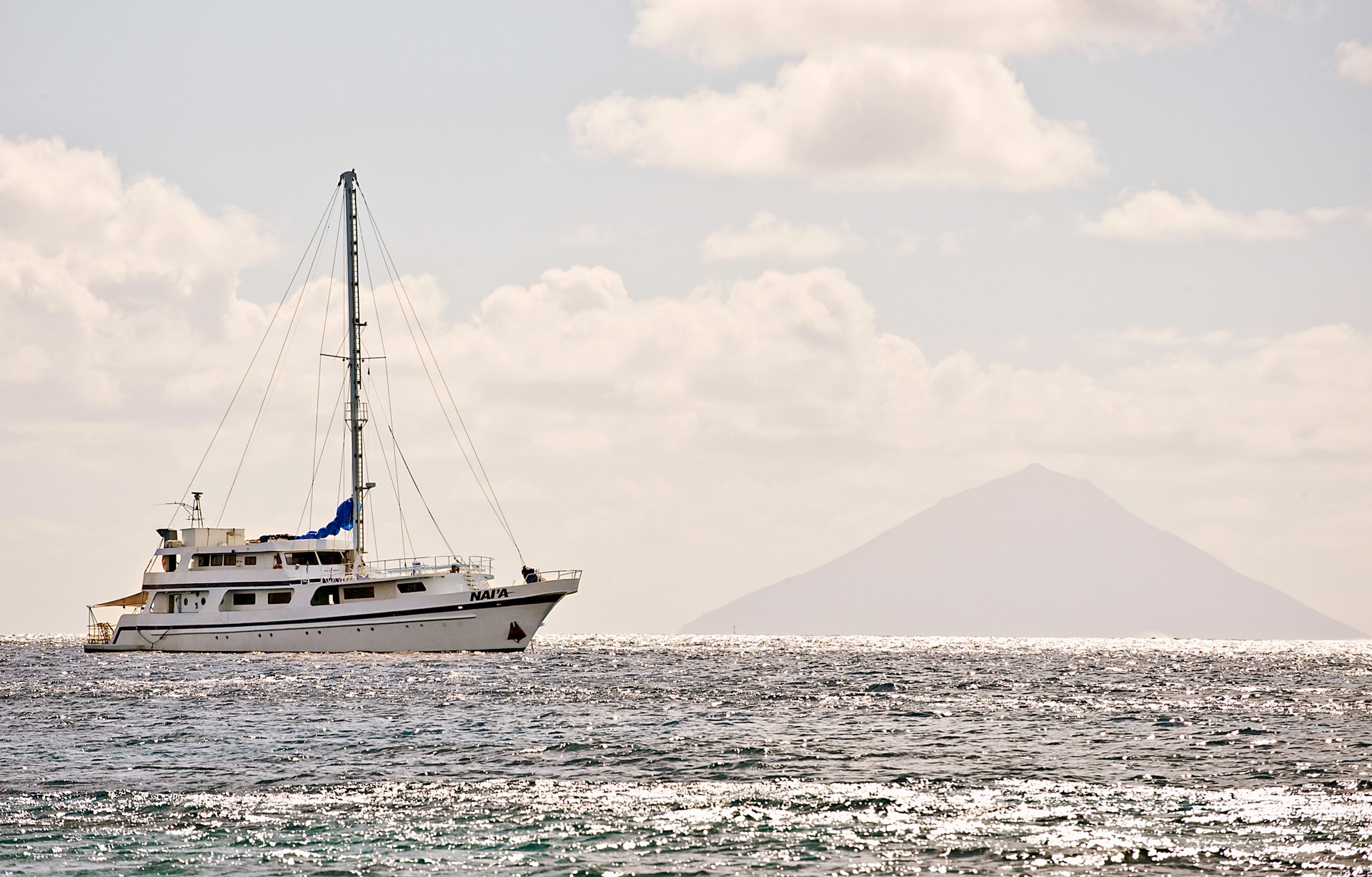
Nai'a
Fiji
16 guests36.576 m
$547/day
Dive sites similar to Manta Channel - Kadavu
Same character, same waters — six more sites divers love for the exact same reasons.Compare seasons, access and liveaboard routes — then pick the site that fits your trip best.
© Esri — Maxar, Earthstar, GIS
Sam's Point
Fiji
Sam's Point is one of the celebrated patch reefs found within the Somosomo Strait, a narrow channel between Vanua Levu and Taveuni in Fiji.
- Suitable for
- Advanced
- Current
- Strong
- Access
- Dayboat
- Depth
- 8–27 m
- Theme
- Reef / Drift
© Esri — Maxar, Earthstar, GIS
Rainbow's End
Fiji
Rainbow's End is a top dive site located in the Somosomo Strait, a channel separating Taveuni and Vanua Levu islands, known as the 'Soft Coral Capital of the World'.
- Suitable for
- Intermediate
- Current
- Moderate
- Access
- Liveaboard or dayboat
- Depth
- 10–30 m
- Theme
- Reef / Drift
© Esri — Maxar, Earthstar, GIS
Wilkes Passage
Fiji
Wilkes Passage is a dive site located within the Malolo Barrier Reef in Fiji's Mamanuca Group, southwest of Nadi on Viti Levu.
- Suitable for
- Intermediate
- Current
- Moderate
- Access
- Dayboat
- Depth
- 15–20 m
- Theme
- Reef / Drift
© Esri — Maxar, Earthstar, GIS
Namena Marine Reserve, nestled in Fiji's Koro Sea, is a crown jewel among the world's elite dive spots, consistently ranked as one of the best global destinations for scuba diving.
- Suitable for
- Advanced
- Current
- Moderate
- Access
- Liveaboard only
- Depth
- 5–40 m
- Theme
- Reef / Wall
© Esri — Maxar, Earthstar, GIS
Shark Fin Point
Fiji
Shark Fin Point, also known as Shark Point, is located off the northeast coast of Koro Island in Fiji.
- Suitable for
- Advanced
- Current
- Strong
- Access
- Liveaboard only
- Depth
- 5–29 m
- Theme
- Drift / Reef
© Esri — Maxar, Earthstar, GIS
Dream Maker
Fiji
Dream Maker is a captivating dive site situated on the main reef's point in Fiji, featuring a dynamic topography rich with numerous crevices and swim-throughs.
- Suitable for
- Intermediate
- Current
- Moderate
- Access
- Dayboat
- Depth
- 3–24 m
- Theme
- Reef / Wall