About Naiqoro Passage
Naiqoro Passage is a celebrated dive site in the Kadavu region of Fiji, offering an exciting exploration of both shallow reefs and deeper channels. This renowned passage is part of the Great Astrolabe Reef, a vast barrier reef system surrounding Kadavu, making it a prime location for energetic channel diving. Divers here can expect a dynamic experience, characterized by strong currents that sweep through the channel, bringing with them a rich display of marine biodiversity. The topography of Naiqoro Passage features dramatic walls and gently sloping reefs, adorned with stunning coral formations. The site is particularly famous for its prolific soft corals, which thrive in the nutrient-rich currents. These vibrant corals create a kaleidoscopic underwater landscape, attracting a wide array of reef fish and pelagic species. Marine life in Naiqoro Passage is abundant year-round, but specific seasons enhance certain encounters. During the drier months from May to October, visibility is at its peak, offering clearer views of the vibrant soft corals and schooling fish. The wet season, from November to April, brings warmer waters and increased plankton, which can attract larger filter feeders like manta rays. Encounters with grey reef sharks, barracuda, and various reef species are common. Diving Naiqoro Passage typically involves a drift, leveraging the strong currents to navigate the channel. This allows divers to effortlessly observe the bustling marine ecosystem. The dive offers both thrilling drift opportunities and more sheltered areas, providing a comprehensive Fijian diving experience that showcases the unique beauty of its reef systems.
Highlights
Vibrant soft coral gardensAdrenaline-pumping drift divingEncounters with pelagic speciesAbundant reef fish schoolsDramatic channel topographyFiji's Great Astrolabe Reef
Season calendar
Best months to dive here
Jan
Feb
Mar
Apr
May
Jun
Jul
Aug
Sep
Oct
Nov
Dec
Excellent
Good
Off-Season
May – Oct
Dry season with best visibility up to 35m. Cooler water brings manta rays. Peak soft coral season.
Apr & Nov
Transition months with good conditions. Fewer tourists and competitive liveaboard rates.
Dec – Mar
Wet season with higher rainfall and reduced visibility. Warmer water. Cyclone season possible.
Dive site facts: Naiqoro Passage
- Depth
- 15–30 m
- Typical dive
- 30 m, 45 min
- Current
- Moderate to strong
- Visibility
- 15–30 m
- Water temperature
- 24–30 °C
- Entry
- Boat
- Level
- Intermediate to advanced
- Dive type
- Drift, wall, channel
- Region / port
- Kadavu, Fiji
- Coordinates
- -19.03, 178.25
Conditions & Currents
Naiqoro Passage is known for its moderate to strong currents, typical of channel dives within the Great Astrolabe Reef. These currents are often the key feature of the dive, providing exhilarating drift opportunities and carrying nutrients that fuel the site's vibrant soft coral growth. Divers should be prepared for varying current strengths, particularly during incoming tides, which can create an 'adrenaline-pumping' experience. Entry is typically by boat, often involving a negative entry to quickly descend and avoid being swept past the intended dive area. Exits usually involve surfacing away from the main current flow or being picked up by the dive tender. While currents are a highlight, a mild surge can also be present, especially closer to the surface. Visibility is generally excellent, ranging from 15 to 30 meters, but it can fluctuate with stronger currents or after heavy rainfall
Marine life & sighting chances

Grey Reef Shark
common
Barracuda
common
Manta Ray
May to October · occasional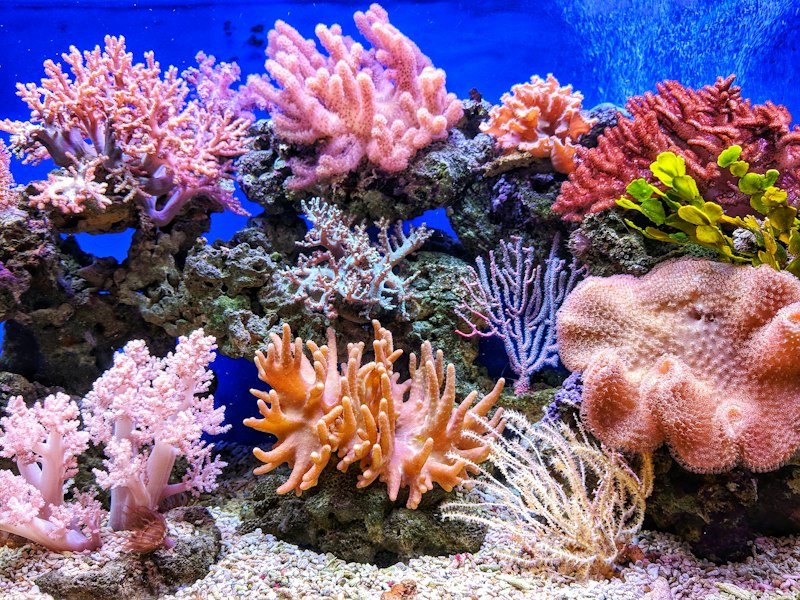
Soft Coral
common
Hard Coral
common
Schooling Fish
common
Sea Fan
common
Gorgonian
common
Eagle Ray
occasional
Whale Shark
November to April · rareDive profile & how the dive runs
Diving Naiqoro Passage typically begins with a boat entry, often a negative entry due to the prevailing currents. You descend quickly into the main channel, allowing the current to carry you along the vibrant wall that forms the southern side of the passage. The depth along this wall drops sharply to about 20 meters, before gradually sloping down to a sandy channel floor at 36 meters. Divers generally drift along the wall, observing the abundant soft corals, schooling barracuda, and cruising pelagics. The dive progresses through various sections of the channel, showcasing different coral formations and marine life aggregations. The turning point is often dictated by air consumption and current strength, after which the group will begin a slow ascent, utilizing less turbulent areas or deploying a SMB for pickup by the tender. Safety stops are conducted during the ascent, often in more sheltered parts of the channel or shallower reef sections before surfacing.
Underwater photography
Naiqoro Passage is a fantastic location for wide-angle photography, capturing the expansive soft coral walls and large schools of fish. A wide-angle lens is essential to encompass the scale of the channel and its vibrant coral formations. When currents are strong, be prepared for fast-moving subjects, so a faster shutter speed may be beneficial. Strobes are highly recommended to bring out the true colors of the soft corals, which can appear muted at depth without artificial light. For capturing schooling barracuda or grey reef sharks, patience and an understanding of current dynamics are key. Buoyancy control is paramount to avoid damaging the delicate corals during the drift. Macro opportunities exist in quieter sections of the reef, but the primary draw here is the grand, sweeping vistas.
Combine with nearby dive sites
- Purple Wall
Another excellent drift dive within Naiqoro Passage, known for its soft corals and pelagics.
- Japanese Garden
A site within Naiqoro Passage featuring stunning sea fans and abundant fish life, especially at deeper points.
- Manta Channel - Kadavu
A primary feeding area for oceanic manta rays, with cleaning stations.
- Three Brothers
Advanced dive with three coral pinnacles, attracting sharks and pelagics in accelerated currents.
- Filipe's Reef
Sheltered site excellent for macro photography with lettuce coral and critters.
Getting there & logistics
Access to Naiqoro Passage typically involves flying into Suva (SUV) or Nadi (NAN) International Airport in Fiji. From Suva, a short 30-minute domestic flight can take you to Kadavu. Many dive resorts on Kadavu offer day boat trips to Naiqoro Passage, while liveaboards like the Fiji Nai'a also frequent the site as part of longer itineraries. Liveaboard trips often span 7 to 10 nights, exploring multiple remote sites across the region. Permits are generally not required for diving Naiqoro Passage, as local operators usually handle any necessary arrangements. Diving this site is commonly combined with other dives around Kadavu and the Great Astrolabe Reef, making it an integral part of a comprehensive Fijian dive experience.
Safety & environment
Diving at Naiqoro Passage requires careful planning due to its moderate to strong currents. Divers should possess an intermediate to advanced certification and experience with drift diving. Always dive within your training limits and follow your dive guide's instructions closely, especially regarding entry and exit procedures. Comprehensive dive insurance is absolutely essential, covering emergency evacuation and recompression. The nearest recompression chamber is located in Suva, requiring potentially significant travel time for emergency cases from Kadavu. Always ensure your equipment is well-maintained and that you have appropriate signaling devices, such as an SMB. Awareness of boat traffic in the channel is also crucial during surface intervals and ascents.
Who it suits, and who it doesn't
Suited for
- Experienced drift divers
- Underwater photographers seeking wide-angle opportunities
- Divers interested in pelagic encounters
- Enthusiasts of vibrant soft coral formations
- Divers seeking dynamic, current-driven dives
Less suited for
- Novice divers without current experience
- Divers prone to seasickness in choppier conditions
- Those strictly seeking macro subjects
- Divers uncomfortable with negative entries
- Individuals not carrying comprehensive dive insurance
FAQ
Naiqoro Passage FAQ
What kind of marine life can I expect at Naiqoro Passage?
Naiqoro Passage is teeming with marine life, especially vibrant soft corals that flourish in the currents. You can frequently spot schools of barracuda and various reef fish. Pelagic encounters include grey reef sharks, and during certain seasons, manta rays or even whale sharks are occasionally sighted.
Is Naiqoro Passage suitable for beginner divers?
Naiqoro Passage is generally considered an intermediate to advanced dive site due to its moderate to strong currents. Divers should have experience with drift diving and excellent buoyancy control. Novice divers without prior current experience might find the conditions challenging.
When is the best time of year to dive Naiqoro Passage for optimal conditions?
The dry season, from May to October, offers the best conditions for diving Naiqoro Passage. During these months, visibility is usually at its peak, and the weather is calmer. This period is ideal for photography and experiencing the full splendor of the soft corals.
What photography gear is best for Naiqoro Passage?
For Naiqoro Passage, a wide-angle lens is highly recommended to capture the expansive soft coral walls and schooling fish. External strobes will enhance the vibrant colors of the corals. Given the potential for strong currents, a camera system that allows for quick adjustments and good stability is beneficial.
How do currents affect diving at Naiqoro Passage?
Currents are a defining feature of Naiqoro Passage, often facilitating an exhilarating drift dive. They are typically moderate to strong, bringing in nutrient-rich water that sustains the diverse marine ecosystem. Divers should be proficient in current diving techniques and follow their guide's instructions for safe navigation.
Are there any specific safety considerations for diving this site?
Due to the currents, strong buoyancy control and experience with drift diving are crucial. Always dive with a reliable dive operator and carry an SMB. Be aware of the nearest recompression chamber in Suva and ensure your dive insurance covers emergency evacuation, as medical facilities on Kadavu are limited.
Why dive Naiqoro Passage from a liveaboard?
Naiqoro Passage is one of Fiji's signature dive sites. A liveaboard sleeps you on the water and puts you in the water for three to four guided dives per day, including dawn and night dives that day-boat operators rarely offer. You skip the daily commute back to port and reach quieter, less-crowded sites in the same region on a single trip.
Below are the liveaboards that include Naiqoro Passage on their Fiji itineraries.
Liveaboards diving Naiqoro Passage
These liveaboards may visit Naiqoro Passage on selected itineraries, the exact dive sites depend on departure, weather and conditions.

Nai'a
Fiji
16 guests37 m
Dive sites similar to Naiqoro Passage
Same character, same waters, six more sites divers love for the exact same reasons.Compare seasons, access and liveaboard routes, then pick the site that fits your trip best.
© EsriMaxar, Earthstar, GIS
Agincourt Reef
Australia
Agincourt Reef sits on the outer edge of the Great Barrier Reef, roughly 60–72 km off Port Douglas in Far North Queensland, at the southern end of the true ribbon reefs that run…
- Suitable for
- Beginner
- Current
- Moderate
- Access
- Dayboat
- Depth
- 2–20 m
- Theme
- Reef / Wall
Ahe Atoll, a remote and authentic destination in French Polynesia, offers a dive experience deeply intertwined with its local pearl farming community.
- Suitable for
- Advanced
- Current
- Strong
- Access
- Liveaboard or dayboat
- Depth
- 5–22 m
- Theme
- Channel / Drift
© EsriMaxar, Earthstar, GIS
Alacrity Shoal
Fiji
Alacrity Shoal is a premier dive site in Fiji, renowned for its spectacular drift diving opportunities and rich marine biodiversity.
- Suitable for
- Advanced
- Current
- Strong
- Access
- Liveaboard or dayboat
- Depth
- 12–40 m
- Theme
- Drift / Seamount
Alibaba is a renowned drift dive located within the Garuae Pass in northern Fakarava, a UNESCO Biosphere Reserve in the Tuamotu Archipelago.
- Suitable for
- Intermediate
- Current
- Strong
- Access
- Liveaboard only
- Depth
- 5–30 m
- Theme
- Reef
© EsriMaxar, Earthstar, GIS
Aliko Reef
Micronesia
Aliko Reef is a prominent dive site within Yap, Micronesia, characterized by a captivating underwater topography that blends a mini-wall with an expansive coral plateau.
- Suitable for
- Intermediate
- Current
- Mild
- Access
- Dayboat
- Depth
- 6–15 m
- Theme
- Reef / Wall
© EsriMaxar, Earthstar, GIS
Amity Point
Australia
Amity Point is a popular shore diving destination located at the northwestern tip of North Stradbroke Island, within the protected waters of Moreton Bay.
- Suitable for
- Beginner
- Current
- Moderate
- Access
- Shore / dayboat
- Depth
- 5–15 m
- Theme
- Reef