About Wilkes Passage
Wilkes Passage is a dive site located within the Malolo Barrier Reef in Fiji's Mamanuca Group, southwest of Nadi on Viti Levu. As a pass in the barrier reef, it serves as a channel that connects the calmer lagoon waters with the open ocean, making it a dynamic environment for marine life and divers. The site primarily features a sandy and hard bottom, ranging in depth from approximately 15 to 20 meters. It is distinguished by substantial colonies of *Tubinaria* coral and a rich presence of soft corals, providing a vibrant underwater landscape. Beyond these coral formations, the passage's open nature can expose divers to a variety of pelagic species drawn to the nutrient-rich currents. Water temperatures in the Mamanucas generally range from 25°C to 30°C throughout the year, supporting a healthy reef ecosystem, though specific bleaching was noted on some deeper bommies inside the lagoon at 27 meters in 2005. Visibility typically ranges from 20 to 40 meters across the Mamanuca Islands, but can vary within passages depending on currents and plankton. Diving Wilkes Passage often involves a drift along the natural flow, offering a different perspective than static reef dives. Its accessibility from resorts on Malolo Lailai, such as Plantation Island Resort and Musket Cove Resort, makes it a frequent inclusion in daily dive itineraries for those exploring the Mamanuca Islands.
Highlights
Malolo Barrier Reef passDrift dive potentialHard and soft coral gardens*Tubinaria* coral coloniesMamanuca Islands locationSandy and hard bottomDiverse reef fish
Season calendar
Best months to dive here
Jan
Feb
Mar
Apr
May
Jun
Jul
Aug
Sep
Oct
Nov
Dec
Good
Dive site facts: Wilkes Passage
- Depth
- 15–20 m
- Current
- Variable, can be strong
- Visibility
- 20–40 m (Mamanuca average)
- Water temperature
- 25–30°C
- Entry
- Boat / drift
- Level
- Intermediate recommended, current experience helpful
- Dive type
- Drift, reef, coral garden
- Night dive
- Possible in Mamanucas
- Region / port
- Mamanuca Islands, Fiji
- Coordinates
- -17.5358, 115.591
Conditions & Currents
Wilkes Passage, being a channel in the barrier reef, is subject to variable currents that can range from mild to strong, especially depending on tidal movements. These currents bring nutrients, supporting diverse marine life and making it suitable for drift diving. Visibility within the Mamanucas is generally excellent, typically between 20 and 40 meters, but can be influenced by tidal flow and plankton blooms, particularly during warmer months. Divers should anticipate potential surge, especially near the reef edges, and be prepared for entry techniques suitable for current, such as a negative entry if conditions dictate. Gas planning should account for increased exertion in current and the possibility of longer safety stops. This site is best navigated by divers with experience in current.
Marine life & sighting chances

Clownfish
common
Bannerfish
common
Angelfish
common
Lobster
occasional
Nudibranch
occasional
Snapper
common
Shrimp
occasional
Scorpionfish
occasional
Moray Eel
common
Octopus
occasional
Reef Sharks
occasionalDive profile & how the dive runs
Diving Wilkes Passage typically involves a live boat drop to begin a drift along the channel. The dive starts in depths around 15-20 meters, where the sandy and hard bottom is adorned with *Tubinaria* and soft coral colonies. Divers follow the current, allowing it to carry them past these vibrant coral formations. Due to the potential for strong currents, maintaining good buoyancy control and staying close to the reef structure is important. The dive progression will naturally move along the passage, with the boat following overhead for pick-up. Safety stops are usually conducted as part of the drift, typically in the calmer, shallower sections towards the end of the drift, often requiring an SMB deployment for boat recognition.
Underwater photography
Wilkes Passage, with its soft corals and reef fish, offers excellent wide-angle opportunities to capture the vibrant reef topography against the clear blue. A wide-angle lens would be ideal for capturing the expanse of the *Tubinaria* and soft coral gardens. For macro enthusiasts, there are smaller critters like nudibranchs, shrimp, and anemonefish to seek out, requiring a macro lens. Given the potential for current, a steady hand and precise buoyancy are crucial for sharp images. Consider using external strobes to bring out the true colors of the corals and marine life, especially in deeper sections or on overcast days. Be mindful of not touching the delicate corals or stirring up sand, which can affect visibility for other photographers and divers.
Combine with nearby dive sites
Getting there & logistics
Wilkes Passage is easily accessible from resorts on Malolo Lailai Island in the Mamanuca Group, which is located approximately fifteen miles southwest of Nadi on Fiji's main island, Viti Levu. Divers typically fly into Nadi International Airport (NAN). From Nadi, transfers to Malolo Lailai are arranged, often via catamaran or resort-specific boats. Dive trips to Wilkes Passage are usually conducted as daily excursions from dive centers like Subsurface Fiji, operating from resorts such as Musket Cove Resort or Plantation Island Resort. These centers offer two-tank morning trips and single afternoon dives, with most sites being 2 to 30 minutes away by boat. There are no specific park fees mentioned for Wilkes Passage itself, but resort diving packages will include boat fees and guide services. Trips typically range from a few days to a week-long stay at a Mamanuca resort.
Safety & environment
For diving in Wilkes Passage and the Mamanuca Islands, it is crucial to have appropriate dive insurance that covers emergency medical treatment and evacuation. The nearest recompression chamber is located in Suva, on Viti Levu, making evacuation a significant logistical undertaking in case of a serious incident. Divers should be aware of potentially strong currents within the passage, requiring good buoyancy control and surface marker buoy deployment for safe ascent and boat pickup. Always dive within your certification limits and experience level, especially concerning current conditions. Follow your dive guide's instructions closely, maintain buddy contact, and conduct thorough pre-dive safety checks. Staying hydrated and well-rested is also key to safe diving in tropical environments.
Who it suits — and who it doesn't
Suited for
- Intermediate to advanced divers comfortable with currents
- Divers seeking vibrant hard and soft coral landscapes
- Photographers interested in wide-angle reef shots
- Divers staying at Mamanuca Island resorts
Less suited for
- Beginner divers without current experience
- Divers seeking purely macro-focused dives
- Divers who prefer static, current-free environments
- Those prone to seasickness in choppy surface conditions
FAQ
Wilkes Passage FAQ
What kind of marine life can I expect to see at Wilkes Passage?
Wilkes Passage is home to a variety of reef fish, including common sightings of clownfish, bannerfish, angelfish, and snapper. You might also spot moray eels, lobsters, shrimp, and various nudibranchs tucked among the corals. Occasionally, reef sharks can be seen patrolling the passage, adding to the excitement of the dive experience.
Is Wilkes Passage suitable for beginner divers?
Wilkes Passage is generally recommended for intermediate to advanced divers. Being a pass in the barrier reef, it can experience variable and sometimes strong currents, which require good buoyancy control and experience with drift diving. Beginners without prior experience in currents might find the conditions challenging.
What are the typical dive depths at Wilkes Passage?
The typical dive depths at Wilkes Passage range from approximately 15 to 20 meters. This depth band allows for good light penetration, illuminating the extensive *Tubinaria* and soft coral colonies that characterize the sandy and hard bottom of the passage. Dives are generally conducted within recreational limits.
How is the visibility at Wilkes Passage?
Visibility in the Mamanuca Islands, including Wilkes Passage, is generally excellent, often ranging between 20 and 40 meters. However, as a passage, visibility can be influenced by tidal currents and plankton blooms, particularly during warmer months. Despite variations, the water remains clear enough to appreciate the vibrant corals and marine life.
How do you access Wilkes Passage for diving?
Wilkes Passage is primarily accessed via day boat trips from resorts located on Malolo Lailai Island, such as Plantation Island Resort and Musket Cove Resort. Dive centers typically operate scheduled excursions, with boat rides to the site taking between 2 to 30 minutes. Divers usually enter the water directly from the boat for a drift dive.
Why dive Wilkes Passage from a liveaboard?
Wilkes Passage is one of Fiji's signature dive sites. A liveaboard sleeps you on the water and puts you in the water for three to four guided dives per day, including dawn and night dives that day-boat operators rarely offer. You skip the daily commute back to port and reach quieter, less-crowded sites in the same region on a single trip.
Below are the liveaboards that include Wilkes Passage on their Fiji itineraries.
Liveaboards diving Wilkes Passage
These liveaboards may visit Wilkes Passage on selected itineraries — the exact dive sites depend on departure, weather and conditions.
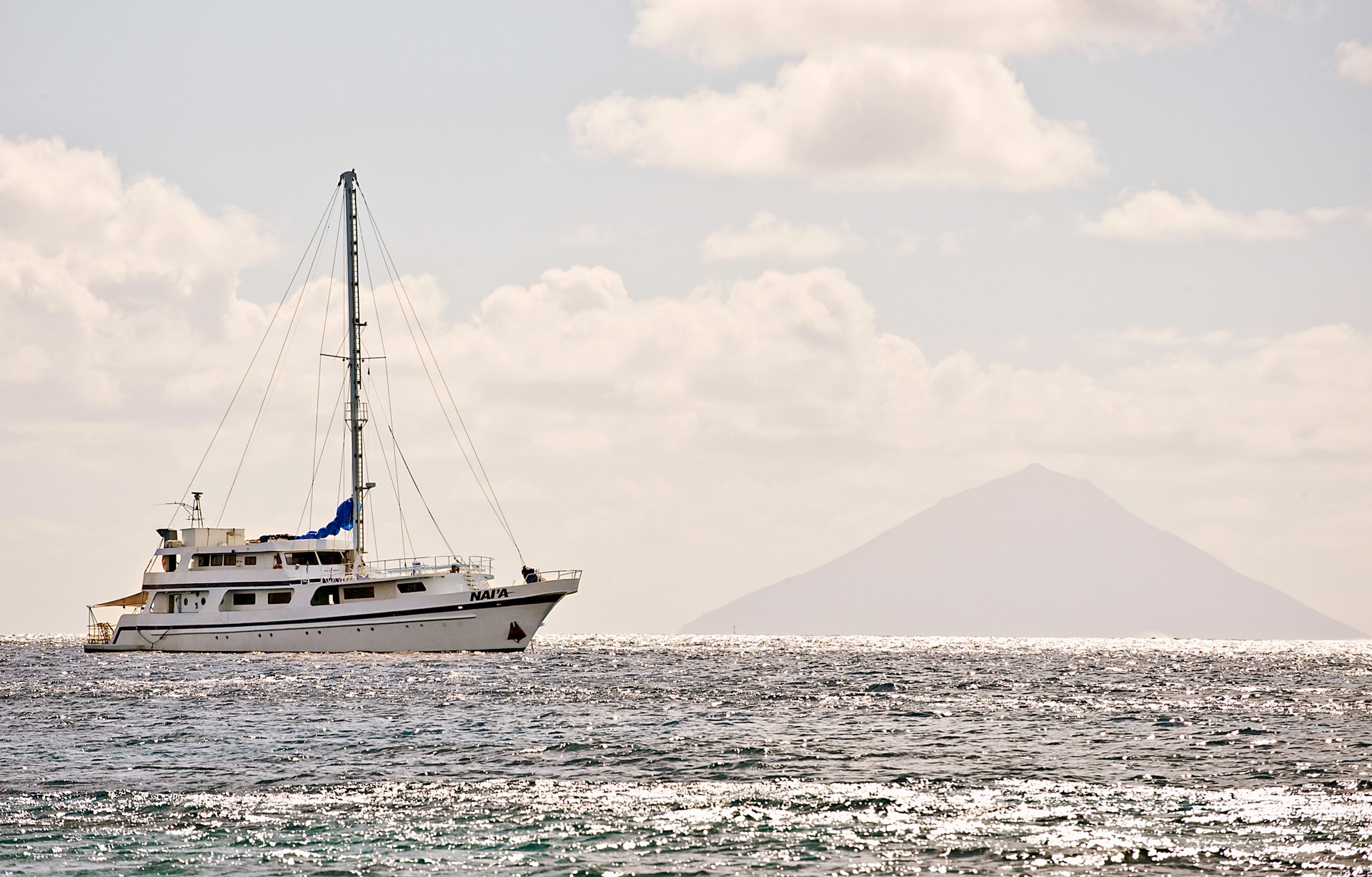
Nai'a
Fiji
16 guests36.576 m
$547/day
Dive sites similar to Wilkes Passage
Same character, same waters — six more sites divers love for the exact same reasons.Compare seasons, access and liveaboard routes — then pick the site that fits your trip best.
© Esri — Maxar, Earthstar, GIS
Jim's Alley
Fiji
Jim's Alley is a renowned soft coral garden located off Gau Island in Fiji's Koro Sea, forming part of a multi-stop diving itinerary in the region.
- Suitable for
- Beginner
- Current
- Mild
- Access
- Liveaboard only
- Depth
- ≤ 21 m
- Theme
- Reef
© Esri — Maxar, Earthstar, GIS
Manta Channel, situated off Kadavu Island in Fiji, is a world-class dive destination primarily celebrated for its frequent sightings of manta rays.
- Suitable for
- Advanced
- Current
- Strong
- Access
- Liveaboard or dayboat
- Depth
- 8–20 m
- Theme
- Channel / Drift
© Esri — Maxar, Earthstar, GIS
Sam's Point
Fiji
Sam's Point is one of the celebrated patch reefs found within the Somosomo Strait, a narrow channel between Vanua Levu and Taveuni in Fiji.
- Suitable for
- Advanced
- Current
- Strong
- Access
- Dayboat
- Depth
- 8–27 m
- Theme
- Reef / Drift
© Esri — Maxar, Earthstar, GIS
Rainbow's End
Fiji
Rainbow's End is a top dive site located in the Somosomo Strait, a channel separating Taveuni and Vanua Levu islands, known as the 'Soft Coral Capital of the World'.
- Suitable for
- Intermediate
- Current
- Moderate
- Access
- Liveaboard or dayboat
- Depth
- 10–30 m
- Theme
- Reef / Drift
© Esri — Maxar, Earthstar, GIS
Makogai Island
Fiji
Makogai Island, located in Fiji's Lomaiviti Group and visible from Wakaya Island, is home to a significant marine sanctuary.
- Suitable for
- Intermediate
- Current
- Moderate
- Access
- Liveaboard only
- Depth
- 3–18 m
- Theme
- Reef
© Esri — Maxar, Earthstar, GIS
Namena Marine Reserve, nestled in Fiji's Koro Sea, is a crown jewel among the world's elite dive spots, consistently ranked as one of the best global destinations for scuba diving.
- Suitable for
- Advanced
- Current
- Moderate
- Access
- Liveaboard only
- Depth
- 5–40 m
- Theme
- Reef / Wall