About Fiji Dream
Dream House is a prominent seamount near Savusavu, known for its significant pelagic action. This site is a large, football-field-sized underwater structure featuring a dramatic northern edge that plunges to considerable depths. Its location and topography create strong currents, which act as a magnet for a diverse array of large marine species, making it a premier destination for advanced divers seeking thrilling encounters. The seamount's unique current patterns are responsible for both nourishing vibrant coral growth and drawing in pelagic predators. While not primarily a shallow reef walk, the site rewards careful planning with sightings of hammerhead sharks, various tuna species, barracuda, and reef sharks. The dynamic environment means each dive can offer a different spectacle of marine life, from schools of fish swirling around the seamount to larger hunters patrolling the drop-offs. Water temperatures in this region generally range from 24-29°C (75-84°F) year-round, with visibility often exceeding 25 meters, especially during the drier, cooler months. While the currents are a defining feature of Dream House, they are also what make the site so rich in marine biodiversity. Divers should expect boat access and careful timing to maximize their experience at this exceptional site. Dream House is best suited for divers with experience in current, as the conditions can be very strong. The rewards are substantial, offering a glimpse into the raw, powerful marine ecosystems that thrive in Fiji's nutrient-rich waters. It stands out as a site for those who appreciate adrenaline-fueled dives and interactions with significant pelagic life.
Highlights
Hammerhead shark encountersStrong current drift divesAbundant pelagic marine lifeFootball-field-sized seamountSteep northern wall drop-offVibrant coral growth nourished by current
Season calendar
Best months to dive here
Jan
Feb
Mar
Apr
May
Jun
Jul
Aug
Sep
Oct
Nov
Dec
Excellent
Good
Off-Season
May – Oct
Dry season with best visibility up to 35m. Cooler water brings manta rays. Peak soft coral season.
Apr & Nov
Transition months with good conditions. Fewer tourists and competitive liveaboard rates.
Dec – Mar
Wet season with higher rainfall and reduced visibility. Warmer water. Cyclone season possible.
Dive site facts: Fiji Dream
- Depth
- 12–76 m
- Current
- Very strong
- Visibility
- 25 m
- Water temperature
- 24–29°C (75–84°F)
- Entry
- Boat / negative entry advised
- Level
- Advanced, current experience essential
- Dive type
- Wall, seamount, pelagic
- Region / port
- Savusavu
- Coordinates
- -16.8333, -179.85
Conditions & Currents
Dream House is characterized by very strong currents, which are a primary factor in its rich pelagic marine life and are the reason it's considered an advanced dive. Divers must plan their entry and exit carefully, often relying on boat access timed around specific current windows to manage the conditions. The seamount acts as an aggregation point, with currents sweeping nutrients and attracting large schools of fish and their predators. While there are no reported thermoclines, the strong flow can influence buoyancy control and dive planning, demanding experience in similar conditions. Visibility is generally excellent, often around 25 meters, but may vary with plankton blooms, which, ironically, can enhance pelagic sightings. Surge is possible, particularly closer to the seamount's peak, and divers should be prepared for potential negative entries to quickly descend below the strongest
Marine life & sighting chances

Scalloped Hammerhead
occasional
Grey Reef Shark
occasional
Whitetip Reef Shark
occasional
Barracuda
common
Tuna
common
Jacks
common
Trevally
common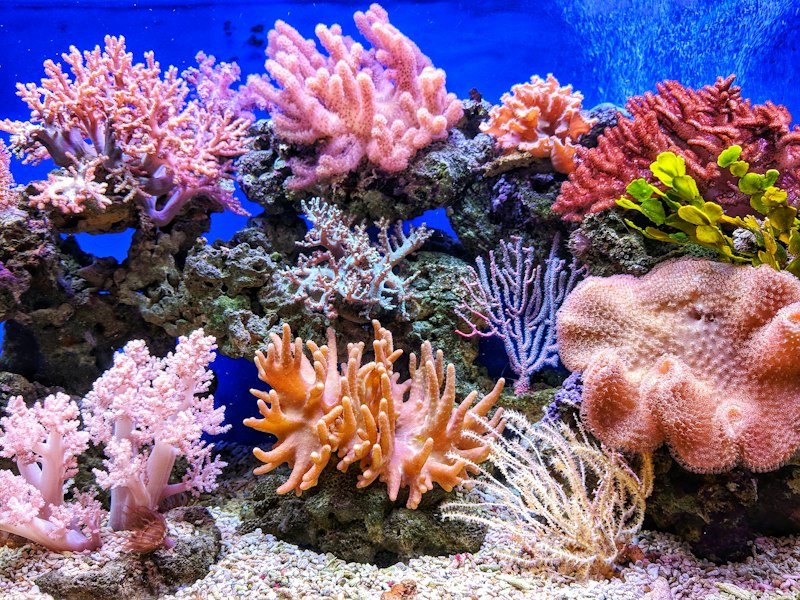
Soft Corals
common
Hard Corals
commonDive profile & how the dive runs
Dives at Dream House typically begin with a negative entry due to strong surface currents, allowing for a rapid descent to the seamount. The primary objective is often to position yourself along the steep northern edge, which plunges from approximately 12 meters to over 76 meters, to observe pelagic activity. Divers will drift along this wall, keeping an eye on the blue for schooling hammerheads, tuna, and barracuda. The dive plan is highly dependent on current direction, dictating whether you will ride the current along one side of the seamount or tuck into a leeward side for shelter. The turn point is determined by air consumption and no-decompression limits, usually before venturing too deep. Safety stops are often conducted in the blue while slowly ascending, potentially with the use of a deployable surface marker buoy to signal the boat, which will follow the divers' drift.
Underwater photography
Dream House is an excellent site for wide-angle photography, focusing on its dramatic seamount topography and schooling pelagic life. A wide-angle lens is essential to capture the vastness of the underwater landscape and large aggregations of fish, including hammerheads and tuna. External strobes are highly recommended to bring out the vibrant colors of the healthy soft corals that adorn parts of the seamount and to properly light large subjects in the blue. Given the very strong currents, maintaining good buoyancy is crucial for stable shots and safe diving. Be prepared to hold position, potentially with reef hooks if permitted and necessary, to capture the action. Ethical photography practices are paramount; avoid harassing marine life, especially sharks, and minimize any contact with the delicate coral structures while positioning yourself for shots.
Combine with nearby dive sites
- Yellow Mellow Reef
Yellow Mellow Reef, situated within Fiji's Lomaiviti Group, is a renowned coral stack in open water, celebrated for its spectacular display…
- Jack's Place
Jack's Place is a beloved dive site nestled within the legendary Rainbow Reef in Fiji's Somosomo Strait, known globally as the "Soft Coral…
- Purple Wall
Purple Wall is a renowned dive site located off the coast of Taveuni, Fiji, celebrated for its vibrant coral formations and diverse marine…
- E6
A seamount in Bligh Water, also known for pelagic encounters.
- Instant Replay
Instant Replay is a renowned dive site located within the rich waters of the Bligh Water, often celebrated as the 'soft coral capital of…
Getting there & logistics
Access to Dream House is exclusively by boat, typically arranged through local dive operators in the Savusavu area. International flights usually arrive at Nadi International Airport (NAN) on Viti Levu, requiring a connecting domestic flight to Savusavu (SVU) or a longer overland journey. Dive trips to Dream House are usually part of a multi-day dive package or liveaboard itinerary focusing on the Savusavu and Bligh Water regions. Trip lengths vary, but a 7-10 day liveaboard or resort stay with multiple dive days is common to fully explore the area. It is advisable to book with an operator familiar with the site's strong currents and capable of accurate current window predictions.
Safety & environment
Safety at Dream House is paramount due to the very strong currents and potential for deep dives. Divers must have advanced certification and significant experience diving in strong currents. Always dive with a qualified local guide who understands the site's dynamic conditions. Maintain awareness of your depth, bottom time, and no-decompression limits. A deployable surface marker buoy (DSMB) is essential for every diver to signal the boat upon ascent, especially during drift dives. Dive insurance covering emergency evacuation and hyperbaric treatment is mandatory for all divers. The nearest recompression chamber is located in Suva, requiring potential air evacuation from Savusavu in case of a dive emergency, underscoring the importance of meticulous dive planning and adherence to safety protocols.
Who it suits, and who it doesn't
Suited for
- Advanced open water divers
- Divers with strong current experience
- Pelagic encounter enthusiasts
- Underwater photographers (wide-angle)
- Adrenaline-seeking divers
Less suited for
- Beginner divers
- Divers without strong current training
- Macro-focused photographers
- Snorkelers or freedivers
- Divers prone to seasickness
FAQ
Fiji Dream FAQ
What kind of marine life can I expect at Dream House?
Dream House is renowned for its pelagic species, thanks to the strong currents. You can frequently encounter schooling barracuda and tuna, with occasional sightings of scalloped hammerhead sharks, grey reef sharks, and whitetip reef sharks. The nutrient-rich waters also support vibrant soft and hard coral growth.
Is Dream House suitable for beginner divers?
No, Dream House is not recommended for beginner divers. The site features very strong currents and a deep northern wall, requiring advanced diving skills and significant experience with current diving. It is best suited for experienced divers accompanied by a local guide.
How do you access Dream House?
Dream House is a boat-access-only dive site. Operators typically schedule dives around specific current windows, and a negative entry is often required to quickly descend below the strongest surface currents. Divers should expect to be picked up by the boat following their drift.
When is the best time to dive Dream House for optimal conditions?
While diveable year-round, the best time for optimal conditions at Dream House is during Fiji's dry season, from May to October. This period generally offers the best visibility and more predictable currents, enhancing the overall dive experience and pelagic encounters.
Are there any specific safety precautions for diving Dream House?
Due to very strong currents and significant depths, divers must be advanced and experienced in current diving. Essential safety gear includes a deployable surface marker buoy (DSMB) for every diver. Always dive with a knowledgeable local guide, plan your dive meticulously, and have comprehensive dive insurance covering emergency evacuation.
Why dive Fiji Dream from a liveaboard?
Fiji Dream is one of Fiji's signature dive sites. A liveaboard sleeps you on the water and puts you in the water for three to four guided dives per day, including dawn and night dives that day-boat operators rarely offer. You skip the daily commute back to port and reach quieter, less-crowded sites in the same region on a single trip.
Below are the liveaboards that include Fiji Dream on their Fiji itineraries.
Liveaboards diving Fiji Dream
These liveaboards may visit Fiji Dream on selected itineraries, the exact dive sites depend on departure, weather and conditions.

Nai'a
Fiji
16 guests37 m
Dive sites similar to Fiji Dream
Same character, same waters, six more sites divers love for the exact same reasons.Compare seasons, access and liveaboard routes, then pick the site that fits your trip best.
© EsriMaxar, Earthstar, GIS
Agincourt Reef
Australia
Agincourt Reef sits on the outer edge of the Great Barrier Reef, roughly 60–72 km off Port Douglas in Far North Queensland, at the southern end of the true ribbon reefs that run…
- Suitable for
- Beginner
- Current
- Moderate
- Access
- Dayboat
- Depth
- 2–20 m
- Theme
- Reef / Wall
Ahe Atoll, a remote and authentic destination in French Polynesia, offers a dive experience deeply intertwined with its local pearl farming community.
- Suitable for
- Advanced
- Current
- Strong
- Access
- Liveaboard or dayboat
- Depth
- 5–22 m
- Theme
- Channel / Drift
© EsriMaxar, Earthstar, GIS
Alacrity Shoal
Fiji
Alacrity Shoal is a premier dive site in Fiji, renowned for its spectacular drift diving opportunities and rich marine biodiversity.
- Suitable for
- Advanced
- Current
- Strong
- Access
- Liveaboard or dayboat
- Depth
- 12–40 m
- Theme
- Drift / Seamount
Alibaba is a renowned drift dive located within the Garuae Pass in northern Fakarava, a UNESCO Biosphere Reserve in the Tuamotu Archipelago.
- Suitable for
- Intermediate
- Current
- Strong
- Access
- Liveaboard only
- Depth
- 5–30 m
- Theme
- Reef
© EsriMaxar, Earthstar, GIS
Aliko Reef
Micronesia
Aliko Reef is a prominent dive site within Yap, Micronesia, characterized by a captivating underwater topography that blends a mini-wall with an expansive coral plateau.
- Suitable for
- Intermediate
- Current
- Mild
- Access
- Dayboat
- Depth
- 6–15 m
- Theme
- Reef / Wall
© EsriMaxar, Earthstar, GIS
Amity Point
Australia
Amity Point is a popular shore diving destination located at the northwestern tip of North Stradbroke Island, within the protected waters of Moreton Bay.
- Suitable for
- Beginner
- Current
- Moderate
- Access
- Shore / dayboat
- Depth
- 5–15 m
- Theme
- Reef