About Lion’s Den
Lion's Den is a prominent dive site located on the outer edge of Wakaya Channel, making it a highly requested spot within the Lomaiviti Group of Islands. This area, nestled in the Koro Sea, is known for its remote beauty and diverse marine ecosystems, typically accessed via liveaboard or resort airplane. The site features dramatic steep walls that descend into the deep channel, offering a dynamic topography. These walls are richly covered with a vibrant tapestry of both hard and soft corals, providing a colorful backdrop for an array of marine life. The depths here cater to experienced divers, allowing for exploration along the coral-encrusted formations. Divers frequently encounter schools of barracuda and various reef sharks navigating the currents near the walls. A significant highlight at Lion's Den is the occasional presence of great hammerheads, known to patrol the deeper sections of the barrier reef walls. The consistent currents in this channel bring nutrients that sustain the dense coral growth and attract pelagic species. Lion's Den offers an engaging dive experience characterized by its pelagic encounters and rich coral architecture. The strong currents can make for exciting drift dives, while the possibility of spotting larger shark species adds an element of thrill to every descent. It's a site that rewards attentive and experienced divers with spectacular underwater vistas.
Highlights
Wakaya Channel outer edgeSteep coral-covered wallsSchooling barracudaReef sharksGreat hammerheadsHard and soft corals
Season calendar
Best months to dive here
Jan
Feb
Mar
Apr
May
Jun
Jul
Aug
Sep
Oct
Nov
Dec
Good
Dive site facts: Lion’s Den
- Depth
- 14 m
- Current
- Moderate to strong
- Water temperature
- 24-28°C
- Entry
- Liveaboard
- Level
- Advanced
- Dive type
- Wall, drift, big_animals, shark, coral_garden
- Region / port
- Lomaiviti Group, Koro Sea
- Coordinates
- -17.5298, 115.577
Conditions & Currents
Lion's Den, situated on the outer edge of Wakaya Channel, often experiences medium to strong currents due to its location in the Koro Sea. These currents are a key factor in the site's rich biodiversity, delivering nutrients to the abundant hard and soft corals and attracting larger pelagic species. Divers should anticipate drift diving conditions, which can be exhilarating but require good buoyancy control and comfort in moving water. Visibility here is generally very good, particularly during the colder months from May to December when plankton levels are lower. Water temperatures range from 24-26°C in winter to 27-28°C in summer. Entry is typically from a liveaboard, and divers need to be proficient in current management and group adherence. The presence of strong currents means that divers, especially those seeking specific animal encounters like hammerheads, should have advanced op
Marine life & sighting chances
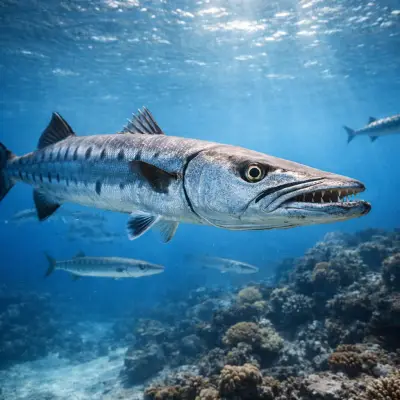
Barracuda
common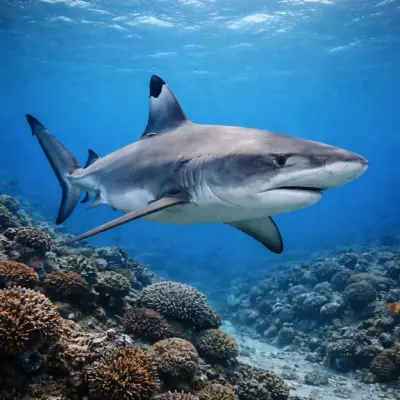
Reef Sharks
common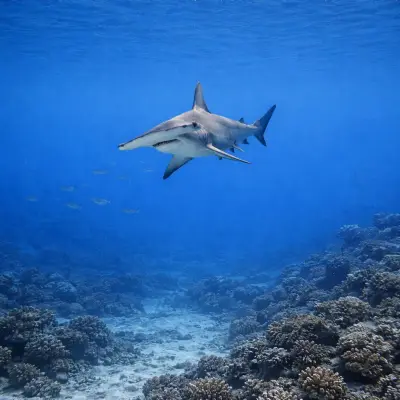
Great Hammerheads
occasional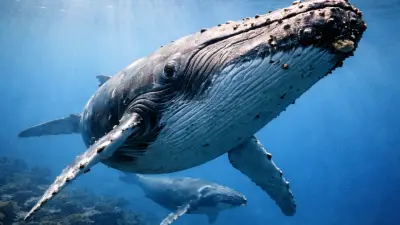
Humpback Whales
September and October · occasional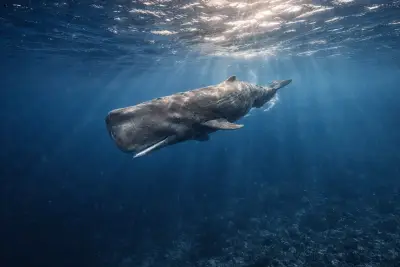
Sperm Whales
occasional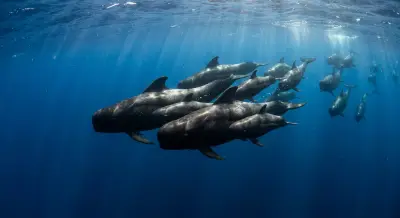
Pilot Whales
occasional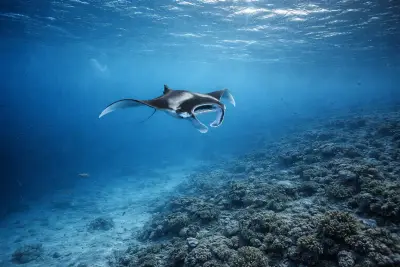
Manta Rays
occasional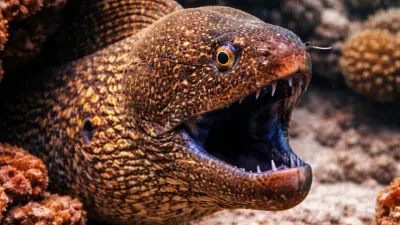
Moray Eels
occasionalDive profile & how the dive runs
Lion's Den is typically explored as a drift dive along the outer edge of Wakaya Channel. Divers usually enter the water directly from a liveaboard, beginning their descent along the steep, coral-covered walls. The dive profile involves following the natural contours of the wall, allowing the current to gently carry you while observing the rich marine life. Depths can vary significantly, often starting shallower and progressing deeper along the wall, with opportunities to explore various ledges and overhangs. The focus is on observing schooling barracuda, various reef sharks, and keeping an eye out for patrolling great hammerheads in the blue. The dive typically concludes with a safety stop in shallower, sheltered areas or a controlled ascent into the blue, depending on the current, before surfacing for boat pick-up. Given the potential for strong currents, maintaining good buoyancy and situational awareness is crucial throughout the dive.
Underwater photography
Capturing the expansive beauty of Lion's Den calls for a wide-angle lens, ideal for showcasing the impressive steep walls, vast coral formations, and schools of barracuda. When great hammerheads or other pelagic sharks make an appearance, a wide lens is essential to fit them into the frame. For soft coral close-ups on the wall, a fisheye or dome port will enhance the vibrant colors and intricate textures. External strobes are highly recommended to bring out the true hues of the corals and illuminate subjects against the often deep blue background. Practice excellent buoyancy control to avoid damaging the delicate hard and soft corals, especially in currents. When encountering larger marine life like hammerheads, maintain a respectful distance and avoid aggressive pursuit; patience often yields the best photographic opportunities. Focus on capturing the interaction of marine life with the dramatic topography for compelling images.
Combine with nearby dive sites
- Wakaya Island
A broader area in the Koro Sea with multiple dive sites, known for manta rays and sharks.
- Jim's Alley
A soft coral garden with rich fish life and occasional manta sightings, off Gau Island.
- Koro Gardens
Koro Gardens is a vibrant dive site located off Gau Island, Fiji's fifth-largest island, situated approximately 90 kilometers east of Viti…
Getting there & logistics
Accessing Lion's Den typically requires a liveaboard experience, as it's part of the Lomaiviti Group of Islands in the Koro Sea, remote from the main island. Trips usually depart from Nadi International Airport (NAN), with liveaboard staff arranging transfers to the harbor for embarkation. Common liveaboard itineraries for this region, including Bligh Water and Namena Marine Reserve, often last around 7 nights. No specific permits or park fees are mentioned for Lion's Den itself, but they may be included in the liveaboard package for the broader marine protected areas like Namena. These trips are designed to explore a range of diverse sites, offering a comprehensive Fiji diving adventure.
Safety & environment
For diving in remote locations like Lion's Den, comprehensive dive accident insurance, such as that provided by DAN, is strongly advised. The nearest recompression chamber would likely be in Suva, on Viti Levu, implying that evacuation in a dive emergency could be complex and time-consuming. Divers should be self-sufficient and highly experienced, especially given the potential for medium to strong currents. Adherence to dive guide instructions is paramount, particularly for entry, exit, and group management in drift conditions. Always dive within your training and comfort limits, and ensure all gear is properly maintained. Awareness of surrounding boat traffic, though less frequent in this remote area, is also important during surfacing.
Who it suits — and who it doesn't
Suited for
- Experienced drift divers
- Divers seeking large pelagic encounters
- Underwater photographers with wide-angle setups
- Liveaboard enthusiasts
- Those comfortable with strong currents
Less suited for
- Beginner divers
- Divers uncomfortable with currents
- Those prone to seasickness
- Divers on limited budgets (due to liveaboard access)
- Individuals with poor buoyancy control
FAQ
Lion’s Den FAQ
What marine life can I expect to see at Lion's Den?
Lion's Den is known for its diverse marine inhabitants, including common sightings of schooling barracuda and various reef sharks. A major draw is the occasional presence of great hammerheads patrolling the steep walls. Additionally, moray eels are sometimes encountered, and during specific seasons, larger pelagics like humpback, sperm, and pilot whales can be seen in the broader Wakaya Channel area.
Is Lion's Den suitable for beginner divers?
Due to the potential for medium to strong currents and its deep wall topography, Lion's Den is generally not recommended for beginner divers. It is best suited for experienced divers who are comfortable with drift diving and proficient in managing currents and maintaining buoyancy in challenging conditions. Advanced Open Water certification and prior current experience are highly beneficial.
How do I get to Lion's Den?
Lion's Den is located on the outer edge of Wakaya Channel within the remote Lomaiviti Group of Islands, part of the Koro Sea. Access is primarily by liveaboard from Nadi International Airport, as it's not typically reached by day boats. The island of Wakaya itself has a private airport, but most dive tours to this site are part of extended liveaboard itineraries that explore the central Fiji region.
What are the water temperatures like at Lion's Den?
Water temperatures at Lion's Den range between 24°C to 26°C (75°F to 79°F) during the winter months (May to December). In the warmer summer season (November to April), temperatures increase to 27°C to 28°C (81°F to 82°F). Divers should choose their wetsuit thickness based on their personal tolerance and the time of year they plan to visit.
What type of coral formations are found at Lion's Den?
Lion's Den features abundant and vibrant coral formations along its steep walls. You will find a rich mix of both hard corals, contributing to the reef's structure, and colorful soft corals that thrive in the nutrient-rich currents of the Wakaya Channel. This combination creates a visually stunning and diverse underwater landscape.
Why dive Lion’s Den from a liveaboard?
Lion’s Den is one of Fiji's signature dive sites. A liveaboard sleeps you on the water and puts you in the water for three to four guided dives per day, including dawn and night dives that day-boat operators rarely offer. You skip the daily commute back to port and reach quieter, less-crowded sites in the same region on a single trip.
Below are the liveaboards that include Lion’s Den on their Fiji itineraries.
Liveaboards diving Lion’s Den
These liveaboards may visit Lion’s Den on selected itineraries — the exact dive sites depend on departure, weather and conditions.
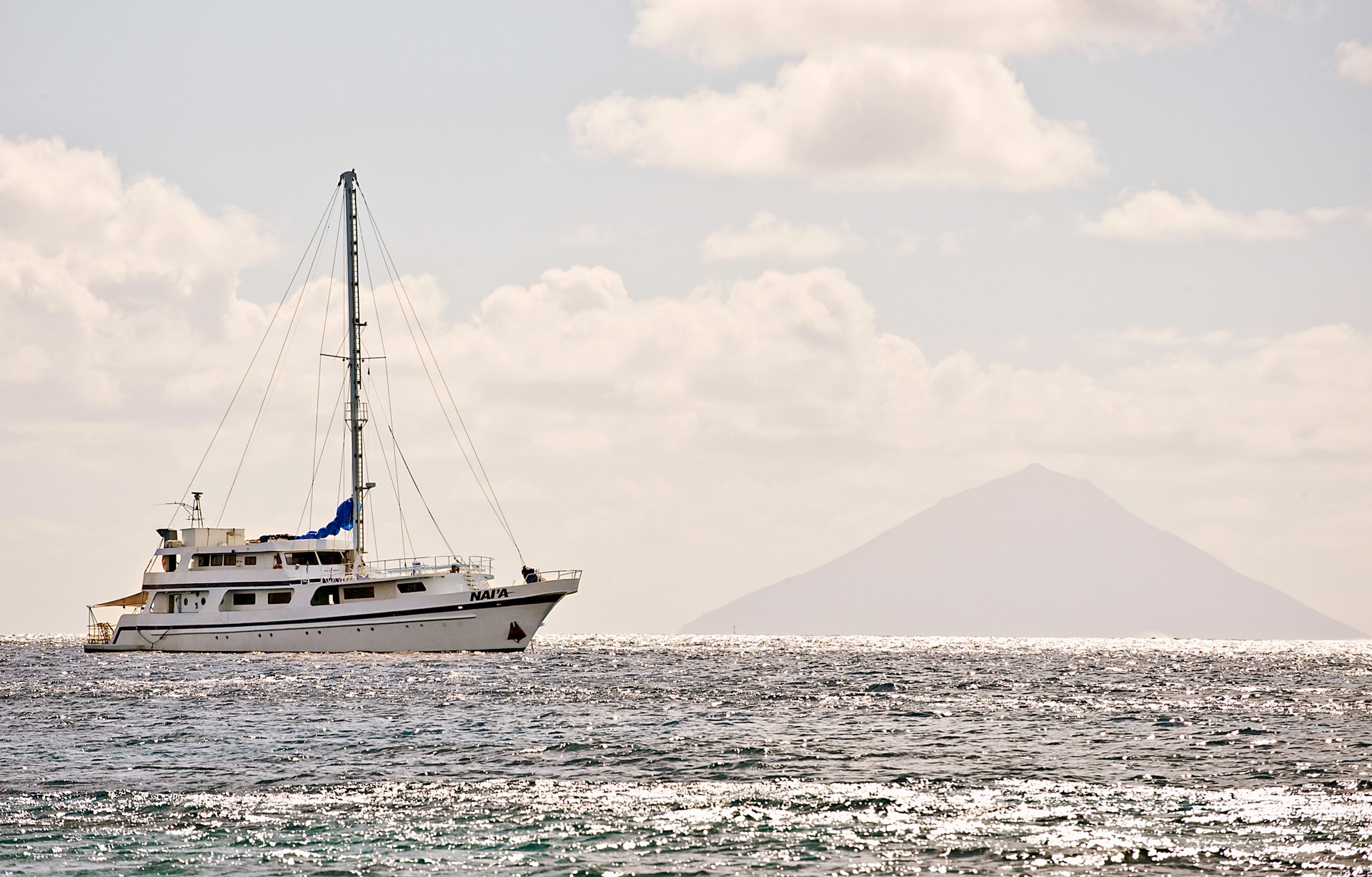
Nai'a
Fiji
16 guests36.576 m
$547/day
Dive sites similar to Lion’s Den
Same character, same waters — six more sites divers love for the exact same reasons.Compare seasons, access and liveaboard routes — then pick the site that fits your trip best.
© Esri — Maxar, Earthstar, GIS
Jim's Alley
Fiji
Jim's Alley is a renowned soft coral garden located off Gau Island in Fiji's Koro Sea, forming part of a multi-stop diving itinerary in the region.
- Suitable for
- Beginner
- Current
- Mild
- Access
- Liveaboard only
- Depth
- ≤ 21 m
- Theme
- Reef
© Esri — Maxar, Earthstar, GIS
Manta Channel, situated off Kadavu Island in Fiji, is a world-class dive destination primarily celebrated for its frequent sightings of manta rays.
- Suitable for
- Advanced
- Current
- Strong
- Access
- Liveaboard or dayboat
- Depth
- 8–20 m
- Theme
- Channel / Drift
© Esri — Maxar, Earthstar, GIS
Sam's Point
Fiji
Sam's Point is one of the celebrated patch reefs found within the Somosomo Strait, a narrow channel between Vanua Levu and Taveuni in Fiji.
- Suitable for
- Advanced
- Current
- Strong
- Access
- Dayboat
- Depth
- 8–27 m
- Theme
- Reef / Drift
© Esri — Maxar, Earthstar, GIS
Rainbow's End
Fiji
Rainbow's End is a top dive site located in the Somosomo Strait, a channel separating Taveuni and Vanua Levu islands, known as the 'Soft Coral Capital of the World'.
- Suitable for
- Intermediate
- Current
- Moderate
- Access
- Liveaboard or dayboat
- Depth
- 10–30 m
- Theme
- Reef / Drift
© Esri — Maxar, Earthstar, GIS
Wilkes Passage
Fiji
Wilkes Passage is a dive site located within the Malolo Barrier Reef in Fiji's Mamanuca Group, southwest of Nadi on Viti Levu.
- Suitable for
- Intermediate
- Current
- Moderate
- Access
- Dayboat
- Depth
- 15–20 m
- Theme
- Reef / Drift
© Esri — Maxar, Earthstar, GIS
Makogai Island
Fiji
Makogai Island, located in Fiji's Lomaiviti Group and visible from Wakaya Island, is home to a significant marine sanctuary.
- Suitable for
- Intermediate
- Current
- Moderate
- Access
- Liveaboard only
- Depth
- 3–18 m
- Theme
- Reef