About Bait Reef - Stepping Stones
The Stepping Stones at Bait Reef offer an intermediate diving experience within the Great Barrier Reef Marine Park, situated approximately 65 km northeast of Airlie Beach. This site is celebrated for its distinctive underwater topography and rich biodiversity, making it a key attraction in the Whitsundays' outer reef system. The site features a remarkable chain of at least 18 flat-topped coral pinnacles and bommies that ascend sharply from the sandy seafloor, with some reaching within a meter of the surface. This creates an intricate landscape of channels, caves, and drop-offs. The pinnacles are densely covered with a diverse array of corals, including striking gorgonians, sea whips, and a variety of soft and hard coral species. Adjoining walls can extend to depths of 40 meters, offering varied dive profiles. As a protected marine sanctuary, the Stepping Stones are home to a thriving ecosystem. Divers frequently encounter reef manta rays, especially between May and September, often visiting cleaning stations. Green sea turtles are a common sight, gracefully navigating the reef, alongside humphead wrasse and whitetip reef sharks. Keep an eye out for ornate wobbegongs nestled in channels, colorful parrotfish, coral trout, and schools of diagonal-banded sweetlips. Giant trevally are occasionally spotted, adding to the site's allure. During the cooler months from May to October, humpback whales migrate through the Whitsundays, and their songs can sometimes be heard underwater. Visibility here is often crystal clear, typically ranging from 15 to 30 meters, with optimal conditions during the winter months from June to September. Water temperatures remain comfortable, between 22°C and 29°C. Currents can be variable and strong, particularly within the channels between pinnacles, making slack tide diving highly recommended for safety and enjoyment. While an Open Water certification is the minimum, an Advanced Open Water certification is advised due to potential currents a
Highlights
18 coral pinnaclesManta ray cleaning stationsHumphead wrasse sightingsOrnate wobbegong habitatVertical walls to 40mLabyrinthine channels and cavesVibrant gorgonian and soft coralsHumpback whale songs
Season calendar
Best months to dive here
Jan
Feb
Mar
Apr
May
Jun
Jul
Aug
Sep
Oct
Nov
Dec
Excellent
Good
Off-Season
Jun – Oct
Dry season with best visibility on the Great Barrier Reef. Minke whale season June–July. Ningaloo whale sharks March–July.
Apr – May & Nov
Comfortable temperatures, good visibility, fewer crowds. Giant cuttlefish aggregation in South Australia May–August.
Dec – Mar
Wet season in the tropics. Reduced visibility, jellyfish season. Warmer water attracts coral spawning.
Dive site facts: Bait Reef - Stepping Stones
- Depth
- 5–40 m
- Typical dive
- 15–25 m
- Current
- Variable, can be strong
- Visibility
- 15–30 m
- Water temperature
- 22–29°C
- Entry
- Boat
- Level
- Intermediate
- Dive type
- Pinnacles, coral gardens, wall, drift
- Region / port
- Whitsundays, Great Barrier Reef
- Coordinates
- -19.7667, 149.05
Conditions & Currents
Currents at the Stepping Stones can be variable and strong, particularly as water flows through the channels between the coral pinnacles. Divers should be prepared for potential drift and maintain excellent buoyancy control to navigate these conditions safely. It is highly recommended to plan dives around slack tide to minimize current strength and enhance the diving experience. Strong currents can impact visibility and make entry and exit more challenging, so checking local tidal charts is crucial. While the main pinnacles are relatively shallow, the surrounding walls drop to 40 meters, requiring careful depth management, especially with varying currents. The presence of strong currents can also impact gas consumption and dive planning.
Marine life & sighting chances

Reef Manta Ray
May–September · occasional
Green Sea Turtle
common
Humphead Wrasse
common
Whitetip Reef Shark
occasional
Ornate Wobbegong
common
Parrotfish
occasional
Coral Trout
occasional

Giant Trevally
occasional
Humpback Whale
May–October · occasional
Moray Eel
occasional
Giant Clam
occasional
Nudibranch
occasionalDive profile & how the dive runs
A typical dive at the Stepping Stones often begins with a descent onto one of the 18 coral pinnacles, which rise dramatically from the sandy seabed. Divers can explore the vertical walls of these bommies, richly adorned with soft and hard corals, gorgonian fans, and sea whips. The dive profile typically follows the contours of the pinnacles at depths between 5 and 25 meters, allowing for thorough investigation of crevices and ledges where smaller marine life hides. Depending on current conditions, the dive may involve navigating through the labyrinthine channels between the stones, where visibility can sometimes be reduced by stronger flows. Deeper sections, along the adjoining walls, can extend to 40 meters for advanced divers seeking greater depth. The turning point is often dictated by air consumption and current, with the safety stop conducted in the shallower, calmer areas atop the pinnacles, typically around 5 meters, offering opportunities for observing abundant reef fish and potentially manta rays at cleaning stations.
Underwater photography
Bait Reef's Stepping Stones offers excellent photographic opportunities for both wide-angle and macro enthusiasts. For capturing the dramatic topography of the coral pinnacles and the schooling fish, a wide-angle lens is ideal. You can frame the vast coral structures against the clear blue water, especially when positioned to show the bommies rising nearly to the surface. For manta rays, a wide-angle lens is also best to encompass their full grandeur. For macro subjects like nudibranchs, small reef fish, and intricate coral polyps, a macro lens with a good focus light will yield stunning results. Pay attention to your buoyancy to avoid disturbing delicate corals, particularly when getting close for macro shots. Strobes are highly recommended to bring out the vibrant colors of the corals and marine life, especially in deeper sections or within shaded channels. When photographing larger pelagics like manta rays, maintain a respectful distance and avoid aggressive movements or flash photography that might startle them.
Combine with nearby dive sites
- SS Yongala
A world-renowned wreck dive, considered one of the best globally.
- Cod Hole
Famous for close encounters with friendly potato cod.
- Steve's Bommie
A vibrant bommie on the Ribbon Reefs known for diverse marine life.
- Ribbon Reef No. 9
Part of the extensive Ribbon Reef system, offering pristine diving.
Getting there & logistics
Access to Bait Reef's Stepping Stones typically involves liveaboard trips departing from Airlie Beach in the Whitsundays, which serves as the primary gateway. Cairns is a major international airport for the region, with domestic flights connecting to Airlie Beach. Most liveaboard trips to the outer Great Barrier Reef are several days long, often combining multiple sites within the Bait Reef area and other Whitsunday locations. There are generally no specific dive site fees beyond the Great Barrier Reef Marine Park entry fees, which are usually included in liveaboard packages. It is advisable to book well in advance, especially during peak seasons, to secure a spot on preferred itineraries.
Safety & environment
Divers at Bait Reef's Stepping Stones should be proficient in buoyancy control and current management due to variable and potentially strong currents, especially in channels between pinnacles. An Advanced Open Water certification is recommended. The nearest recompression chamber is located in Townsville. In case of an emergency, evacuation would likely involve transport by boat to the mainland and then further medical assistance, which can be time-consuming due to the site's remote location. It is crucial for all divers to have comprehensive dive insurance that covers emergency medical treatment and evacuation. Always dive with a reputable operator, follow your dive guide's instructions, and remain vigilant for marine life, especially potential encounters with sharks, though incidents are rare.
Who it suits — and who it doesn't
Suited for
- Divers with intermediate experience
- Photographers seeking diverse subjects
- Those interested in unique coral topography
- Divers seeking pelagic encounters
- Travelers preferring liveaboard experiences
Less suited for
- Beginner divers without sufficient current experience
- Divers unwilling to manage variable current conditions
- Individuals prone to seasickness on longer boat trips
- Those uncomfortable with remote dive sites
FAQ
Bait Reef - Stepping Stones FAQ
What makes Bait Reef's Stepping Stones unique?
The Stepping Stones are distinctive due to their chain of 18 or more flat-topped coral pinnacles and bommies that rise from the seafloor. These formations create a complex underwater landscape of channels, caves, and dramatic drop-offs, making it a visually captivating site with diverse dive profiles.
What marine life can I expect to see at Stepping Stones?
You can anticipate seeing reef manta rays, green sea turtles, humphead wrasse, and whitetip reef sharks. The site also hosts ornate wobbegongs, various parrotfish, coral trout, and schools of diagonal-banded sweetlips, with occasional sightings of giant trevally. During cooler months, you might even hear humpback whales.
What are the typical diving conditions like at this site?
Depths range from 5 to 25 meters around the pinnacles, with adjoining walls dropping to 40 meters. Visibility is often excellent, between 15 and 30 meters, and water temperatures are comfortable, from 22°C to 29°C. Currents can be variable and strong, especially in channels, so diving at slack tide is highly recommended.
Is an Advanced Open Water certification necessary for this dive site?
While Open Water certification is the minimum requirement, an Advanced Open Water certification is recommended. This is due to the potential for variable and strong currents, as well as the opportunity to explore deeper sections of the site that extend beyond typical Open Water limits.
When is the best time of year to visit Bait Reef's Stepping Stones?
The best time to visit is during the cooler, drier months from May to September, with August being particularly optimal. This period generally offers the best visibility, calmer seas, and increased chances of encountering specific marine life like reef manta rays.
Why dive Bait Reef - Stepping Stones from a liveaboard?
Bait Reef - Stepping Stones is one of Australia's signature dive sites. A liveaboard sleeps you on the water and puts you in the water for three to four guided dives per day, including dawn and night dives that day-boat operators rarely offer. You skip the daily commute back to port and reach quieter, less-crowded sites in the same region on a single trip.
Below are the liveaboards that include Bait Reef - Stepping Stones on their Australia itineraries.
Liveaboards diving Bait Reef - Stepping Stones
These liveaboards may visit Bait Reef - Stepping Stones on selected itineraries — the exact dive sites depend on departure, weather and conditions.
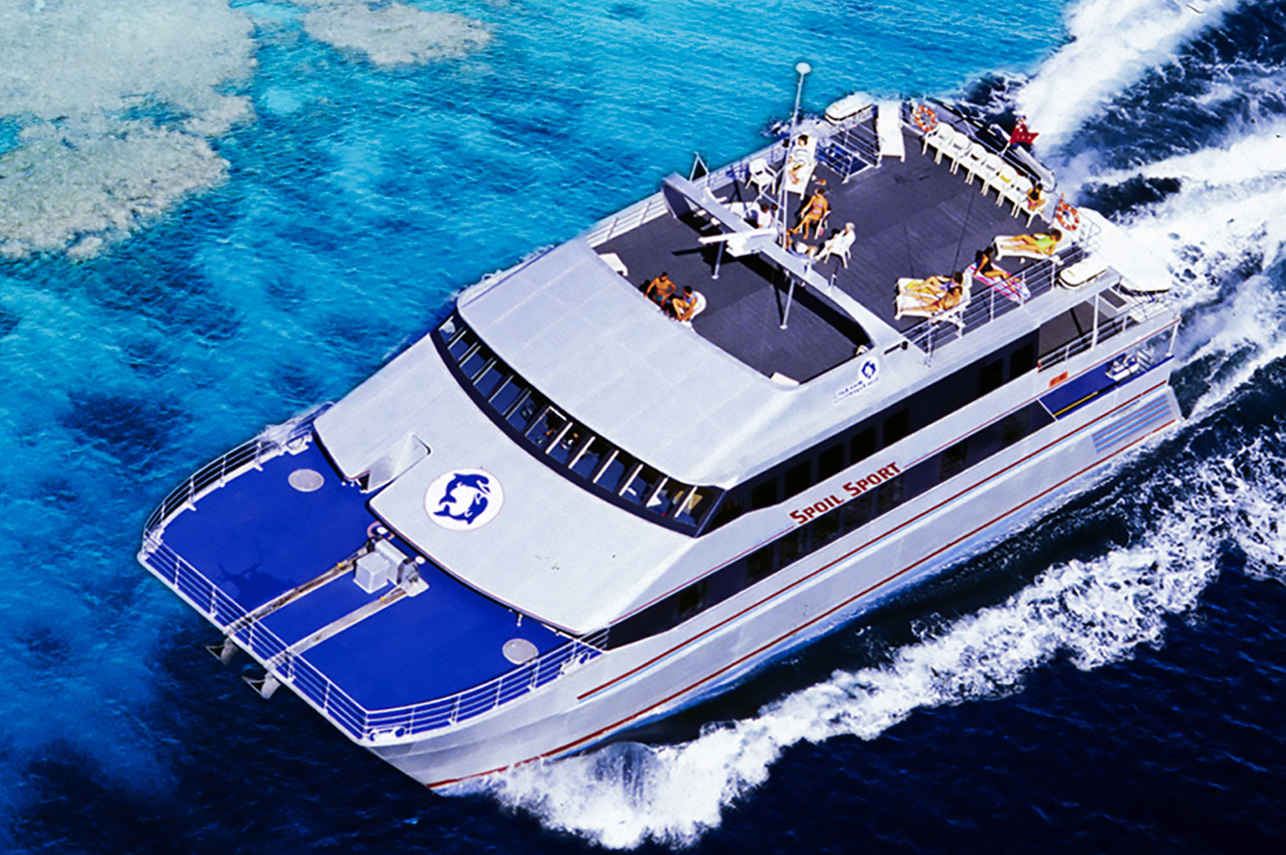
Spoilsport
Australia
28 guests30 m
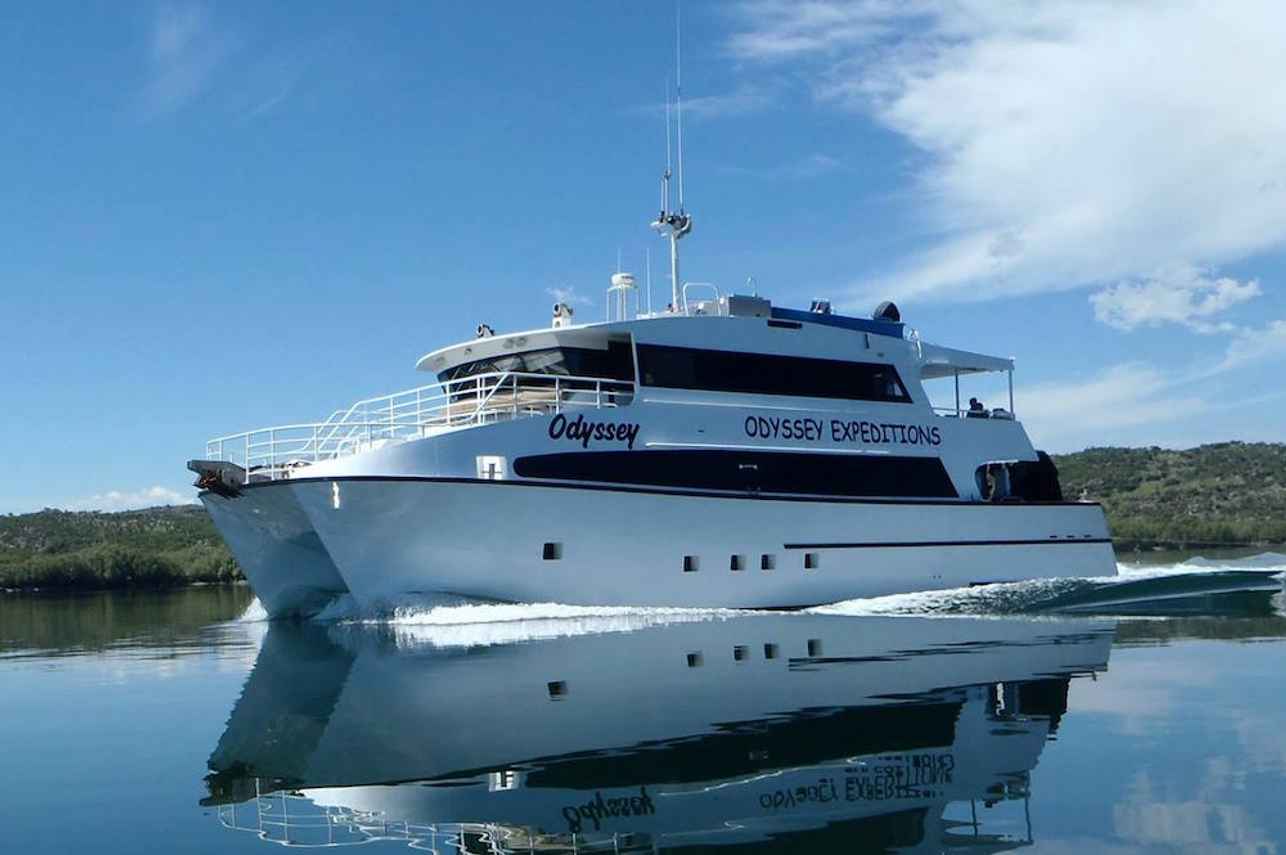
Odyssey Liveaboard
Australia
20 guests24 m
Dive sites similar to Bait Reef - Stepping Stones
Same character, same waters — six more sites divers love for the exact same reasons.Compare seasons, access and liveaboard routes — then pick the site that fits your trip best.
© Esri — Maxar, Earthstar, GIS
Agincourt Reef
Australia
Agincourt Reef sits on the outer edge of the Great Barrier Reef, roughly 60–72 km off Port Douglas in Far North Queensland, at the southern end of the true ribbon reefs that run…
- Suitable for
- Beginner
- Current
- Moderate
- Access
- Dayboat
- Depth
- 2–20 m
- Theme
- Reef / Wall
Ahe Atoll, a remote and authentic destination in French Polynesia, offers a dive experience deeply intertwined with its local pearl farming community.
- Suitable for
- Advanced
- Current
- Strong
- Access
- Liveaboard or dayboat
- Depth
- 5–22 m
- Theme
- Channel / Drift
© Esri — Maxar, Earthstar, GIS
Alacrity Shoal
Fiji
Alacrity Shoal is a premier dive site in Fiji, renowned for its spectacular drift diving opportunities and rich marine biodiversity.
- Suitable for
- Advanced
- Current
- Strong
- Access
- Liveaboard or dayboat
- Depth
- 12–40 m
- Theme
- Drift / Seamount
Alibaba is a renowned drift dive located within the Garuae Pass in northern Fakarava, a UNESCO Biosphere Reserve in the Tuamotu Archipelago.
- Suitable for
- Intermediate
- Current
- Strong
- Access
- Liveaboard only
- Depth
- 5–30 m
- Theme
- Reef
© Esri — Maxar, Earthstar, GIS
Aliko Reef
Micronesia
Aliko Reef is a prominent dive site within Yap, Micronesia, characterized by a captivating underwater topography that blends a mini-wall with an expansive coral plateau.
- Suitable for
- Intermediate
- Current
- Mild
- Access
- Dayboat
- Depth
- 6–15 m
- Theme
- Reef / Wall
© Esri — Maxar, Earthstar, GIS
Amity Point
Australia
Amity Point is a popular shore diving destination located at the northwestern tip of North Stradbroke Island, within the protected waters of Moreton Bay.
- Suitable for
- Beginner
- Current
- Moderate
- Access
- Shore / dayboat
- Depth
- 5–15 m
- Theme
- Reef