About SS Yongala
The SS Yongala, resting off the Queensland coast in the Great Barrier Reef Marine Park, is renowned globally as a top wreck dive destination. This 110-meter steel passenger and freight steamer tragically sank in 1911 during a cyclone, claiming all 124 lives aboard. Today, the wreck is a protected historic site and a vibrant artificial reef, drawing divers to its unique blend of history and exceptional marine biodiversity. It was discovered in 1958, nearly fifty years after its sinking, and lies on a sandy seabed away from natural reef structures, making it a powerful magnet for marine life. The wreck lies on its starboard side, with depths ranging from 15 meters at its shallowest point to 29-33 meters on the sandy bottom. The structure remains remarkably intact, allowing divers to identify features like masts, winches, bollards, and even toilets, all now encrusted with dazzling corals, sponges, and sea fans. This transformation into a living reef provides shelter and sustenance for a colossal array of species, from tiny reef fish to large pelagics. Marine life at the SS Yongala is exceptionally rich, attracting giant groupers, eagle rays, manta rays, sea turtles, sea snakes, barracudas, and various sharks, including rare bull and tiger sharks. During the cooler months, from June to November, divers might even encounter Minke or humpback whales. The site's exposed location in open water means currents can be strong, and conditions vary, making it a dive best suited for advanced and experienced divers. Visibility typically ranges from 10 to 30 meters, influenced by tides and seasons. Access to the SS Yongala is primarily from Townsville or Ayr, with fast boat transfers bringing divers to this legendary site. Due to its status as a historic shipwreck and memorial, penetration inside the wreck is strictly prohibited to preserve its integrity and respect the lost souls. Each dive offers a different experience, as the dynamic marine environment and varying conditions e
Highlights
World-class shipwreck diveExceptional marine life densityIntact historic steamerGiant Queensland groupersHumpback whale encounters (seasonal)Thriving coral growthSchools of pelagic fishRemote, protected site
Season calendar
Best months to dive here
Jan
Feb
Mar
Apr
May
Jun
Jul
Aug
Sep
Oct
Nov
Dec
Excellent
Good
Dive site facts: SS Yongala
- Depth
- 15–33 m
- Typical dive
- 20–30 m
- Current
- Strong
- Visibility
- 10–30 m
- Water temperature
- 22–31°C
- Entry
- Live boat / negative entry
- Level
- Advanced divers
- Dive type
- Wreck, biodiversity, pelagic
- Night dive
- Not specified
- Region / port
- Townsville, Queensland
- Coordinates
- -19.3058, 147.6225
Conditions & Currents
Currents at the SS Yongala are often strong, making this a dive site reserved for experienced divers. Conditions can change rapidly, and adverse weather can prevent diving altogether, even after arriving at the site. Diving is typically recommended during the turn of the tide to minimize current strength and improve control. Divers should be proficient in negative entries and drift diving techniques, as surface conditions can also be rough, necessitating careful entry and exit procedures. While underwater, currents can create dynamic encounters with schooling fish and pelagic species attracted to the nutrient-rich flow. Visibility can range from 10 to 30 meters, often influenced by tidal movements and plankton blooms.
Marine life & sighting chances

Giant Queensland Grouper
common
Eagle Ray
common
Marble Ray
occasional
Manta Ray
April–October · occasional
Sea Turtle
common
Sea Snake
common
Barracuda
common
Giant Trevally
common
Bull Shark
occasional
Tiger Shark
occasional
Humpback Whale
July–September · rare

Maori Wrasse
commonDive profile & how the dive runs
Your dive on the SS Yongala typically begins with a negative entry due to potentially strong currents and surface chop. You'll descend directly onto the wreck, which lies on its starboard side. The top of the wreck starts at around 15 meters, gradually sloping down to the sandy bottom at 29-33 meters. A common route involves exploring the stern section first, circling around the massive rudder and propeller area. You'll then progress along the length of the 110-meter vessel, observing the cargo holds, engine room structures, and the bow, all teeming with marine life and encrusted with corals. Maintain careful buoyancy and avoid penetrating the wreck, as this is prohibited. The dive typically lasts 50-60 minutes, with the turnaround point determined by gas consumption and bottom time. Your safety stop will be conducted in the blue, often using a descent line or buoyed safety stop line, maintaining a watchful eye for passing pelagics.
Underwater photography
The SS Yongala offers exceptional opportunities for both wide-angle and macro photography, given its status as a massive wreck covered in life. For wide-angle, a fisheye lens is ideal to capture the grandeur of the entire wreck and the enormous schools of fish, such as barracudas and trevally, that swirl around it. When conditions allow for better visibility, you can frame the wreck against the blue water, highlighting its dramatic silhouette. Strobes are crucial to bring out the vibrant colors of the hard and soft corals, sea fans, and sponges that encrust every surface. For macro, focus on the intricate details of the smaller reef fish, nudibranchs, and moray eels residing in the wreck's crevices. Due to often strong currents, excellent buoyancy control is essential to avoid disturbing the wreck or marine life. Be mindful of subject etiquette, especially around the large, often curious residents like the giant groupers and sea snakes; give them space and observe them respectfully.
Combine with nearby dive sites
- Lady Elliot Island - Lighthouse Bommies
Lighthouse Bommies, situated just off the western side of Lady Elliot Island, is a renowned dive site on the Southern Great Barrier Reef…
- Heron Island - Heron Bommie
Heron Bommie stands as the quintessential dive experience of Heron Island, deeply embedded within the Southern Great Barrier Reef.
- Cod Hole
Cod Hole is a renowned dive site located at the northern end of Ribbon Reef #10, approximately 240 kilometers north of Cairns, Australia…
- Osprey Reef - North Horn
Osprey Reef's North Horn is a world-renowned dive site in the Coral Sea, located about 350 kilometers offshore from Queensland, Australia…
Getting there & logistics
The primary gateways for diving the SS Yongala are Townsville and Ayr, both located in Queensland, Australia. From Townsville, it's approximately a 3-hour fast boat journey, covering about 89 km (46 nautical miles). From Ayr, especially Alva Beach, transfers can be as quick as 30 minutes. Divers typically join day trips or multi-day liveaboard excursions that combine the Yongala with other Great Barrier Reef sites. The closest major airport is Townsville Airport (TSV), offering connections to major Australian cities. No specific permits beyond dive certification are typically mentioned, but divers should ensure they book with reputable operators who handle all site access requirements. Trips are often organized as 3-day reef/wreck tours, dedicating a day and a half to the Yongala itself.
Safety & environment
Diving the SS Yongala requires a high level of preparedness and adherence to safety protocols. The site is in open water, exposed to weather, and can experience strong currents, necessitating advanced dive certification and significant experience. Divers must be proficient in negative entries and comfortable with variable surface conditions. The nearest recompression chamber is located in Townsville. Evacuation in case of an emergency can be complex and time-consuming due to the site's distance from shore, highlighting the importance of robust dive insurance that covers medical emergencies and evacuation. Penetration of the wreck is strictly prohibited to prevent structural damage and out of respect for its historical significance as a memorial site. Always dive with a reliable operator, ensure your personal equipment is in excellent condition, and carry essential safety gear such as a dive computer, surface marker buoy, and alternate air source. Pre-dive briefings emphasize local conditions and emergency procedures.
Who it suits — and who it doesn't
Suited for
- Advanced certified divers
- Wreck diving enthusiasts
- Experienced divers comfortable with strong currents
- Underwater photographers seeking abundant marine life
- Divers interested in historical wrecks
Less suited for
- Beginner divers or those with limited experience
- Divers uncomfortable with potential rough surface conditions
- Those without current diving experience
- Divers seeking easy, calm dives
FAQ
SS Yongala FAQ
What kind of marine life can I expect to see at the SS Yongala?
The SS Yongala is a magnet for marine life, hosting an extraordinary abundance of species. You can expect to encounter giant Queensland groupers, marble and eagle rays, sea turtles, sea snakes, huge schools of barracuda and trevally, and various reef sharks. Seasonal sightings of Minke and humpback whales are also possible, making every dive a unique experience.
What dive certification is required for the SS Yongala?
Due to often strong currents, variable visibility, and depths up to 33 meters, the SS Yongala is considered an advanced dive site. Divers are generally required to hold an Advanced Open Water Diver certification or equivalent, and significant experience in similar conditions is highly recommended to ensure safety and enjoyment.
Is penetration of the SS Yongala wreck allowed?
No, penetration of the SS Yongala wreck is strictly prohibited. The wreck is a protected historic site and a memorial to the 124 lives lost. This regulation helps preserve the structural integrity of the ship and honors its status, while also ensuring diver safety by preventing damage from air bubbles.
How do I get to the SS Yongala dive site?
The SS Yongala is accessible via day boats from Townsville or Ayr, in Queensland, Australia. Fast boat transfers from Townsville take approximately three hours, while trips from Alva Beach near Ayr can be as short as 30 minutes. Most divers arrange their trips through dedicated dive operators in these towns.
When is the best time of year to dive the SS Yongala?
The best time to dive the SS Yongala is generally from June to November. During these months, conditions often feature lower humidity, clearer skies, and cooler water temperatures, which can lead to better visibility. Humpback whales can also be sighted between July and September, adding to the allure of a dive.
What are the typical dive conditions like at the SS Yongala?
Typical dive conditions at the SS Yongala can be challenging, with strong currents often present and surface conditions potentially rough. Underwater visibility usually ranges from 10 to 30 meters, depending on tides and seasonal factors. Water temperatures vary from 22-25°C in cooler months to 26-31°C in warmer periods, offering different experiences throughout the year.
Why dive SS Yongala from a liveaboard?
SS Yongala is one of Australia's signature dive sites. A liveaboard sleeps you on the water and puts you in the water for three to four guided dives per day, including dawn and night dives that day-boat operators rarely offer. You skip the daily commute back to port and reach quieter, less-crowded sites in the same region on a single trip.
Below are the liveaboards that include SS Yongala on their Australia itineraries.
Liveaboards diving SS Yongala
These liveaboards may visit SS Yongala on selected itineraries — the exact dive sites depend on departure, weather and conditions.
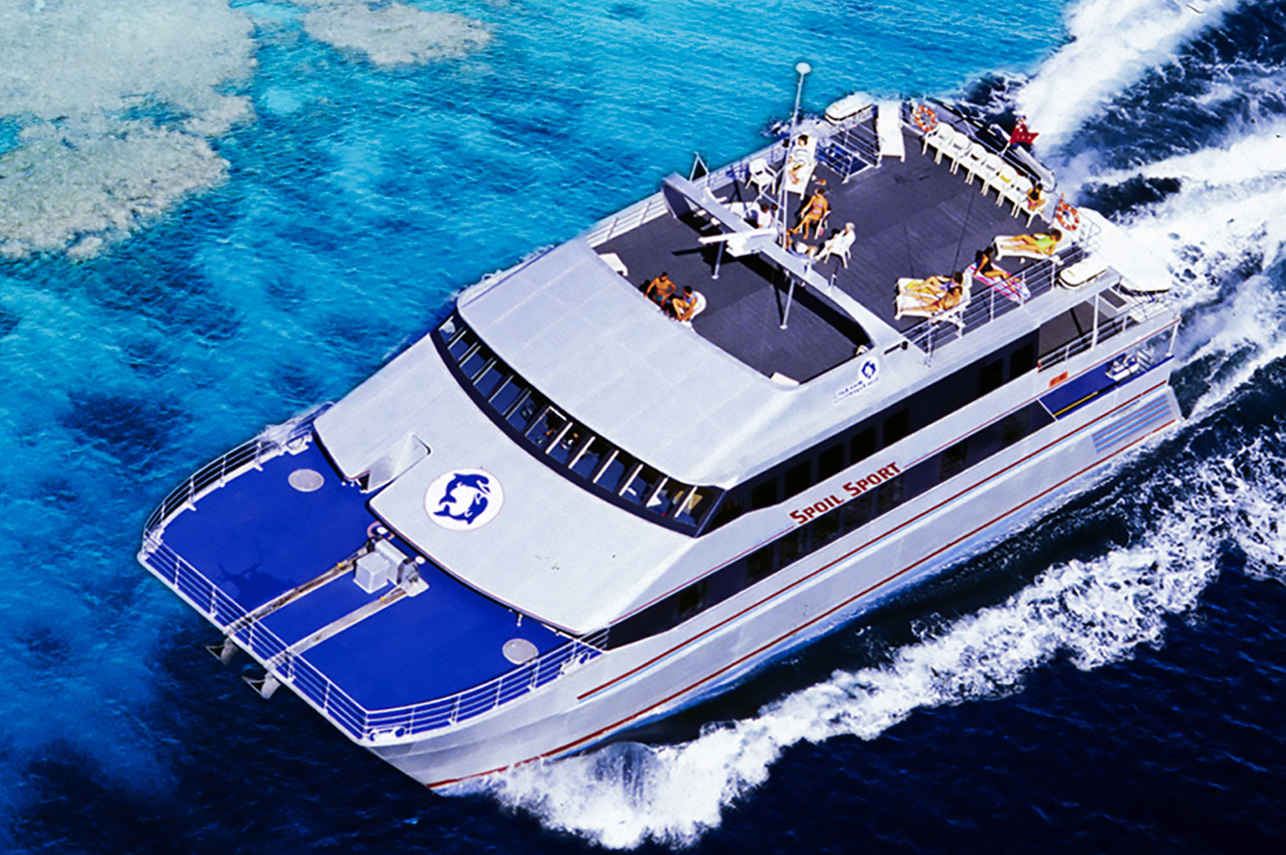
Spoilsport
Australia
28 guests30 m
$404/day
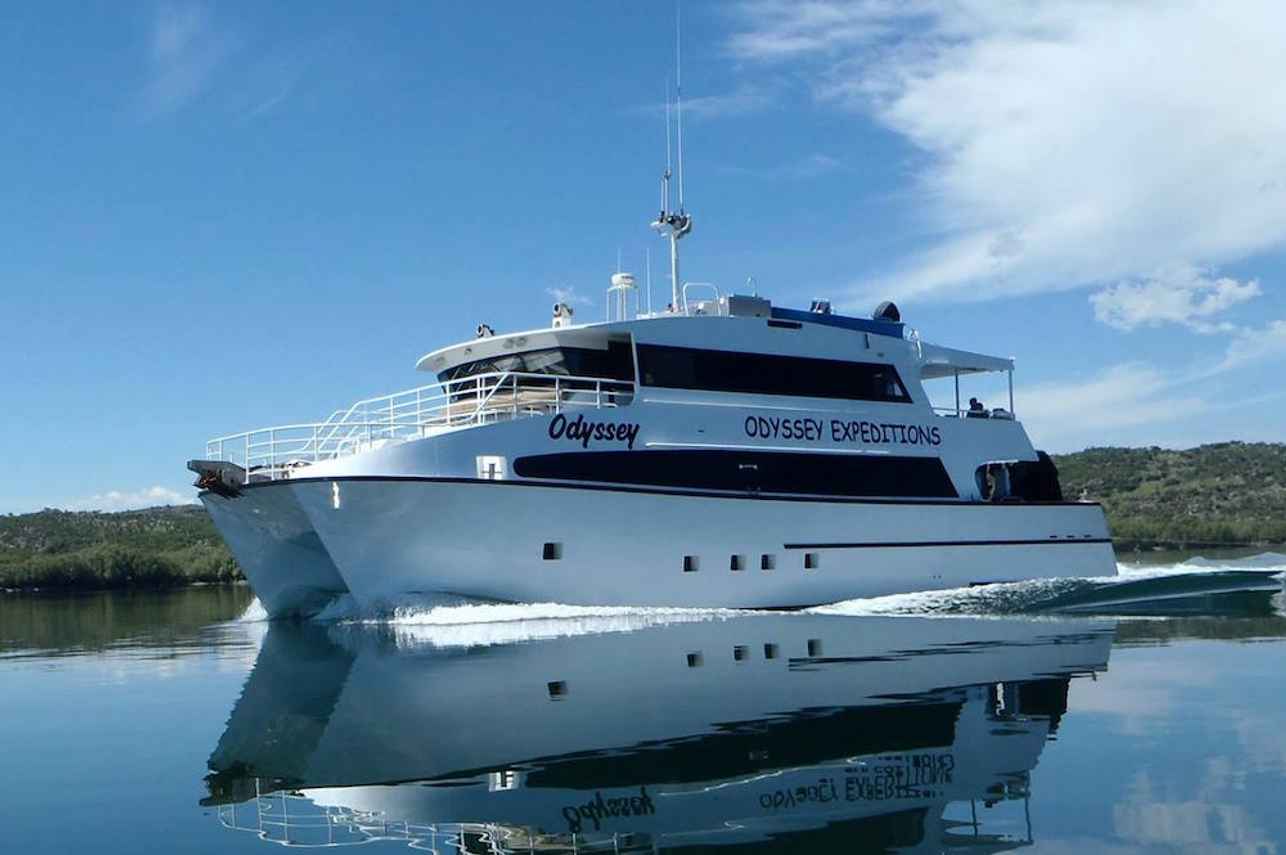
Odyssey Liveaboard
Australia
20 guests24 m
$392/day
Dive sites similar to SS Yongala
Same character, same waters — six more sites divers love for the exact same reasons.Compare seasons, access and liveaboard routes — then pick the site that fits your trip best.
© Esri — Maxar, Earthstar, GIS
HMAS Brisbane
Australia
The HMAS Brisbane, an ex-Royal Australian Navy guided missile destroyer, was scuttled in 2005 off the Sunshine Coast, Queensland, transforming into a vibrant artificial reef and a world-class dive site.
- Suitable for
- Intermediate
- Current
- Mild
- Access
- Liveaboard or dayboat
- Depth
- 15–28 m
- Theme
- Wreck
The HMS Perth is a decommissioned missile destroyer scuttled as an artificial reef and dive site in 2001. This impressive wreck is located near Albany in Western Australia, resting on a sandy bottom off the south coast.
- Suitable for
- Advanced
- Current
- No current
- Access
- Liveaboard or dayboat
- Depth
- 25–35 m
- Theme
- Reef / Wreck
© Esri — Maxar, Earthstar, GIS
Agincourt Reef
Australia
Agincourt Reef sits on the outer edge of the Great Barrier Reef, roughly 60–72 km off Port Douglas in Far North Queensland, at the southern end of the true ribbon reefs that run…
- Suitable for
- Beginner
- Current
- Moderate
- Access
- Dayboat
- Depth
- 2–20 m
- Theme
- Reef / Wall
© Esri — Maxar, Earthstar, GIS
Cocos Keeling - Canons
Australia
Cocos Keeling - Canons offers a distinctive dive experience within the Cocos (Keeling) Islands lagoon, making it Australia's most remote dive destination.
- Suitable for
- Beginner
- Current
- Mild
- Access
- Dayboat
- Depth
- 8–12 m
- Theme
- Reef
© Esri — Maxar, Earthstar, GIS
Raine Island
Australia
Raine Island is a pivotal dive site located in the Far Northern Great Barrier Reef, approximately 85 kilometers east-north-east of Cape Grenville and just over 4 nautical miles south of the island itself.
- Suitable for
- Advanced
- Current
- Strong
- Access
- Liveaboard only
- Depth
- 5–40 m
- Theme
- Reef / Wall
© Esri — Maxar, Earthstar, GIS
Neptune Islands
Australia
The Neptune Islands, nestled at the mouth of South Australia's Spencer Gulf, offer an unparalleled opportunity to encounter great white sharks.
- Suitable for
- Advanced
- Current
- Strong
- Access
- Liveaboard or dayboat
- Depth
- 5–15 m
- Theme
- Drift