About Lady Elliot Island - Lighthouse Bommies
Lighthouse Bommies, situated just off the western side of Lady Elliot Island, is a renowned dive site on the Southern Great Barrier Reef, celebrated for its exceptional marine biodiversity and clear conditions. This site consists of several small coral outcrops that rise from a sandy plain, serving as vital cleaning stations for numerous species. It's particularly famous as a magnet for manta rays, drawing divers from across the globe to witness their graceful acrobatics. The topography features bommies at a depth of around 14 meters, surrounded by a sandy bottom that extends deeper to about 21 meters in the general area of the scattered bommies. This diverse environment supports both macro and wide-angle photography subjects, ranging from tiny nudibranchs and pipefish nestled among the corals to large pelagics patrolling the open water. While manta rays are present year-round, their numbers peak significantly during the winter months, offering spectacular encounters. The site is also a haven for various turtle species, reef sharks, stingrays, and a plethora of reef fish. Visibility here is consistently excellent, often exceeding 20 meters and sometimes reaching up to 40 meters, making for breathtaking underwater vistas. Diving at Lighthouse Bommies provides a captivating experience, whether you're observing mantas at their cleaning stations or exploring the vibrant coral structures.
Highlights
Manta ray cleaning stationsAbundant reef sharksLoggerhead and green turtlesDiverse coral bommiesGolden Sweeper schoolsLeaf scorpionfish sightingsExcellent visibility
Season calendar
Best months to dive here
Jan
Feb
Mar
Apr
May
Jun
Jul
Aug
Sep
Oct
Nov
Dec
Excellent
Good
Dive site facts: Lady Elliot Island - Lighthouse Bommies
- Depth
- 5–21 m
- Typical dive
- 14 m, 60 min
- Current
- Mild to moderate
- Visibility
- 20–40 m
- Water temperature
- 18–28 °C
- Entry
- Boat / mooring line descent
- Level
- Open Water Diver
- Dive type
- Bommie, cleaning station, pelagic
- Night dive
- Possible
- Region / port
- Lady Elliot Island, Queensland
- Coordinates
- -24.115, 152.72
Conditions & Currents
Currents at Lighthouse Bommies can vary; while often suitable for drift diving, divers should be prepared for potential stronger flows, especially around the bommies themselves. Entry is typically by tender, dropping divers directly onto the mooring line to begin their descent. Exits are usually made back to the boat once the dive is complete, often after drifting with the current. Visibility is generally outstanding, regularly surpassing 20 meters and occasionally reaching 40 meters, though localized conditions can always influence clarity. Water temperatures are comfortable, ranging from 18 to 28 degrees Celsius throughout the year, with minimal thermoclines reported. Divers should always consult with local dive operators regarding daily conditions and plan their dive profiles accordingly.
Marine life & sighting chances
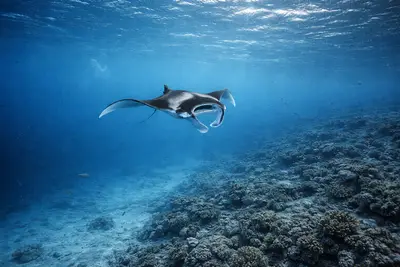
Manta Ray
Winter months · common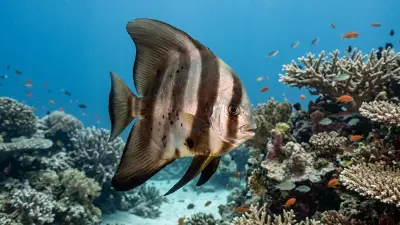
Batfish
occasional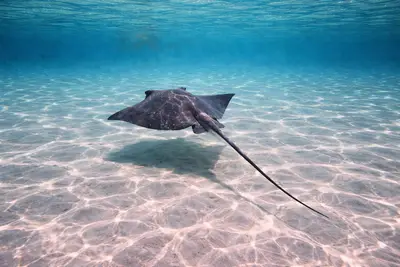
Stingrays
common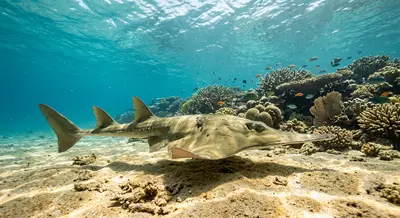
White-spotted Shovelnose Ray
occasional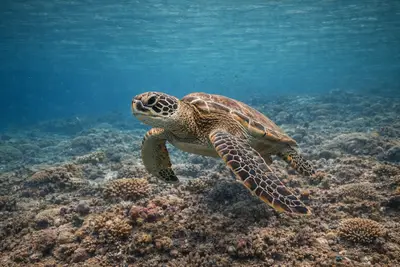
Green Sea Turtle
common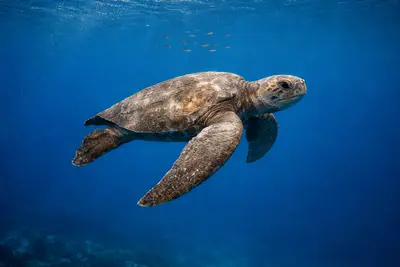
Loggerhead Turtle
common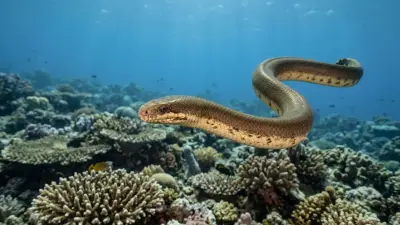
Sea Snake
occasional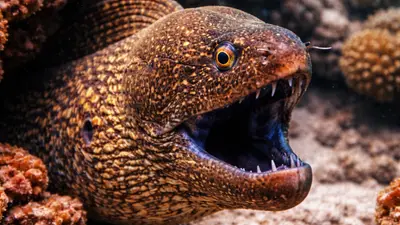
Moray Eel
occasional
Reef Shark
common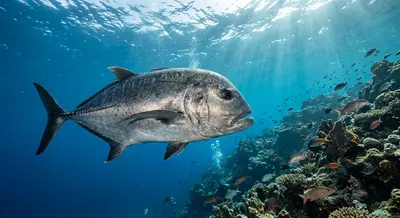
Trevally
common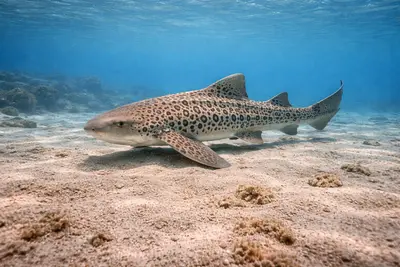
Leopard Shark
occasional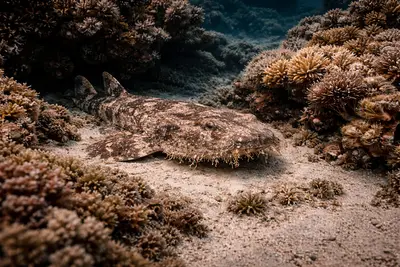
Tasselled Wobbegong Shark
occasional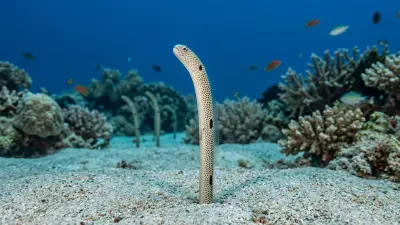
Garden Eel
common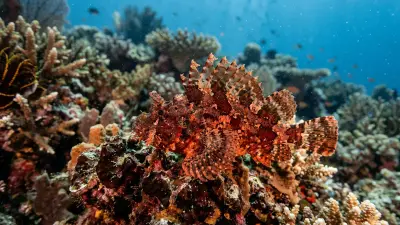
Leaf Scorpionfish
occasionalDive profile & how the dive runs
Your dive at Lighthouse Bommies typically begins with a boat ride of under 10 minutes to the site, followed by a descent down the mooring line. Upon reaching the main bommies at around 14 meters, you'll spend considerable time observing manta rays at their cleaning stations, where cleaner wrasse service them. The dive route often involves drifting gently around the bommies, exploring their nooks and cr crannies that harbor schools of golden sweepers, lionfish, and various reef fish. Macro enthusiasts can inspect the sandy patches for garden eels and shrimp gobies. The dive can extend up to 60 minutes, with the turnaround point dictated by air consumption or bottom time. Your safety stop will typically be conducted back near the mooring line or as a drift, depending on conditions, before ascending to the boat.
Underwater photography
Lighthouse Bommies offers exceptional opportunities for both wide-angle and macro photography. For manta ray encounters, a wide-angle lens is essential to capture their impressive wingspan and the clear blue water. Be ready to shoot as they approach cleaning stations; maintaining neutral buoyancy is crucial to avoid disturbing the coral and marine life. For smaller subjects, a macro lens will allow you to capture the intricate details of nudibranchs, pipefish, and leaf scorpionfish nestled within the bommies. Bring strobes for color accuracy and to illuminate the vibrant coral and fish. Patience and respectful distance are key when photographing the often curious manta rays and resting sharks.
Combine with nearby dive sites
- Heron Island - Heron Bommie
Heron Bommie stands as the quintessential dive experience of Heron Island, deeply embedded within the Southern Great Barrier Reef.
- Cod Hole
Cod Hole is a renowned dive site located at the northern end of Ribbon Reef #10, approximately 240 kilometers north of Cairns, Australia…
- Ribbon Reef No. 9
Ribbon Reef No.
- Osprey Reef - North Horn
Osprey Reef's North Horn is a world-renowned dive site in the Coral Sea, located about 350 kilometers offshore from Queensland, Australia…
- Julian Rocks
Julian Rocks, known as Nguthungulli by the local Bundjalung people, is a prominent marine reserve located approximately 2.5–3 km off the…
Getting there & logistics
Access to Lady Elliot Island, and subsequently Lighthouse Bommies, is exclusively by scenic charter flights departing daily from Hervey Bay, Bundaberg, Brisbane, and the Gold Coast. There are no ferry services to the island, ensuring the preservation of the reef environment. The flight itself offers stunning aerial views of the Great Barrier Reef. Upon arrival at the island's private airstrip, everything is within walking distance, including the eco-resort and dive center. Dive trips to Lighthouse Bommies depart directly from the shore, reaching the site within minutes. A 15kg baggage limit applies to flights, with an option to purchase an additional 10kg, so plan your dive and camera gear carefully. Lady Elliot Island is typically experienced as part of a dedicated island stay rather than a liveaboard itinerary.
Safety & environment
Diving at Lighthouse Bommies is generally considered safe, but standard dive safety protocols should always be followed. The nearest recompression chamber is located on the mainland, so robust dive insurance covering medical evacuation is highly recommended. Always dive within your training limits and follow the guidance of local dive guides. While stingers are not typically an issue in the southern Great Barrier Reef, a wetsuit can be hired for warmth or added protection. Be mindful of boat traffic when surfacing and maintain neutral buoyancy to protect the delicate coral formations. Respect marine life, especially manta rays and turtles, by observing from a distance and avoiding disruptive behavior.
Who it suits — and who it doesn't
Suited for
- Open Water certified divers
- Underwater photographers (wide-angle and macro)
- Manta ray enthusiasts
- Divers seeking clear visibility
- Those interested in rich coral ecosystems
Less suited for
- Divers preferring strong currents
- Those expecting deep wreck diving
- Budget-focused travelers
- Divers sensitive to a 15kg baggage limit
FAQ
Lady Elliot Island - Lighthouse Bommies FAQ
What kind of marine life can I expect at Lighthouse Bommies?
Lighthouse Bommies is particularly famous for its resident manta rays, which frequently visit the cleaning stations. You can also expect to see various species of turtles, reef sharks, stingrays, barracuda, trevally, and a wide array of reef fish like batfish, coral trout, and clown triggerfish. For macro enthusiasts, there are garden eels, shrimp gobies, nudibranchs, and occasional leaf scorpionfish.
When is the best time to see manta rays at Lighthouse Bommies?
While manta rays are present year-round at Lighthouse Bommies, their numbers peak significantly during the cooler winter months, specifically from April to July. This period also coincides with exceptional water visibility, often exceeding 30 meters, enhancing your chances for memorable encounters.
What are the typical dive depths and visibility at this site?
The main coral bommies at Lighthouse Bommies are located around 14 meters deep, with the broader area extending to about 21 meters. Visibility is consistently excellent, regularly exceeding 20 meters and sometimes reaching up to 40 meters. This superb clarity makes it an ideal spot for observing marine life and underwater photography.
Do I need a special certification to dive Lighthouse Bommies?
Lighthouse Bommies is accessible to Open Water certified divers, making it suitable for a wide range of experience levels. The site's moderate depths and generally good conditions are welcoming for less experienced divers, while its rich marine life offers plenty of interest for seasoned divers as well.
How do I get to Lady Elliot Island and Lighthouse Bommies?
Access to Lady Elliot Island is exclusively via scenic charter flights that depart daily from Hervey Bay, Bundaberg, Brisbane, and the Gold Coast. Once on the island, dive trips to Lighthouse Bommies are conducted by boat, with a short ride from the shore. There are no ferry services to the island, ensuring a pristine environment.
Why dive Lady Elliot Island - Lighthouse Bommies from a liveaboard?
Lady Elliot Island - Lighthouse Bommies is one of Australia's signature dive sites. A liveaboard sleeps you on the water and puts you in the water for three to four guided dives per day, including dawn and night dives that day-boat operators rarely offer. You skip the daily commute back to port and reach quieter, less-crowded sites in the same region on a single trip.
Below are the liveaboards that include Lady Elliot Island - Lighthouse Bommies on their Australia itineraries.
Liveaboards diving Lady Elliot Island - Lighthouse Bommies
These liveaboards may visit Lady Elliot Island - Lighthouse Bommies on selected itineraries — the exact dive sites depend on departure, weather and conditions.
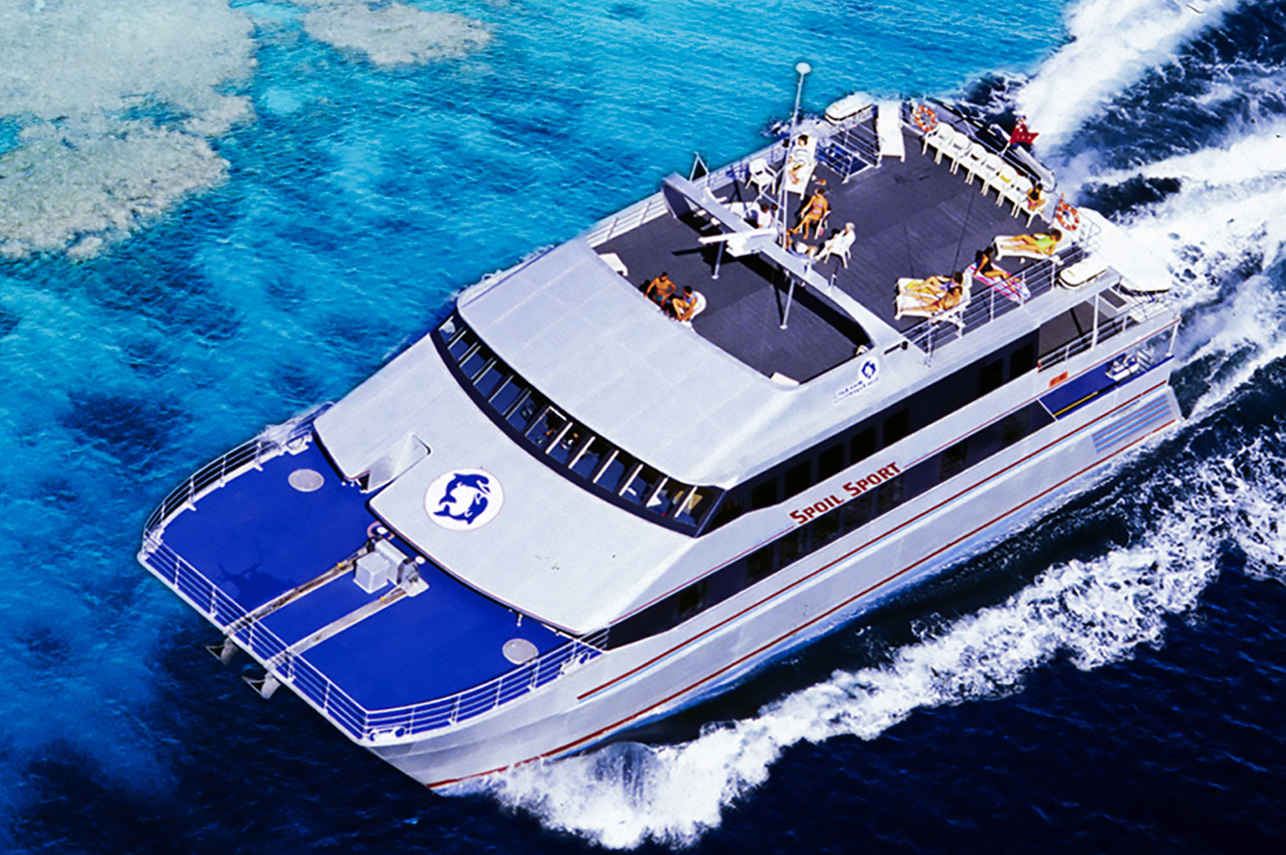
Spoilsport
Australia
28 guests30 m
$289/day
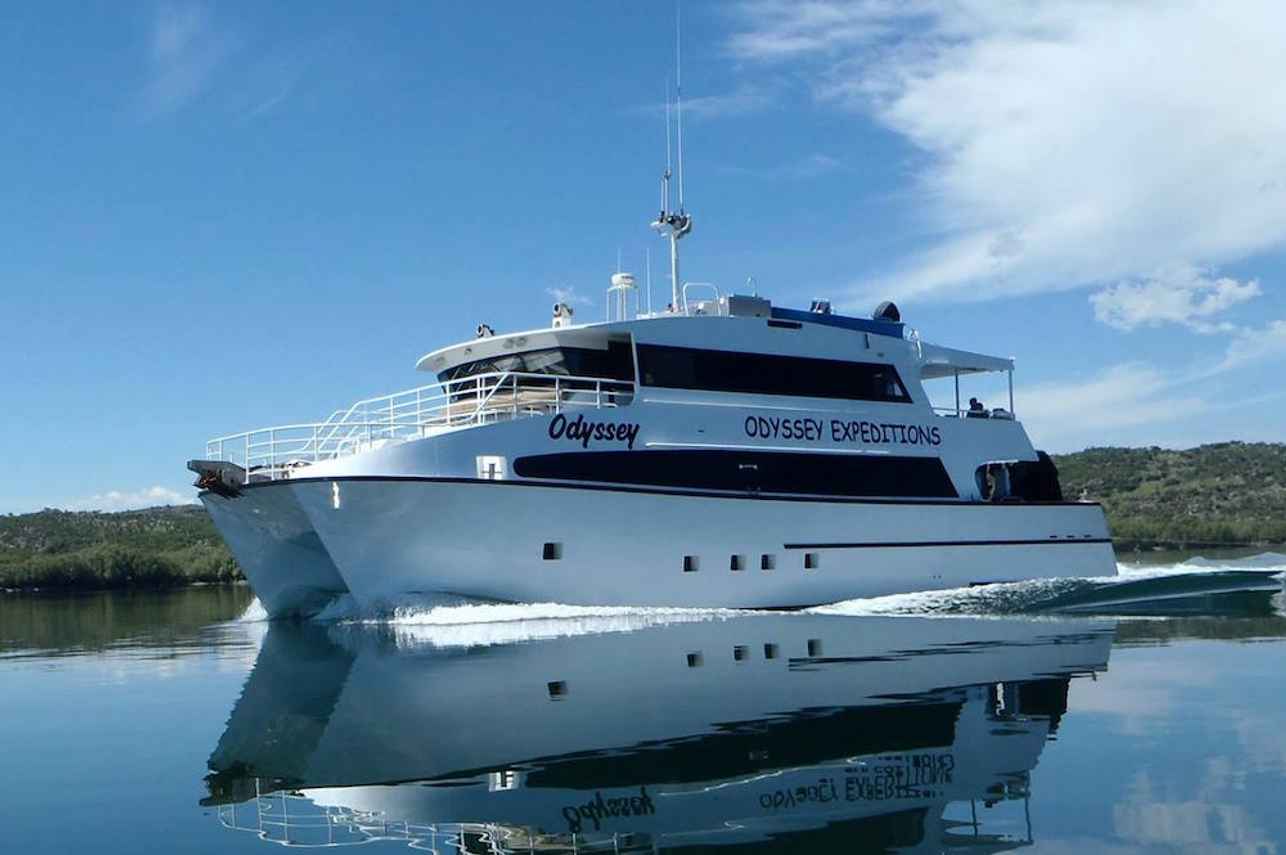
Odyssey Liveaboard
Australia
20 guests24 m
$392/day
Dive sites similar to Lady Elliot Island - Lighthouse Bommies
Same character, same waters — six more sites divers love for the exact same reasons.Compare seasons, access and liveaboard routes — then pick the site that fits your trip best.
Agincourt Reef
Australia
Agincourt Reef sits on the outer edge of the Great Barrier Reef, roughly 60–72 km off Port Douglas in Far North Queensland, at the southern end of the true ribbon reefs that run…
- Suitable for
- Beginner
- Current
- Moderate
- Access
- Dayboat
- Depth
- 2–20 m
- Theme
- Reef / Wall
Cocos Keeling - Canons
Australia
Cocos Keeling - Canons offers a distinctive dive experience within the Cocos (Keeling) Islands lagoon, making it Australia's most remote dive destination.
- Suitable for
- Beginner
- Current
- Mild
- Access
- Dayboat
- Depth
- 8–12 m
- Theme
- Reef
Raine Island
Australia
Raine Island is a pivotal dive site located in the Far Northern Great Barrier Reef, approximately 85 kilometers east-north-east of Cape Grenville and just over 4 nautical miles south of the island itself.
- Suitable for
- Advanced
- Current
- Strong
- Access
- Liveaboard only
- Depth
- 5–40 m
- Theme
- Reef / Wall
Bare Island East
Australia
Bare Island East is a highly regarded shore dive in Sydney, celebrated for its diverse and colourful sponge gardens.
- Suitable for
- Intermediate
- Current
- Mild
- Access
- Shore / dayboat
- Depth
- 2–11 m
- Theme
- Reef
Cocos Keeling - Broccoli Patch
Australia
Broccoli Patch is a premier dive site nestled within the Cocos (Keeling) Islands lagoon system, offering a gentle yet captivating underwater experience.
- Suitable for
- Beginner
- Current
- Mild
- Access
- Dayboat
- Depth
- 5–10 m
- Theme
- Reef
Milln Reef
Australia
Milln Reef, located approximately 60km offshore from Cairns within the Great Barrier Reef, stands out as a highly favored outer reef destination for both divers and snorkelers.
- Suitable for
- Intermediate
- Current
- Moderate
- Access
- Liveaboard or dayboat
- Depth
- 4–22 m
- Theme
- Reef