About Ray Point
Ray Point, often referred to as Big Ray Point, is a premier dive site located close to Bayahibe, specifically near the famous "Natural Pool" or "Palmillas." This site is celebrated for its shallow depths, making it accessible to a wide range of divers, and its consistently vibrant marine life. The reef here remains in excellent condition, partly due to its relative distance from other heavily dived locations. The topography features a beautiful, healthy coral reef that thrives with diverse species. Depths at Ray Point typically range from 12 meters, allowing for extended bottom times and thorough exploration. It often experiences a gentle current, which makes it an ideal spot for drift diving, allowing divers to cover a greater expanse of the reef effortlessly. Marine life sightings are frequent and varied, with large southern stingrays being a key attraction and giving the site its name. Green sea turtles are commonly observed interacting with divers, and the healthy corals host numerous tropical fish. The site's ecological richness is sustained by its protected location and consistent, favorable conditions, especially during the peak diving seasons. For divers, the experience at Ray Point is typically a relaxed drift dive, negating the need to swim against currents back to the boat. This allows for an immersive exploration of the reef's intricate ecosystems. It is a site that can be enjoyed as part of a full-day charter to Saona Island or a half-day private dive charter, offering flexibility for itinerary planning.
Highlights
Large southern stingray encountersThriving coral reef ecosystemsGentle drift diving experienceFrequent green sea turtle sightingsShallow, accessible depthsVibrant tropical fish diversityExcellent visibility conditions
Season calendar
Best months to dive here
Jan
Feb
Mar
Apr
May
Jun
Jul
Aug
Sep
Oct
Nov
Dec
Excellent
Dive site facts: Ray Point
- Depth
- 12 m
- Typical dive
- 12 m, 50–60 min
- Current
- Mild to moderate
- Visibility
- 10–30 m
- Water temperature
- 24–29°C (75–84°F)
- Entry
- Boat / drift
- Level
- All levels, comfortable with drift diving
- Dive type
- Reef, drift, marine life encounters
- Region / port
- Bayahibe
- Coordinates
- 19.756, -70.515
Conditions & Currents
Ray Point is characterized by a gentle and often consistent current, making it an excellent location for drift diving. Divers typically enter and allow the current to carry them along the reef, covering a longer section of the site without significant exertion. This minimizes the need for swimming back to the entry point and allows for an extended exploration of the reef. Visibility is generally good, ranging from 10 to 30 meters, contributing to a clear and enjoyable experience. The mild currents and shallow depth make it suitable for divers of various skill levels, though comfort with drift diving is beneficial.
Marine life & sighting chances
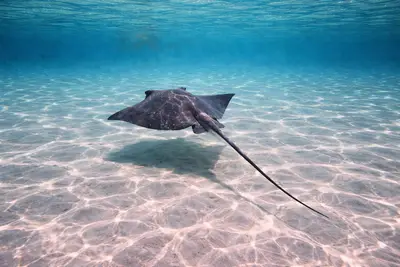
Southern Stingray
common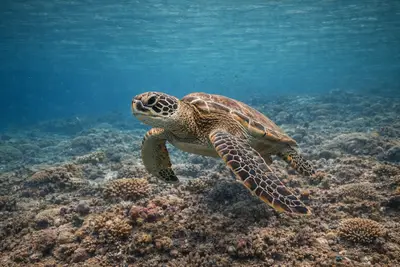
Green Sea Turtle
common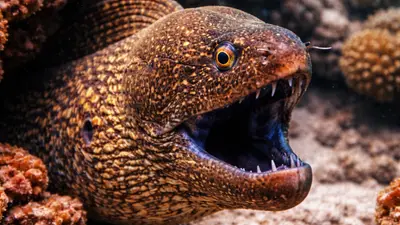
Moray Eel
occasional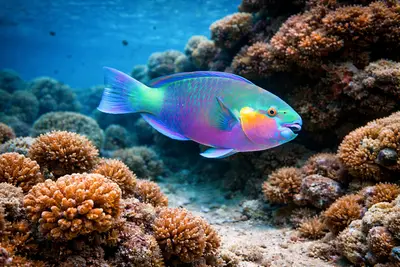
Parrotfish
common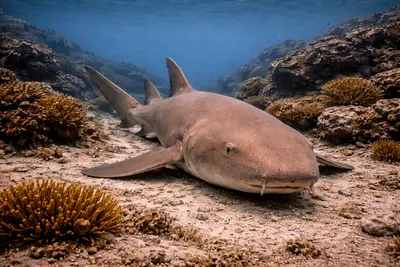
Nurse Shark
occasional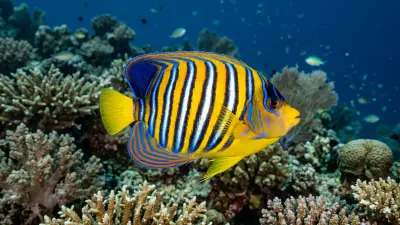
Angelfish
common
Barracuda
occasional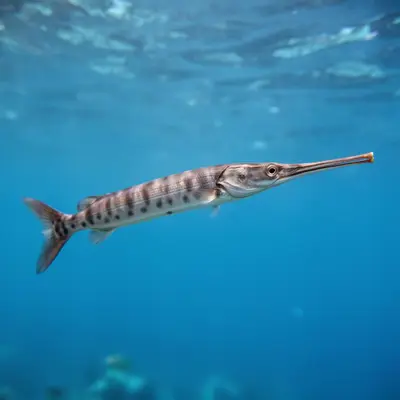
Trumpetfish
occasional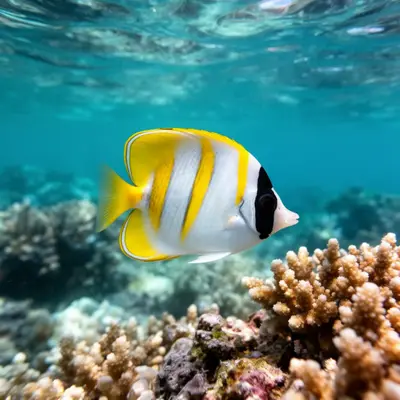
Butterflyfish
common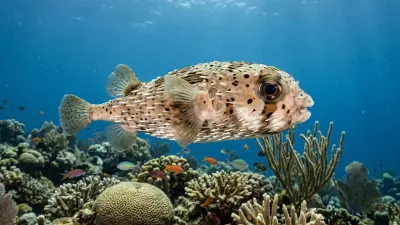
Porcupinefish
occasional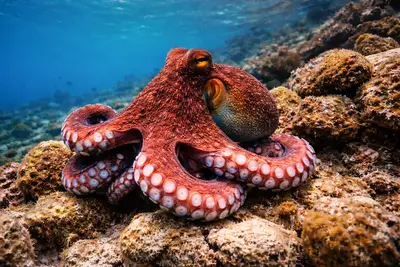
Octopus
occasional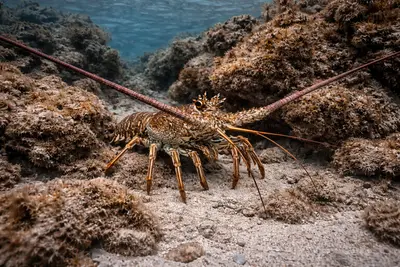
Lobster
occasionalDive profile & how the dive runs
Dives at Ray Point typically begin with a tender or back-roll entry from the dive boat, positioned to facilitate a drift dive. Upon entry, divers descend to the reef at approximately 12 meters. The dive then follows the gentle prevailing current, allowing for effortless navigation along the extensive coral formations. The route typically involves a slow drift over vibrant hard and soft corals, where divers can observe southern stingrays, green sea turtles, and various tropical fish. Turnaround is usually determined by air consumption, although the drift nature means you don't return along the same path. The safety stop is conducted as the dive concludes, often near the end of the reef before surfacing to meet the boat.
Underwater photography
Ray Point's shallow depth and excellent visibility make it an ideal location for wide-angle photography, capturing the expansive coral reefs and the frequent sightings of southern stingrays and green sea turtles. A wide-angle lens will best convey the scale of the reef and marine animal interactions. For closer subjects like moray eels or smaller reef fish, a macro lens can be effective, though the emphasis here is on the broader seascape. Natural light is often sufficient given the shallow conditions, but a strobe can enhance colors and reduce backscatter. Maintain excellent buoyancy control to avoid disturbing the healthy corals and marine life, allowing for stable shots and respecting the environment.
Combine with nearby dive sites
- Saona Island Reef
Often combined in full-day charters.
- St. George Wreck
A deep artificial reef with barracudas and groupers.
- Catalina Island Wall
Features a dramatic drop-off with sponges and tubes.
- Guaraguao Reef
An underwater archaeological museum with cannons.
- Atlantic Princess Wreck
A shallow shipwreck teeming with fish schools.
Getting there & logistics
Access to Ray Point is typically via boat charters originating from Bayahibe, a popular departure point on the Dominican Republic's southeast coast. Divers often arrive in the Dominican Republic through Punta Cana International Airport (PUJ) or Las Américas International Airport (SDQ) near Santo Domingo, followed by a transfer to Bayahibe. Dive trips to Ray Point are commonly offered as part of half-day or full-day excursions, sometimes combined with visits to Saona Island or other nearby dive sites. There are no specific park fees mentioned for Ray Point itself, but national park fees may apply for combined itineraries to other protected areas.
Safety & environment
While Ray Point is generally considered a safe dive site due to its shallow depth and mild currents, divers should always carry appropriate dive insurance that covers medical emergencies and evacuation. The nearest recompression chamber is typically located in Santo Domingo, which is a significant distance from Bayahibe, making emergency evacuation a multi-stage process. Divers should adhere to their dive computer limits and maintain good buoyancy to protect the delicate coral reef. Always dive with a reputable operator and follow their briefings and local site rules. Awareness of boat traffic, especially during surfacing, is crucial.
Who it suits — and who it doesn't
Suited for
- Beginner divers seeking shallow, relaxed dives
- Underwater photographers due to excellent light and marine life
- Divers interested in seeing southern stingrays and sea turtles
- Divers who enjoy drift diving with minimal effort
- All levels of divers looking for vibrant coral reefs
Less suited for
- Technical divers seeking deep or complex profiles
- Divers looking for significant wreck penetrations
- Individuals uncomfortable with boat entries and exits
- Divers preferring strong currents or pelagic-heavy sites
- Those seeking cave or cavern diving experiences
FAQ
Ray Point FAQ
What kind of marine life can I expect to see at Ray Point?
Ray Point is famous for its large southern stingrays, which are frequently encountered. Divers can also expect to see green sea turtles, a variety of colorful tropical fish like parrotfish and angelfish, and occasionally nurse sharks, moray eels, and octopuses thriving on the healthy coral reef.
Is Ray Point suitable for beginner divers?
Yes, Ray Point is an excellent site for beginner divers due to its shallow depth of around 12 meters and generally mild currents. The calm conditions and abundant marine life provide a relaxed and rewarding introduction to diving, making it accessible for all certification levels, provided they are comfortable with a drift dive.
Does Ray Point have strong currents?
Ray Point typically experiences mild to moderate currents, making it ideal for drift diving. These currents allow divers to effortlessly glide along the reef, covering more ground and enhancing the diving experience. The currents are generally not strong enough to pose a challenge for most divers.
Can I do a night dive at Ray Point?
While the sources do not explicitly confirm night diving at Ray Point, its characteristics as a shallow, biodiverse reef make it potentially suitable for such an activity. However, specific permits or arrangements with local dive operators would be required to determine if night dives are offered or permitted at this particular location.
How clear is the water visibility at Ray Point?
The water visibility at Ray Point is generally very good, often ranging between 10 to 30 meters (30-100 feet). During the peak diving season from June to September, visibility can be exceptional, providing clear views of the vibrant coral formations and abundant marine life.
Why dive Ray Point from a liveaboard?
Ray Point is one of Dominican Republic's signature dive sites. A liveaboard sleeps you on the water and puts you in the water for three to four guided dives per day, including dawn and night dives that day-boat operators rarely offer. You skip the daily commute back to port and reach quieter, less-crowded sites in the same region on a single trip.
Below are the liveaboards that include Ray Point on their Dominican Republic itineraries.
Liveaboards diving Ray Point
These liveaboards may visit Ray Point on selected itineraries — the exact dive sites depend on departure, weather and conditions.
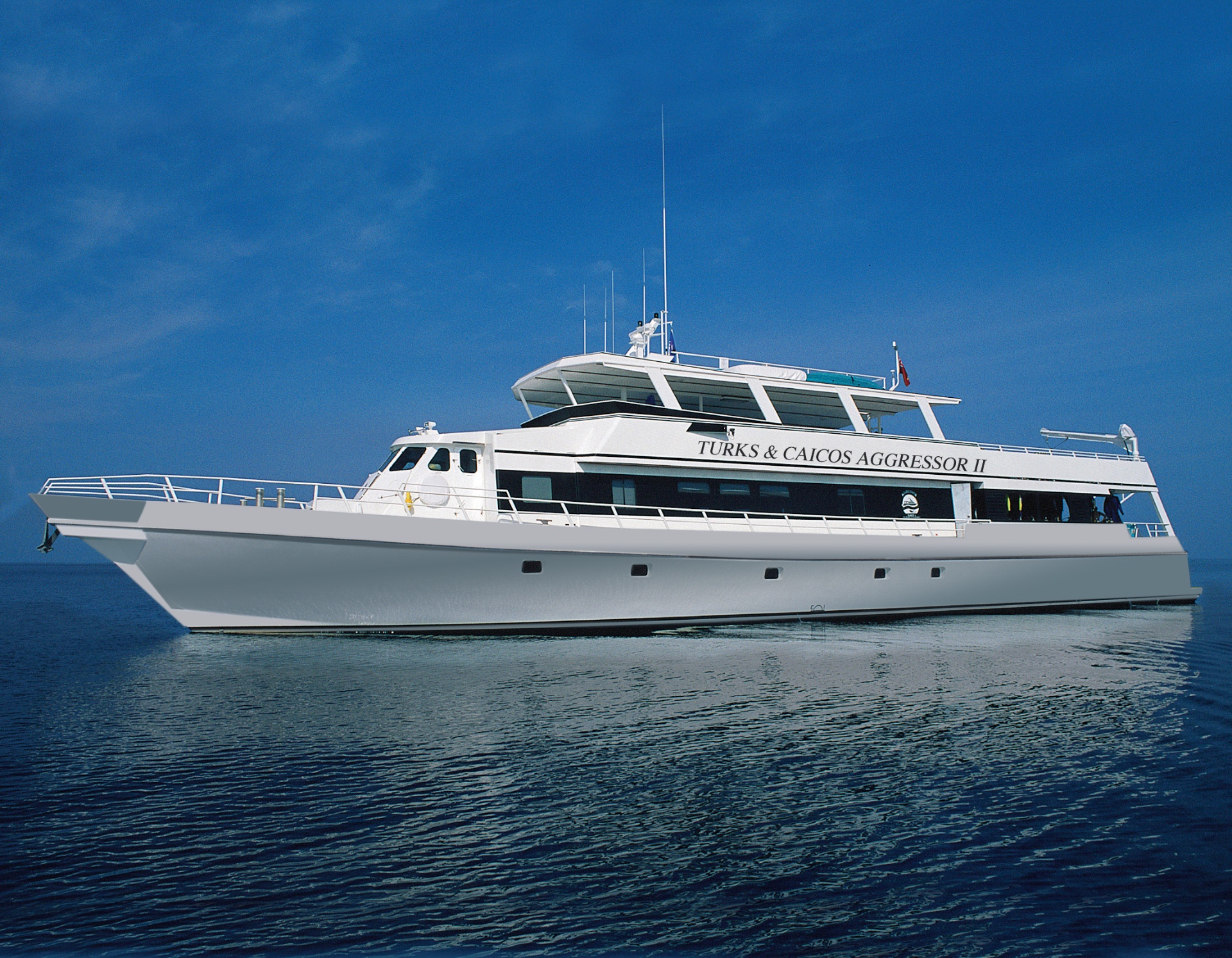
Turks & Caicos Aggressor II
Turks & Caicos
18 guests36.6 m
$287/day
Dive sites similar to Ray Point
Same character, same waters — six more sites divers love for the exact same reasons.Compare seasons, access and liveaboard routes — then pick the site that fits your trip best.
© Esri — Maxar, Earthstar, GIS
Larimar I & II
Dominican Republic
Larimar I & II offers a compelling dive experience just five minutes by boat from Sosúa Bay in the Dominican Republic.
- Suitable for
- Beginner
- Current
- No current
- Access
- Dayboat
- Depth
- 10–25 m
- Theme
- Wall / Reef
© Esri — Maxar, Earthstar, GIS
La Parguera
Dominican Republic
La Parguera, also known as Red Snapper, is a notable dive site located around Saona Island off the southeast coast of the Dominican Republic.
- Suitable for
- Advanced
- Current
- Strong
- Access
- Dayboat
- Depth
- 20–25 m
- Theme
- Wall / Drift
© Esri — Maxar, Earthstar, GIS
Three Rocks & Coral Gardens
Dominican Republic
Three Rocks and Coral Gardens, situated off Sosúa on the North Coast of the Dominican Republic, offer a diverse dive experience from shallow pinnacles to deeper reef walls.
- Suitable for
- Beginner
- Current
- Mild
- Access
- Liveaboard or dayboat
- Depth
- 4–24 m
- Theme
- Reef / Wall
© Esri — Maxar, Earthstar, GIS
Catalina Island Wall
Dominican Republic
Catalina Island Wall is a world-renowned dive site located off the southeastern coast of the Dominican Republic, easily accessible from Bayahibe or La Romana.
- Suitable for
- Intermediate
- Current
- Mild
- Access
- Liveaboard or dayboat
- Depth
- 2–60 m
- Theme
- Wall
© Esri — Maxar, Earthstar, GIS
Catalina Garden
Dominican Republic
Catalina Garden, situated off the coast of Bayahibe in the Dominican Republic, is a beautiful shallow Caribbean reef dive site.
- Suitable for
- Beginner
- Current
- Mild
- Access
- Liveaboard or dayboat
- Depth
- 8–12 m
- Theme
- Reef / Wall
© Esri — Maxar, Earthstar, GIS
Saona Island Reef
Dominican Republic
Saona Island Reef, situated off the southeastern coast of the Dominican Republic within Cotubanamá National Park, is a celebrated dive destination known for its impressive coral formations and diverse marine life.
- Suitable for
- Beginner
- Current
- Strong
- Access
- Liveaboard or dayboat
- Depth
- 5–20 m
- Theme
- Reef / Wall