About El Bajón
El Bajón is a celebrated dive site situated off the coast of Bayahibe in the Dominican Republic, offering divers an exceptional underwater experience within the tranquil Caribbean Sea. Known for its healthy coral formations and diverse marine life, it stands out as a prime location for both novice and experienced divers. The site benefits from consistently warm waters and excellent visibility, making it an appealing destination year-round. The topography of El Bajón features a gentle slope adorned with a variety of hard and soft corals, providing ample habitat for numerous reef fish and invertebrates. Depths typically range from shallow areas suitable for beginners to deeper sections that challenge more advanced divers. The calm conditions in this part of the Caribbean ensure a relaxed diving environment, contrasting with the more exposed Atlantic sites. Marine life at El Bajón is abundant and varied, showcasing the rich biodiversity of the Caribbean. Divers frequently encounter vibrant schools of tropical fish, various invertebrates, and occasional pelagic species. While specific seasonality for individual species can vary, the overall health of the reef sustains a lively underwater spectacle throughout the year. Diving at El Bajón typically involves boat access from Bayahibe. The mild currents and clear waters contribute to an enjoyable and safe dive, allowing ample time for exploration and photography. It forms an integral part of many local dive itineraries, often combined with other nearby sites to offer a comprehensive Caribbean diving adventure.
Highlights
Healthy coral formationsDiverse reef fishCalm Caribbean watersExcellent visibilityGentle sloping reefBeginner to advanced depths
Season calendar
Best months to dive here
Jan
Feb
Mar
Apr
May
Jun
Jul
Aug
Sep
Oct
Nov
Dec
Excellent
Dive site facts: El Bajón
- Depth
- 9–30 m
- Current
- Mild
- Visibility
- 15–30 m
- Water temperature
- 24–29°C
- Entry
- Boat
- Level
- All levels
- Dive type
- Reef
- Region / port
- Bayahibe
- Coordinates
- 18.36, -68.92
Conditions & Currents
El Bajón generally experiences mild currents, characteristic of the south coast of the Dominican Republic, making it suitable for divers of all levels. While occasional slow currents can be present, they rarely pose a challenge. Visibility at the site is consistently excellent, often reaching 30 meters or 100 feet, due to the calm Caribbean seas and minimal runoff. Entry is typically via tender, and conditions usually allow for a straightforward descent and ascent. Divers should always pay attention to the dive briefing regarding potential minor current changes and plan their gas accordingly, though demanding current techniques are seldom required here.
Marine life & sighting chances

Eagle rays
occasional
Barracuda
occasional
Nurse sharks
occasional
Jacks
occasional
Dolphins
occasional
Turtles
occasional
Trumpetfish
common
Butterflyfish
common
Porcupinefish
common
Parrotfish
common
Clownfish
common
Angelfish
common
Sponges
common
Sea urchins
commonDive profile & how the dive runs
Dives at El Bajón typically begin with a boat entry, followed by a controlled descent to the reef, which starts at around 9 meters and slopes gently down to about 30 meters. Divers generally follow the natural contours of the reef, exploring the coral formations and observing marine life. The route often involves a leisurely drift along the slope, allowing for minimal exertion and maximum viewing time. Turnaround points are usually determined by air consumption and no-decompression limits, with the deepest part of the dive often occurring early in the profile. The safety stop is conducted in the shallower sections of the reef, typically at 5 meters, before a comfortable ascent back to the boat, which will track the divers' progress.
Underwater photography
El Bajón's consistently clear water and healthy reef make it an excellent location for underwater photography, particularly for wide-angle shots of the expansive coral gardens. A wide-angle lens is recommended to capture the full scope of the reef's beauty and the schools of fish. For macro enthusiasts, there are numerous opportunities to photograph smaller invertebrates nestled within the corals; a macro lens will reveal intricate details. Natural light photography is often sufficient in the shallower areas due to the superb visibility, but strobes will enhance color and detail, especially at greater depths. Practicing good buoyancy control is crucial here to avoid damaging the delicate coral structures and to maintain stable shots.
Combine with nearby dive sites
- Saona Island Reef
Saona Island Reef, situated off the southeastern coast of the Dominican Republic within Cotubanamá National Park, is a celebrated dive…
- Catalina Garden
Catalina Garden, situated off the coast of Bayahibe in the Dominican Republic, is a beautiful shallow Caribbean reef dive site.
- Catalina Island Wall
Catalina Island Wall is a world-renowned dive site located off the southeastern coast of the Dominican Republic, easily accessible from…
- Atlantic Princess Wreck
The Atlantic Princess Wreck serves as a captivating artificial reef near Bayahibe, Dominican Republic.
- St. George Wreck
The St.
- Guaraguao Reef
Guaraguao Reef, located near Punta Cana in the Dominican Republic, is a captivating shallow reef dive site ideal for divers seeking…
Getting there & logistics
Access to El Bajón is typically facilitated through dive operators based in Bayahibe, which is well-situated for exploring the south coast's dive sites. The nearest major international airport is Punta Cana International Airport (PUJ), from which Bayahibe is approximately a 45-minute drive. Dive packages often include daily boat trips to multiple sites, with typical itineraries combining El Bajón with nearby reefs and wrecks like the St. George. Full-day trips usually include two dives and often lunch on a nearby island. No specific permits beyond standard dive tour bookings are typically required for recreational diving at this site. Trip durations vary, but many divers opt for week-long stays to explore the rich diversity of the region.
Safety & environment
Safety at El Bajón is generally high due to its calm conditions and accessibility. Dive operators in Bayahibe adhere to international safety standards, providing comprehensive briefings and professional guidance. The nearest recompression chamber is located in Santo Domingo, which is approximately a 1.5 to 2-hour drive from Bayahibe, necessitating adequate dive accident insurance for all divers. Divers should always maintain proper buoyancy to protect the reef and prevent accidental contact. It is essential to stay hydrated and vigilant for any changes in weather or sea conditions. Following dive guide instructions and diving within personal limits are critical for a safe experience in this serene environment.
Who it suits — and who it doesn't
Suited for
- Beginner divers seeking calm conditions
- Underwater photographers
- Divers interested in healthy coral reefs
- Families with mixed-level divers
- Those looking for consistent visibility
Less suited for
- Divers seeking strong drift dives
- Those primarily interested in large pelagic encounters
- Divers who prefer very deep, technical dives
- Individuals looking for challenging wreck penetrations
FAQ
El Bajón FAQ
What is the typical depth range at El Bajón?
El Bajón offers a versatile depth range, starting from approximately 9 meters and gently sloping down to around 30 meters. This variation allows for enjoyable diving experiences for both novice divers exploring shallower sections and more experienced divers venturing into deeper areas of the reef.
How good is the visibility at El Bajón?
Visibility at El Bajón is consistently excellent, often ranging between 15 to 30 meters (50 to 100 feet). The calm Caribbean waters and minimal runoff contribute to exceptionally clear conditions, providing fantastic views of the vibrant marine life and coral formations.
Are there strong currents at El Bajón?
Generally, El Bajón is known for its mild currents, making it a comfortable dive site for all experience levels. While occasional slow currents may be encountered, they are typically manageable and do not require advanced drift diving techniques. Dive briefings will always inform you of any expected current conditions.
What kind of marine life can I expect to see at El Bajón?
El Bajón is home to a rich variety of Caribbean marine life. You can expect to encounter numerous species of reef fish such as parrotfish, angelfish, and butterflyfish, along with diverse invertebrates. Occasional sightings of larger species like eagle rays, barracuda, and turtles also enrich the diving experience.
Is El Bajón suitable for beginner divers?
Yes, El Bajón is highly suitable for beginner divers due to its calm waters, excellent visibility, and mild currents. The gentle sloping reef allows for comfortable progression and exploration, making it an ideal site for those building their confidence and experience underwater.
Why dive El Bajón from a liveaboard?
El Bajón is one of Dominican Republic's signature dive sites. A liveaboard sleeps you on the water and puts you in the water for three to four guided dives per day, including dawn and night dives that day-boat operators rarely offer. You skip the daily commute back to port and reach quieter, less-crowded sites in the same region on a single trip.
Below are the liveaboards that include El Bajón on their Dominican Republic itineraries.
Liveaboards diving El Bajón
These liveaboards may visit El Bajón on selected itineraries — the exact dive sites depend on departure, weather and conditions.
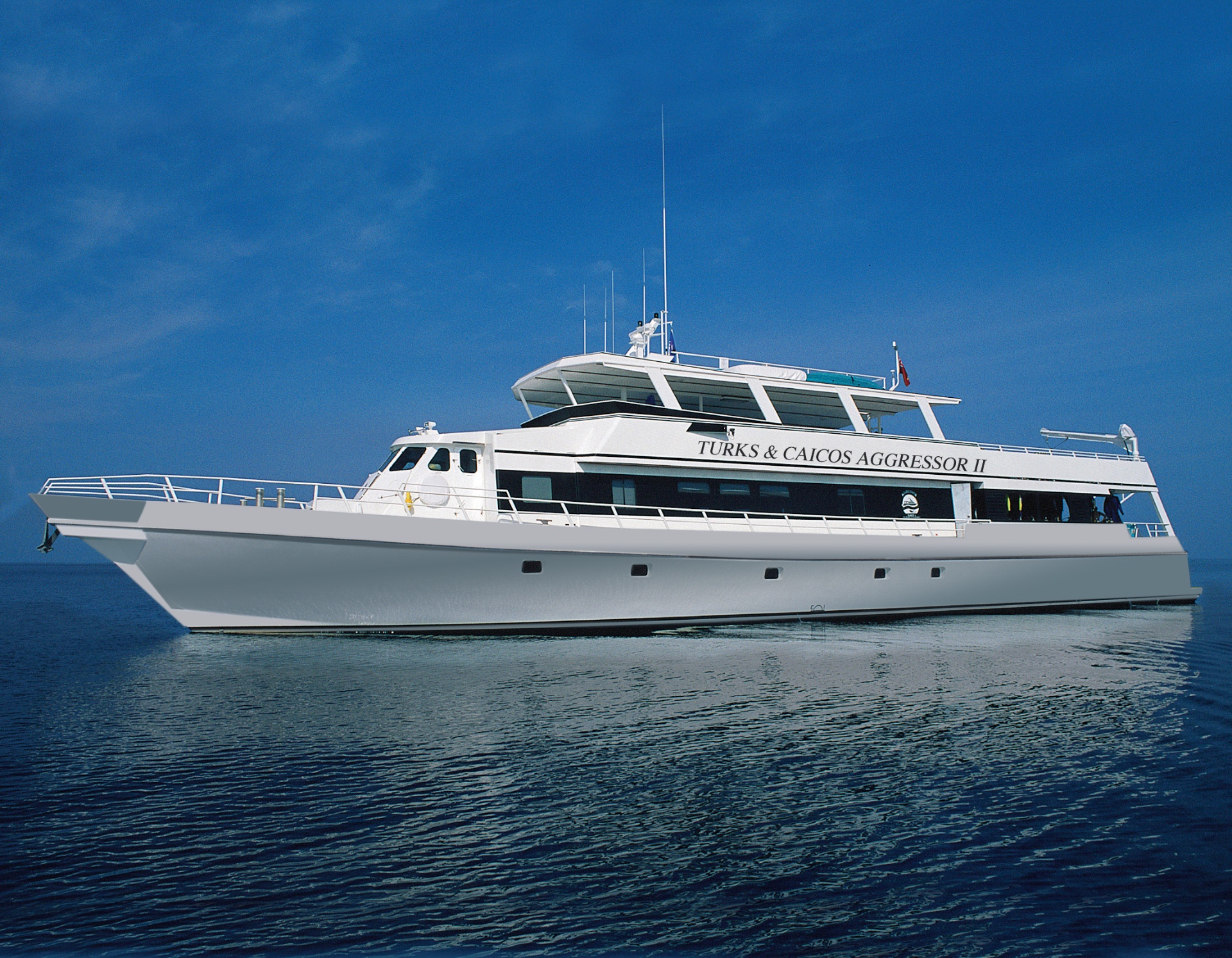
Turks & Caicos Aggressor II
Turks & Caicos
18 guests36.6 m
$287/day
Dive sites similar to El Bajón
Same character, same waters — six more sites divers love for the exact same reasons.Compare seasons, access and liveaboard routes — then pick the site that fits your trip best.
© Esri — Maxar, Earthstar, GIS
Canal Saona
Dominican Republic
Saona Island Reef, located within Cotubanamá National Park off the southeastern coast of the Dominican Republic, is a well-regarded dive site known for its rich coral ecosystems and abundant marine species.
- Suitable for
- Intermediate
- Current
- Moderate
- Access
- Liveaboard or dayboat
- Depth
- 20–20 m
- Theme
- Reef
El Peñon is a highly-regarded dive site located within the protected Parque Nacional del Este, near Bayahibe in the Dominican Republic.
- Suitable for
- Beginner
- Current
- No current
- Access
- Dayboat
- Depth
- 7–28 m
- Theme
- Reef
The Polyxeni wreck is the remains of a Greek freighter, located within the Silver Bank, a designated marine mammal sanctuary approximately 70 to 85 miles north of the Dominican Republic's coast, near Puerto Plata.
- Suitable for
- Beginner
- Current
- No current
- Access
- Liveaboard only
- Depth
- ≤ 13 m
- Theme
- Reef
El Limón is a notable shipwreck site located within the La Caleta Underwater National Park, close to Santo Domingo.
- Suitable for
- Advanced
- Current
- Mild
- Access
- Dayboat
- Depth
- 30–30 m
- Theme
- Wreck / Reef
© Esri — Maxar, Earthstar, GIS
Sosua Marine Reserve
Dominican Republic
The Sosua Marine Reserve offers a premier diving experience directly accessible from Playa Sosua on the north coast of the Dominican Republic.
- Suitable for
- Beginner
- Current
- Mild
- Access
- Dayboat
- Depth
- 5–18 m
- Theme
- Reef
The Dominican Republic presents a varied underwater landscape, suitable for divers of all levels, with its calm Caribbean seas off the south coast providing ideal conditions for…
- Suitable for
- Intermediate
- Current
- Moderate
- Access
- Liveaboard or dayboat
- Depth
- 5–26 m
- Theme
- Reef