About Andros Barrier Reef
The Andros Barrier Reef, located off Andros Island in the Bahamas, is the third-largest barrier reef system globally, stretching over 140 miles. This extensive reef is a sanctuary for diverse marine ecosystems, providing exceptional diving and snorkeling opportunities. Its unique topography includes shallow coral gardens for beginners that transition dramatically into vertical walls, most notably the Tongue of the Ocean, a deep oceanic trench plunging over 6,000 feet. The reef teems with kaleidoscopic corals and a rich variety of marine life. Divers can expect to encounter species such as Nassau groupers, stingrays, Caribbean reef sharks, and schooling pelagics like snapper and jack. The undisturbed nature of the reef, due to Andros Island's low population and lack of large resorts, contributes to its remarkable health and abundance of sea life. Diving conditions are excellent year-round, with consistently warm water temperatures and exceptional visibility often exceeding 100 feet. The dry season from November to May offers the most stable weather and clearest waters, making it the optimal time for exploration. Divers can access numerous sites, from shallow shore dives to deep wall dives, and even explore unique blue holes and wreck sites scattered around Andros. This destination caters to all skill levels, offering experiences from vibrant shallow reefs perfect for novice divers to challenging technical dives in blue holes. Whether through daily boat excursions or liveaboard trips to more remote locations, the Andros Barrier Reef promises an unforgettable underwater adventure in a largely untouched marine paradise.
Highlights
World's third-largest barrier reefTongue of the Ocean wall divesExceptional water clarityDiverse coral formationsAbundant marine lifeBlue Holes National ParkShallow reefs to deep wallsUntouched marine paradise
Season calendar
Best months to dive here
Jan
Feb
Mar
Apr
May
Jun
Jul
Aug
Sep
Oct
Nov
Dec
Excellent
Good
Dive site facts: Andros Barrier Reef
- Depth
- 5–1829 m
- Typical dive
- 12–30 m, 50–60 min
- Current
- Mild to moderate
- Visibility
- 18–45 m
- Water temperature
- 24–31°C
- Entry
- Boat / Shore
- Level
- All levels
- Dive type
- Reef, Wall, Wreck, Blue Hole
- Night dive
- Possible
- Region / port
- Andros Island, Bahamas
- Coordinates
- 24.7, -77.75
Conditions & Currents
Currents around the Andros Barrier Reef are generally mild, particularly on the shallow reef sections. However, conditions can vary, with stronger currents sometimes experienced during the wet season from June to October, or when diving the dramatic wall drop-offs into the Tongue of the Ocean. Visibility is typically excellent, ranging from 60 to 150 feet, but can be reduced following heavy rainfall. Water temperatures remain warm throughout the year, from 24°C (75°F) in winter to 29°C (85°F) in summer, meaning thermal protection requirements are minimal. Divers should be prepared for potential changes in surface conditions, especially during the hurricane season, and always consult local dive operators for the most current site-specific information and guidance on entry and exit procedures.
Marine life & sighting chances
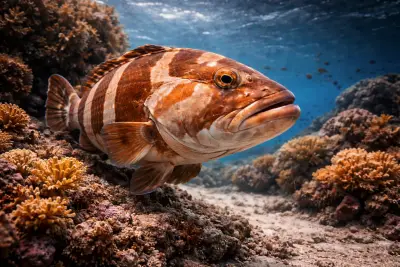
Nassau Grouper
common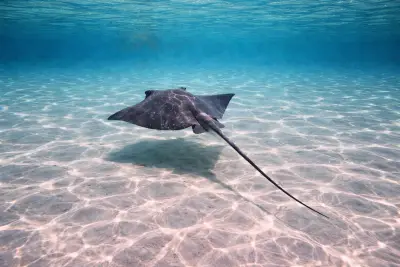
Stingray
common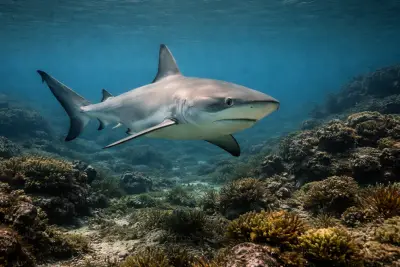
Caribbean Reef Shark
common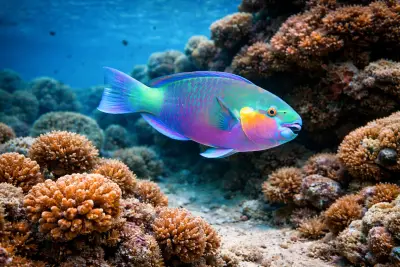
Parrotfish
common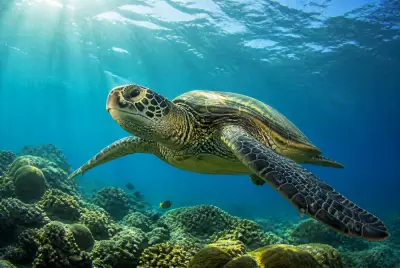
Sea Turtle
occasional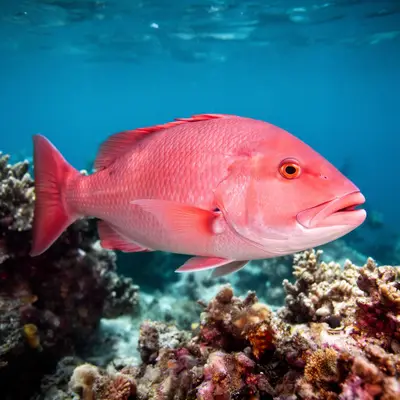
Snapper
common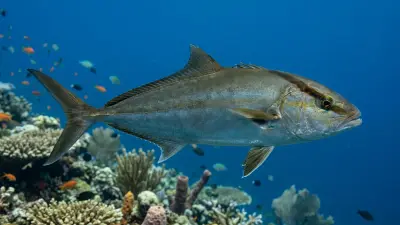
Jack
common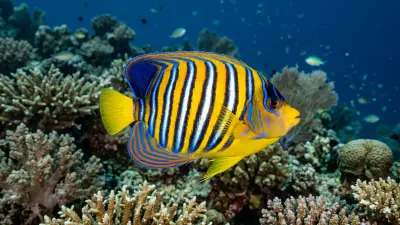
Angelfish
common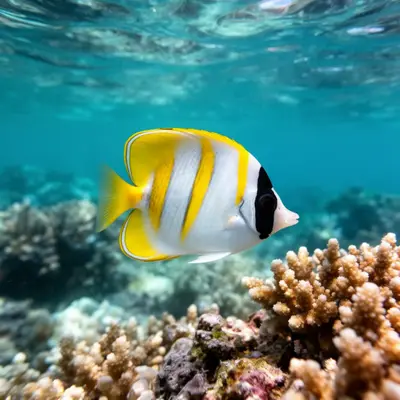
Butterflyfish
common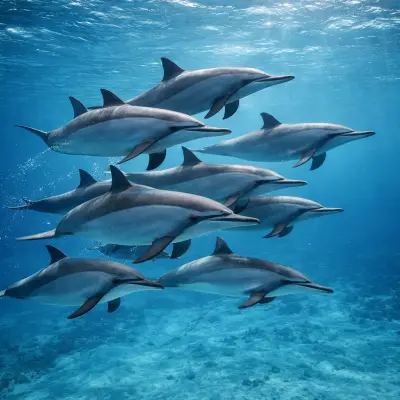
Spinner Dolphin
occasional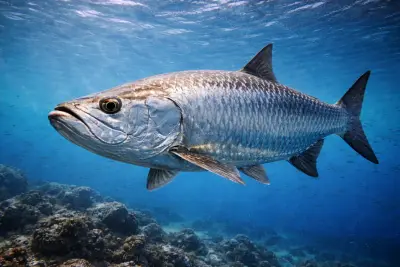
Tarpon
occasional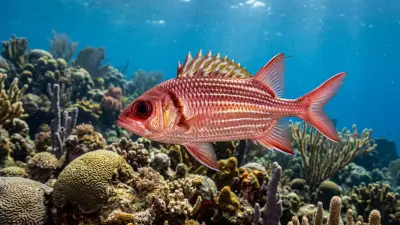
Squirrelfish
common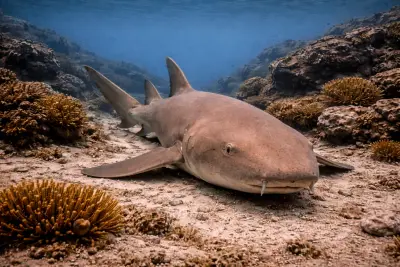
Nurse Shark
occasionalDive profile & how the dive runs
Dives on the Andros Barrier Reef often begin with a boat entry onto the shallow reef plateau, typically around 10-15 meters deep. From there, divers explore vibrant coral gardens and swim through small canyons before approaching the dramatic drop-off into the Tongue of the Ocean. For wall dives, the profile descends along the vertical face, following the reef down to depths of 30 meters or more, depending on experience and gas limits. Many sites feature overhangs and small caves where marine life congregates. The dive typically turns at a pre-determined depth or air consumption, ascending gradually back up the wall to explore shallower sections. The safety stop is usually conducted on the top of the reef at 5 meters, offering ample opportunity for observing colorful fish and hard corals.
Underwater photography
The exceptional visibility and diverse topography of the Andros Barrier Reef make it an outstanding location for underwater photography. Wide-angle lenses are ideal for capturing the expansive coral formations, dramatic wall dives into the Tongue of the Ocean, and large pelagic encounters such as Caribbean reef sharks and schooling fish. External strobes are highly recommended to bring out the vibrant colors of the corals and marine life, especially at deeper sections of the wall. For macro enthusiasts, there are plenty of small critters, colorful sponges, and nudibranchs hiding within the reef structures, requiring a macro lens. Patience and good buoyancy control are essential to avoid disturbing the delicate coral ecosystems and to compose clear, well-lit shots in varying light conditions.
Combine with nearby dive sites
- Great Blue Hole Andros
The Great Blue Hole on Andros is a captivating inland blue hole that acts as a gateway to an extensive subterranean cave network, setting…
- Tongue of the Ocean Wall
The Tongue of the Ocean Wall, located off New Providence near Nassau, represents a spectacular natural phenomenon—a deep oceanic trench…
- Alec's Cavern
A cavern dive on Andros Island
- The Barge/Coliseum
A World War 2 artificial reef
- Ray of Hope
A notable wreck site near Andros
- Blue Holes National Park
Home to numerous inland blue holes
Getting there & logistics
Access to Andros Island, and thus the barrier reef, typically involves flying into Lynden Pindling International Airport (NAS) in Nassau. From Nassau, you can take a short commuter flight to one of Andros's smaller airports or opt for a ferry ride. Many dive operations, such as Small Hope Divers, are based directly on Andros, offering daily boat excursions to the reef. Liveaboards also provide comprehensive itineraries that often include Andros, allowing access to more remote sites and combining with other Bahamian dive destinations. Trip lengths can vary from a few days of resort-based diving to week-long liveaboard adventures. As of now, there are no specific permits required for diving the main barrier reef, though some blue hole explorations may require specialized guides.
Safety & environment
Diving the Andros Barrier Reef requires adherence to standard safety protocols. While there are dive centers like Only Blue Diving Center on San Salvador Island with hyperbaric chambers, the nearest chamber directly on Andros for recompression is not explicitly stated. Divers should always carry comprehensive dive insurance that covers emergency medical evacuation, as getting to advanced medical facilities from remote parts of Andros can be challenging. Site-specific hazards include potential currents, especially on wall dives, and the deep environments of the Tongue of the Ocean and blue holes which demand appropriate training and experience. Always dive within your certification limits, follow your guide's instructions, and conduct thorough pre-dive safety checks. Respect marine life by observing from a distance and never touching corals or other organisms.
Who it suits — and who it doesn't
Suited for
- Advanced Open Water Divers interested in deep wall diving
- Beginner divers looking for vibrant shallow reef exploration
- Underwater photographers seeking clear water and diverse subjects
- Divers interested in unique geological features like blue holes
- Those seeking an undisturbed, less crowded dive experience
Less suited for
- Divers expecting extensive wreck diving options (though some exist)
- Those looking for highly predictable large pelagic encounters (e.g., specific shark feeds)
- Travelers preferring bustling resorts and nightlife
- Divers unwilling to travel via inter-island flights or ferries
- Individuals sensitive to remote locations with limited immediate medical infrastructure
FAQ
Andros Barrier Reef FAQ
What makes the Andros Barrier Reef unique compared to other reefs?
The Andros Barrier Reef is the world's third-largest, stretching over 140 miles, and is notable for its dramatic drop into the Tongue of the Ocean, a 6,000-foot deep trench. This unique topography allows for an incredible range of dive experiences, from shallow coral gardens to extreme wall dives, all within close proximity.
What kind of marine life can I expect to see at the Andros Barrier Reef?
Divers can expect a rich diversity of marine life, including Nassau groupers, stingrays, various species of parrotfish, and Caribbean reef sharks. The reef also teems with schooling pelagics like snapper and jack, alongside a colorful array of corals and smaller reef fish.
Are there blue holes to dive near the Andros Barrier Reef?
Yes, Andros Island is famous for its blue holes, including the Great Blue Hole and numerous others within the Blue Holes National Park. These unique sinkholes offer thrilling freshwater and saltwater dives for both recreational and technically inclined divers, presenting a captivating geological feature.
What is the visibility like at the Andros Barrier Reef?
The visibility at the Andros Barrier Reef is typically excellent, often ranging between 60 to 100 feet, and can even exceed 150 feet on optimal days. This exceptional clarity allows divers to fully appreciate the vibrant coral formations and extensive marine life, making it a photographer's paradise.
Is the Andros Barrier Reef suitable for beginner divers?
Absolutely. The Andros Barrier Reef offers numerous shallow reef sites that are ideal for beginner divers and snorkelers, with depths typically ranging from 5 to 15 meters. These areas feature abundant marine life and vibrant corals in calm, clear waters, providing an excellent introduction to diving.
How do you access the Andros Barrier Reef?
To reach the Andros Barrier Reef, you typically fly into Nassau's Lynden Pindling International Airport. From there, you can take a domestic flight to Andros Island or a ferry. Once on Andros, local dive operators provide boat excursions to various dive sites along the reef.
Why dive Andros Barrier Reef from a liveaboard?
Andros Barrier Reef is one of Bahamas's signature dive sites. A liveaboard sleeps you on the water and puts you in the water for three to four guided dives per day, including dawn and night dives that day-boat operators rarely offer. You skip the daily commute back to port and reach quieter, less-crowded sites in the same region on a single trip.
Below are the liveaboards that include Andros Barrier Reef on their Bahamas itineraries.
Liveaboards diving Andros Barrier Reef
These liveaboards may visit Andros Barrier Reef on selected itineraries — the exact dive sites depend on departure, weather and conditions.
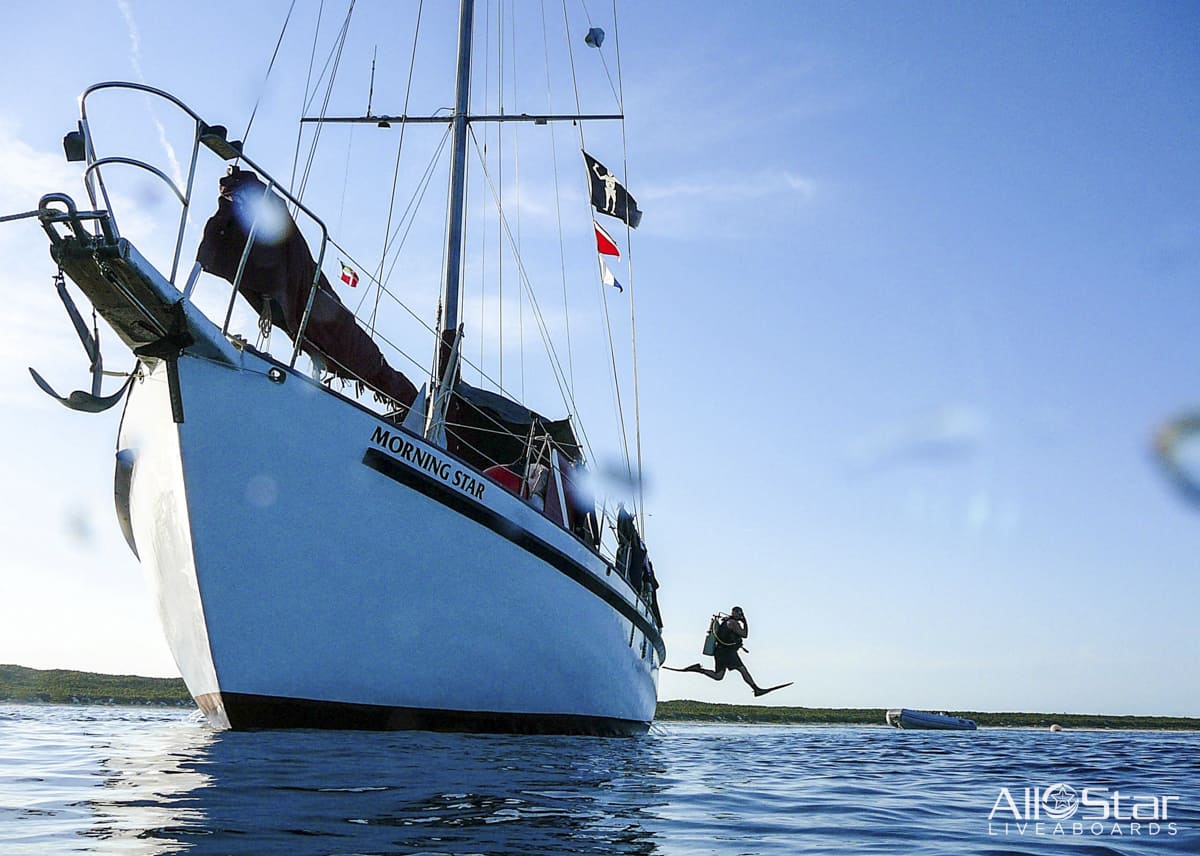
All Star Blackbeards Morning Star
Bahamas
24 guests19.81 m
$156/day
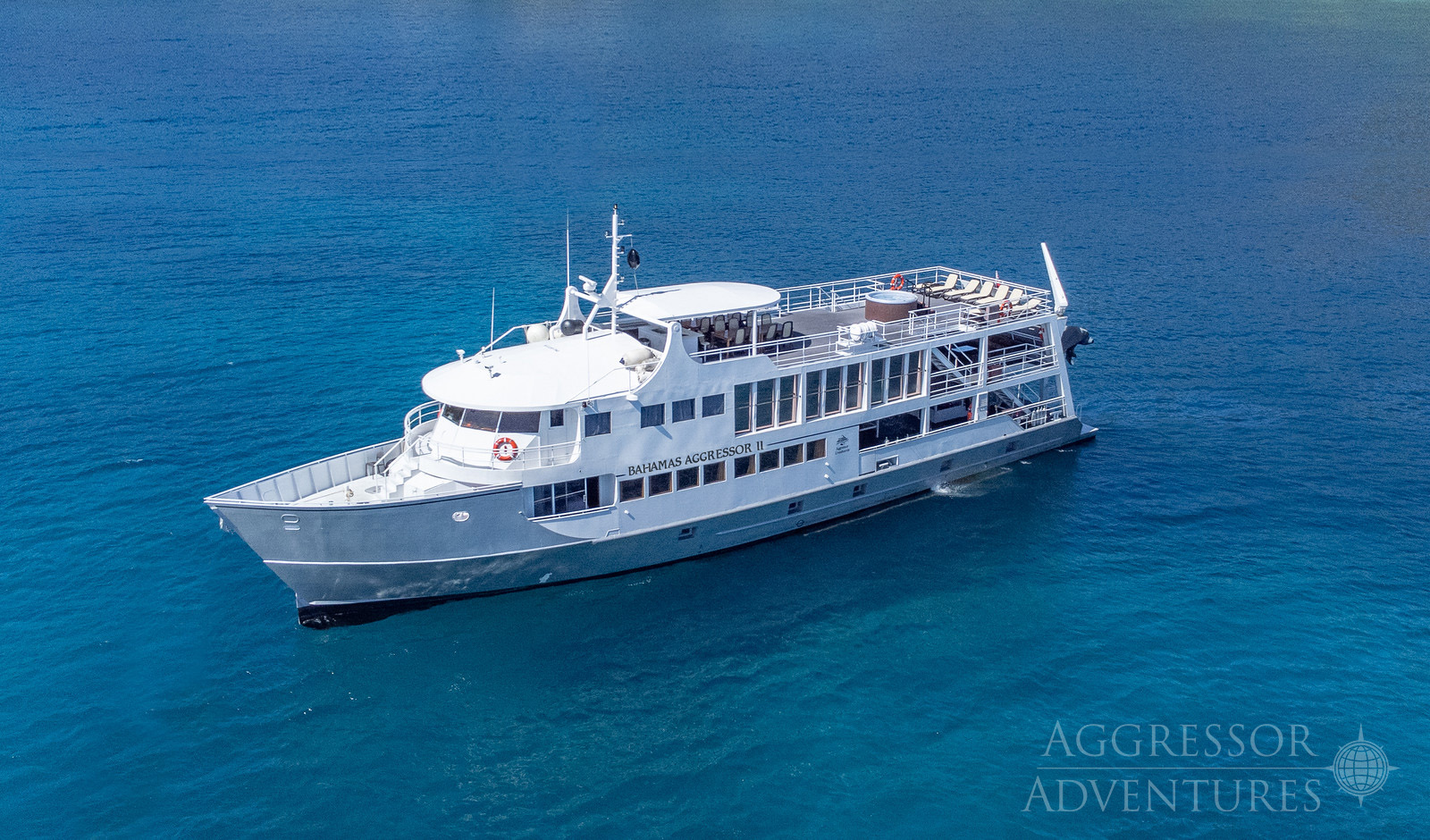
Bahamas Aggressor II
Bahamas
20 guests33.5 m
$328/day
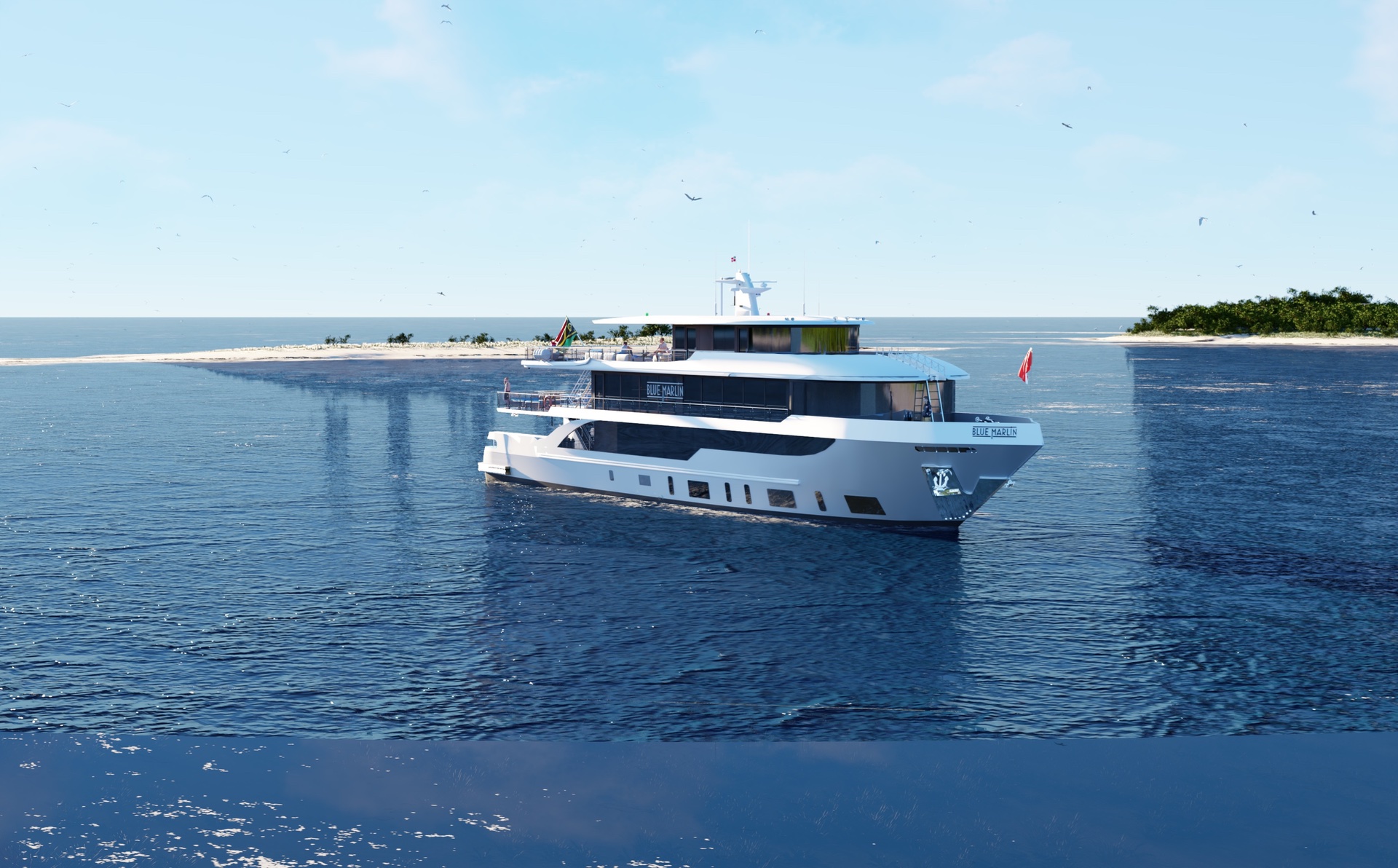
Blue Marlin
Bahamas
26 guests42 m
$318/day
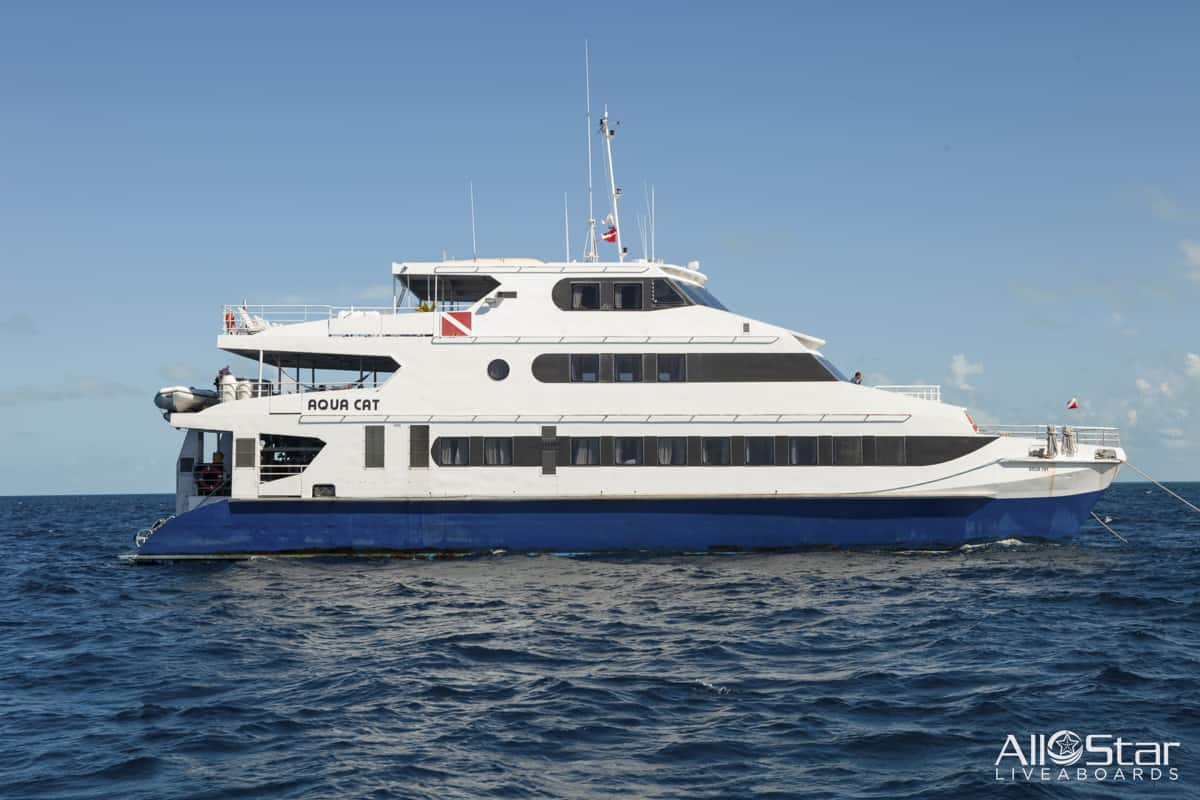
All Star Aqua Cat
Bahamas
30 guests31.09 m
$312/day
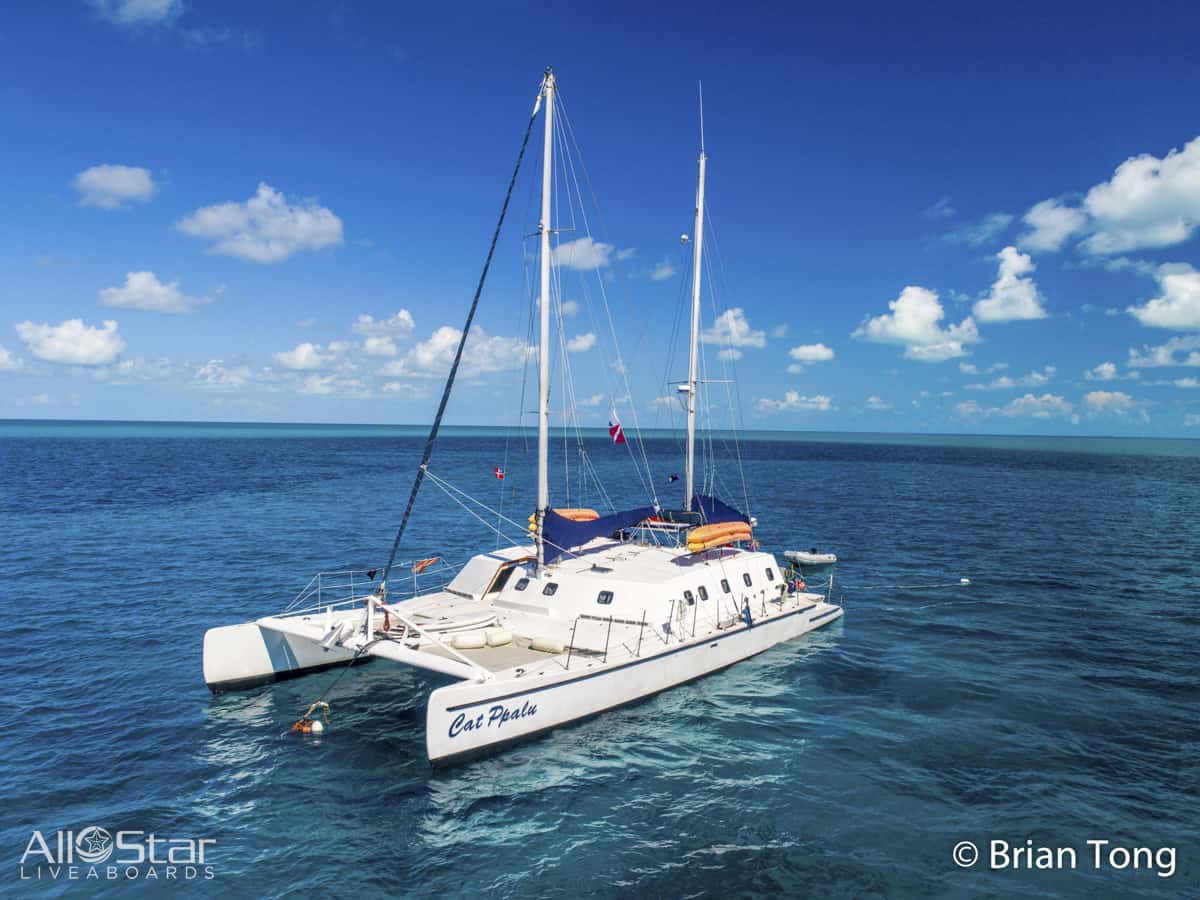
All Star Cat Ppalu
Bahamas
12 guests20 m
$237/day
Dive sites similar to Andros Barrier Reef
Same character, same waters — six more sites divers love for the exact same reasons.Compare seasons, access and liveaboard routes — then pick the site that fits your trip best.
© Esri — Maxar, Earthstar, GIS
Columbus Point
Bahamas
Columbus Point, situated off Cat Island in the Bahamas, stands out as an advanced dive destination renowned for its dramatic wall diving along one of the region's most untouched reef systems.
- Suitable for
- Advanced
- Current
- Strong
- Access
- Dayboat
- Depth
- ≤ 40 m
- Theme
- Wall / Drift
© Esri — Maxar, Earthstar, GIS
Cut Through City
Bahamas
Cut Through City is a standout dive site located off the coast of Eleuthera in the Bahamas, a region renowned for its diverse underwater topography.
- Suitable for
- Intermediate
- Current
- Mild
- Access
- Liveaboard only
- Depth
- 27–40 m
- Theme
- Wall / Reef
© Esri — Maxar, Earthstar, GIS
Metropolis
Bahamas
Metropolis is a standout dive site in the Bahamas, renowned for its consistent and diverse shark encounters, making it a thrilling destination for divers seeking pelagic action.
- Suitable for
- Intermediate
- Current
- Moderate
- Access
- Liveaboard only
- Depth
- ≤ 13 m
- Theme
- Reef
© Esri — Maxar, Earthstar, GIS
Mt. Olympus
Bahamas
Mt. Olympus is a dynamic dive site in the Bahamas, regularly visited by liveaboards, known for its healthy marine ecosystem and varied underwater terrain.
- Suitable for
- Advanced
- Current
- Moderate
- Access
- Liveaboard only
- Depth
- ≤ 122 m
- Theme
- Reef / Drift
© Esri — Maxar, Earthstar, GIS
Austin Smith Wreck
Bahamas
The Austin Smith Wreck, originally named HMBS Flamingo, was a 90-foot Bahamian Defense Force cutter that was decommissioned in 1995. Intended for use as an artificial reef, it…
- Suitable for
- Intermediate
- Current
- Moderate
- Access
- Liveaboard only
- Depth
- 18–18 m
- Theme
- Wreck / Reef
© Esri — Maxar, Earthstar, GIS
Cousteau's Blue Hole
Bahamas
Cousteau's Blue Hole, located on Andros Island, is an inland blue hole known for its distinctive light effects created by sun rays entering its wide opening.
- Suitable for
- Advanced
- Current
- No current
- Access
- Dayboat
- Depth
- 10–60 m
- Theme
- Cave & cavern