About Ray of Hope
The Ray of Hope is one of Nassau's premier wreck dives, an intentionally sunk 120-foot oil tanker resting on a sandy bottom. Submerged over 30 years ago, its deck lies at approximately 40 feet (12 meters) with the seafloor at around 60 feet (18 meters), making it accessible for certified divers. This site has transformed into a thriving artificial reef, adorned with vibrant coral growth and schools of tropical fish. Its unique location near the famous Shark Arena contributes to frequent shark encounters, even on non-feeding dives, providing a thrilling experience. Divers often encounter Caribbean reef sharks and nurse sharks here, along with other large marine life such as goliath groupers. The wreck's structure includes several easy swim-throughs, adding an element of exploration suitable for various skill levels. Nassau's waters, known for their consistent clarity, generally offer excellent visibility at this site. The proximity to the Tongue of the Ocean ensures nutrient-rich waters, fostering a diverse ecosystem. Diving here combines the excitement of wreck exploration with abundant marine encounters in a generally calm environment, though currents can sometimes be noticeable. The site is a favorite for underwater photography due to its well-established marine life and clear conditions. The Ray of Hope provides a compelling dive experience, blending historical interest with ecological richness. It stands as a testament to successful artificial reef creation, offering a captivating underwater landscape for all who visit.
Highlights
120-foot oil tanker wreckEasy wreck swim-throughsCaribbean reef shark encountersNurse shark sightingsGoliath grouper homeVibrant coral growthArtificial reef ecosystemUnderwater photography opportunities
Season calendar
Best months to dive here
Jan
Feb
Mar
Apr
May
Jun
Jul
Aug
Sep
Oct
Nov
Dec
Excellent
Good
Dive site facts: Ray of Hope
- Depth
- 12–18 m (40–60 ft)
- Current
- Mild to moderate
- Visibility
- 30 m (100 ft)
- Water temperature
- 22–29°C (72–84°F)
- Entry
- Day boat
- Level
- Certified diver
- Dive type
- Wreck, big_animals, shark
- Region / port
- Nassau, New Providence Island
- Coordinates
- 25.0637° N, 77.2141° W
Conditions & Currents
Currents at the Ray of Hope are generally mild, but divers should be aware that noticeable currents can occur, particularly during certain seasons or tidal changes. For example, during September, one diver experienced a very noticeable current at 35 feet (10 meters) that turned the dive into a drift. The site's location off New Providence Island, near the Tongue of the Ocean, means nutrient-rich currents flow, which can sometimes influence conditions. Visibility is consistently clear, typically around 100 feet (30 meters), though it may be reduced after storms. Entry is usually via day boat. Divers should be comfortable with potential mild to moderate drift, especially if diving during the wetter months, and plan gas accordingly. The clear water and open nature of the wreck allow for good visibility even with some current, enhancing the overall experience.
Marine life & sighting chances

Caribbean reef shark
Year-round, peak Dec-Mar · common
Nurse shark
Year-round · common
Goliath grouper
occasional
Green sea turtle
occasional
Moray eel
common
Nassau grouper
common
Yellowtail snapper
common
Blue tang
common
Parrotfish
common
Tropical reef fish
Year-round · common
Lionfish
Year-round · commonDive profile & how the dive runs
Your dive at the Ray of Hope typically begins with a descent directly onto the wreck, which is easily visible from the surface due to the clear water. The deck of the 120-foot oil tanker rests at approximately 40 feet (12 meters), while the sandy bottom lies at 60 feet (18 meters). Divers often explore the exterior of the wreck first, observing the extensive coral growth and schools of fish that have made it their home. The wreck features several easy swim-throughs, allowing divers to navigate through its compartments. During the dive, you can expect encounters with Caribbean reef sharks and nurse sharks, which frequently cruise around the structure. Goliath groupers may also be spotted emerging from the ship's walkways. After exploring the wreck, a common practice is a short swim to the nearby wall or a coral head before ascending for the safety stop, often performed while observing marine life in the shallower sections.
Underwater photography
The Ray of Hope offers excellent opportunities for wide-angle photography, especially to capture the entire wreck, its vibrant coral growth, and the frequently present sharks. A fisheye lens is recommended to encompass the ship's structure and any passing pelagics. Strobes are essential to bring out the true colors of the corals and fish, even in the generally clear Bahamian waters. For capturing the smaller details of the artificial reef, such as moray eels and tropical fish nestled in the corals, a macro lens can be rewarding. Divers should maintain excellent buoyancy control, particularly when navigating the swim-throughs or getting close to the wreck to avoid disturbing sediment. With the site's popularity for shark encounters, be prepared for fast-moving subjects and quick reaction times. The consistently clear visibility makes it an ideal location for ambient light photography, particularly during morning dives.
Combine with nearby dive sites
- Shark Arena
Proximity to Ray of Hope means frequent shark sightings, even on non-feeding dives.
- James Bond Wrecks
A film site and wreck dive that can be combined with Ray of Hope on a two-tank trip.
- Twin Sister Wrecks
Two deeper tanker wrecks with swim-throughs, an artificial reef.
- Southwest Reef
A healthy shallow reef providing excellent photo opportunities and longer bottom times.
- Pumpkin Patch
A healthy coral garden known for green sea turtles and beginner-friendly depths.
Getting there & logistics
Diving the Ray of Hope primarily departs from Nassau, New Providence Island. Stuart Cove’s Dive Bahamas, located on the southwest tip of the island, is a major operator providing quick boat access to this site, which is typically just minutes from shore. Nassau is served by Lynden Pindling International Airport (NAS), with direct flights from major US cities like Miami and Atlanta. Divers are advised to arrive a day before their scheduled diving to ensure they are well-rested. Day trips often include two-tank dives, frequently combining the Ray of Hope with other nearby wrecks or reefs. No special permits are generally required for this dive site beyond standard operator bookings. Departure tax of approximately $20 is applied to all international departures from the Bahamas.
Safety & environment
The nearest recompression chamber is located at Doctors Hospital in Nassau, New Providence. In case of a diving emergency, evacuation procedures involve immediate transport to this facility. Divers are strongly advised to have comprehensive dive insurance that covers emergency medical treatment and evacuation. Site-specific hazards at the Ray of Hope include potential strong currents during certain conditions, which new or less confident divers should be aware of. Divers exploring the wreck's swim-throughs must have appropriate training and be mindful of their buoyancy to prevent entanglement or damage to the wreck or marine life. Always dive with a reputable operator, follow your dive guide's instructions, and monitor your bottom time and air consumption carefully, especially given the site's depths. Adherence to PADI or other recognized diving agency guidelines for wreck and current diving is essential.
Who it suits — and who it doesn't
Suited for
- Wreck enthusiasts
- Divers seeking shark encounters
- Underwater photographers
- Intermediate certified divers
- Divers looking for easy swim-throughs
Less suited for
- Brand new open water divers (due to depth and potential currents)
- Divers uncomfortable with sharks
- Individuals prone to seasickness in choppy conditions
- Those uninterested in artificial reefs
- Divers preferring pristine natural reefs exclusively
FAQ
Ray of Hope FAQ
What kind of wreck is the Ray of Hope?
The Ray of Hope is a 120-foot oil tanker that was intentionally sunk over 30 years ago to create an artificial reef. Its deck rests at about 40 feet, with the sandy bottom at 60 feet. The wreck offers several easy swim-throughs, making it an engaging site for exploration while also serving as a habitat for diverse marine life.
What marine life can I expect to see at Ray of Hope?
You can frequently encounter Caribbean reef sharks and nurse sharks, especially due to its proximity to the Shark Arena. Other notable sightings include goliath groupers, green sea turtles, moray eels, and schools of tropical fish like Nassau groupers, yellowtail snappers, and parrotfish. The wreck is also covered in colorful coral growth, supporting a vibrant ecosystem.
What are the typical diving conditions at this site?
The Ray of Hope typically offers crystal-clear waters with visibility often exceeding 100 feet (30 meters). Water temperatures range from 72°F (22°C) in winter to 84°F (29°C) in summer. While currents are generally mild, they can occasionally be noticeable, especially during certain tides or seasons. It is suitable for certified divers, with day boat access from Nassau.
Is Ray of Hope suitable for beginner divers?
The Ray of Hope is generally recommended for certified divers with some experience, given its depth of 40-60 feet (12-18 meters) and the potential for noticeable currents. While the swim-throughs are easy, comfortable buoyancy control is beneficial. New open water divers might find the site challenging if strong currents are present, but it's often included in introductory wreck dives for those with good basic skills.
Can I combine the Ray of Hope with other dives?
Yes, the Ray of Hope is frequently combined with other nearby dive sites on a two-tank trip from Nassau. Popular combinations include the James Bond Wrecks, due to their historical significance and proximity, or various healthy shallow reefs like Southwest Reef or Pumpkin Patch. This allows divers to experience both wreck exploration and vibrant reef ecosystems in a single outing.
Why dive Ray of Hope from a liveaboard?
Ray of Hope is one of Bahamas's signature dive sites. A liveaboard sleeps you on the water and puts you in the water for three to four guided dives per day, including dawn and night dives that day-boat operators rarely offer. You skip the daily commute back to port and reach quieter, less-crowded sites in the same region on a single trip.
Below are the liveaboards that include Ray of Hope on their Bahamas itineraries.
Liveaboards diving Ray of Hope
These liveaboards may visit Ray of Hope on selected itineraries — the exact dive sites depend on departure, weather and conditions.
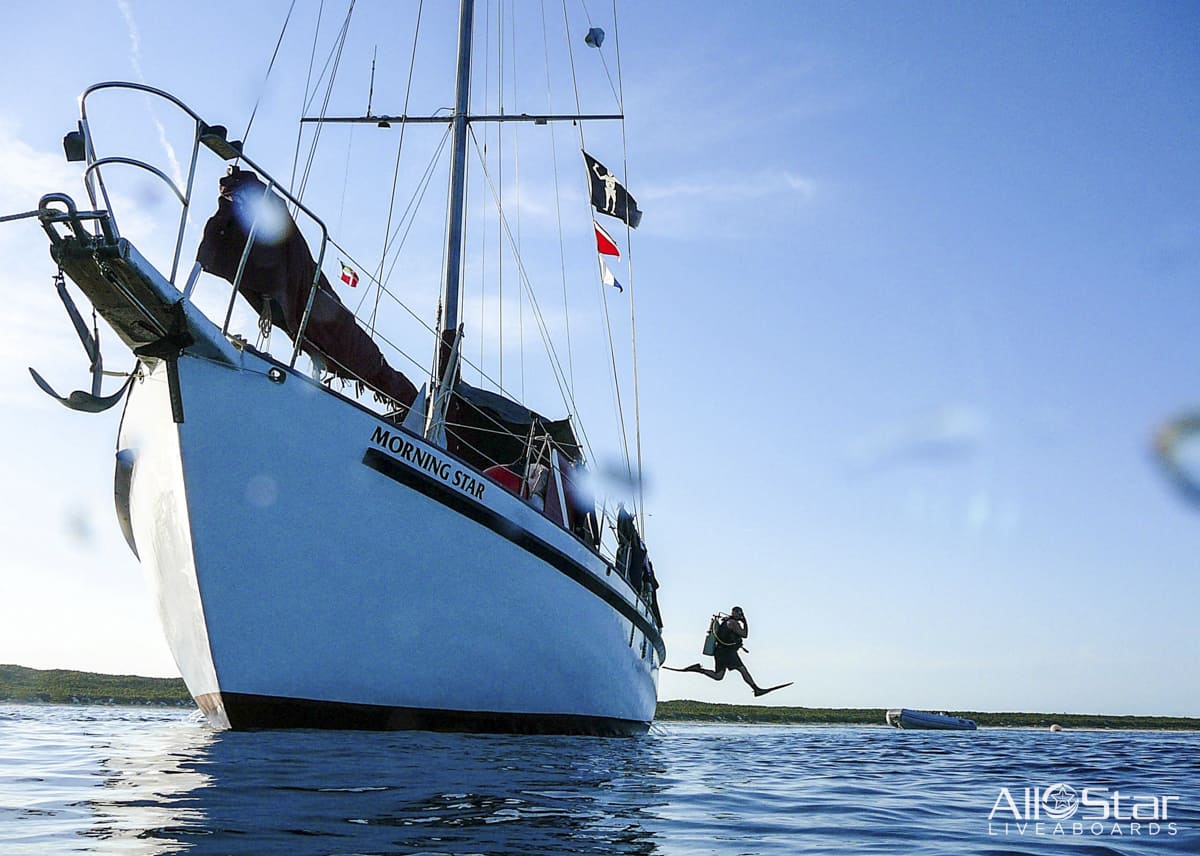
All Star Blackbeards Morning Star
Bahamas
24 guests19.81 m
$156/day
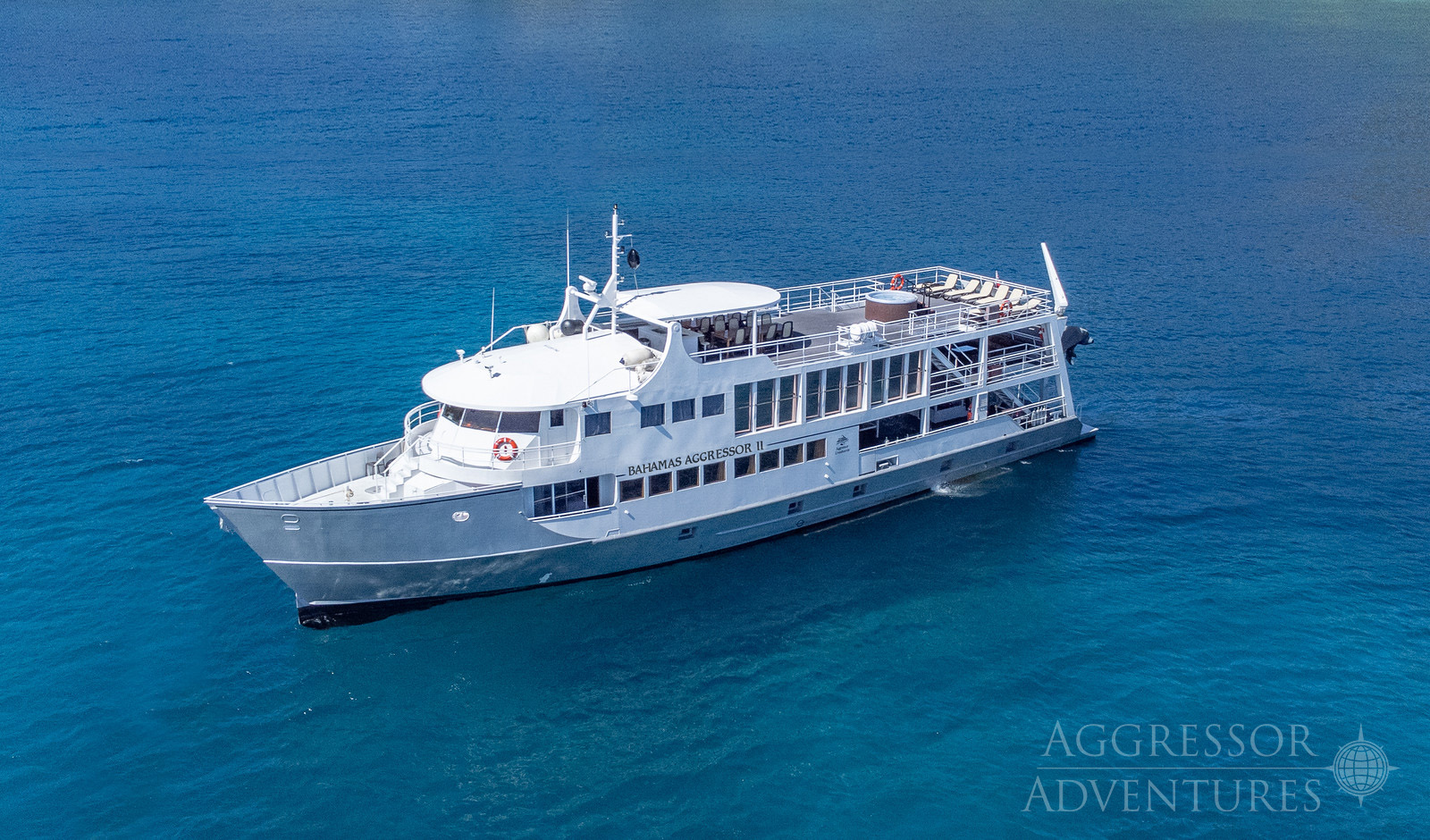
Bahamas Aggressor II
Bahamas
20 guests33.5 m
$312/day
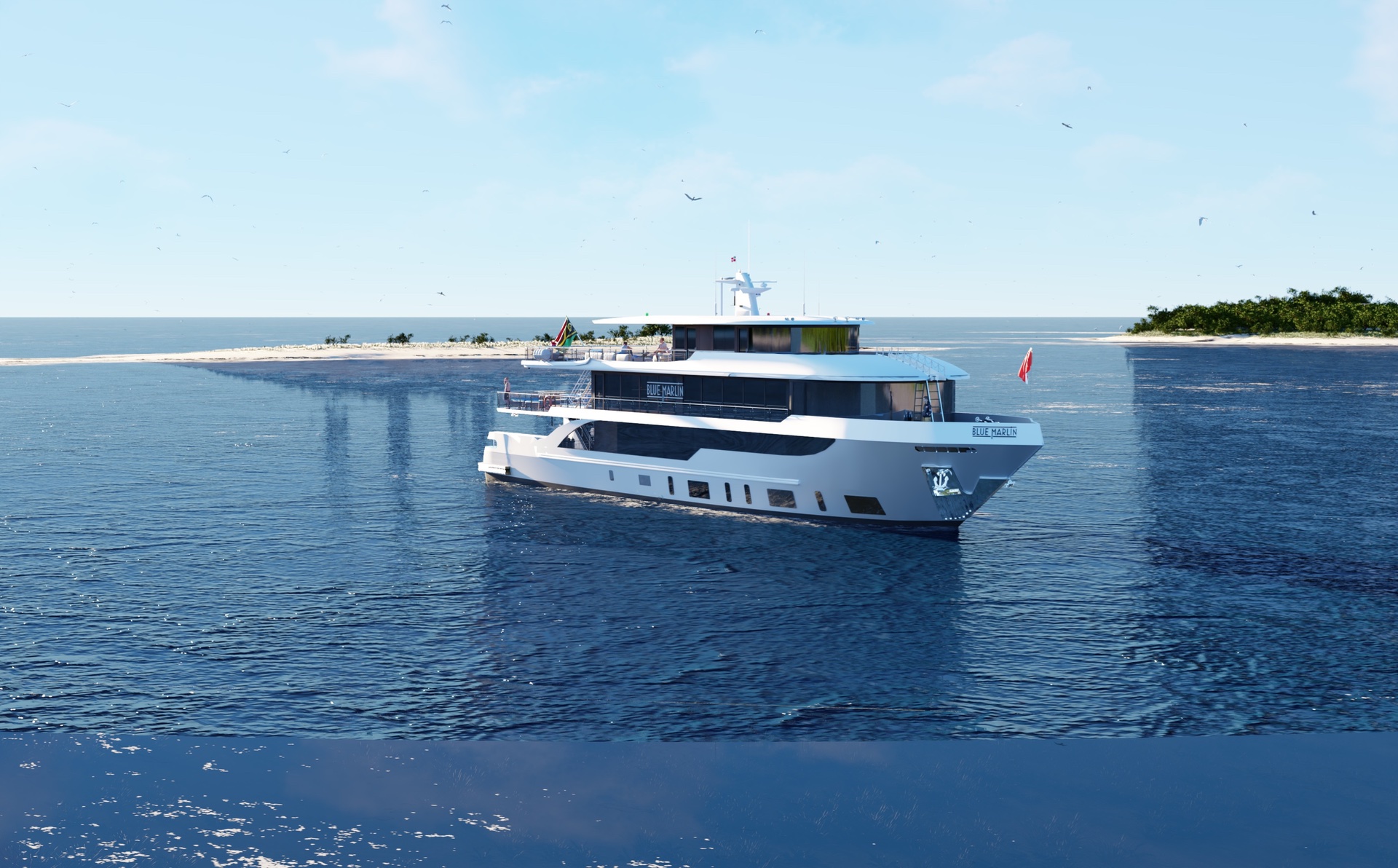
Blue Marlin
Bahamas
26 guests42 m
$318/day
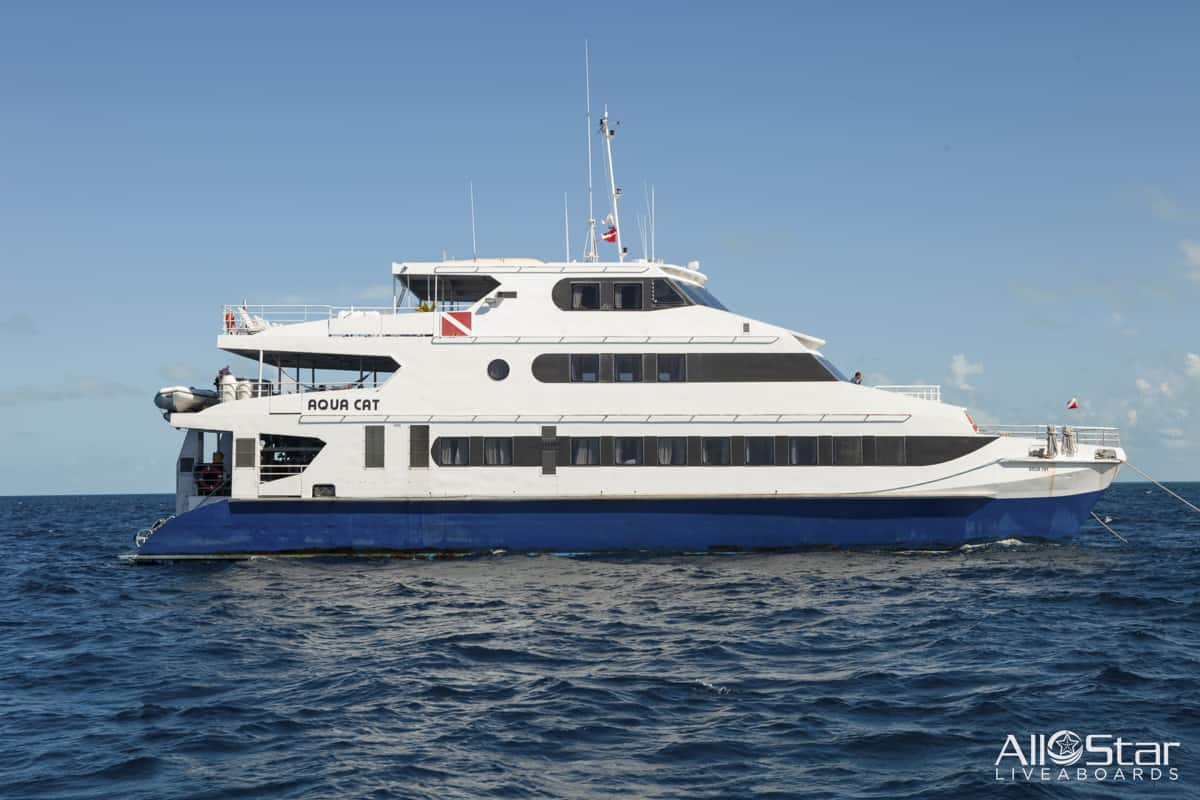
All Star Aqua Cat
Bahamas
30 guests31.09 m
$312/day
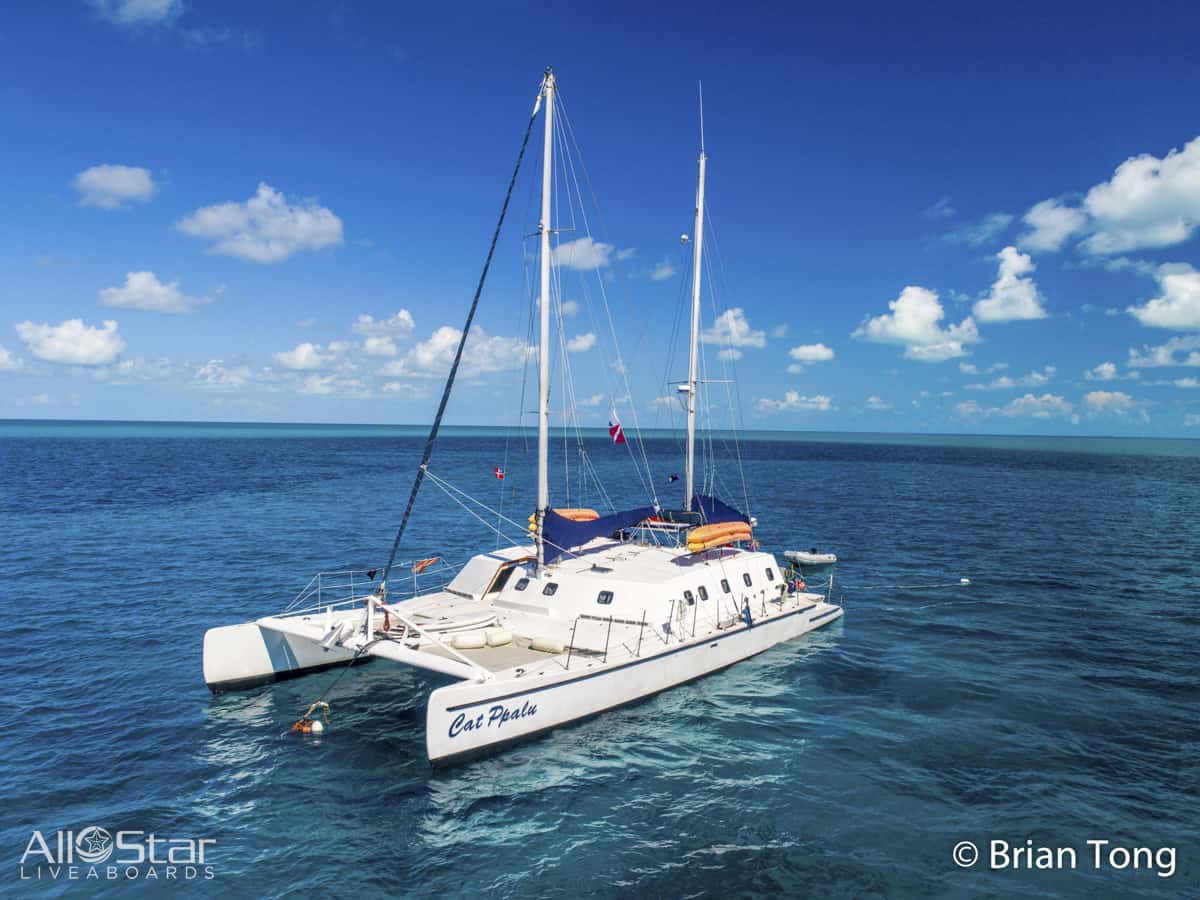
All Star Cat Ppalu
Bahamas
12 guests20 m
$237/day
Dive sites similar to Ray of Hope
Same character, same waters — six more sites divers love for the exact same reasons.Compare seasons, access and liveaboard routes — then pick the site that fits your trip best.
© Esri — Maxar, Earthstar, GIS
The Bimini Barge
Bahamas
The Bimini Barge is a prominent wreck dive located on the extreme northwestern edge of the Great Bahama Bank, just a short distance from the deep wall and the powerful Gulf Stream currents.
- Suitable for
- Intermediate
- Current
- Moderate
- Access
- Liveaboard or dayboat
- Depth
- 30–30 m
- Theme
- Wreck / Drift
© Esri — Maxar, Earthstar, GIS
Twin Sister Wrecks
Bahamas
The Twin Sister Wrecks offer a compelling paired wreck dive experience off New Providence, presenting two small tanker hulls that rest at differing depths.
- Suitable for
- Intermediate
- Current
- Mild
- Access
- Dayboat
- Depth
- 13–30 m
- Theme
- Wreck
The Vanaheim is a captivating wreck dive located off North Eleuthera, an island chain celebrated for its diverse underwater landscapes.
- Suitable for
- Beginner
- Current
- Mild
- Access
- Dayboat
- Depth
- 8–10 m
- Theme
- Wreck / Reef
The Carnarvon is a prominent wreck site located on the infamous Devil's Backbone, a shallow, rocky reef stretching along the northern coast of Eleuthera.
- Suitable for
- Beginner
- Current
- Mild
- Access
- Dayboat
- Depth
- 7–8 m
- Theme
- Wreck / Reef
© Esri — Maxar, Earthstar, GIS
Cobia Cage
Bahamas
The Cobia Cage off Eleuthera in the Bahamas presents a truly unique underwater landscape.
- Suitable for
- Beginner
- Current
- No current
- Access
- Liveaboard only
- Depth
- 15–27 m
- Theme
- Wreck
© Esri — Maxar, Earthstar, GIS
Austin Smith
Bahamas
The Austin Smith wreck, also known as the HMBS Flamingo, is a former 90-foot Bahamian Defense Force Cutter that was decommissioned in 1995. Originally intended as an artificial…
- Suitable for
- Intermediate
- Current
- Moderate
- Access
- Liveaboard only
- Depth
- 18–18 m
- Theme
- Wreck / Reef