About Southwest Reef
Southwest Reef, situated on the southwest side of New Providence Island, is a magnificent shallow reef known for its exceptional health and vibrant ecosystem. This site is part of an area where the dramatic Tongue-Of-The-Ocean, a deep oceanic trench, comes within half a mile of the shore, influencing the rich marine environment. The reef itself lies in relatively shallow waters, making it ideal for extended bottom times and excellent natural light penetration. It features extensive fields of blade fire coral, complemented by impressive elkhorn and brain corals, providing a haven for various marine species. The unique geological setting, with nutrient-rich upwellings from the nearby deep trench, fosters a thriving reef community. Visibility here is consistently clear, often exceeding 60 meters (200 feet), though transient storms can stir up sediments, which quickly clear as tidal changes sweep them into the deep. This rapid clearing ensures that the crystal-clear conditions return swiftly after any disturbance. While the specific marine life encountered can vary, the reef is generally home to schools of grunts and a wide array of Caribbean tropical fish. The healthy coral structures, including pristine elkhorn and brain corals, create a picturesque seascape that attracts diverse reef inhabitants. The shallow depths and abundant light contribute to a visually stunning dive experience. Divers at Southwest Reef can expect a leisurely exploration of a flat, expansive reef. The site's characteristics allow for easy navigation and ample time to observe the intricate details of the coral formations and the many small creatures residing within them. Its accessibility and pleasant conditions make it suitable for a wide range of diving proficiencies.
Highlights
Expansive shallow reefHealthy fire, elkhorn, brain coralsConsistently clear waterAbundant reef fishNutrient-rich environmentPicturesque reef scape
Season calendar
Best months to dive here
Jan
Feb
Mar
Apr
May
Jun
Jul
Aug
Sep
Oct
Nov
Dec
Excellent
Dive site facts: Southwest Reef
- Depth
- 4.5–9 m (15–30 ft)
- Typical dive
- 4.5–9 m (15–30 ft), 50–60 min
- Current
- Mild
- Visibility
- 30–60 m (100–200 ft)
- Water temperature
- 25–29°C (78–84°F)
- Entry
- Boat
- Level
- Beginner
- Dive type
- Shallow reef, coral garden
- Region / port
- Providenciales
- Coordinates
- 21.68, -72.49
Conditions & Currents
Currents at Southwest Reef are generally mild due to its location on a flat, expansive reef, though tidal changes can sweep sediments into the nearby deep oceanic trench, rapidly restoring crystal-clear visibility. Divers should be prepared for typical Caribbean conditions, which often include gentle water movement that enhances marine life activity without posing significant challenges. Entry and exit are typically straightforward boat dives, often without requiring specific techniques like negative entries. Surge is minimal given the sheltered nature of many Turks and Caicos dive sites. Visibility is consistently excellent, often exceeding 30 meters (100 feet), making for comfortable navigation and observation. Thermoclines are generally not a concern in these warm, shallow waters.
Marine life & sighting chances

Fire Coral (Blade)
commonElkhorn Coral
commonBrain Coral
common
Grunts (schools)
common
Caribbean Reef Sharks
June · occasional
Turtles
June · occasional
Stingray
June · occasional
Moray eels
occasional
Octopus
occasional
Queen Triggerfish
common
Angelfish
common
Parrotfish
commonDive profile & how the dive runs
Your dive at Southwest Reef begins with a boat entry, dropping directly onto the expansive, flat reef at depths between 4.5 to 9 meters (15 to 30 feet). The dive typically proceeds in a leisurely fashion, allowing ample time to explore the diverse coral formations, including extensive fields of blade fire coral, elkhorn, and brain corals. You can follow a general path across the reef, observing schools of grunts and various Caribbean tropical fish taking refuge among the corals. Due to the shallow depths, bottom times are generous, facilitating a relaxed pace. Turn around when you reach approximately half your air supply or planned bottom time. The safety stop is comfortably performed at 5 meters (15 feet) above the reef, offering more opportunities for observation in the clear, well-lit water before surfacing near the boat.
Underwater photography
Southwest Reef is an excellent site for wide-angle photography, capturing the expansive fields of blade fire coral, large elkhorn, and brain coral formations against the consistently clear, brightly lit water. Consider a wide-angle rectilinear lens to emphasize the scale and health of the reef. For macro subjects, there are plenty of grunts and smaller tropical fish to capture, so having a macro port ready could be beneficial. Natural light photography is highly effective here due to the shallow depths, but strobes can enhance colors and reduce backscatter, especially when shooting into deeper sections or shaded areas of coral. Maintain excellent buoyancy to avoid disturbing the pristine corals and sediments, ensuring clean shots and preserving the delicate ecosystem.
Combine with nearby dive sites
- Molasses Reef
Molasses Reef, located approximately six miles southeast of Key Largo, is a premier diving destination within the Florida Keys National…
- Double D
Double D is a prominent dive site situated off French Cay in the Turks & Caicos Islands, renowned for its distinctive topography and…
- Highway to Heaven
The 'Highway to Heaven' dive site, located off West Caicos, is a world-class destination celebrated for its unique underwater landscape and…
- Shark Hotel
Shark Hotel is a renowned boat-accessed dive site located within a marine park in Sint Maarten, offering divers an exciting encounter with…
Getting there & logistics
Accessing Southwest Reef usually involves flying into Providenciales International Airport (PLS). From there, you will typically join a dive operator for a boat trip. Many dive operations in Turks & Caicos offer day trips or liveaboard options, which can last from a few days to a week. Liveaboards provide access to a wider range of sites, including those further afield like West Caicos and French Cay, allowing for multiple dives per day. While Southwest Reef is located near Providenciales, liveaboard itineraries might combine it with other sites in the Northwest Point Marine Park or other regions of the Turks and Caicos. No specific park fees for Southwest Reef itself are usually mentioned, but general marine park fees or dive operator packages may include relevant costs.
Safety & environment
For diving in Turks & Caicos, including Southwest Reef, it is highly recommended to have comprehensive dive accident insurance, such as DAN. The nearest recompression chamber is located in Providenciales. While medical facilities on the islands are adequate for basic care, serious diving-related emergencies might require evacuation to the United States. Divers should be mindful of staying hydrated and avoiding overexertion. At Southwest Reef, specific hazards are minimal due to its shallow, mild conditions, but always practice good buddy procedures and maintain excellent buoyancy control to protect the delicate corals. Listen carefully to your dive guide's briefing regarding local conditions and any specific site rules to ensure a safe and enjoyable dive.
Who it suits — and who it doesn't
Suited for
- Beginner divers
- Underwater photographers (wide-angle)
- Divers seeking relaxed, shallow dives
- Marine life observers
- Divers looking for healthy coral ecosystems
Less suited for
- Technical divers
- Divers seeking extreme depth
- Wreck enthusiasts
- Divers preferring strong currents or drift dives
- Those uninterested in reef ecology
FAQ
Southwest Reef FAQ
What kind of coral can I expect to see at Southwest Reef?
Southwest Reef is renowned for its diverse and healthy coral formations. You will encounter extensive fields of blade fire coral, which add a unique texture to the reef, alongside impressive and pristine elkhorn corals and large brain corals. These structures create a vibrant and rich seascape.
Is Southwest Reef suitable for beginner divers?
Yes, Southwest Reef is an excellent choice for beginner divers. Its shallow depths, typically ranging from 4.5 to 9 meters (15 to 30 feet), combined with generally mild currents and consistently clear visibility, make it a comfortable and safe environment for those new to diving or seeking a relaxed experience.
What is the typical visibility at Southwest Reef?
Visibility at Southwest Reef is consistently superb, often exceeding 30 meters (100 feet) and frequently reaching up to 60 meters (200 feet). While temporary stirring of sediments can occur after a storm, the proximity of the Tongue-Of-The-Ocean rapidly clears the water, quickly restoring exceptional clarity.
What marine life is commonly seen at Southwest Reef?
The reef is home to numerous schools of grunts taking shelter in the corals, and a wide variety of colorful Caribbean tropical fish. While not guaranteed, divers occasionally spot Caribbean reef sharks, various species of turtles, and stingrays, especially during certain seasons. Moray eels and octopuses can also be observed.
How do liveaboards incorporate Southwest Reef into their itineraries?
Liveaboard trips operating from Providenciales may include Southwest Reef as part of an itinerary exploring sites around Northwest Point and other parts of the Turks and Caicos. While Southwest Reef is a day-boat site due to its proximity to shore, liveaboards offer comprehensive access to the region's diverse diving, making it possible to experience this reef alongside other prominent sites like those near West Caicos and French Cay.
Are there any specific environmental considerations when diving Southwest Reef?
As with all pristine dive sites, divers should practice excellent buoyancy control to avoid contact with the delicate corals. Southwest Reef features extensive fields of blade fire coral, which can cause skin irritation upon contact, so maintaining distance is important for both diver safety and coral preservation. Respecting marine life and not touching or feeding animals ensures the ecosystem remains healthy.
Why dive Southwest Reef from a liveaboard?
Southwest Reef is one of Turks & Caicos's signature dive sites. A liveaboard sleeps you on the water and puts you in the water for three to four guided dives per day, including dawn and night dives that day-boat operators rarely offer. You skip the daily commute back to port and reach quieter, less-crowded sites in the same region on a single trip.
Below are the liveaboards that include Southwest Reef on their Turks & Caicos itineraries.
Liveaboards diving Southwest Reef
These liveaboards may visit Southwest Reef on selected itineraries — the exact dive sites depend on departure, weather and conditions.
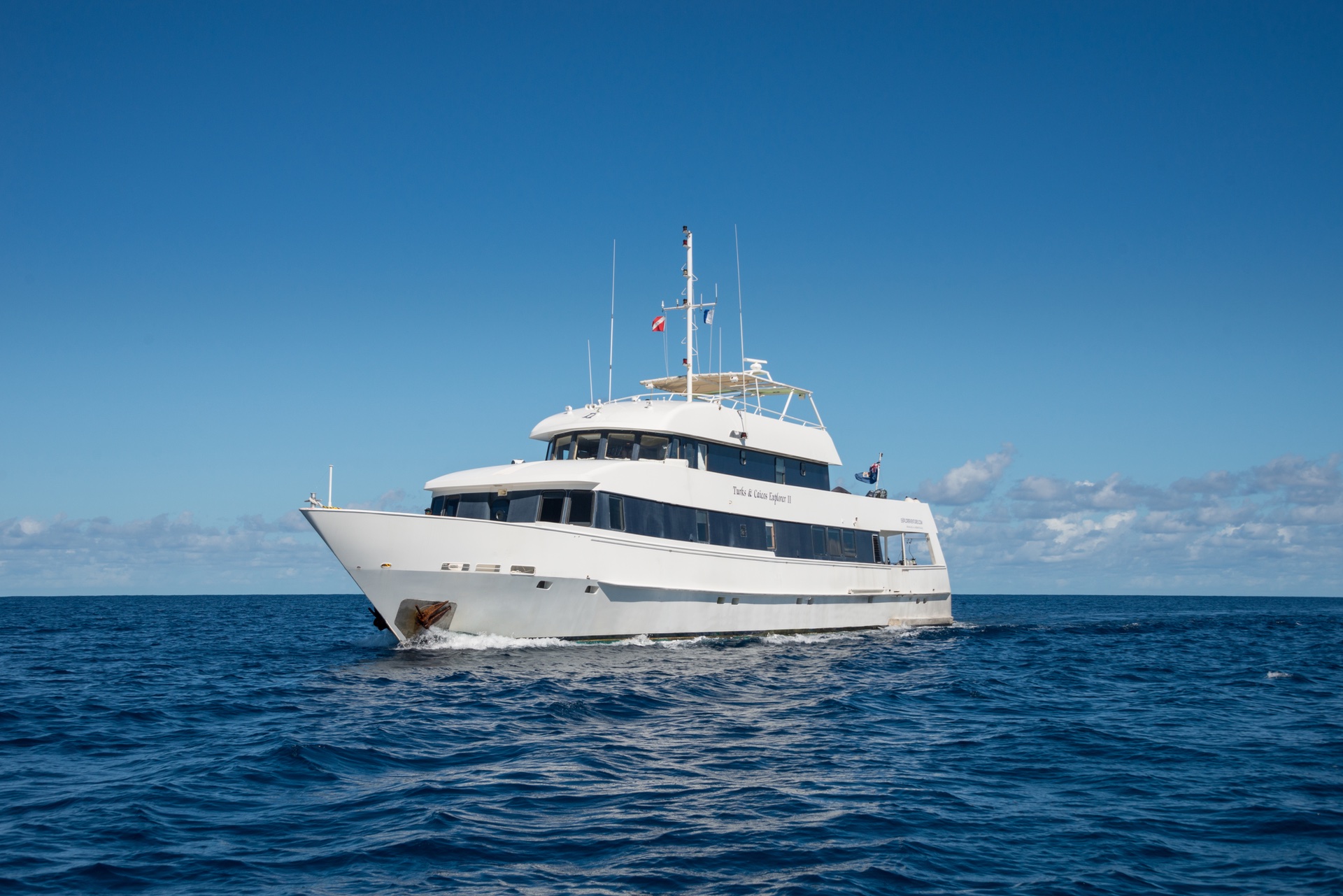
Turks and Caicos Explorer II
Turks & Caicos
20 guests
$249/day
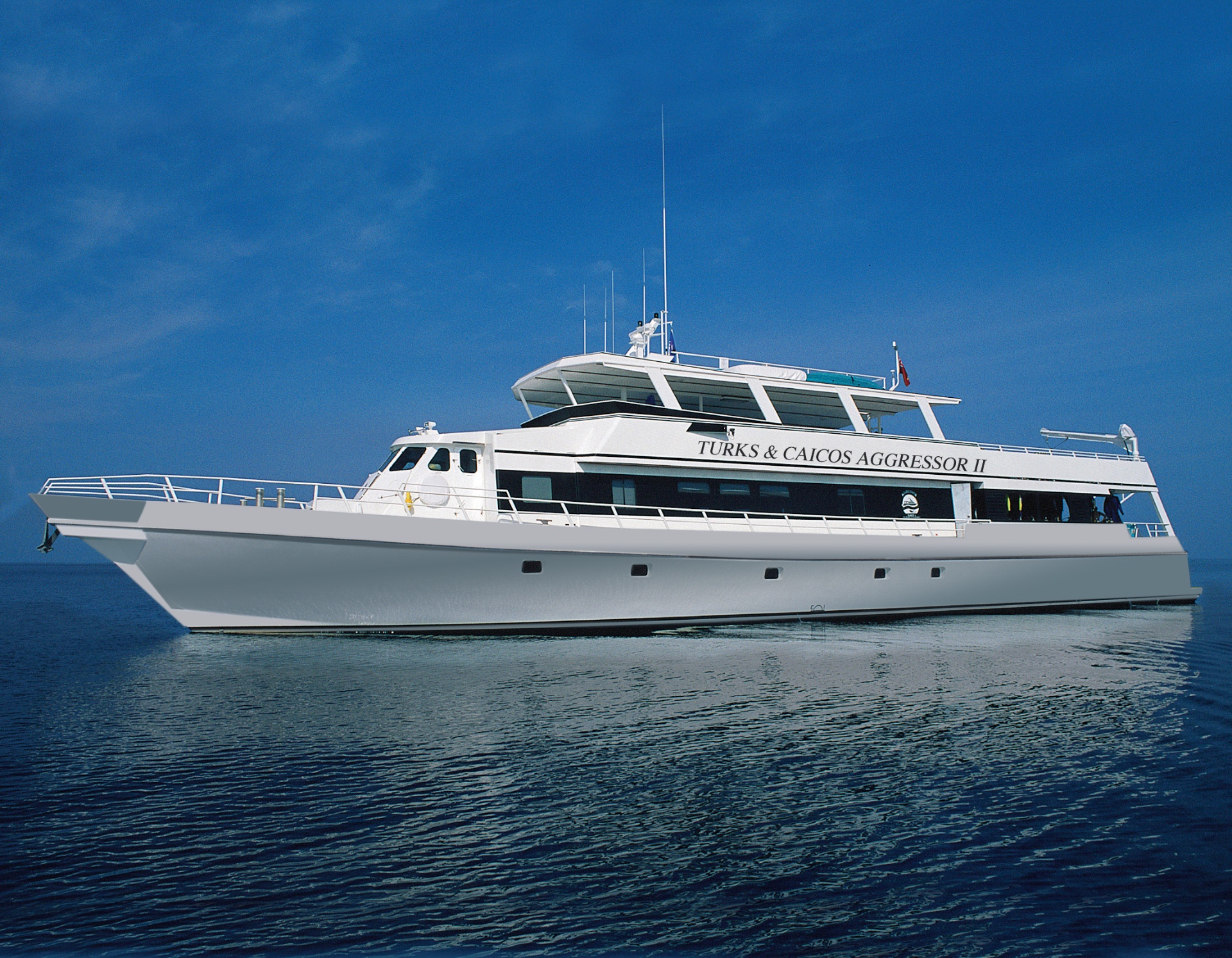
Turks & Caicos Aggressor II
Turks & Caicos
18 guests36.6 m
$287/day
Dive sites similar to Southwest Reef
Same character, same waters — six more sites divers love for the exact same reasons.Compare seasons, access and liveaboard routes — then pick the site that fits your trip best.
© Esri — Maxar, Earthstar, GIS
Coral Gables
Turks & Caicos
Coral Gables is a popular dive site situated within Grace Bay, off Providenciales in the Turks & Caicos Islands.
- Suitable for
- Beginner
- Current
- Strong
- Access
- Liveaboard or dayboat
- Depth
- 10–25 m
- Theme
- Reef / Wall
Aquarium is a captivating dive site situated off the coast of Providenciales in the Turks and Caicos Islands, forming part of a diverse underwater landscape that includes reef and wall diving.
- Suitable for
- Beginner
- Current
- No current
- Access
- Liveaboard or dayboat
- Depth
- 14–46 m
- Theme
- Wall / Reef
© Esri — Maxar, Earthstar, GIS
Eagle Ray Alley
Turks & Caicos
Eagle Ray Alley is a vibrant dive site located off West Caicos, an uninhabited island approximately 16 kilometers southwest of Providenciales in the Turks and Caicos Islands.
- Suitable for
- Beginner
- Current
- Mild
- Access
- Dayboat
- Depth
- 6–9 m
- Theme
- Reef
The Turks and Caicos Islands are home to some of the Caribbean's most celebrated wall dives, characterized by an abundant underwater ecosystem.
- Suitable for
- Intermediate
- Current
- No current
- Access
- Liveaboard or dayboat
- Depth
- 15–50 m
- Theme
- Reef
© Esri — Maxar, Earthstar, GIS
Elephant Ear Canyon
Turks & Caicos
Elephant Ear Canyon is a distinctive wall dive site situated off West Caicos in the Turks and Caicos Islands.
- Suitable for
- Intermediate
- Current
- Mild
- Access
- Liveaboard or dayboat
- Depth
- 10–95 m
- Theme
- Wall / Reef
© Esri — Maxar, Earthstar, GIS
Eagle Ray Pass
Turks & Caicos
Eagle Ray Pass is a notable dive site situated off Grace Bay in the Turks and Caicos Islands.
- Suitable for
- Intermediate
- Current
- Mild
- Access
- Liveaboard or dayboat
- Depth
- ≤ 30 m
- Theme
- Wall / Reef