About Molasses Reef
Molasses Reef, located approximately six miles southeast of Key Largo, is a premier diving destination within the Florida Keys National Marine Sanctuary. Renowned for its clear waters and abundant marine life, it stands out as one of the most frequently visited reefs in the Upper Keys. This vast 247-acre Sanctuary Preservation Area boasts a classic spur-and-groove coral formation, providing a rich and varied underwater landscape that supports over 600 documented species of fish, coral, and invertebrates. The topography of Molasses Reef is incredibly diverse, ranging from shallow reef tops at 10-18 feet, perfect for snorkelers and novice divers, to dramatic spur-and-groove formations in the 20-45 feet range. For more advanced divers, the outer wall plunges to depths of 80 feet or more, offering thrilling drift dives. Within the reef system, over 30 distinct mooring buoys mark individual dive sites, each with its unique character, ensuring that no two dives are ever the same. Notable spots include Winch Hole, Eagle Ray Alley, The Aquarium, and the historic Spanish Anchor, each presenting specific features and marine encounters. While Molasses Reef is a year-round destination, marine life flourishes consistently. Divers can expect to encounter nurse sharks resting under ledges, spotted eagle rays cruising sandy channels, and various sea turtles gliding over the coral heads. Schools of barracuda, grouper, and numerous species of parrotfish and angelfish are common sights. The health of the reef and its fish populations make it a vibrant ecosystem, though divers should be aware of potential coral bleaching events, especially during summer months. To dive Molasses Reef, a short 30-minute boat ride from Key Largo takes you to the iconic Molasses Reef Light tower. Dive briefings provide details on specific sites, expected currents, and marine life. Dives typically involve exploring the 12-15 foot high coral spurs, then descending into the 30-40 foot sandy grooves. The c
Highlights
Over 600 documented speciesHistoric Spanish AnchorSpur-and-groove coral formationsEagle Ray Alley sightingsWinch Hole explorationDeep Molasses drift divingMolasses Reef Light landmarkThe Aquarium's dense marine life
Season calendar
Best months to dive here
Jan
Feb
Mar
Apr
May
Jun
Jul
Aug
Sep
Oct
Nov
Dec
Excellent
Good
Dive site facts: Molasses Reef
- Depth
- 3–27 m
- Typical dive
- 9–14 m, 50–60 min
- Current
- Mild to strong (drift)
- Visibility
- 12–24 m
- Water temperature
- 24–29 °C
- Entry
- Boat from Key Largo
- Level
- Open Water Diver, AOWD for deeper sites
- Dive type
- Reef, drift, photography, historic
- Night dive
- Possible
- Region / port
- Florida Keys, USA
- Coordinates
- 25.0069, -80.3703
Conditions & Currents
Currents at Molasses Reef are typically manageable, especially within the protected spur-and-groove formations, making it suitable for open water divers. However, the outer edge of the reef, particularly at sites like Deep Molasses, can experience stronger currents, which are ideal for exciting drift dives. Visibility generally ranges from 40-60 feet but can extend to over 80 feet on exceptional days, aided by the reef's proximity to the Gulf Stream which brings clear water. While surface chop can occur with northerly winds, dive operators are adept at selecting sheltered mooring sites. Divers should be mindful of boat traffic, as it is a very popular site, and always follow the dive brief regarding entry, exit, and group protocols. Given the potential for drift diving, good buoyancy control and comfort with current are beneficial for exploring deeper sections.
Marine life & sighting chances

Nurse shark
common
Spotted eagle ray
May–November · occasional
Loggerhead sea turtle
June–August · occasional
Green sea turtle
July · occasional
Barracuda
June–July · common
Parrotfish
June–July · common
Angelfish
June–July · common
Moray eel
June–July · common
Grouper
June · common
Wrasse
March · occasional
Trumpetfish
June–July · occasional
Butterflyfish
June–July · occasional
Pufferfish
June · occasionalDive profile & how the dive runs
A typical dive at Molasses Reef begins with a boat ride from Key Largo to one of the 30+ mooring buoys. After a comprehensive brief on the specific site, divers perform a giant stride or back roll entry, descending directly onto the reef. Most dives explore the spur-and-groove formations, starting in shallower sections around 15-20 feet on the coral spurs, where you can observe vibrant reef fish. From there, you descend into the sandy grooves, which typically range from 30-40 feet, often revealing nurse sharks resting under ledges. The route usually follows these grooves, allowing for exploration of coral overhangs and swim-throughs. Deeper sections, like Deep Molasses, can involve drift diving along the outer wall to 80 feet or more, where you might encounter larger pelagics. Turnaround is based on air consumption or no-decompression limits, with the ascent initiated gradually. The safety stop is conducted at 15 feet for three minutes, often near the mooring line or a shallow coral head, before a controlled surface ascent and pick-up by the dive boat.
Underwater photography
Molasses Reef offers exceptional opportunities for underwater photography due to its clear water and abundant marine life. For wide-angle shots, a fisheye or wide-angle rectilinear lens is ideal for capturing the expansive spur-and-groove formations, the Molasses Reef Light tower, and large schools of fish. Strobes are essential to bring out the true colors of the corals and fish, especially in the deeper grooves. For macro photography, a dedicated macro lens will allow you to capture the intricate details of smaller reef inhabitants such as blennies, gobies, and nudibranchs, though the larger scale of the reef typically lends itself more to wide-angle. Excellent buoyancy control is paramount to avoid disturbing delicate corals and marine life, particularly when positioning for shots in tight spaces or near ledges. Patience is key, especially when waiting for nurse sharks to emerge or eagle rays to pass through the sand channels.
Combine with nearby dive sites
- Winch Hole
Features a historic winch from an 1887 schooner wreck.
- Eagle Ray Alley
Known for frequent sightings of spotted eagle rays.
- The Aquarium
Dense concentration of tropical fish and nurse sharks.
- Spanish Anchor
Historic anchor believed to be from a Spanish colonial vessel.
- The Canyons
Dramatic coral channels and swim-throughs.
Getting there & logistics
Accessing Molasses Reef is primarily done via dive operators based in Key Largo, Florida. Key Largo is easily reachable by car from Miami International Airport (MIA) or Fort Lauderdale-Hollywood International Airport (FLL), both approximately an hour and a half drive away. Most dive trips are day trips, typically involving two tank dives, departing from marinas in Key Largo. No special permits are required beyond booking with a dive center, as the reef is part of the Florida Keys National Marine Sanctuary and managed by specific regulations (Sanctuary Preservation Area, SPA). Dive centers will handle all mooring fees and adhere to the strict no-anchoring policies. Divers can expect trip lengths of around 4-5 hours for a two-tank dive, including the 30-minute boat ride each way. Overnight stays are generally in Key Largo accommodations.
Safety & environment
Diving at Molasses Reef requires adherence to standard dive safety protocols. The nearest recompression chamber is located in Key Largo at Mariners Hospital, approximately 30 minutes from the dive sites by boat and then ground transport. It is highly recommended that all divers carry valid dive insurance, such as DAN, to cover potential medical emergencies and evacuation costs. While Molasses Reef is generally considered safe, site-specific hazards include potential strong currents at deeper sections or the outer wall, and boat traffic given its popularity. Divers must follow their dive leader's instructions, maintain good buddy practices, and stay hydrated. Regulations within the Sanctuary Preservation Area prohibit touching or collecting marine life, and strict no-glove policies are often enforced to protect the delicate coral ecosystems. Always perform a thorough gear check before entry and be aware of your surroundings.
Who it suits — and who it doesn't
Suited for
- Open Water certified divers (shallow sites)
- Advanced Open Water divers (deeper sites & drift)
- Underwater photographers and videographers
- Divers interested in historical artifacts
- Marine life enthusiasts
Less suited for
- Divers seeking extreme depths
- Those who prefer remote, uncrowded dive sites
- Free divers (restricted in SPA zones)
- Spearfishing enthusiasts (prohibited)
- Divers uncomfortable with potential currents
FAQ
Molasses Reef FAQ
What kind of marine life can I expect to see at Molasses Reef?
Molasses Reef is teeming with a diverse array of marine life, boasting over 600 documented species. You can frequently spot nurse sharks resting under ledges, spotted eagle rays gliding through sandy channels, and various sea turtles like loggerheads and green turtles. The reef also hosts large schools of barracuda, grouper, parrotfish, angelfish, and numerous other tropical fish species.
What are the typical depths at Molasses Reef?
The depths at Molasses Reef vary significantly across its many dive sites. Shallow reef tops, perfect for snorkelers and open water divers, are around 10-18 feet. The classic spur-and-groove formations generally range from 20-45 feet. For advanced divers, the outer wall drops to 55-80+ feet, offering deeper exploration and drift diving opportunities.
Is Molasses Reef suitable for beginner divers?
Yes, Molasses Reef is very suitable for beginner divers, especially in its shallower sections. Many of the individual dive sites within the reef, such as The Aquarium, are at depths of 15-30 feet and have mild currents, making them excellent for Open Water certified divers. Snorkelers are also welcome on the reef top.
Are there historical elements at Molasses Reef?
Yes, Molasses Reef holds historical significance with several notable artifacts. Divers can explore the Winch Hole, which features a large mechanical winch from the 1887 shipwrecked schooner Slobodna. Additionally, the Spanish Anchor site showcases an ancient, coral-encrusted anchor, believed to be from a Spanish colonial vessel.
What are the water conditions like at Molasses Reef?
Water conditions at Molasses Reef are generally excellent, characterized by clear waters and comfortable temperatures. Visibility typically ranges from 40 to 60 feet, often exceeding 80 feet on calm days due to the influence of the Gulf Stream. Water temperatures are warm year-round, ranging from 24-29°C (75-84°F), though currents can vary from mild within the reef to stronger on the outer wall.
How do I get to Molasses Reef?
Molasses Reef is accessed via dive boats operating out of Key Largo, Florida. You would typically fly into Miami International Airport (MIA) or Fort Lauderdale-Hollywood International Airport (FLL), then drive about 1.5 hours to Key Largo. From there, local dive operators will take you on a 30-minute boat ride directly to one of the many mooring buoys at Molasses Reef.
Why dive Molasses Reef from a liveaboard?
Molasses Reef is one of Turks & Caicos's signature dive sites. A liveaboard sleeps you on the water and puts you in the water for three to four guided dives per day, including dawn and night dives that day-boat operators rarely offer. You skip the daily commute back to port and reach quieter, less-crowded sites in the same region on a single trip.
Below are the liveaboards that include Molasses Reef on their Turks & Caicos itineraries.
Liveaboards diving Molasses Reef
These liveaboards may visit Molasses Reef on selected itineraries — the exact dive sites depend on departure, weather and conditions.
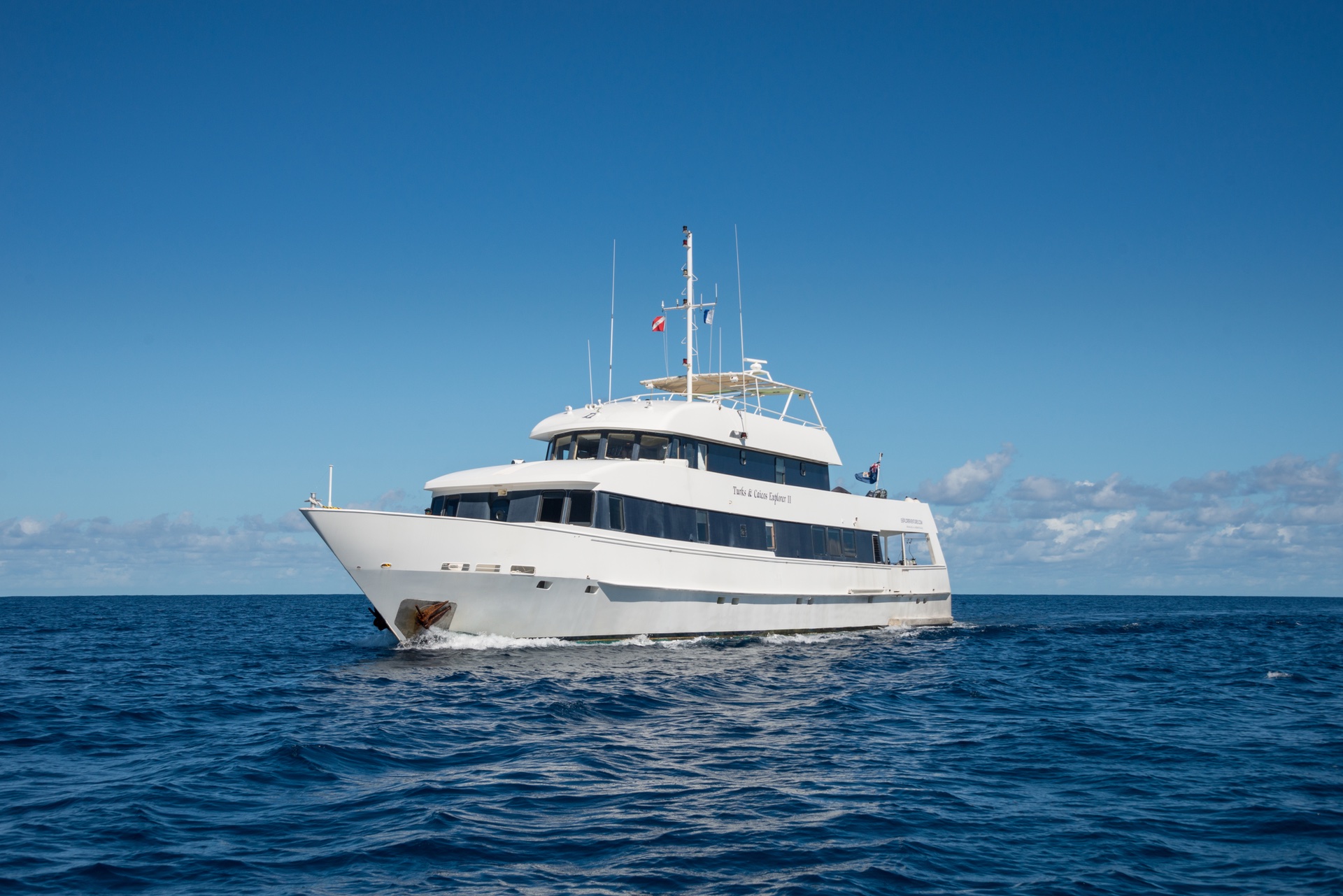
Turks and Caicos Explorer II
Turks & Caicos
20 guests
$249/day
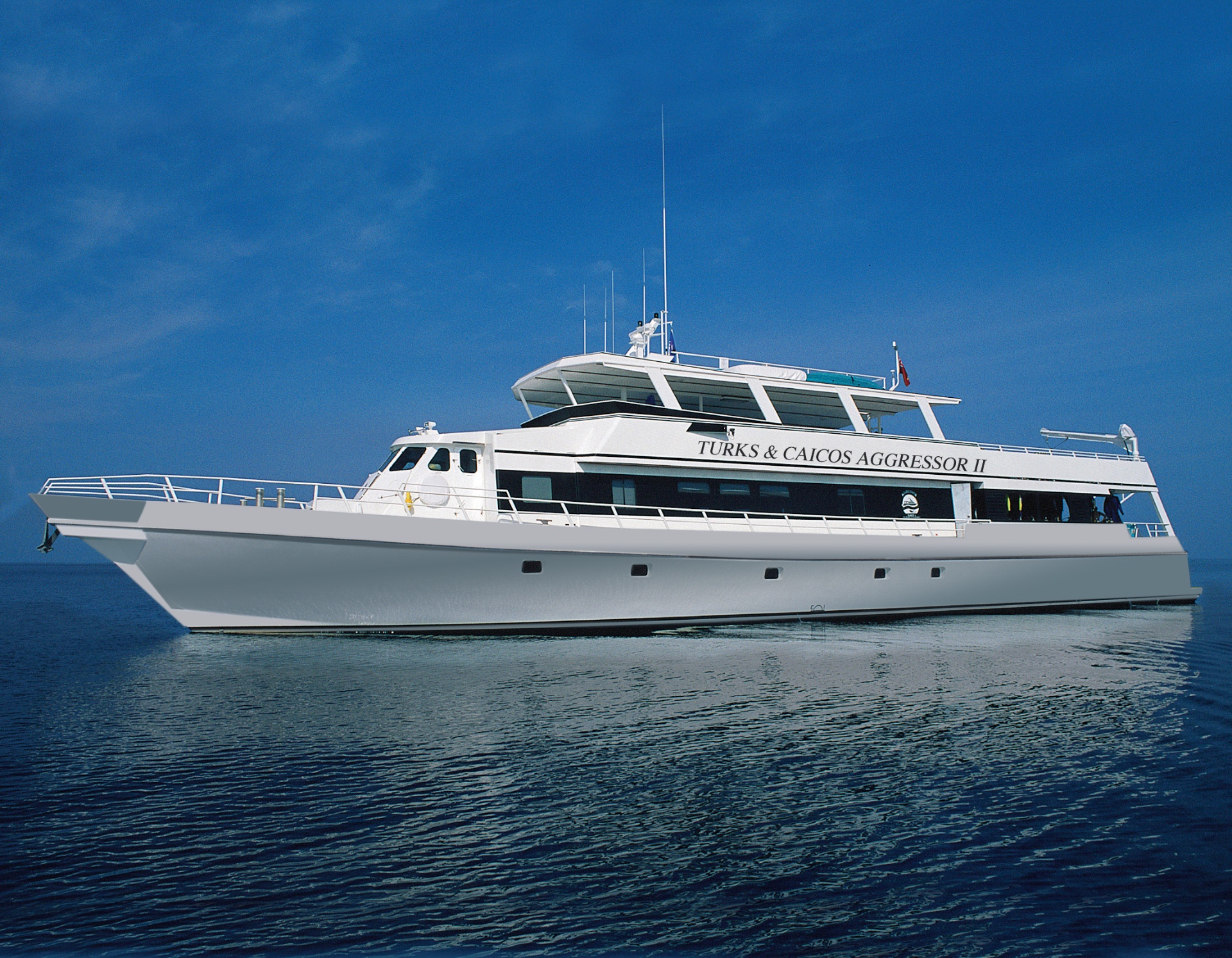
Turks & Caicos Aggressor II
Turks & Caicos
18 guests36.6 m
$287/day
Dive sites similar to Molasses Reef
Same character, same waters — six more sites divers love for the exact same reasons.Compare seasons, access and liveaboard routes — then pick the site that fits your trip best.
© Esri — Maxar, Earthstar, GIS
Coral Gables
Turks & Caicos
Coral Gables is a popular dive site situated within Grace Bay, off Providenciales in the Turks & Caicos Islands.
- Suitable for
- Beginner
- Current
- Strong
- Access
- Liveaboard or dayboat
- Depth
- 10–25 m
- Theme
- Reef / Wall
Aquarium is a captivating dive site situated off the coast of Providenciales in the Turks and Caicos Islands, forming part of a diverse underwater landscape that includes reef and wall diving.
- Suitable for
- Beginner
- Current
- No current
- Access
- Liveaboard or dayboat
- Depth
- 14–46 m
- Theme
- Wall / Reef
© Esri — Maxar, Earthstar, GIS
Magic Mushroom
Turks & Caicos
Magic Mushroom is a captivating dive site situated off West Caicos, just north of the Yankee Town ruins.
- Suitable for
- Beginner
- Current
- Strong
- Access
- Shore / dayboat
- Depth
- 12–24 m
- Theme
- Wall
© Esri — Maxar, Earthstar, GIS
Thunderdome
Turks & Caicos
Thunderdome is an extraordinary dive site located at Northwest Point in Turks & Caicos, featuring a submerged metal dome structure with a fascinating origin story.
- Suitable for
- Beginner
- Current
- Mild
- Access
- Liveaboard or dayboat
- Depth
- 5–15 m
- Theme
- Wall
© Esri — Maxar, Earthstar, GIS
Elephant Ear Canyon
Turks & Caicos
Elephant Ear Canyon is a distinctive wall dive site situated off West Caicos in the Turks and Caicos Islands.
- Suitable for
- Intermediate
- Current
- Mild
- Access
- Liveaboard or dayboat
- Depth
- 10–95 m
- Theme
- Wall / Reef
© Esri — Maxar, Earthstar, GIS
Eagle Ray Pass
Turks & Caicos
Eagle Ray Pass is a notable dive site situated off Grace Bay in the Turks and Caicos Islands.
- Suitable for
- Intermediate
- Current
- Mild
- Access
- Liveaboard or dayboat
- Depth
- ≤ 30 m
- Theme
- Wall / Reef