About Winch Hole
Winch Hole is a premier dive site located within Molasses Reef in Key Largo, Florida, distinguished by its unique historical artifact — a large winch resting in a sand patch. This feature, thought to originate from an Austrian sailing ship that ran aground in the 1800s, offers a fascinating point of interest for divers. The site's shallow depth of 25 to 30 feet makes it exceptionally accessible and a favorite among new divers and snorkelers. The topography around Winch Hole includes sand channels and high-relief coral ledges. These ledges provide numerous undercuts that serve as protective habitats for a diverse array of marine life. This combination of historical intrigue and natural beauty makes Winch Hole a consistent draw. Marine life here is abundant and varied throughout the year, with frequent sightings of large schools of parrotfish, snappers, and chubs. Barracuda, tarpon, and goliath groupers are also commonly encountered. The site is a microcosm of the vibrant ecosystems found within the Florida Keys’ only living coral barrier reef. Diving at Winch Hole offers a relaxed experience, perfect for open water certified divers. Its popularity extends to night diving, where the change in light reveals a different cast of nocturnal creatures, adding another dimension to its appeal.
Highlights
Historic winch artifactShallow depths (25-30 feet)Abundant schooling fishGoliath groupersHigh-relief coral ledgesIdeal for night diving
Best Season
The Winch Hole is diveable year-round, but specific seasonal conditions are not detailed in the sources provided. Generally, the Florida Keys offer good conditions throughout the year.
Dive site facts: Winch Hole
- Depth
- 25–30 feet
- Typical dive
- 25–30 feet
- Entry
- Dayboat
- Level
- Open Water
- Dive type
- Reef, historical artifact, beginner
- Night dive
- Popular
- Region / port
- Key Largo, Florida Keys
- Coordinates
- 21.7372, -72.1047
Conditions & Currents
Information specifically on current strength, direction, or variability at Winch Hole is not provided in the sources. The site is noted as suitable for beginners, suggesting conditions are generally manageable. For new divers, understanding typical current patterns on Molasses Reef and preparing for minimal to mild movement is advisable, although specific details are absent.
Marine life & sighting chances
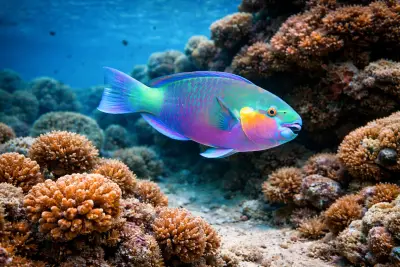
Parrotfish
common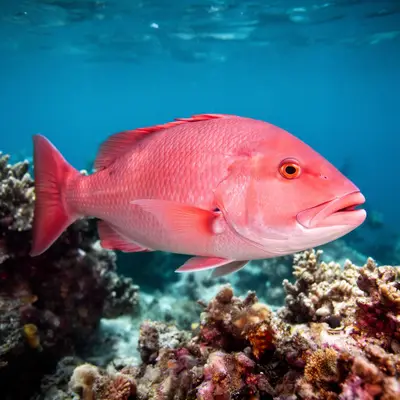
Snapper
common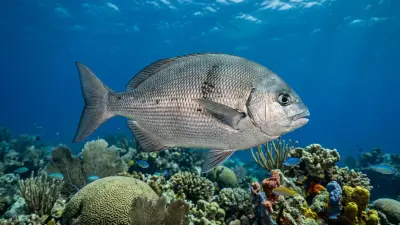
Chubs
common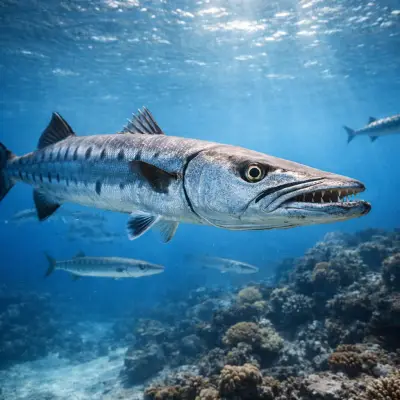
Barracuda
common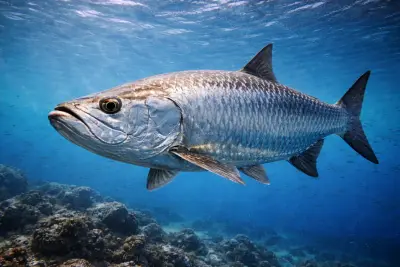
Tarpon
common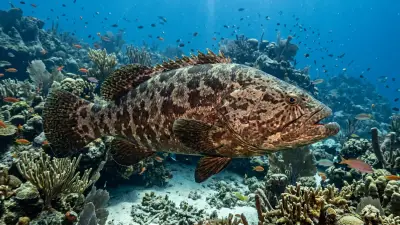
Goliath Grouper
common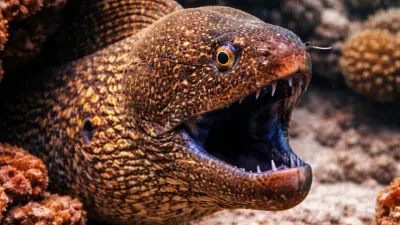
Moray Eel
common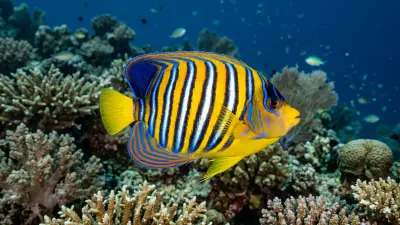
Angelfish
common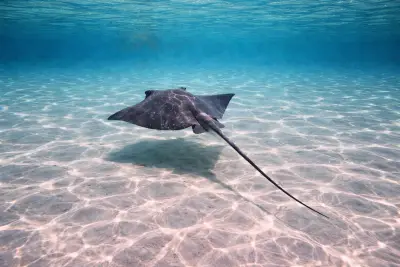
Stingray
common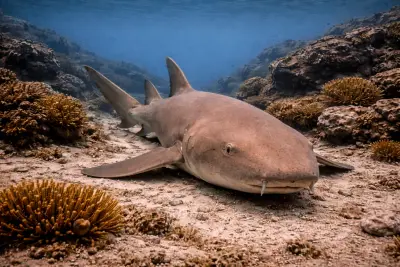
Nurse Shark
common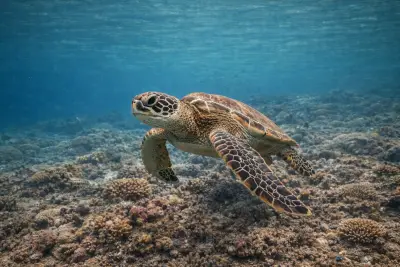
Green Turtle
occasional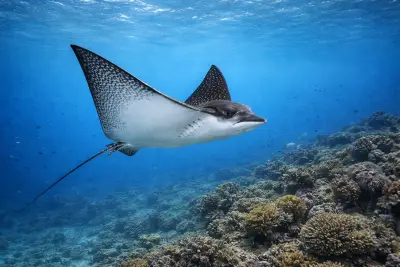
Eagle Ray
occasionalDive profile & how the dive runs
Entry to Winch Hole is typically from a dive boat directly above the site, descending onto the shallow sand patch at 25 feet where the historic winch is located. The dive then often explores the surrounding high-relief coral ledges and sandy channels. Divers can navigate along the ledges, which feature protective undercuts, searching for hidden marine life. Given the shallow depth, bottom times can be extended, allowing for thorough exploration of the coral formations and schools of fish. Turnaround points are flexible, often determined by air consumption or the desire to visit nearby features like Eagle Ray Alley. The safety stop is comfortably conducted at 15 feet over the reef, offering additional time to observe shallower fish life.
Underwater photography
Winch Hole, with its shallow depths and clear water, is well-suited for wide-angle photography, especially to capture the historic winch and schooling fish against the reef backdrop. A wide-angle lens would be ideal for documenting the large artifact and the broader reef topography. Macro lenses could also be effective for capturing smaller inhabitants hiding within the coral undercuts or the yellow-headed jawfish in sandy areas. Natural light is generally sufficient given the shallow profile, but an external strobe can enhance color and detail. Maintaining excellent buoyancy is crucial to avoid stirring up sand and to protect the delicate coral formations.
Combine with nearby dive sites
- Eagle Ray Alley
A shallow site with sand channels and coral ledges, known for eagle rays and jawfish.
- Logan's Run
Mentioned as being a quick swim from Winch Hole and connected by sand channels.
- Coral Canyons
Close by and part of the Molasses Reef system.
- Hole In The Wall
Another adjacent site on Molasses Reef offering varied marine life.
- Fire Coral Caves
A legendary dive site within the Molasses Reef ecosystem.
- Spanish Anchor
A renowned historical site also found on Molasses Reef.
Getting there & logistics
Access to Winch Hole is primarily through dive operators based in Key Largo, Florida. Divers typically fly into Miami International Airport (MIA) or Fort Lauderdale-Hollywood International Airport (FLL), then drive south to Key Largo. Day boats from local dive shops serve Molasses Reef, offering two-tank or three-tank dives that often include Winch Hole in their itinerary. Trips are generally half-day or full-day excursions. There are no specific permits or fees mentioned for diving Winch Hole itself, though national park fees may apply for overall access to John Pennekamp Coral Reef State Park, which encompasses Molasses Reef.
Safety & environment
While no specific chamber information is provided for Key Largo, it is critical for all divers to carry appropriate dive insurance for emergency medical care and evacuation in the Florida Keys. The shallow depth of Winch Hole (25-30 feet) contributes to a generally lower risk profile, making it suitable for Open Water certified divers. However, divers should always monitor their air consumption and bottom time, even in shallow water. Maintaining good buoyancy control is essential to protect the coral and avoid contact with the sandy bottom, especially around the historic winch. Always follow dive guide instructions and perform a safety stop.
Who it suits — and who it doesn't
Suited for
- Newly certified divers
- Snorkelers
- Underwater photographers interested in artifacts and macro life
- Divers seeking shallow, extended bottom times
- Divers interested in night diving
Less suited for
- Advanced divers seeking deep wall dives
- Technical divers
- Divers seeking strong current drift dives
- Individuals looking for large pelagic encounters only
FAQ
Winch Hole FAQ
What is the Winch Hole and how did it get its name?
The Winch Hole is a popular dive site on Molasses Reef in Key Largo, Florida. It gets its name from a large, historic winch that lies in a sand patch at a depth of 25 feet. This artifact is believed to have come from an Austrian sailing ship that ran aground in the area during the 1800s, making it a unique historical feature for divers to explore.
What kind of marine life can I expect to see at Winch Hole?
Winch Hole is home to a diverse array of marine life, making it a vibrant dive site. Divers frequently encounter large schools of parrotfish, snappers, and chubs. Barracuda, tarpon, and impressive goliath groupers are also common sightings, contributing to a rich underwater experience. The surrounding coral ledges also shelter smaller reef inhabitants.
Is Winch Hole suitable for beginner divers?
Yes, Winch Hole is considered an excellent site for beginner divers and those who are newly Open Water certified. Its shallow depth, consistently between 25 and 30 feet, provides a comfortable and less challenging environment. The site is also popular for snorkelers, further emphasizing its accessibility for less experienced individuals.
Can I do a night dive at Winch Hole?
Winch Hole is a very popular location for night diving due to the variety of nocturnal marine life that emerges after sunset. The shallow depth makes it a safe and enjoyable environment for night explorations, offering a unique opportunity to observe different species and behaviors compared to daytime dives.
What other dive sites are near Winch Hole?
Winch Hole is situated within Molasses Reef, a highly active dive area. Several other notable sites are just a short swim away, including Eagle Ray Alley, Logan's Run, Coral Canyons, and Hole In The Wall. These nearby sites offer additional exploration opportunities and contribute to the rich diving experience in the Molasses Reef region.
Why dive Winch Hole from a liveaboard?
Winch Hole is one of Turks & Caicos's signature dive sites. A liveaboard sleeps you on the water and puts you in the water for three to four guided dives per day, including dawn and night dives that day-boat operators rarely offer. You skip the daily commute back to port and reach quieter, less-crowded sites in the same region on a single trip.
Below are the liveaboards that include Winch Hole on their Turks & Caicos itineraries.
Liveaboards diving Winch Hole
These liveaboards may visit Winch Hole on selected itineraries — the exact dive sites depend on departure, weather and conditions.
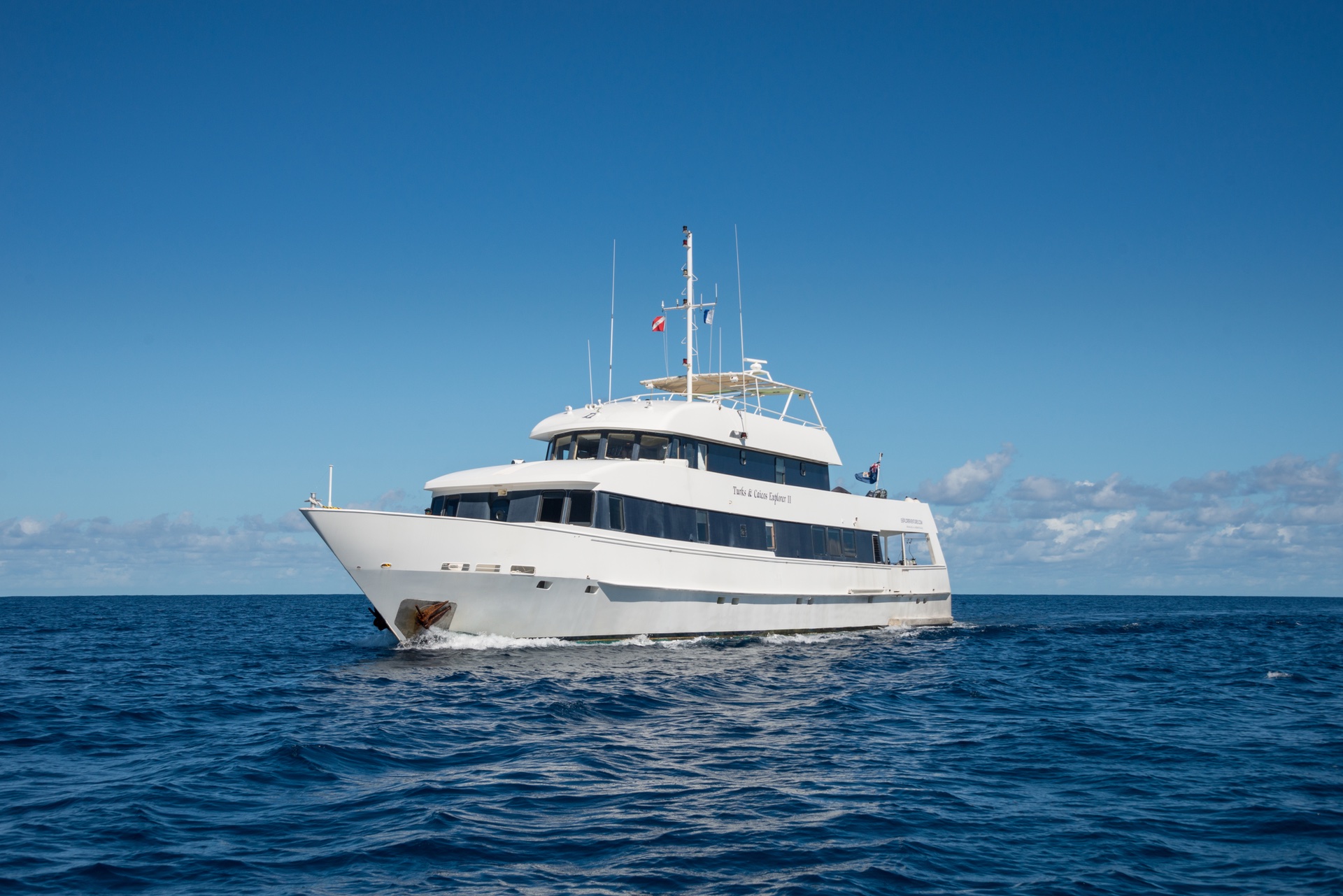
Turks and Caicos Explorer II
Turks & Caicos
20 guests
$287/day
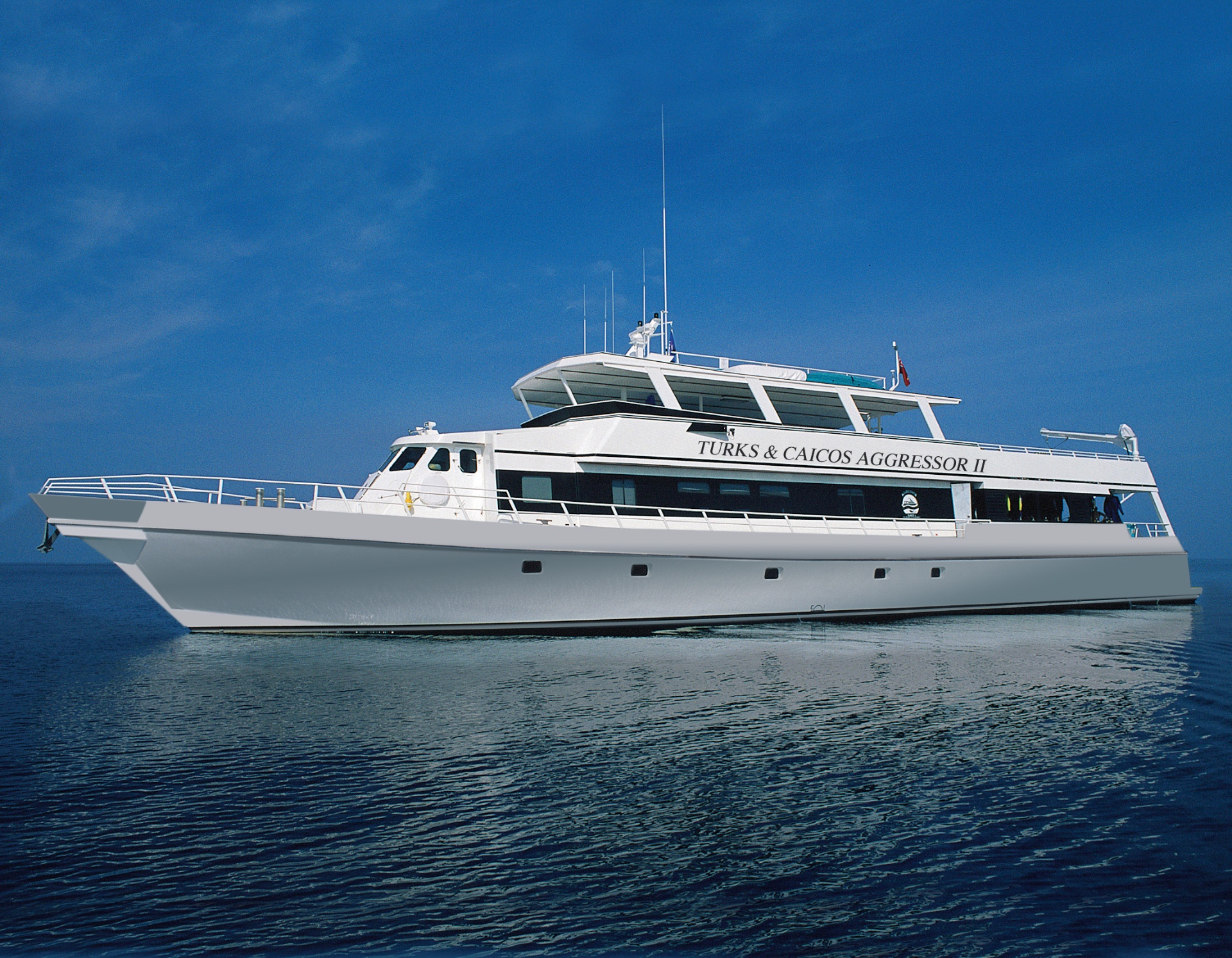
Turks & Caicos Aggressor II
Turks & Caicos
18 guests36.6 m
$287/day
Dive sites similar to Winch Hole
Same character, same waters — six more sites divers love for the exact same reasons.Compare seasons, access and liveaboard routes — then pick the site that fits your trip best.
© Esri — Maxar, Earthstar, GIS
Coral Gables
Turks & Caicos
Coral Gables is a popular dive site situated within Grace Bay, off Providenciales in the Turks & Caicos Islands.
- Suitable for
- Beginner
- Current
- Strong
- Access
- Liveaboard or dayboat
- Depth
- 10–25 m
- Theme
- Reef / Wall
© Esri — Maxar, Earthstar, GIS
Eagle Ray Alley
Turks & Caicos
Eagle Ray Alley is a vibrant dive site located off West Caicos, an uninhabited island approximately 16 kilometers southwest of Providenciales in the Turks and Caicos Islands.
- Suitable for
- Beginner
- Current
- Mild
- Access
- Dayboat
- Depth
- 6–9 m
- Theme
- Reef
© Esri — Maxar, Earthstar, GIS
Eagle Ray Pass
Turks & Caicos
Eagle Ray Pass is a notable dive site situated off Grace Bay in the Turks and Caicos Islands.
- Suitable for
- Intermediate
- Current
- Mild
- Access
- Liveaboard or dayboat
- Depth
- ≤ 30 m
- Theme
- Wall / Reef
Gullies is a sensational wall dive situated off West Caicos, an uninhabited island approximately 16 kilometers southwest of Providenciales.
- Suitable for
- Beginner
- Current
- Mild
- Access
- Liveaboard only
- Depth
- 10–23 m
- Theme
- Wall / Reef
© Esri — Maxar, Earthstar, GIS
Elephant Ear Canyon
Turks & Caicos
Elephant Ear Canyon is a distinctive wall dive site situated off West Caicos in the Turks and Caicos Islands.
- Suitable for
- Intermediate
- Current
- Mild
- Access
- Liveaboard or dayboat
- Depth
- —
- Theme
- Wall / Reef