About Eagle Ray Alley
Eagle Ray Alley is a vibrant dive site located off West Caicos, an uninhabited island approximately 16 kilometers southwest of Providenciales in the Turks and Caicos Islands. This area is characterized by its dramatic wall dives and diverse marine life, making it a prominent feature in liveaboard itineraries exploring the region. The dive site itself is distinguished by a sand chute, aptly named the 'Driveway,' which carves its way through the reef, descending from a depth of 15 meters to 30 meters. This 'Driveway' provides a path for deeper exploration into a rich reef environment. For those preferring a shallower experience, the top of the wall offers a tranquil setting among scattered coral heads. The reef is further complemented by sand flats at around 12 meters, where various bottom dwellers can be observed. While the name suggests frequent encounters with eagle rays, which are indeed known to cruise these waters, sightings are not guaranteed but they, along with blacktip reef sharks, barracuda, and turtles, are part of the pelagic species that may pass through. The diverse reef and sand areas host a variety of brightly colored corals and sponges, along with residents like garden eels, yellow-headed jawfish, stingrays, flounder, grunts, snapper, grouper, conch, and yellow coral shrimp. During day dives, large octopuses can sometimes be spotted in the open. Boat dives are the standard for accessing this site, often as part of a liveaboard itinerary, allowing for extensive bottom time. The excellent visibility and generally mild currents make it suitable for a range of certified divers, encouraging exploration of both the wall and the shallower reef areas.
Highlights
Expansive sand channelHigh-relief coral ledgesDeep undercuts for marine lifePotential for eagle ray sightingsYellow-headed jawfishStingrays and scorpionfishSpotted drums and moray eelsExcellent visibility
Season calendar
Best months to dive here
Jan
Feb
Mar
Apr
May
Jun
Jul
Aug
Sep
Oct
Nov
Dec
Excellent
Good
Off-Season
Dive site facts: Eagle Ray Alley
- Depth
- 6–9 m
- Current
- Mild
- Visibility
- 30+ m
- Water temperature
- 25–29°C
- Entry
- Boat
- Level
- Open Water
- Dive type
- Wall, Reef
- Region / port
- Providenciales, Turks & Caicos
- Coordinates
- 21.7522° N, 72.1257° W
Conditions & Currents
Eagle Ray Alley typically experiences gentle currents; however, divers should be aware that some current can be present, particularly within the sand channel. The overall current strength is generally mild, aligning with the calm conditions often found in the Turks and Caicos, where currents are usually gentle through much of the year. Visibility at the site is consistently excellent, often surpassing 100 feet (30 meters), allowing for clear views of the expansive sand channel and coral formations. Entry to the site is usually via boat, with divers descending into the relatively shallow depths. Due to the mild currents and clear conditions, divers of all levels can typically enjoy this site, though awareness of potential current is always advisable for optimal buoyancy control and gas management.
Marine life & sighting chances

Eagle Ray
June, February · occasional
Yellow-Headed Jawfish
common
Stingray
April, June, July, November, January, March, December · common
Scorpionfish
common
Spotted Drum
common
Spotted Moray
January, March, April, May, June, July, August, September, O · common
Glassy Sweeper
common
Barracuda
January, March, April, May, June, July, August, September, O · common
Nurse Shark
January, February, March, April, May, June, July, August, Se · common
Parrotfish
January, February, March, April, May, June, July, August, Se · common
Angelfish
January, March, April, May, June, July, August, September, O · common
Green Turtle
January, February, April, June, July, August, September, Nov · occasional
Loggerhead Turtle
February, April · rareDive profile & how the dive runs
Your dive at Eagle Ray Alley typically begins with a boat entry into the shallow waters, often around 6 to 9 meters (20 to 30 feet). The site is characterized by a prominent sand channel running seaward, flanked by coral ledges. Divers will descend into this channel, exploring the sandy bottom for species like yellow-headed jawfish and stingrays. The route involves navigating along the coral ledges, paying close attention to the deep undercuts that provide shelter for spotted drums, spotted morays, and glassy sweepers. While there isn't a defined turn point tied to depth due to the site's consistent shallowness, divers will typically cover the length of the channel and explore both sides of the coral formations. The dive progresses slowly, allowing ample time for macro observation within the crevices and broader scanning for potential eagle ray sightings in the open sand. The safety stop is comfortably performed in the clear, shallow water of the alley, making for a relaxed and accessible ascent.
Underwater photography
Eagle Ray Alley offers excellent opportunities for wide-angle photography, especially when capturing the expansive sand channel and the overall reef topography, or when a spotted eagle ray cruises by. A wide-angle lens would be ideal for conveying the scale of the site. For macro enthusiasts, a macro lens is highly recommended to capture the intricate details of yellow-headed jawfish, scorpionfish, and the smaller inhabitants found within the coral undercuts. External strobes are beneficial for illuminating the deeper sections of the undercuts and bringing out the vibrant colors of the corals and reef fish. Maintain excellent buoyancy to avoid disturbing the sand bottom, which can quickly reduce visibility for both photography and other divers. When photographing marine life, approach subjects slowly and respectfully, observing their natural behavior without causing stress, particularly for shy species like jawfish.
Combine with nearby dive sites
- Shark Hotel
Shark Hotel is a renowned boat-accessed dive site located within a marine park in Sint Maarten, offering divers an exciting encounter with…
- The Crack
The Crack is a distinctive wall dive located off Northwest Point, Providenciales, characterized by its unusual topography.
- Winch Hole
Winch Hole is a premier dive site located within Molasses Reef in Key Largo, Florida, distinguished by its unique historical artifact — a…
- Gullies
Gullies is a sensational wall dive situated off West Caicos, an uninhabited island approximately 16 kilometers southwest of Providenciales.
- Black Coral Forest
Black Coral Forest is a captivating dive site found off the northwest side of Providenciales in Turks & Caicos, roughly a 30-minute boat…
- Rock and Roll
Rock and Roll is a vibrant wall dive situated off French Cay in the Turks and Caicos Islands, recognized as a prime location for both…
Getting there & logistics
Diving in Turks and Caicos primarily involves day boat trips from Providenciales, which serves as the main hub with its international airport. Eagle Ray Alley is easily accessible from Provo, making it suitable for short excursions. Liveaboards also operate from Providenciales, often including sites in the Northwest Point area in their itineraries. The typical dive trips usually involve short boat rides to the sites, which are generally uncrowded. No specific park fees are mentioned for this site, but general tourism and dive operator fees apply. Travelers fly into Providenciales International Airport (PLS) to begin their diving adventure. The ease of access and consistent conditions make it a convenient addition to any Turks and Caicos dive itinerary.
Safety & environment
While diving in Turks and Caicos, including at Eagle Ray Alley, is generally safe due to mild conditions, having comprehensive dive insurance is highly recommended. The nearest recompression chamber is located in Providenciales, ensuring prompt medical attention if necessary. Evacuation from remote dive sites to the chamber in Providenciales is typically arranged via dive operators or local emergency services. At Eagle Ray Alley, specific hazards are minimal due to its shallow nature and generally calm currents, but divers should always practice good buoyancy control to avoid contact with the reef or stirring up the sand. Adhering to dive plans, monitoring air consumption, and staying with your buddy are standard safety protocols to ensure an enjoyable and safe dive.
Who it suits, and who it doesn't
Suited for
- Open Water certified divers
- Divers new to current conditions
- Underwater photographers interested in macro and wide-angle
- Divers seeking abundant reef life in shallow water
- Beginners developing buoyancy skills
Less suited for
- Divers exclusively seeking deep wall experiences
- Those looking for highly challenging drift dives
- Divers uninterested in macro life
- Divers expecting guaranteed large pelagic encounters
FAQ
Eagle Ray Alley FAQ
What is the typical depth at Eagle Ray Alley?
Eagle Ray Alley is a relatively shallow dive site, with depths ranging from 6 to 9 meters (20 to 30 feet). This makes it an ideal location for divers of all experience levels, including those who are newly certified in Open Water.
What marine life can I expect to see at Eagle Ray Alley?
You can anticipate seeing a variety of marine life, including yellow-headed jawfish, stingrays, and scorpionfish within the sandy channel. The coral ledges and their undercuts frequently reveal spotted drums, spotted morays, and glassy sweepers. While not guaranteed, eagle rays are known to cruise through the area, giving the site its name.
Are there strong currents at Eagle Ray Alley?
Currents at Eagle Ray Alley are generally mild. While some current can be present, especially in the sand channel, the Turks and Caicos waters are known for usually gentle conditions. This makes the site enjoyable for divers who prefer less challenging current environments.
Is Eagle Ray Alley suitable for beginner divers?
Yes, Eagle Ray Alley is highly suitable for beginner divers. Its shallow depth and generally mild currents make it an excellent site for Open Water certified divers and for those looking to gain more experience in a calm, vibrant reef environment. The clear visibility also adds to the comfort and enjoyment for new divers.
Where is Eagle Ray Alley located in Turks and Caicos?
Eagle Ray Alley is located in the Turks and Caicos, specifically in the Providenciales region, which is the main center for tourism and diving operations. It is often reached by day boat trips departing from Providenciales, providing easy access to this popular dive site.
Why dive Eagle Ray Alley from a liveaboard?
Eagle Ray Alley is one of Turks & Caicos's signature dive sites. A liveaboard sleeps you on the water and typically offers several guided dives per day (the exact number depends on the vessel and itinerary), including dawn and night dives that day-boat operators rarely offer. You skip the daily commute back to port and reach quieter, less-crowded sites in the same region on a single trip.
Liveaboards diving Eagle Ray Alley
These liveaboards may visit Eagle Ray Alley on selected itineraries, the exact dive sites depend on departure, weather and conditions.
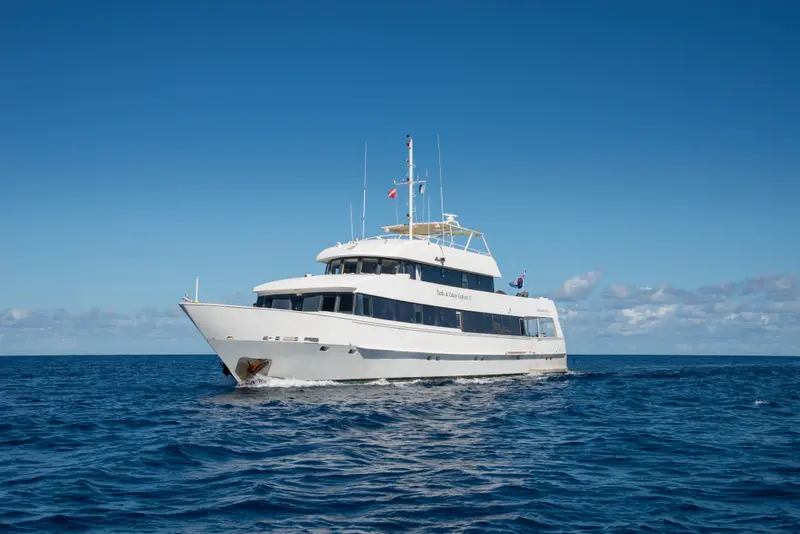
Turks and Caicos Explorer II
Turks & Caicos
20 guests
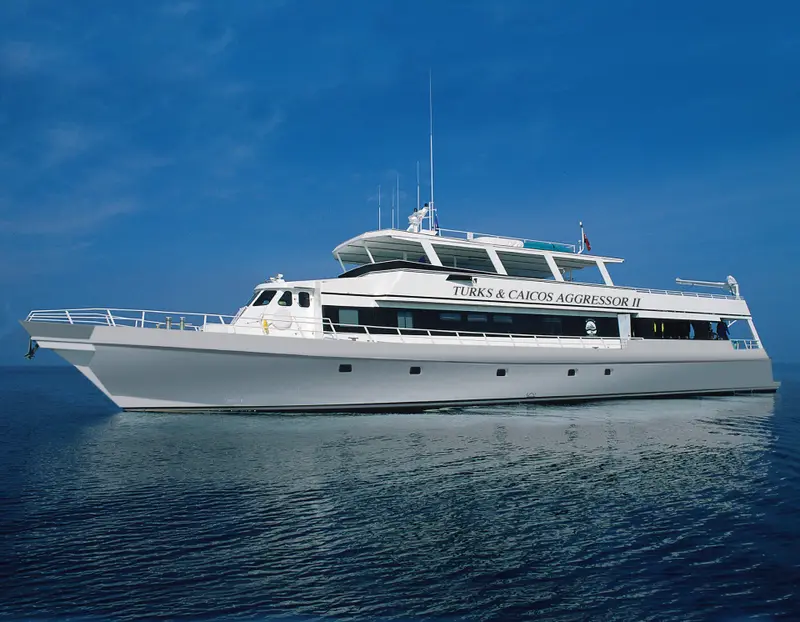
Turks & Caicos Aggressor II
Turks & Caicos
18 guests37 m
Dive sites similar to Eagle Ray Alley
Same character, same waters, six more sites divers love for the exact same reasons.Compare seasons, access and liveaboard routes, then pick the site that fits your trip best.
The dive site known as 3 Rocks is located off the coast of Sosúa in Puerto Plata, Dominican Republic, offering an accessible and lively underwater experience.
- Suitable for
- Beginner
- Current
- Mild
- Access
- Dayboat
- Depth
- 2–8 m
- Theme
- Reef
© EsriMaxar, Earthstar, GIS
6 Toed Cat
Mexico
The dive site known as "6 Toed Cat" is not a recognized dive location in Mexico; rather, it refers to the polydactyl felines, many with six toes, that inhabit the Ernest Hemingway Home and Museum in Key West, Florida.
- Suitable for
- Beginner
- Current
- Mild
- Access
- Liveaboard or dayboat
- Depth
- —
- Theme
- Reef
Acuario is a popular, shallow reef dive site located in the Dominican Republic, offering an accessible underwater experience.
- Suitable for
- Beginner
- Current
- Moderate
- Access
- Liveaboard or dayboat
- Depth
- 12–14 m
- Theme
- Reef
© EsriMaxar, Earthstar, GIS
Akumal Bay
Mexico
Akumal Bay Marine Park, nestled along Mexico's Riviera Maya, stands out as a premier Caribbean destination, particularly renowned for its sea turtle population.
- Suitable for
- Beginner
- Current
- Mild
- Access
- Dayboat
- Depth
- 6–30 m
- Theme
- Reef
© EsriMaxar, Earthstar, GIS
Ancla Del Pirata
Cuba
Ancla del Pirata, or "Pirate's Anchor," is a popular and accessible dive site located in the waters off María la Gorda, on Cuba's westernmost tip within the Guanahacabibes National Park, a UNESCO Biosphere Reserve.
- Suitable for
- Beginner
- Current
- No current
- Access
- Liveaboard or dayboat
- Depth
- 10–18 m
- Theme
- Reef
© EsriMaxar, Earthstar, GIS
Andros Barrier Reef
Bahamas
The Andros Barrier Reef, located off Andros Island in the Bahamas, is the third-largest barrier reef system globally, stretching over 140 miles.
- Suitable for
- Beginner
- Current
- Strong
- Access
- Shore / dayboat
- Depth
- 5–40 m
- Theme
- Cave & cavern / Reef