About The Crack
The Crack is a distinctive wall dive located off Northwest Point, Providenciales, characterized by its unusual topography. The reef here doglegs to the south, creating a substantial 'penny slot' crack that divers can navigate. This site is famed for its dramatic vertical wall that plunges into the deep blue, showcasing the geological features common to the Turks & Caicos barrier reef system. Divers can expect to encounter a rich diversity of marine life, including schools of fish and a resident sea turtle, enhancing the exploration of this unique underwater formation. The dive profile involves following the wall's contours, with the option to swim through the crack at various points. This site's location within the Northwest Point area, known for its extensive wall diving, ensures clear visibility and generally calm conditions, making it accessible for divers with experience in wall diving. The combination of structural interest and abundant marine encounters makes The Crack a memorable dive in the region, suitable for those looking for both exploration and wildlife observation. The site's defining crack and associated features like a large barrel sponge add to its unique character, providing distinct points of interest throughout the dive.
Highlights
Penny slot crack swim-throughMassive barrel spongeResident sea turtleSchooling fish encountersDramatic wall divingUnique reef topography
Season calendar
Best months to dive here
Jan
Feb
Mar
Apr
May
Jun
Jul
Aug
Sep
Oct
Nov
Dec
Excellent
Dive site facts: The Crack
- Depth
- 14–40 m
- Current
- Mild
- Visibility
- 30+ m
- Water temperature
- 26–29°C / 79–84°F
- Entry
- Boat
- Level
- Beginner
- Dive type
- Wall, reef, drift
- Region / port
- Providenciales, Northwest Point
- Coordinates
- 21.7602° N, 72.0927° W
Conditions & Currents
Currents at dive sites off Providenciales, including The Crack, are generally described as mild, making for a relatively gentle drift along the wall. Visibility is consistently excellent, often exceeding 30 meters (100 feet), providing clear views of the extensive wall and its inhabitants. Water temperatures remain warm throughout the year, typically ranging from 26-29°C (79-84°F), reducing the need for thick wetsuits. Entry is typically from a day boat, with divers descending directly onto the reef top near the wall. Divers should be mindful of buoyancy control, particularly when navigating the crack and along the sheer wall, to avoid contact with the delicate coral and sponges.
Marine life & sighting chances

Sea turtle
occasional
Schooling fish
common
Barracuda
occasional
Queen triggerfish
common
Moray eel
occasional
Octopus
rare
Caribbean reef shark
occasional
Nurse shark
occasionalDive profile & how the dive runs
Dives at The Crack typically begin from a day boat moored near the wall at Northwest Point. Divers descend to the top of the wall, which starts at around 14 meters (45 feet). The primary feature, a significant 'penny slot' crack, doglegs to the south and allows divers to swim through it, exiting at various points. A prominent landmark is a massive barrel sponge, accompanied by an anemone above it, found at approximately 26 meters (85 feet). While exploring, divers may encounter schooling fish and a resident sea turtle by heading south along the wall. The dive progresses along the wall, with opportunities to observe the dramatic drop-off and its diverse coral formations. The safety stop is typically conducted back on the shallower reef top.
Underwater photography
The dramatic wall and unique 'penny slot' crack at The Crack offer fantastic wide-angle photography opportunities. A fisheye or wide-angle lens is ideal for capturing the expansive drop-off and the structural grandeur of the crack. Be sure to include divers in your shots to convey a sense of scale. For marine life encounters, a macro lens can capture the details of the anemone near the barrel sponge or other smaller reef inhabitants. Strobes are essential to bring out the vibrant colors of the coral and sponges against the deep blue. Maintain excellent buoyancy control, especially within the crack, to avoid stirring up sediment or damaging the delicate ecosystem, ensuring clear shots and preserving the environment.
Combine with nearby dive sites
- Shark Hotel
Known for frequent Caribbean reef shark sightings and another wall dive.
- Black Coral Forest
Features an overhang with multiple species of black coral.
- The Dome
A sunken dome, previously a TV game show site, great for night dives.
- Gullies
Offers a penny slot gully swim-through and beautiful sponge formations.
- Whiteface
Also known as The Anchor, featuring an anchor wedged in a gully and pillar corals.
Getting there & logistics
Access to The Crack and other Turks & Caicos dive sites is primarily through Providenciales International Airport (PLS), with direct flights from North America and other Caribbean hubs. Dive operations typically run from Providenciales, with day boats taking divers to sites along Northwest Point and West Caicos. Liveaboards, such as the Turks & Caicos Aggressor II, also depart from Providenciales, offering week-long itineraries with around 27 dives, often including night dives. Day trips from Provo to Northwest Point are common, providing easy access to sites like The Crack. No specific dive permits or fees for individual sites are usually required beyond standard dive operator costs, often included in dive packages.
Safety & environment
For dive emergencies in Turks & Caicos, a recompression chamber is available on Providenciales. Evacuation to this facility or further medical care is coordinated by local dive operators and the Divers Alert Network (DAN), making dive insurance strongly recommended. The generally mild currents at The Crack require good buoyancy control, especially when navigating the unique crack formation, to prevent contact with the reef. Divers should carry a surface marker buoy (SMB) and know how to deploy it. Always dive within your training limits and follow your dive guide's instructions. The site's wall profile necessitates careful depth and no-decompression limit monitoring.
Who it suits — and who it doesn't
Suited for
- Advanced Open Water Divers comfortable with wall diving
- Divers seeking unique topographical features
- Underwater photographers looking for wide-angle subjects
- Divers interested in diverse reef life and pelagic encounters
Less suited for
- Beginner divers or those without wall diving experience
- Divers with uncontrolled buoyancy
- Individuals prone to claustrophobia (due to the crack swim-through)
- Those who prefer purely shallow, current-free reef dives
FAQ
The Crack FAQ
What makes 'The Crack' unique among Turks & Caicos dive sites?
The Crack is distinguished by a massive 'penny slot' crack in the reef that divers can swim through, formed by the natural topography of the wall. This unique geological feature, combined with its dramatic wall dive profile, offers an adventurous and visually striking experience not commonly found elsewhere in the region. It's a key highlight of the Northwest Point diving area.
What kind of marine life can I expect to see at 'The Crack'?
Divers at The Crack frequently encounter schooling fish and may spot a resident sea turtle. The area is also home to various reef fish such as barracuda and queen triggerfish, with occasional sightings of moray eels and octopuses. Like other Northwest Point sites, Caribbean reef sharks and nurse sharks are sometimes seen cruising the deeper parts of the wall.
What is the typical depth and visibility at 'The Crack'?
The wall at The Crack starts around 14 meters (45 feet), descending into much deeper waters. Divers typically explore the upper sections of the wall and the crack, with a notable barrel sponge at 26 meters (85 feet). Visibility is consistently excellent, often exceeding 30 meters (100 feet), providing clear views of the reef structure and marine inhabitants.
Is 'The Crack' suitable for all diver levels?
The Crack is best suited for Advanced Open Water Divers or those with experience in wall diving and good buoyancy control. While currents are generally mild, navigating the crack and managing depth along the sheer wall requires a certain level of skill. Beginners might find the depth and unique formations challenging, and should consider other shallower sites first.
How do I access 'The Crack' dive site?
The Crack is typically accessed via day boats departing from Providenciales, the main island for tourism and dive operations in Turks & Caicos. Many local dive shops offer excursions to the Northwest Point area, where The Crack is located. Liveaboard itineraries also frequently include this distinctive site as part of their week-long dive packages.
Why dive The Crack from a liveaboard?
The Crack is one of Turks & Caicos's signature dive sites. A liveaboard sleeps you on the water and puts you in the water for three to four guided dives per day, including dawn and night dives that day-boat operators rarely offer. You skip the daily commute back to port and reach quieter, less-crowded sites in the same region on a single trip.
Below are the liveaboards that include The Crack on their Turks & Caicos itineraries.
Liveaboards diving The Crack
These liveaboards may visit The Crack on selected itineraries — the exact dive sites depend on departure, weather and conditions.
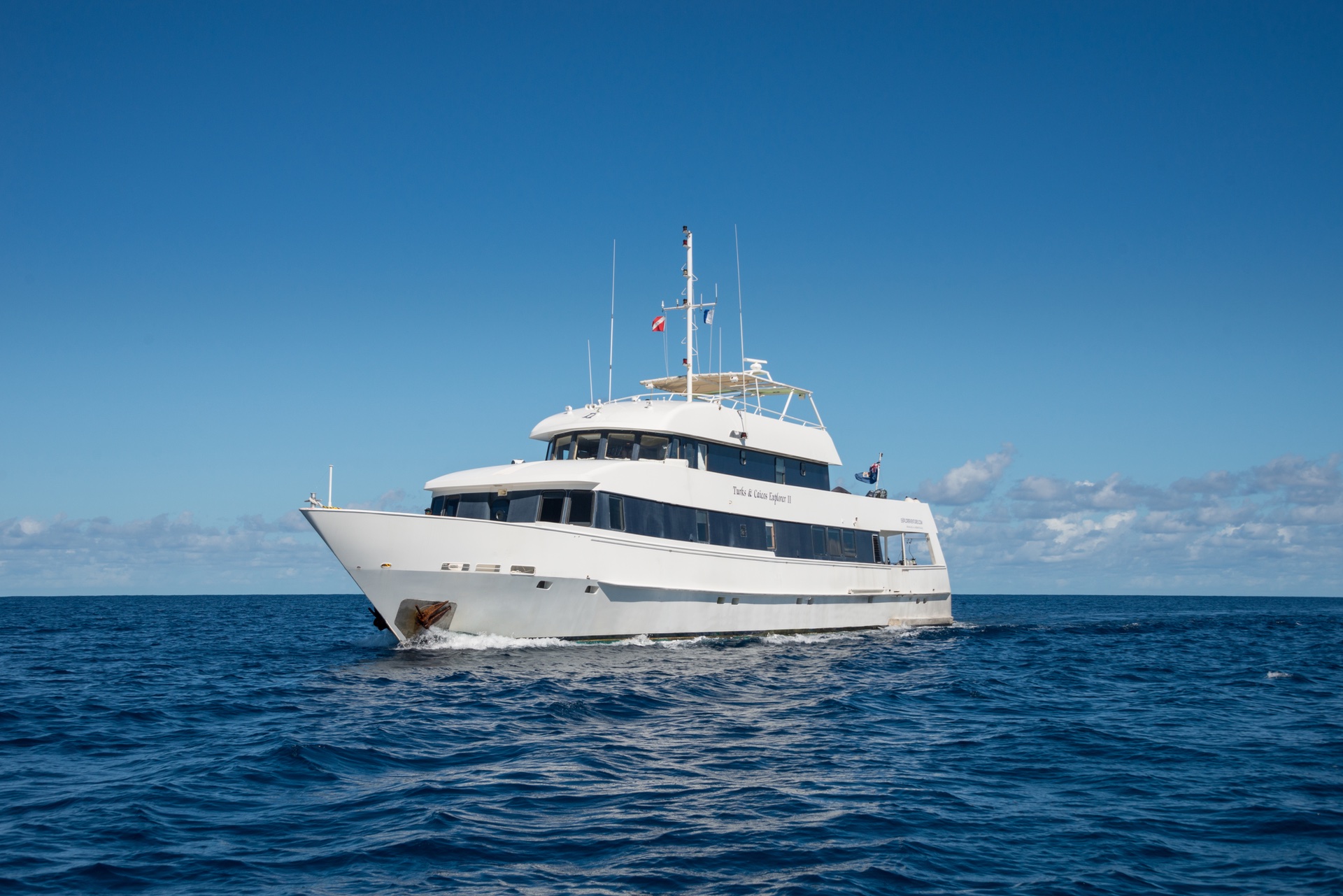
Turks and Caicos Explorer II
Turks & Caicos
20 guests
$249/day
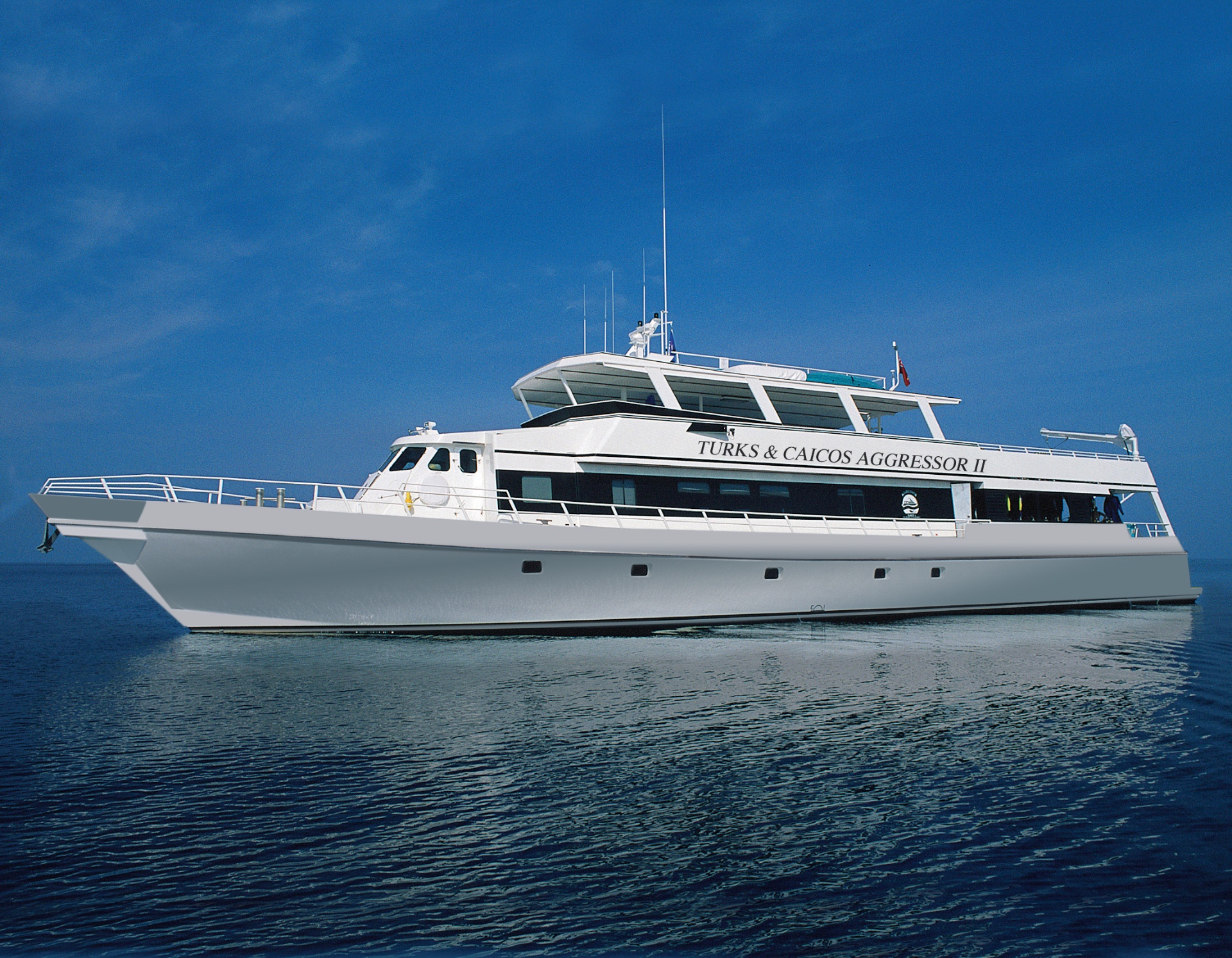
Turks & Caicos Aggressor II
Turks & Caicos
18 guests36.6 m
$328/day
Dive sites similar to The Crack
Same character, same waters — six more sites divers love for the exact same reasons.Compare seasons, access and liveaboard routes — then pick the site that fits your trip best.
© Esri — Maxar, Earthstar, GIS
Silver Caves
Belize
Silver Caves offers a distinctive diving experience within the Lighthouse Reef Atoll, one of Belize's healthiest reef systems.
- Suitable for
- Advanced
- Current
- Mild
- Access
- Liveaboard only
- Depth
- 18–28 m
- Theme
- Reef / Cave & cavern
Cozumel's western coast features a dramatic reef shelf that plunges thousands of feet into the ocean.
- Suitable for
- Intermediate
- Current
- Mild
- Access
- Liveaboard or dayboat
- Depth
- 15–27 m
- Theme
- Reef
© Esri — Maxar, Earthstar, GIS
North Wall
Cayman Islands
The North Wall of Grand Cayman stands as one of the most celebrated and visually striking dive regions, stretching along the island's northern coastline.
- Suitable for
- Advanced
- Current
- Mild
- Access
- Liveaboard or dayboat
- Depth
- 50–100 m
- Theme
- Reef
© Esri — Maxar, Earthstar, GIS
Lighthouse Reef
Cayman Islands
Lighthouse Reef, situated near the West End dock of Cayman Brac, provides a distinctive shallow reef diving experience.
- Suitable for
- Beginner
- Current
- Strong
- Access
- Shore / dayboat
- Depth
- 10–25 m
- Theme
- Reef
© Esri — Maxar, Earthstar, GIS
Long Caye Ridge
Belize
Long Caye Ridge is a highly-rated dive site situated within Belize's Lighthouse Reef Atoll, an area renowned for its pristine conditions due to its distance from the mainland.
- Suitable for
- Intermediate
- Current
- No current
- Access
- Liveaboard only
- Depth
- 21–21 m
- Theme
- Reef
Roatán, part of the Bay Islands of Honduras, offers a diverse underwater landscape situated along the Mesoamerican Barrier Reef System, which is the second largest barrier reef globally.
- Suitable for
- Intermediate
- Current
- Moderate
- Access
- Liveaboard or dayboat
- Depth
- 9–40 m
- Theme
- Reef