About Black Coral Forest
Black Coral Forest is a captivating dive site found off the northwest side of Providenciales in Turks & Caicos, roughly a 30-minute boat ride from the coast. This wall dive plunges from a starting depth of 45 feet to well over 300 feet, showcasing the dramatic underwater topography characteristic of the region where undersea plateaus abruptly give way to deep ocean trenches. The site is particularly renowned for the prominent overhang at 75 feet, which hosts at least five distinct species of black coral, giving the site its name and providing excellent opportunities for wide-angle photography. While black coral is the star, the wall itself is adorned with vibrant marine life. Divers might observe giant barrel sponges, which can live for up to a century, alongside other corals and sponges that thrive in these deep environments. Although specific fish sightings might vary, the area is part of a region known for frequent encounters with marine creatures such as turtles, reef sharks, and eagle rays, making each dive potentially thrilling. The consistent warmth and clarity of the water, with visibility often exceeding 100 feet and temperatures ranging from 79 to 84°F, contribute to an exceptional dive experience. This site is accessible only by boat, aligning with the typical liveaboard itineraries that characterize much of the diving in Turks & Caicos. Currents here are generally gentle, creating an ideal setting for both relaxed exploration and more adventurous experiences along the impressive wall. Divers should nonetheless remain mindful of their depth, as the precipitous drop-offs of the wall can make it easy to exceed planned limits if not paying close attention. It is suitable for divers seeking to explore deep wall environments and capture stunning underwater photography.
Highlights
Black coral gardensWall diveExcellent visibility
Season calendar
Best months to dive here
Jan
Feb
Mar
Apr
May
Jun
Jul
Aug
Sep
Oct
Nov
Dec
Excellent
Dive site facts: Black Coral Forest
- Depth
- 13.7–61 m
- Typical dive
- 19.8 m, 50-60 min
- Current
- Mild to moderate
- Visibility
- 10–30 m
- Water temperature
- 24–30 °C
- Entry
- Boat
- Level
- Intermediate
- Dive type
- Wall dive, coral garden, pelagic encounters
- Night dive
- Possible
- Region / port
- Northwest Point, Providenciales
- Coordinates
- 21.828, -72.335
Conditions & Currents
Currents at Black Coral Forest are generally gentle, contributing to a relaxed dive. The site is only accessible by boat. Divers should be mindful of the significant depth drop-off and monitor their gauges to avoid exceeding planned limits.
Marine life & sighting chances

Black coral
common
Hawksbill turtle
common
Caribbean reef shark
common
Nurse shark
occasional
Eagle ray
occasional
Queen triggerfish
common
French angelfish
common
Parrotfish
common
Lobster
occasional
Moray eel
occasional
Flamingo tongue cowrie
occasional
Arrow crab
occasionalDive profile & how the dive runs
Your dive at Black Coral Forest typically begins with a descent to the reef wall, which starts around 13.7 meters and plunges dramatically. The main highlight is an overhang at about 22 meters, where you encounter a dense "forest" of at least five black coral species. The dive progresses along this wall, allowing ample time to observe the delicate coral structures and the marine life they host. Above the black coral zone, the reef terrace, at shallower depths, teems with hard and soft corals and schooling fish. You'll often encounter Hawksbill turtles here, methodically feeding on sponges. Caribbean reef sharks and eagle rays are frequent visitors in the blue water along the deeper wall. The average depth for this dive is about 19.8 meters, with a maximum of 33.5 meters for recreational limits. Buoyancy control is paramount to avoid contact with the fragile, decades-old coral colonies. The safety stop is conducted along the shallower reef top, offering further opportunities for marine observation.
Underwater photography
Black Coral Forest presents excellent opportunities for both wide-angle and macro photography. For the expansive wall and the impressive black coral formations, a wide-angle lens is ideal. Capture the scale of the coral trees against the dramatic blue backdrop and look for passing pelagics like eagle rays. For macro subjects, explore the intricate details within the black coral branches, where you might find tiny arrow crabs or flamingo tongue cowries. A snoot can be particularly effective here to highlight specific small creatures against the dark coral. Utilize strobes to bring out the true colors of the corals and fish, as ambient light can diminish at deeper sections of the wall. Maintain excellent buoyancy to avoid stirring up sediment or accidental contact with the delicate, slow-growing corals, which are the main attraction.
Combine with nearby dive sites
- Shark Hotel
Known for frequent Caribbean reef shark sightings and a chimney swim-through.
- The Crack
Features a large fissure and abundant coral formations, including black coral trees.
- The Dome
A sunken structure offering a unique experience, especially for night dives.
- The Driveway
Located at West Caicos, known for diverse marine life and a large sand chute.
- Double D
At French Cay, featuring a sloping reef with two pinnacles and diverse shark encounters.
Getting there & logistics
Accessing Black Coral Forest typically involves a liveaboard trip or day boat from Providenciales (Provo), which serves as the main hub for Turks and Caicos diving. Providenciales International Airport (PLS) handles direct flights from North America. Most liveaboard charters for the Turks and Caicos run for seven nights, offering numerous dives, often including sites around Northwest Point, West Caicos, and French Cay, allowing you to experience various wall dives and marine encounters. Day trips are also available from Provo for local sites. There are no specific park fees mentioned for this site, but check with your dive operator for any local marine park regulations.
Safety & environment
Diving at Black Coral Forest requires careful buoyancy control due to the fragile and irreplaceable nature of the black coral colonies; accidental contact can cause decades of damage. Currents can range from mild to moderate, so divers should be prepared for potential drift and maintain awareness of their position relative to the wall. The nearest recompression chamber is located in Providenciales, at the Turks and Caicos Islands Hospital. Evacuation in a medical emergency typically involves local ambulance services for initial transport and then air evacuation to facilities in the US, emphasizing the need for comprehensive dive insurance that covers medical treatment and emergency evacuation. Always dive with a reputable operator and follow your dive guide's instructions.
Who it suits — and who it doesn't
Suited for
- Intermediate divers with solid buoyancy control
- Photographers seeking unique coral formations and pelagic encounters
- Divers interested in wall diving and diverse marine ecosystems
- Those looking for consistent visibility and warm water conditions
Less suited for
- Beginner divers without sufficient buoyancy control experience
- Divers unwilling to practice strict no-contact diving ethics
- Those expecting exclusively shallow reef dives
- Divers with limited experience in moderate current conditions
FAQ
Black Coral Forest FAQ
What makes Black Coral Forest unique compared to other dive sites?
Black Coral Forest is distinguished by its extraordinary density of black coral growth, forming a forest-like structure along the deep wall. This site features at least five distinct species of black coral, which are slow-growing and protected, creating a visually compelling and unique underwater landscape rarely seen elsewhere. The combination of this unique coral topography with frequent sightings of pelagic life like reef sharks and eagle rays makes it a standout dive in the Turks and Caicos.
What kind of marine life can I expect to see beyond the corals?
Beyond the impressive black coral, you can expect a vibrant array of marine life at this site. Hawksbill turtles are common, often seen feeding on sponges on the shallower reef terrace. Caribbean reef sharks make unhurried passes along the wall, and eagle rays glide gracefully in the blue water. The reef is also home to schooling parrotfish, queen triggerfish, French angelfish, and various gobies and crustaceans residing within the coral branches.
Is Black Coral Forest suitable for all skill levels?
Black Coral Forest is best suited for intermediate divers due to its wall diving profile, potential for moderate currents, and the critical need for excellent buoyancy control. The delicate nature of the black coral requires divers to maintain strict no-contact practices. While experienced divers will thoroughly enjoy the site, beginners might find the depth and the requirement for precise buoyancy challenging.
What are the typical dive conditions at Black Coral Forest?
Dive conditions at Black Coral Forest are generally favorable, with excellent visibility often stretching up to 30 meters. Water temperatures are warm, ranging from 24°C to 30°C throughout the year. Currents can be mild but may occasionally be moderate, so divers should be prepared for potential drift along the wall. The site is accessed by boat, typically from Providenciales.
What is the best way to access Black Coral Forest?
Black Coral Forest is most commonly accessed via liveaboard dive boats that operate out of Providenciales, visiting sites along the Northwest Point. Day boat trips from Providenciales also regularly visit this site. Liveaboards offer the advantage of multiple dives and access to more remote areas, providing a comprehensive diving experience in the Turks and Caicos. It is advisable to book with a reputable dive operator to ensure safe and enjoyable dives.
Why dive Black Coral Forest from a liveaboard?
Black Coral Forest is one of Turks & Caicos's signature dive sites. A liveaboard sleeps you on the water and puts you in the water for three to four guided dives per day, including dawn and night dives that day-boat operators rarely offer. You skip the daily commute back to port and reach quieter, less-crowded sites in the same region on a single trip.
Below are the liveaboards that include Black Coral Forest on their Turks & Caicos itineraries.
Liveaboards diving Black Coral Forest
These liveaboards may visit Black Coral Forest on selected itineraries — the exact dive sites depend on departure, weather and conditions.
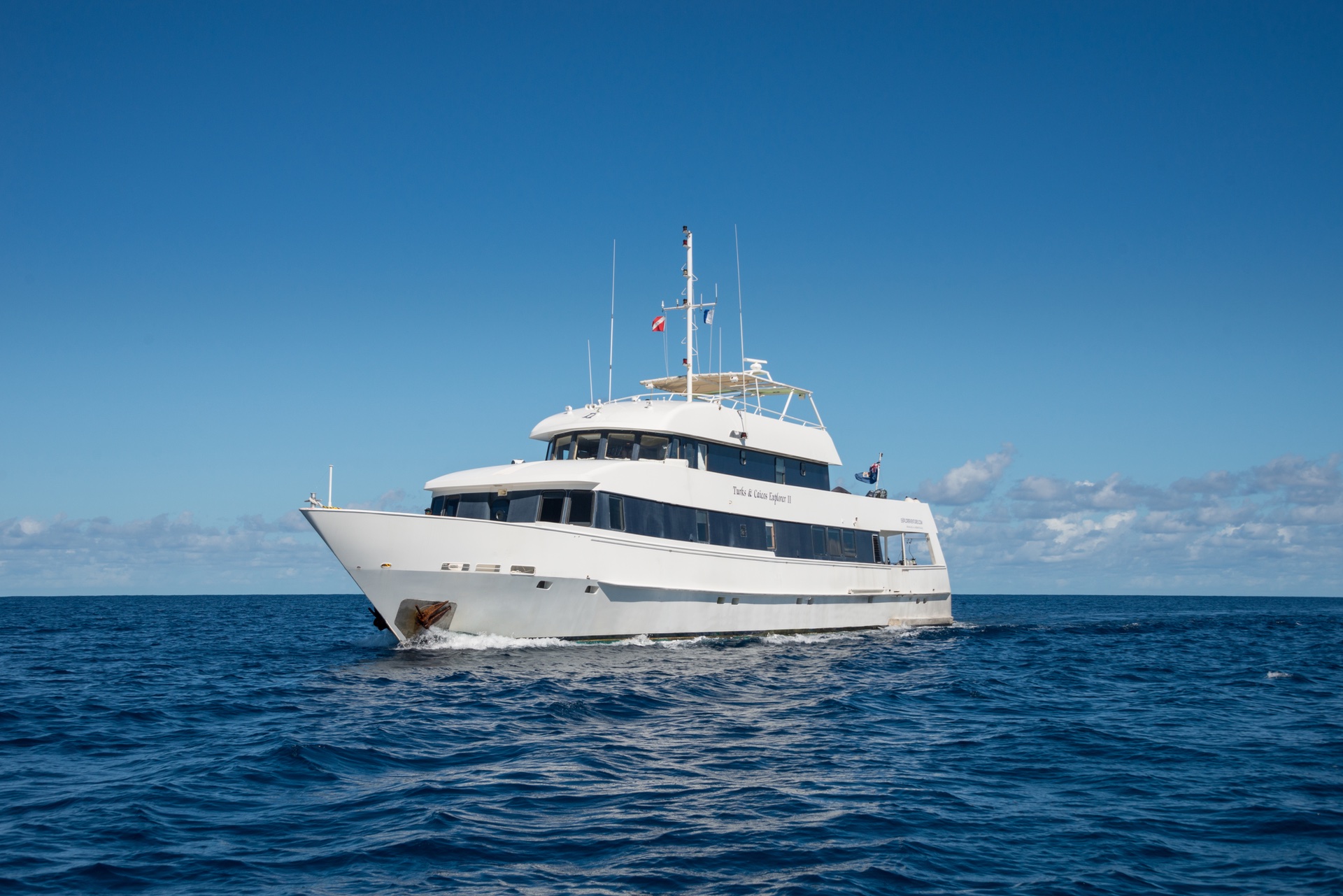
Turks and Caicos Explorer II
Turks & Caicos
20 guests
$249/day
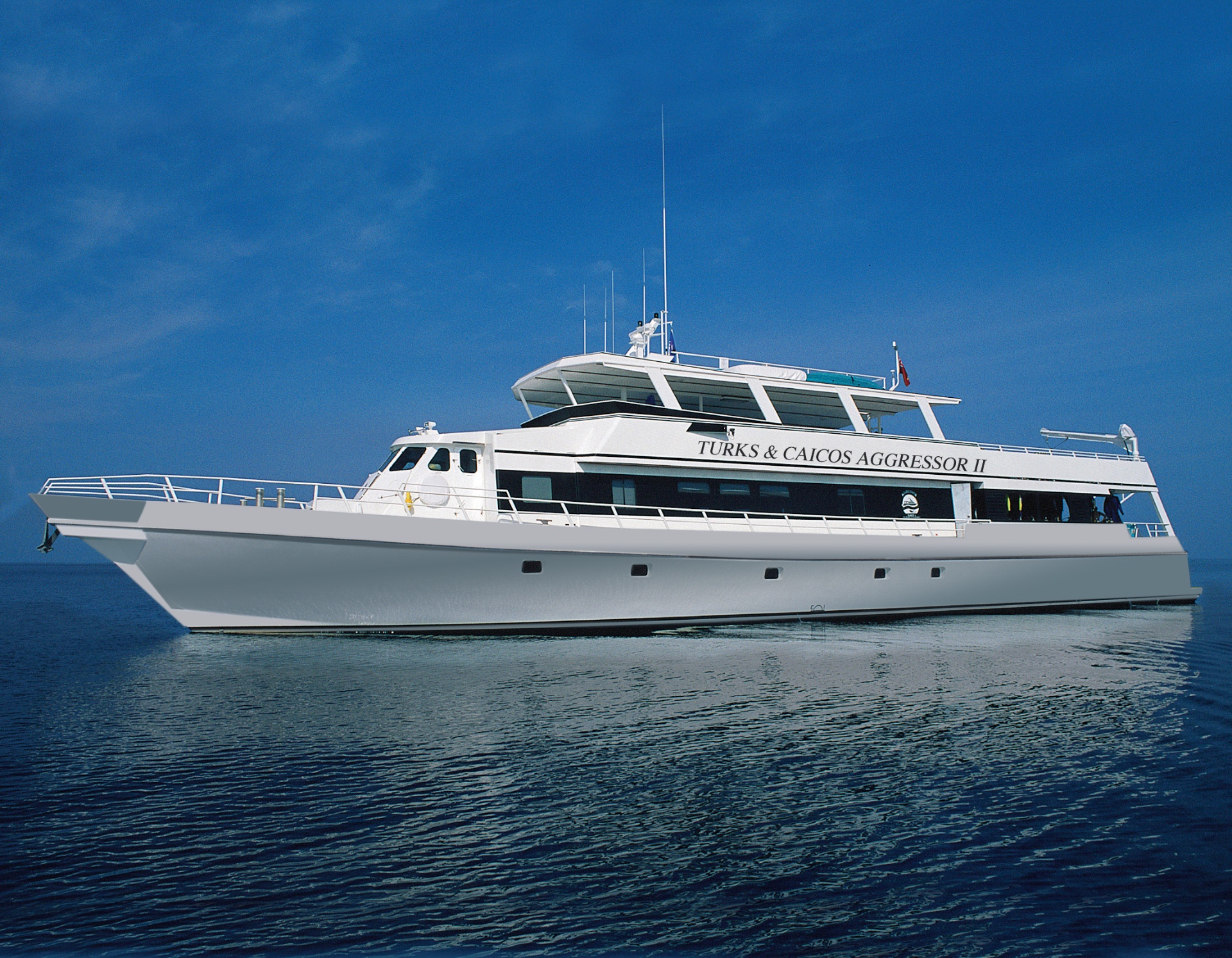
Turks & Caicos Aggressor II
Turks & Caicos
18 guests36.6 m
$287/day
Dive sites similar to Black Coral Forest
Same character, same waters — six more sites divers love for the exact same reasons.Compare seasons, access and liveaboard routes — then pick the site that fits your trip best.
© Esri — Maxar, Earthstar, GIS
Coral Gables
Turks & Caicos
Coral Gables is a popular dive site situated within Grace Bay, off Providenciales in the Turks & Caicos Islands.
- Suitable for
- Beginner
- Current
- Strong
- Access
- Liveaboard or dayboat
- Depth
- 10–25 m
- Theme
- Reef / Wall
Aquarium is a captivating dive site situated off the coast of Providenciales in the Turks and Caicos Islands, forming part of a diverse underwater landscape that includes reef and wall diving.
- Suitable for
- Beginner
- Current
- No current
- Access
- Liveaboard or dayboat
- Depth
- 14–46 m
- Theme
- Wall / Reef
© Esri — Maxar, Earthstar, GIS
Magic Mushroom
Turks & Caicos
Magic Mushroom is a captivating dive site situated off West Caicos, just north of the Yankee Town ruins.
- Suitable for
- Beginner
- Current
- Strong
- Access
- Shore / dayboat
- Depth
- 12–24 m
- Theme
- Wall
© Esri — Maxar, Earthstar, GIS
Thunderdome
Turks & Caicos
Thunderdome is an extraordinary dive site located at Northwest Point in Turks & Caicos, featuring a submerged metal dome structure with a fascinating origin story.
- Suitable for
- Beginner
- Current
- Mild
- Access
- Liveaboard or dayboat
- Depth
- 5–15 m
- Theme
- Wall
© Esri — Maxar, Earthstar, GIS
Elephant Ear Canyon
Turks & Caicos
Elephant Ear Canyon is a distinctive wall dive site situated off West Caicos in the Turks and Caicos Islands.
- Suitable for
- Intermediate
- Current
- Mild
- Access
- Liveaboard or dayboat
- Depth
- 10–95 m
- Theme
- Wall / Reef
© Esri — Maxar, Earthstar, GIS
Eagle Ray Pass
Turks & Caicos
Eagle Ray Pass is a notable dive site situated off Grace Bay in the Turks and Caicos Islands.
- Suitable for
- Intermediate
- Current
- Mild
- Access
- Liveaboard or dayboat
- Depth
- ≤ 30 m
- Theme
- Wall / Reef