About Shark Hotel
Shark Hotel is a renowned boat-accessed dive site located within a marine park in Sint Maarten, offering divers an exciting encounter with its resident shark population. The site features a varied topography of ledges, ridges, and sand channels that are home to exceptional aquatic life. While regular shark sightings are a highlight, the sandy areas frequently reveal stingrays and other reef inhabitants, making for a rich Caribbean diving experience. This destination is well-suited for divers who are comfortable with open-water conditions and wish to explore a deeper, guided reef environment. The reef structure, described around 18 meters (60 feet), provides ample opportunity for exploration. Despite the presence of strong currents on many days, the healthy coral and diverse marine ecosystem thrive here, supported by marine park protections. Diving at Shark Hotel offers a balanced experience of thrilling encounters and scenic reef exploration. It's a key site for experiencing the rich biodiversity of the Dutch side of Sint Maarten's underwater world, particularly within the Man of War Shoal Marine Park. Accessibility is via boat, typically utilizing marine-park moorings. The site's dynamic nature, with potential for drift, requires careful buoyancy control and planning, especially around its intricate ledges and channels. It is a consistently shark-heavy reef, cementing its reputation as a premier spot for shark encounters in the region. This makes it a compelling destination for those seeking exhilarating wildlife interactions alongside beautiful reef formations.
Highlights
Regular shark sightingsLedges, ridges, sand channelsCaribbean reef sharksMarine park mooring zoneStingrays and reef lifeHealthy coral formationsBoat access onlyModerate to strong currents
Season calendar
Best months to dive here
Jan
Feb
Mar
Apr
May
Jun
Jul
Aug
Sep
Oct
Nov
Dec
Good
Dive site facts: Shark Hotel
- Depth
- 18.3–18.6 m
- Typical dive
- 18 m
- Current
- Strong
- Visibility
- 15–30 m
- Water temperature
- 26–29 °C
- Entry
- Boat from marine-park mooring
- Level
- Intermediate
- Dive type
- Pinnacle reef, shark dive
- Region / port
- St. Maarten
- Coordinates
- 17.9897° N, 63.0566° W
Conditions & Currents
Shark Hotel is known for experiencing strong currents, necessitating careful dive planning and good current diving skills. Divers should anticipate potential drift, making precise buoyancy control around the ledges and channels crucial for safety. The site is accessed via marine-park moorings, and an experienced guide is essential to navigate the conditions effectively. Entry is typically simple from the boat, but divers must be prepared for dynamic water movement upon descent and throughout the dive. Visibility is generally good, often exceeding 15 meters, but strong currents can sometimes affect clarity depending on local conditions. Surface conditions can also vary, and divers should be mindful of boat traffic, as it is a popular spot.
Marine life & sighting chances
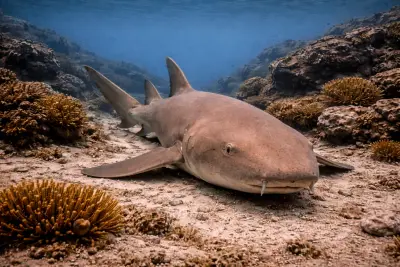
Nurse Shark
common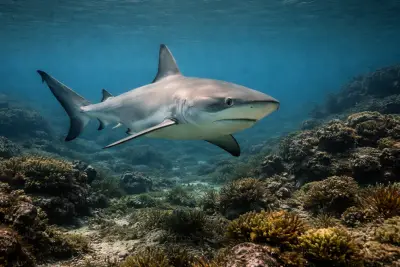
Caribbean Reef Shark
common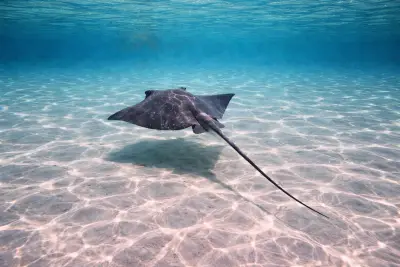
Stingrays
common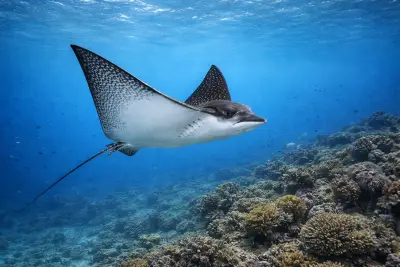
Eagle Ray
occasional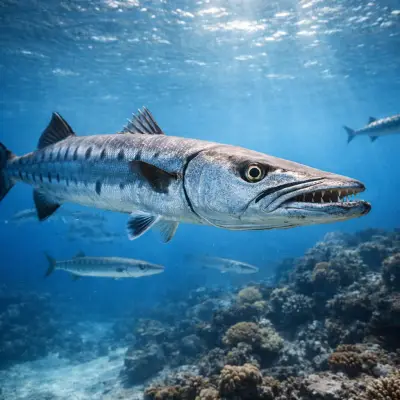
Barracuda
occasional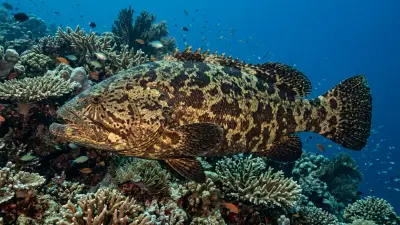
Grouper
occasional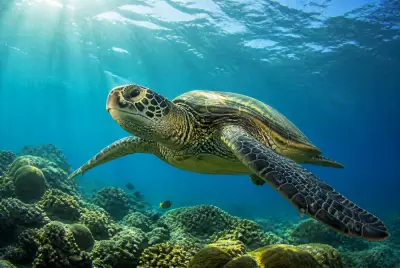
Turtles
occasional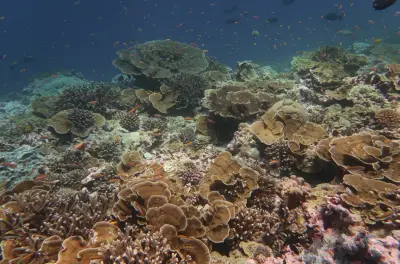
Reef Fish (various)
commonDive profile & how the dive runs
Diving at Shark Hotel begins with a simple boat entry, typically from a marine-park mooring. The dive follows the contours of the reef, which features prominent ledges, ridges, and sand channels. The profile primarily remains around 18 meters (60 feet), allowing for extended bottom time while exploring the intricate topography. Divers will navigate the reef, keeping an eye on the sand edges for stingrays and out in the blue for the resident sharks. Buoyancy control is paramount due to the varied formations and potential strong currents. The dive route often involves a gentle drift, guided by the dive leader, utilizing the current to explore different sections of the reef. The turn point is determined by air consumption and current conditions, leading back towards the mooring or a planned ascent point. The safety stop is conducted in the shallower sections of the reef or in the open water, depending on current strength and visibility, ensuring a safe ascent.
Underwater photography
Capturing the vibrant marine life and dramatic topography at Shark Hotel requires adaptability due to potential strong currents. For wide-angle shots of the ledges, ridges, and schooling fish, a fisheye or wide-angle lens is ideal. Be prepared for opportunities to photograph Caribbean reef sharks and nurse sharks, often requiring quick adjustments to settings. Strobes are beneficial to bring out the true colors of the healthy corals and reef life, especially in deeper sections or during cloudy conditions. For stingrays often found in sandy areas, a macro lens might capture intricate details. Excellent buoyancy control is essential to avoid disturbing the healthy coral and to maintain position against currents, ensuring sharp, well-composed images.
Combine with nearby dive sites
- Fish Bowl
A shallow marine-park reef known for dense fish life.
- HMS Proselyte
A historic wreck and artificial reef covered in corals.
- Cable Reef
A wreck-and-reef dive combination site.
- Lucy's Barge
A boat-access wreck and reef site.
- The Maze
A reef with interesting swim-throughs.
- Carib Ghost
A deeper wreck site, also known as Carib Cargo.
Getting there & logistics
Access to Shark Hotel is exclusively by boat, typically arranged through dive centers located in Dutch St. Maarten. The primary departure points are from marinas in areas like Simpson Bay. The island of St. Maarten is serviced by Princess Juliana International Airport (SXM), offering direct flights from various international locations. Dive trips are usually offered as part of multi-dive packages by local operators, often combining Shark Hotel with other nearby sites due to its offshore location. All divers are required to register with the marine park and obtain a dive tag, as the site falls within the Man of War Shoal Marine Park, which also entails an annual fee for private vessels. Trips are generally day excursions, with typical trip lengths varying from half-day to full-day depending on the number of dives and sites visited.
Safety & environment
Diving at Shark Hotel requires careful attention to safety protocols due to the presence of potentially strong currents. Divers should always dive with an experienced guide familiar with the site's conditions and ensure they possess adequate current diving skills. Maintaining excellent buoyancy is critical to prevent contact with the reef and manage movement in dynamic water. A recompression chamber is available on the island at St. Maarten Medical Center for any diving emergencies, and comprehensive dive insurance, such as that provided by DAN, is highly recommended to cover potential evacuation or treatment costs. Independent divers must register with the marine park and acquire a dive tag. It is crucial to stay hydrated, plan gas consumption conservatively, and conduct safety stops diligently, especially after dives in current.
Who it suits — and who it doesn't
Suited for
- Certified divers comfortable with current
- Intermediate to advanced divers
- Divers seeking shark encounters
- Underwater photographers
- Divers interested in vibrant reef ecosystems
Less suited for
- Beginner divers or those without current experience
- Divers uncomfortable with open-water movement
- Snorkelers
- Those seeking calm, sheltered conditions
FAQ
Shark Hotel FAQ
What kind of marine life can I expect to see at Shark Hotel?
Shark Hotel is renowned for its consistent shark sightings, particularly Caribbean reef sharks and nurse sharks. You can also frequently spot stingrays along the sandy channels, along with barracuda, grouper, various reef fish, and occasionally eagle rays and turtles, making for a rich marine biodiversity experience.
Is Shark Hotel suitable for beginner divers?
Shark Hotel is categorized as an intermediate dive site, primarily due to the potential for strong currents and the requirement for comfort with open-water movement. While not overly deep, it is best suited for certified divers who have some experience with current and can maintain good buoyancy control.
What is the typical depth and topography of Shark Hotel?
The typical diving depth at Shark Hotel ranges from 18.3 to 18.6 meters (around 60 feet). The site features an interesting topography of ledges, ridges, and sand channels, offering varied structures to explore and providing habitat for numerous marine species. It is characterized as a pinnacle reef.
Do I need to pay a marine park fee to dive at Shark Hotel?
Yes, Shark Hotel is located within the Man of War Shoal Marine Park, and all divers are required to register with the marine park and obtain a dive tag. If diving with a registered dive shop, these fees are often managed by the operator, but independent divers and private vessels need to ensure proper registration and payment.
What are the water temperatures like at Shark Hotel throughout the year?
Water temperatures at Shark Hotel are warm year-round, typically ranging from 26-29°C (79-85°F). During the cooler months of November to March, temperatures are around 25-27°C (77-80°F), while the warmer months from April to October see temperatures between 27-30°C (81-88°F), making for comfortable diving.
Why dive Shark Hotel from a liveaboard?
Shark Hotel is one of St. Maarten's signature dive sites. A liveaboard sleeps you on the water and puts you in the water for three to four guided dives per day, including dawn and night dives that day-boat operators rarely offer. You skip the daily commute back to port and reach quieter, less-crowded sites in the same region on a single trip.
Below are the liveaboards that include Shark Hotel on their St. Maarten itineraries.
Liveaboards diving Shark Hotel
These liveaboards may visit Shark Hotel on selected itineraries — the exact dive sites depend on departure, weather and conditions.
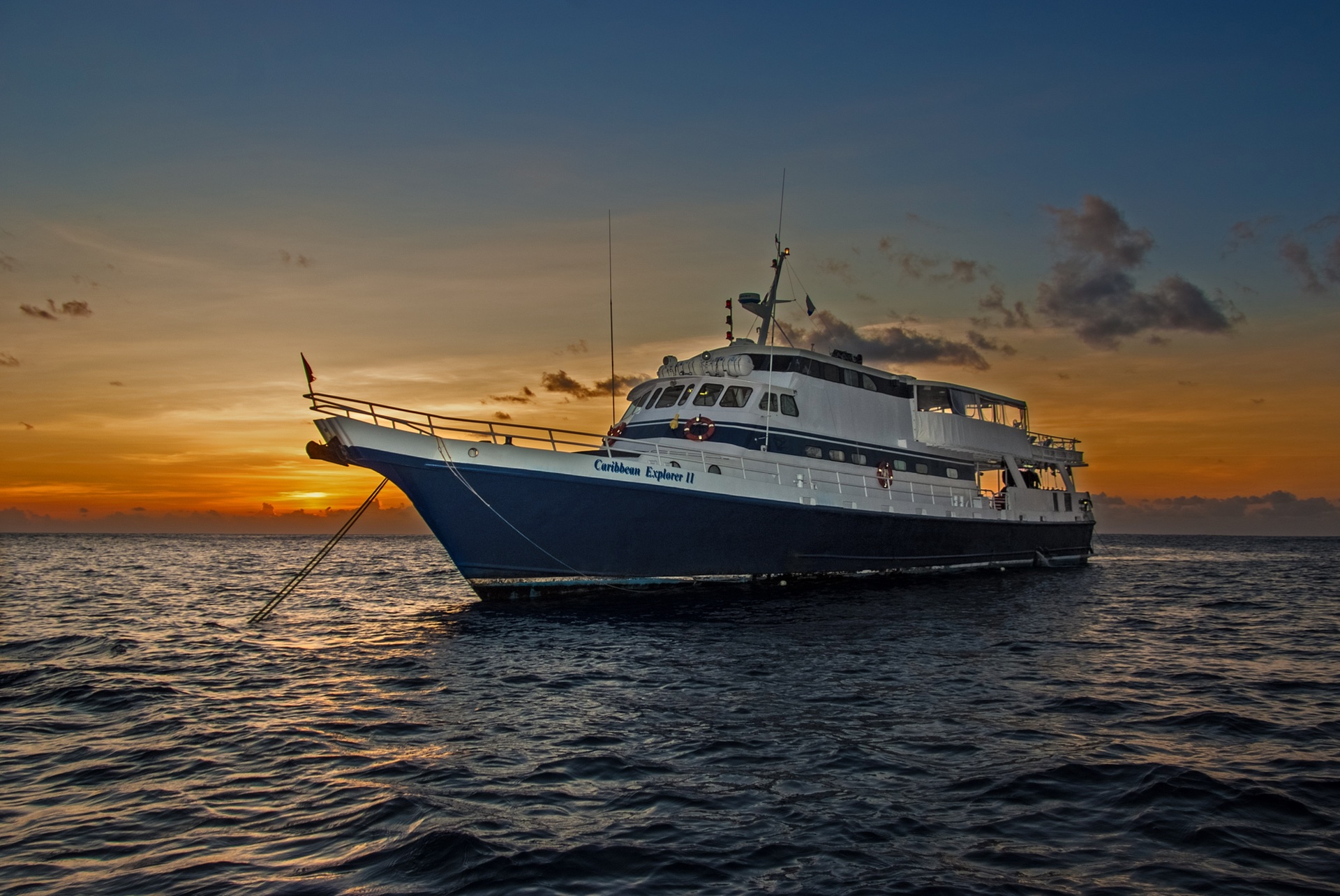
Caribbean Explorer II
St. Maarten
18 guests
$249/day
Dive sites similar to Shark Hotel
Same character, same waters — six more sites divers love for the exact same reasons.Compare seasons, access and liveaboard routes — then pick the site that fits your trip best.
© Esri — Maxar, Earthstar, GIS
Proselyte Reef
St. Maarten
Proselyte Reef, located off the south coast of Sint Maarten near Philipsburg, is the island's most renowned dive site.
- Suitable for
- Beginner
- Current
- Mild
- Access
- Liveaboard or dayboat
- Depth
- ≤ 15 m
- Theme
- Reef
© Esri — Maxar, Earthstar, GIS
Little Bay
St. Maarten
Little Bay, situated in St. Maarten, offers an easily accessible dive and snorkel site, distinguishing itself with a unique underwater sculpture park located directly off the beach.
- Suitable for
- Beginner
- Current
- No current
- Access
- Shore / dayboat
- Depth
- 6–6 m
- Theme
- Reef
La Renee is a deep, open-water wreck situated off the coast of Saint Martin, accessible only by boat.
- Suitable for
- Advanced
- Current
- Moderate
- Access
- Liveaboard or dayboat
- Depth
- 40–40 m
- Theme
- Reef
Big Momma is a natural coral reef system located within the protected Man of War Shoal Marine Park in St. Maarten, known for its extensive coral formations surrounding a sandy seabed.
- Suitable for
- Beginner
- Current
- Mild
- Access
- Liveaboard or dayboat
- Depth
- 12–50 m
- Theme
- Reef
© Esri — Maxar, Earthstar, GIS
Carib Ghost
St. Maarten
The Carib Ghost, also known as Carib Cargo or RORO, is a prominent wreck dive site in St. Maarten, situated off Philipsburg.
- Suitable for
- Beginner
- Current
- Mild
- Access
- Liveaboard or dayboat
- Depth
- 26–26 m
- Theme
- Reef
© Esri — Maxar, Earthstar, GIS
Basse Espagnole
St. Maarten
Located in the Réserve Naturelle de St. Martin on the French side of the island, Basse Espagnole is celebrated for its thriving coral life and preserved marine environment.
- Suitable for
- Beginner
- Current
- Mild
- Access
- Liveaboard or dayboat
- Depth
- ≤ 18 m
- Theme
- Reef