St. Maarten Liveaboard Diving

Liveaboards in St. Maarten

from $162 / day

1 of 1 · St. Maarten liveaboard routes, seasons & prices

Caribbean Explorer II

Premier bespoke dive voyages of Saba and St Kitts featuring specialized camera support, inclusive drinks, and world-class hospitality.

  • TV Viewing Space
  • Air-Conditioned Indoor Lounge
  • Collection of Films and Music

4.5(20 reviews)

18 guestsfrom $162/day

Diving in the Caribbean: wrecks, walls and nurse sharks

Straddling two nations, St. Maarten offers a unique Caribbean canvas where European culture meets exceptional wreck and reef diving. For divers, the true appeal lies beneath the surface, where a dense collection of historical and purpose-sunk wrecks provides a playground unlike any other in the region. A St. Maarten liveaboard elevates this experience, providing the only platform to seamlessly explore not only the island's premier sites but also the legendary volcanic pinnacles of neighboring Saba, creating a comprehensive Northeastern Caribbean itinerary. This combination of accessibility and diverse underwater topography is what sets the destination apart for discerning divers.

The quality of St. Maarten diving is defined by this variety. Divers can explore the storied remains of the HMS Proselyte, a British frigate sunk in 1801, now an artificial reef patrolled by large barracuda and jacks. Nearby, the protected Man of War Shoal Marine Park contains some of the best dive sites St. Maarten has, including purpose-sunk wrecks that act as magnets for marine life. Encounters with resident Caribbean reef sharks, graceful spotted eagle rays, and green sea turtles are common, while the structures themselves are encrusted with vibrant corals and sponges, attracting immense schools of fish.

The prime diving season runs from December through May, coinciding with the dry season and offering the calmest sea conditions and consistently excellent visibility, often exceeding 30 meters (100 feet). Water temperatures remain a comfortable 26-29°C (79-84°F) year-round, making it an ideal destination for divers seeking warm, clear Caribbean waters without the crowds of more frequented locales. This makes planning a trip straightforward, with a wide window for optimal conditions.

This destination is perfectly suited for wreck enthusiasts and underwater photographers who appreciate clear conditions and dramatic subjects. While the diving is accessible to all certified divers, the sheer diversity of sites, from deep historic wrecks to dynamic reef systems, is best appreciated by those with some experience. A liveaboard journey here is for the discerning diver looking to maximize their time underwater and explore a wider, more exclusive range of the Caribbean's most compelling sites in ultimate comfort and efficiency.

Why dive a liveaboard in St. Maarten

From legendary wrecks and thriving reefs to close-up encounters with iconic marine life, this destination offers the experiences divers dream about. Warm, clear waters and well-organized liveaboard routes make it easy to explore the best sites. These are the highlights that keep divers coming back year after year.

Historic wrecks

Explore the HMS Proselyte (1801) and other fascinating wrecks turned artificial reefs

Two nations, one island

Experience the unique Dutch-French culture blend with diverse cuisine and lifestyle

Night diving

Spectacular nocturnal reef life with bioluminescence and unique night hunters

Easy access sites

All dive sites within 5-15 minutes from shore with excellent facilities

Who a liveaboard in the Caribbean suits — and who it doesn't

A compact Caribbean destination built on artificial reefs and shipwrecks in shallow, warm water.

Beginners

Open Water, from about 20 dives

Shallow reefs and the Marine Park sites around Simpson Bay sit in 10 to 20 metres with mild conditions and short boat rides.

Matching areas:Simpson BayMan of War ShoalProselyte Reef

Advanced divers

Advanced, wreck dives

The Gregory sits at around 25 metres and other scuttled hulls in the Man of War Shoal Marine Park run past 20 metres with occasional current.

Matching areas:The GregoryMan of War ShoalTugboat Annie

Deep and technical

Deep, Nitrox; small technical scene

The deeper wrecks and the Proselyte remains give structure past recreational depth, but this is a small island with a limited technical operator base.

Matching areas:The GregoryFu ShengCarib Cargo

Photo and video

Wide-angle on wrecks, macro on the reef

Wreck silhouettes in clear water, plus turtles, nurse sharks and seahorses on the shallow reefs.

Matching areas:Proselyte ReefTugboat AnnieSimpson Bay

Best time to dive in St. Maarten

St. Maarten offers excellent liveaboard diving conditions year-round, with water temperatures consistently between 26-29°C. The peak season from January to June brings the calmest seas, visibility often exceeding 30 meters, and migrating humpback whales from January to April. While the summer and fall months have warmer water, they also coincide with the August to November hurricane season, though trips still operate in safe weather windows and often at better rates.

👆 Click any month for detailed conditions
Excellent
Good
Off-Season

Apr-Jul

Calmest seas, best visibility up to 32m, warm water

Dec-Mar, Nov

Good conditions overall with pleasant temperatures

Aug-Oct

Hurricane season—still diveable but weather can be unpredictable

Underwater visibility

34m
(112ft)
27m
(89ft)
20m
(66ft)
Jan
Feb
Mar
Apr
May
Jun
Jul
Aug
Sep
Oct
Nov
Dec

Air & water temperature

33°C 29°C 24°C
26°
27°
26°
27°
26°
28°
27°
29°
27°
30°
28°
31°
28°
31°
29°
31°
29°
31°
28°
30°
27°
29°
27°
28°
Jan
Feb
Mar
Apr
May
Jun
Jul
Aug
Sep
Oct
Nov
Dec
Water
Air (Day)

Recommended wetsuit

5mm
5mm
5mm
3mm
3mm
3mm
3mm
3mm
3mm
3mm
3mm
3mm
Jan
Feb
Mar
Apr
May
Jun
Jul
Aug
Sep
Oct
Nov
Dec
3mm (warm)
5mm (moderate)
Wetsuit Guide

What you'll see diving in the Caribbean

Divers in St. Maarten and the surrounding islands can expect a rich variety of Caribbean marine life. Encounters with green and hawksbill turtles, nurse sharks, and stingrays are common on the reefs and wrecks year-round. Depending on the season, you may see spotted eagle rays between January and May or migrating humpback whales from January to April. The vibrant reefs and purpose-sunk wrecks also attract large barracuda, schools of fish, and Caribbean reef sharks.

When to See What

Use this calendar as a guide: the highlighted months show when your chances are usually best. Wildlife follows its own rhythm, so sightings are never guaranteed — but we hope this makes planning a little easier. The cooler months bring exciting encounters with larger marine life to the waters around St. Maarten and Saba. Humpback whales migrate through the area from January to April, while chances of seeing Caribbean reef sharks and spotted eagle rays are highest from December through May.

Species
Jan
Feb
Mar
Apr
May
Jun
Jul
Aug
Sep
Oct
Nov
Dec
Nurse Shark
Nurse Shark
Green Turtle
Green Turtle
Eagle Ray
Eagle Ray
Sennet
Sennet
Jellyfish
Jellyfish
Gorgonian
Gorgonian
Silky Shark
Silky Shark
Numbfish
Numbfish
Painted Tunicate
Painted Tunicate
Pilotfish
Pilotfish
Porkfish
Porkfish
Purple Tunicate
Purple Tunicate
Remora
Remora
Sandbar Shark
Sandbar Shark
Scad
Scad
Peak Season
Present
Rare/Absent

HMS Proselyte and Tug Boat Annie: the best dive sites in St. Maarten

St. Maarten's signature dives are a mix of historic and purpose-sunk wrecks, best explored by boat. The HMS Proselyte, a British frigate sunk in 1801, now serves as an artificial reef in the Man of War Shoal Marine Park, patrolled by barracuda. Liveaboards are essential for reaching the deeper Fuh Sheng and Carib Cargo wrecks, as well as for traveling to the legendary volcanic pinnacles of the Saba Marine Park on a comprehensive itinerary.

1

Shark Hotel

ReefIntermediate
318m / 1059ftBest: November–May17.9897°, -63.0566°

Shark Hotel is a renowned boat-accessed dive site located within a marine park in Sint Maarten, offering divers an exciting encounter with its resident shark population. The site features a varied topography of ledges, ridges, and sand channels that are home to exceptional aquatic life. While regular shark sightings are a highlight, the sandy areas frequently reveal stingrays and other reef inhabitants, making for a rich Caribbean diving experience. This destination is well-suited for divers who are comfortable with open-water conditions and wish to explore a deeper, guided reef environment. The reef structure, described around 18 meters (60 feet), provides ample opportunity for exploration. Despite the presence of strong currents on many days, the healthy coral and diverse marine ecosystem thrive here, supported by marine park protections. Diving at Shark Hotel offers a balanced experience of thrilling encounters and scenic reef exploration. It's a key site for experiencing the rich biodiversity of the Dutch side of Sint Maarten's underwater world, particularly within the Man of War Shoal Marine Park. Accessibility is via boat, typically utilizing marine-park moorings. The site's dynamic nature, with potential for drift, requires careful buoyancy control and planning, especially around its intricate ledges and channels. It is a consistently shark-heavy reef, cementing its reputation as a premier spot for shark encounters in the region. This makes it a compelling destination for those seeking exhilarating wildlife interactions alongside beautiful reef formations.

Regular shark sightingsLedges, ridges, sand channelsCaribbean reef sharksMarine park mooring zoneStingrays and reef lifeHealthy coral formationsBoat access onlyModerate to strong currents
2

Little Bay

ReefBeginner
66m / 2020ftBest: Little Bay is an excellent dive destin…17.9998°, -63.0748°

Little Bay, situated in St. Maarten, offers an easily accessible dive and snorkel site, distinguishing itself with a unique underwater sculpture park located directly off the beach. The site features a designated trail leading to a 'sea museum' adorned with statues, which are complemented by various coral-encrusted objects and small wrecks like a submarine and a helicopter. The topography is characterized by its very shallow depth profile, ranging from 0 to 6 meters, making it an ideal location for beginners and snorkelers. The calm, sheltered conditions within the bay ensure a relaxed environment for exploration. Beyond the sculpture trail, divers can also find Boulder Brain Corals and Maze Corals scattered across the rocky seafloor, particularly along the left side of the bay near the shore and extending towards the point. Marine life at Little Bay is varied despite its shallow nature, with frequent sightings of green turtles, octopuses, and Southern Stingrays. The seagrass beds are often frequented by stingrays, and schools of sergeant majors are abundant, especially around the Tiki Hut platform. The site's year-round warmth and protected status contribute to a consistent presence of species. Diving here typically involves an easy shore entry, or via ladders from the Tiki Hut platform, following a marked trail around the sculptures and natural rock formations. The shallow depth requires careful buoyancy control to avoid disturbing the environment, but it also allows for extended bottom times and a leisurely pace, focusing on macro life and the unique artistic installations.

Underwater sculpture parkShallow, calm bayShore accessible siteBeginner-friendly depthsGreen turtles and raysCoral-encrusted wrecksYear-round divingDesignated snorkel trail
3

La Renee

WreckAdvanced
4040m / 131131ftBest: December–May18.0656°, -63.0988°

La Renee is a deep, open-water wreck situated off the coast of Saint Martin, accessible only by boat. It offers a challenging dive profile suited for experienced scuba divers, descending to a reported depth of 45 meters on a sandy bottom. The wreck hosts exceptional marine biodiversity and strong coral growth, attracting a variety of pelagic species around its hull. This dive site is located on the French side of the island, within the waters of French St. Martin, as opposed to many shallower sites found in Dutch St. Maarten. It stands out as one of the deeper wreck dives in the region. The topography of the site is characterized by the wreck itself, which rests at approximately 45 meters, providing a substantial structure for marine colonization. The surrounding bottom is sandy, contrasting with the vibrant life on the wreck. Conditions generally involve open-water exposure, requiring good gas planning and conservative ascent strategies due to the depth. Marine life at La Renee is notably diverse, with frequent sightings of barracudas, eagle rays, and green turtles. The strong reef life and pelagic activity contribute to an exceptional variety of aquatic species around the wreck throughout the year, with a 'best season' extending from December to May. Coral health is reported as excellent on the wreck, enhancing its appeal as a vibrant artificial reef. Diving La Renee necessitates advanced skills due to its depth and open-water nature. Divers typically undertake a guided offshore wreck dive, emphasizing disciplined ascent planning and comfort with boat entries. Visibility averages around 11 meters, and while currents are generally light, the deep profile and overhead environment of the wreck classify it as an expert-level dive. Snorkeling and freediving are not suitable activities for this site.

Deep offshore wreckFrench St. Martin locationLarge pelagic lifeThriving coral growthAdvanced dive profileSandy bottomOpen-water exposure
4

Big Momma

ReefBeginner
1250m / 39164ftBest: November–May, June–July18.0167°, -63.0833°

Big Momma is a natural coral reef system located within the protected Man of War Shoal Marine Park in St. Maarten, known for its extensive coral formations surrounding a sandy seabed. This site is particularly renowned for its shark encounters, primarily Caribbean reef sharks, making it a distinctive destination for divers. Its unique topography features two large coral arches that divers can navigate through, adding an adventurous element to the exploration. The reef system supports a rich diversity of marine life, thriving in waters with excellent visibility. While sharks are a primary draw, the site also hosts a variety of large fish species, including groupers and barracudas, alongside numerous smaller reef inhabitants such as parrotfish, squirrelfish, and shrimp that find refuge within the elkhorn coral. With an average depth of 40 feet (12 meters) and generally weak currents, Big Momma is accessible to divers of all experience levels, including beginners. Dive operations often include experienced guides to ensure safety and enhance the shark diving experience. The site's proximity to other popular dive locations makes it a convenient addition to any St. Maarten diving itinerary.

Shark diving encountersCaribbean reef sharksLarge coral archesSandy expanse, coral reefsMan of War Shoal Marine ParkAccessible for all levelsElkhorn coral formations

Bucket-list dives worth booking early

The quintessential St. Maarten diving experience combines wreck exploration with vibrant reef life. A key highlight is diving the historic HMS Proselyte, a British frigate from 1801, now encrusted with coral in the Man of War Shoal Marine Park. Exploring the purposefully sunk artificial reefs like the Tug Boat Annie offers incredible photo opportunities in clear water. For liveaboard divers, the journey is defined by reaching the volcanic pinnacles of the Saba Marine Park.

Underwater view of the dive site HMS Proselyte Wreck in St. Maarten
1
Year-round

Great Bay

Dive the historic HMS Proselyte, a British frigate that sank in 1801, now an artificial reef teeming with Caribbean marine life at diveable depths.

Read more
Underwater view of the dive site Reef Shark Encounters in St. Maarten
2
Year-round

Simpson Bay

Encounter Caribbean reef sharks, nurse sharks, and spotted eagle rays on the vibrant reefs surrounding this dual-nation island.

Read more
Underwater view of the dive site Bridge & Tugboat Wrecks in St. Maarten
3
Year-round

Simpson Bay

Explore the famous Bridge wreck and tugboat, colorful artificial reefs perfect for underwater photography in crystal-clear Caribbean waters.

Read more

Above water: climate, shore trips and extra costs

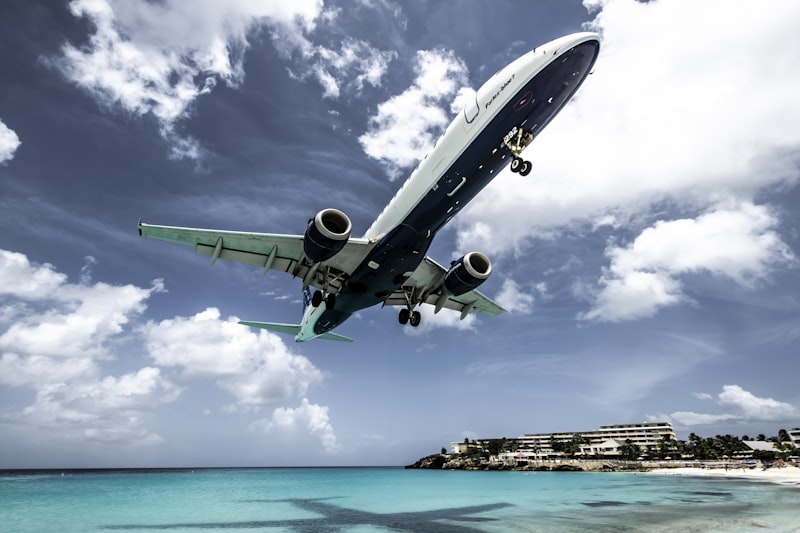
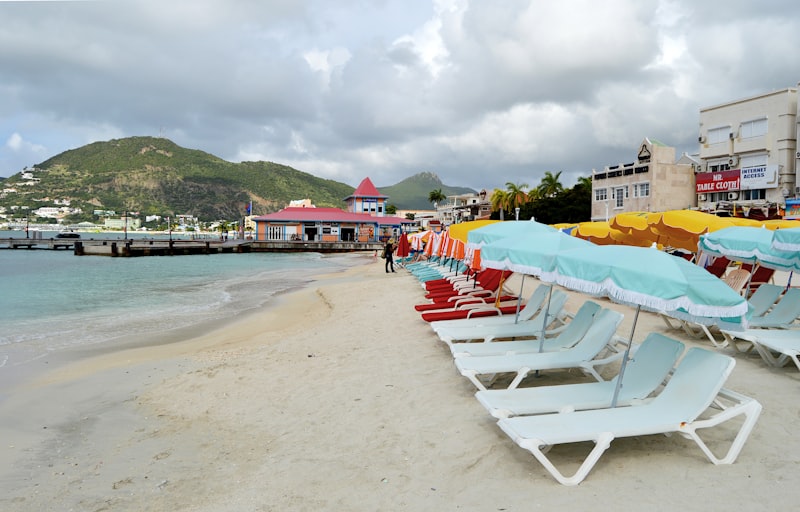
Ashore, St. Maarten’s dual-nation character offers a unique cultural blend of Dutch and French influences. Visitors can explore the duty-free shops along the Philipsburg Boardwalk or browse the open-air Marigot French Market. For a truly iconic experience, head to Maho Beach to watch large planes land just meters above the sand. Relaxing on Orient Bay beach or hiking to Pic Paradis provides a perfect complement to your dive trip.

Maho Beach Plane Spotting

Maho Beach Plane Spotting

Watch planes land just meters above your head at the world-famous Maho Beach, right next to Princess Juliana Airport. An iconic Caribbean experience.

Marigot French Market

Marigot French Market

Explore the charming French-side capital with its open-air market, Creole cuisine, boutique shopping, and waterfront dining along the harbor.

Orient Bay Beach

Orient Bay Beach

The 'French Riviera of the Caribbean'—a stunning long white sand beach with watersports, beach clubs, and crystal-clear turquoise water.

Philipsburg Boardwalk

Philipsburg Boardwalk

Stroll along the revitalized Great Bay Boardwalk in the Dutch capital with duty-free shopping, restaurants, and views of cruise ships in the harbor.

What a liveaboard in St. Maarten costs

The calendar below shows how liveaboard prices shift month by month, so you can see exactly when your money goes furthest. We want every diver to get the best possible value, which is why we highlight the seasons that balance great conditions with the fairest rates.

Liveaboard diving from St. Maarten is positioned in the mid-range for Caribbean destinations, offering excellent value for reaching uncrowded sites in Saba and St. Kitts. A week on the Caribbean Explorer II typically costs between $250 and $350 per night. Prices fluctuate with the seasons, with the peak diving months from January to June commanding higher rates, while trips during the summer and fall may offer better value.

$162–$162

per day liveaboard

$68–$114

per 2-tank dive trip

$114–$398

hotel per night

Prices reflect typical costs for mid-range to premium options. Budget alternatives may be available.

Getting to Philipsburg: flights and transfers

Reaching your liveaboard is straightforward via Princess Juliana International Airport (SXM), famous for its dramatic landings at Maho Beach. The airport receives direct flights from major hubs in North America and Europe, including Miami, New York, Amsterdam, and Paris. Taxis are available for the short transfer to the marina, usually under 20 minutes. Note that the Dutch and French sides of the island have separate entry requirements, though many nationalities can enter visa-free.

Insider tips

🍽️

The French side (Saint-Martin) often has better restaurant value than the Dutch side

🤿

Book multi-dive packages for significant savings over single-dive rates

🏨

Visit during shoulder season (May-June) for 30-50% lower hotel rates

🍽️

Eat at local lolos (BBQ grills) on the French side for meals under €8

🚗

Rent a car to explore both sides — taxis can be expensive for frequent trips

🛍️

Shop duty-free on the Dutch side for electronics and liquor

🏨

Stay in guesthouses or Airbnbs instead of large resorts for better rates

💡

Take advantage of free public beaches — Orient Bay and Maho Beach are stunning

Getting there

Princess Juliana International Airport

Philipsburg, St. MaartenSXM

Direct flights from Miami, New York (JFK), Atlanta, Toronto, Amsterdam, and Paris. Famous for dramatic beach-side landings at Maho Beach.

Entry requirements

The Dutch side (Sint Maarten) and French side (Saint-Martin) have separate entry requirements. US, Canadian, UK, and EU citizens generally do not need a visa for stays up to 90 days. A valid passport is required.

This information is provided without guarantee. Check official sources for both Dutch and French sides before traveling.

Official Immigration Information →

Frequently asked questions about St. Maarten liveaboards

When is the best time to dive in St. Maarten?
Diving conditions in St. Maarten change throughout the year. Check our month-by-month best-time-to-dive guides to plan around peak visibility, weather and marine life encounters.
Do I need a liveaboard to dive in St. Maarten?
A liveaboard gives you access to remote dive sites in St. Maarten that day boats cannot reach, plus 3–5 dives per day in maximum comfort. For the best dives in St. Maarten, a liveaboard is the recommended choice.
What certification do I need to dive in St. Maarten?
Most St. Maarten liveaboards require Open Water as a minimum, with Advanced Open Water and 30+ logged dives recommended for currents and deeper sites. Some expert routes require Tech or 100+ dives.
How much does a St. Maarten liveaboard cost?
Liveaboard prices in St. Maarten typically range from €1,500 to €6,000+ per week depending on vessel category, route length and season. Browse the boats below for live pricing.
Do I need a visa for St. Maarten?
Visa requirements vary by your nationality. Always check the latest entry rules with the destination's official government source before booking flights.
Is diving in St. Maarten safe for beginners?
Many St. Maarten sites are beginner-friendly, but some routes feature strong currents or deep walls suited only to experienced divers. Check each vessel's recommended experience level.

St. Maarten compared with other liveaboard destinations

Honest, in-depth comparisons to help you decide between destinations, certifications, equipment and dive styles.

Liveaboard vs Land-Based Diving: Which Trip Is Right for You?

Choosing between a liveaboard and a land-based dive trip is the most fundamental decision divers face when planning a serious diving holiday. The right answer depends on your priorities: maximum dive count and access to remote sites favor liveaboards; beach time, family flexibility and lower cost favor land-based resorts. Both formats have evolved significantly in the last decade, and the line between them has blurred — luxury dive resorts now offer multi-day expedition trips, while many liveaboards include topside excursions and even spa days. This guide compares the two formats across every meaningful dimension: cost per day, dives per day, marine life access, comfort, social dynamics, family-friendliness, and travel logistics. We'll also cover the hybrid models (resort + day-charter, or 'safari boat' itineraries) that try to capture the best of both worlds. If you're certified, in love with diving and want to maximize bottom time, a liveaboard is almost always the better choice — you can clock 25+ dives in a week and reach sites no day boat can. If you're traveling with non-divers, prefer land-based comfort, or want flexibility to take days off, a resort wins. We'll get into all the nuances below.

Read comparison

Beyond the Limits: Recreational vs. Technical Diving Explained

Scuba diving opens up a breathtaking world hidden just beneath the surface, an activity enjoyed by millions globally. For the vast majority, this means recreational diving. Governed by agencies like PADI and SSI, recreational diving is defined by its limits: no deeper than 40 meters (130 feet), always having a direct path to the surface, and staying within no-decompression limits. This framework allows divers to explore vibrant coral reefs, shipwrecks, and kelp forests with relatively simple equipment and training, focusing on enjoyment and safety within a well-established comfort zone. On the other end of the spectrum lies technical (or tec) diving. Often seen as the 'extreme sport' of the scuba world, tec diving is explicitly about going beyond recreational limits. This means diving deeper than 40 meters, planning for mandatory decompression stops on ascent, or penetrating far into overhead environments like caves or complex wrecks. Agencies such as Technical Diving International (TDI), Global Underwater Explorers (GUE), and PADI's TecRec arm provide the highly specialized training required for these demanding dives. The fundamental difference is one of philosophy. Recreational diving prioritizes risk avoidance by staying within strict, pre-defined boundaries. Technical diving, in contrast, is about risk mitigation. Tec divers intentionally plan to enter situations that would be emergencies for recreational divers, but they do so with extensive training, meticulous planning, redundant equipment systems, and specialized breathing gases. It's a calculated approach to exploring environments that are otherwise inaccessible. This distinction isn't just about numbers and gear; it’s about mindset and motivation. While a recreational diver might be thrilled by the colorful reefs of the Red Sea, a technical diver might be drawn to the challenge of exploring a deep, historic wreck like the Britannic off the coast of Greece. Understanding the differences in limits, equipment, training, and risk is crucial for any diver considering where their underwater journey might lead next.

Read comparison
Plan your trip

Ready to dive?

Explore our expedition vessels and find your perfect trip to St. Maarten