About HMS Proselyte
HMS Proselyte is a historic wreck site located just outside Philipsburg, within the protected Man of War Shoal Marine Park in St. Maarten. This 32-gun frigate, built in 1770, sank in 1801 after striking the shoal on its journey from St. Kitts to St. Martin. The site is a poignant reminder of maritime history, with remnants now serving as an integral part of the natural reef system. While the wooden structure of the ship has long since disintegrated, divers can explore numerous cannons and three large anchors, which the crew jettisoned in a desperate attempt to save the vessel. These historical artifacts are now heavily encrusted with vibrant hard corals and sponges, seamlessly blending into the surrounding reef. The dive typically unfolds by dropping onto sand beneath the boat, then exploring the colorful ridges, channels, and structures formed by old lava flows, with the wreck pieces scattered throughout. The site attracts a rich diversity of marine life, including various reef fish, turtles, stingrays, and barracuda. Look closely to spot tiny arrow crabs creeping across the corals or a patiently waiting barracuda near a cleaning station. The coral formations themselves are a riot of color, with encrusting sponges painting the walls in shades of orange, ruby-red, pastel pink, and purple, alongside bright orange cup corals in shaded overhangs. This site is accessible by boat and is considered suitable for beginners, with depths typically around 18 meters (60 feet). Currents are generally mild, making for a relaxed and exploratory dive experience, often part of a two-tank morning outing. St. Maarten's dive sites are known for their accessibility and rich marine life, making it an excellent destination for divers of all skill levels.
Highlights
Three enormous historical anchorsOver a dozen scattered cannonsVibrant encrusting spongesDiverse coral formationsRegular turtle sightingsResident barracuda
Best Season
Diving in St. Maarten is enjoyable year-round due to consistently warm water temperatures and good visibility. The period from November to May is particularly recommended, offering the driest weather and increased chances to see larger marine life like whales and sharks.
Dive site facts: HMS Proselyte
- Depth
- 6–18 m
- Typical dive
- 10–18 m, 50–60 min
- Current
- Minimal
- Visibility
- 20–25 m
- Entry
- Boat
- Level
- Open Water Diver
- Dive type
- Wreck, reef, history
- Night dive
- Possible
- Region / port
- Philipsburg, St. Maarten
- Coordinates
- 17.9896, -63.05874
Conditions & Currents
Currents at HMS Proselyte are generally slight, with divers often sheltering behind reef ridges. The entry is typically from a boat, and conditions are usually calm, making it suitable for less experienced divers. Boat traffic is managed by dive operators, ensuring a safe experience.
Marine life & sighting chances

French grunt
common
Sergeant Major
common
Trumpetfish
common
Southern Stingray
common
Green Moray Eel
common
Lobster
common
Barracuda
common
French Angelfish
common
Nurse Shark
occasional
Octopus
occasional
Squid
occasional
Queen Angelfish
common
Basket Star
occasionalDive profile & how the dive runs
Your dive at HMS Proselyte begins with a descent along the mooring line to the reef, typically at around 14 meters. From there, you will explore a scattered array of historical artifacts from the 1770s frigate, including numerous cannons, anchors, and ballast bars. The wreck debris is integrated into a vibrant coral reef, with maximum depths reaching 18 meters. You can spend time identifying large 12-pounder cannons, some of which are home to green moray eels. The dive typically involves navigating across the reef, examining various remains that are now encrusted with marine life. Towards the end of the dive, you will gradually ascend to shallower sections of the reef, ensuring a safety stop at 5 meters before returning to the surface.
Underwater photography
HMS Proselyte offers excellent photographic opportunities, blending historical artifacts with abundant marine life. For wide-angle shots, a fisheye or wide rectilinear lens is ideal to capture the expansive wreck debris, particularly the cannons and anchors, within their reef environment. The excellent visibility often allows for impressive ambient light photography. For macro enthusiasts, a macro lens is perfect for detailing the smaller creatures inhabiting the corals and wreck structure, such as lobsters, French grunts, and anemone shrimp. Consider bringing a focus light for night dives to capture nocturnal species like octopus and hunting squid. Buoyancy control is paramount to avoid disturbing the fragile coral and stirring up sediment around the historical remains. Be respectful of the site's historical significance and marine life.
Combine with nearby dive sites
Getting there & logistics
Access to HMS Proselyte is typically via short boat trips from Philipsburg or Simpson Bay, taking approximately 15 minutes. St. Maarten's main airport, Princess Juliana International Airport (SXM), provides international connections. Dive operators on the island offer daily excursions to this site, often combining it with other nearby reef or wreck dives in the Man of War Shoal Marine Park. While there are no specific permits required for individual divers, the site is within a protected area. Typical dive trips include two dives and last a half-day. It is advisable to book in advance, especially during peak season, and confirm weather-dependent site choices with your dive center.
Safety & environment
For diving HMS Proselyte, ensure you have appropriate dive insurance that covers emergency medical treatment and evacuation. The nearest recompression chamber is located in Saba, requiring an emergency flight for severe decompression sickness, so prevention is key. The site generally features minimal current and shallow depths, making it suitable for all experience levels. However, as an open ocean site, conditions can occasionally change. Always follow your dive guide's instructions, maintain proper buoyancy to avoid contact with the wreck or reef, and do not attempt to remove any artifacts as the site is protected maritime heritage. Keep an eye on your air consumption and no-decompression limits, especially when exploring the spread-out debris.
Who it suits — and who it doesn't
Suited for
- Open Water divers looking for an accessible wreck experience
- History enthusiasts interested in naval heritage
- Underwater photographers seeking wreck and reef subjects
- Divers who enjoy diverse marine life on coral-encrusted structures
- Night divers wanting to explore nocturnal reef activity
Less suited for
- Divers looking for intact wreck penetration opportunities
- Those uninterested in historical sites
- Divers who prefer very deep or challenging currents
- Individuals seeking purely pristine, untouched coral gardens
FAQ
HMS Proselyte FAQ
What kind of wreck is HMS Proselyte?
HMS Proselyte was a 32-gun Royal Navy frigate, originally a Dutch ship named Jason built in 1770. After being captured by the British in 1796 due to a mutiny, she was renamed and served until striking an uncharted reef off St. Maarten in 1801. Today, the wreck consists of scattered remains, including numerous cannons, anchors, and ballast, rather than an intact hull.
What is the depth and visibility at HMS Proselyte?
The wreck site of HMS Proselyte lies at depths ranging from 6 to 18 meters, making it accessible for Open Water certified divers. Visibility at the site is typically excellent, often reaching between 20 to 25 meters, especially during calm conditions. This allows for clear views of the historical artifacts and the vibrant marine life inhabiting the reef.
Is HMS Proselyte suitable for beginner divers?
Yes, HMS Proselyte is highly suitable for beginner divers, including those who are recently Open Water certified. The maximum depth of 18 meters, combined with minimal currents and excellent visibility, creates a relaxed and safe diving environment. There are no penetration hazards, as the wreck is scattered, allowing divers of all levels to enjoy the historical artifacts and diverse marine life.
What marine life can be seen at HMS Proselyte?
The combination of the wreck and the natural reef creates a rich habitat for various marine species. You can commonly spot French grunts, Sergeant Majors, trumpetfish, Southern Stingrays, green moray eels, lobsters, and barracudas. French angelfish and queen angelfish are also frequently seen. Occasional sightings include nurse sharks, octopuses, and basket stars, especially during night dives.
Can I remove artifacts from the HMS Proselyte wreck site?
No, removing any artifacts from the HMS Proselyte wreck site is strictly prohibited. The site is a protected maritime heritage area, and all remains are considered historical artifacts. Divers are encouraged to observe and photograph the wreck but must not disturb or take anything from the site to preserve its historical and ecological value for future generations.
Why dive HMS Proselyte from a liveaboard?
HMS Proselyte is one of St. Maarten's signature dive sites. A liveaboard sleeps you on the water and puts you in the water for three to four guided dives per day, including dawn and night dives that day-boat operators rarely offer. You skip the daily commute back to port and reach quieter, less-crowded sites in the same region on a single trip.
Below are the liveaboards that include HMS Proselyte on their St. Maarten itineraries.
Liveaboards diving HMS Proselyte
These liveaboards may visit HMS Proselyte on selected itineraries — the exact dive sites depend on departure, weather and conditions.
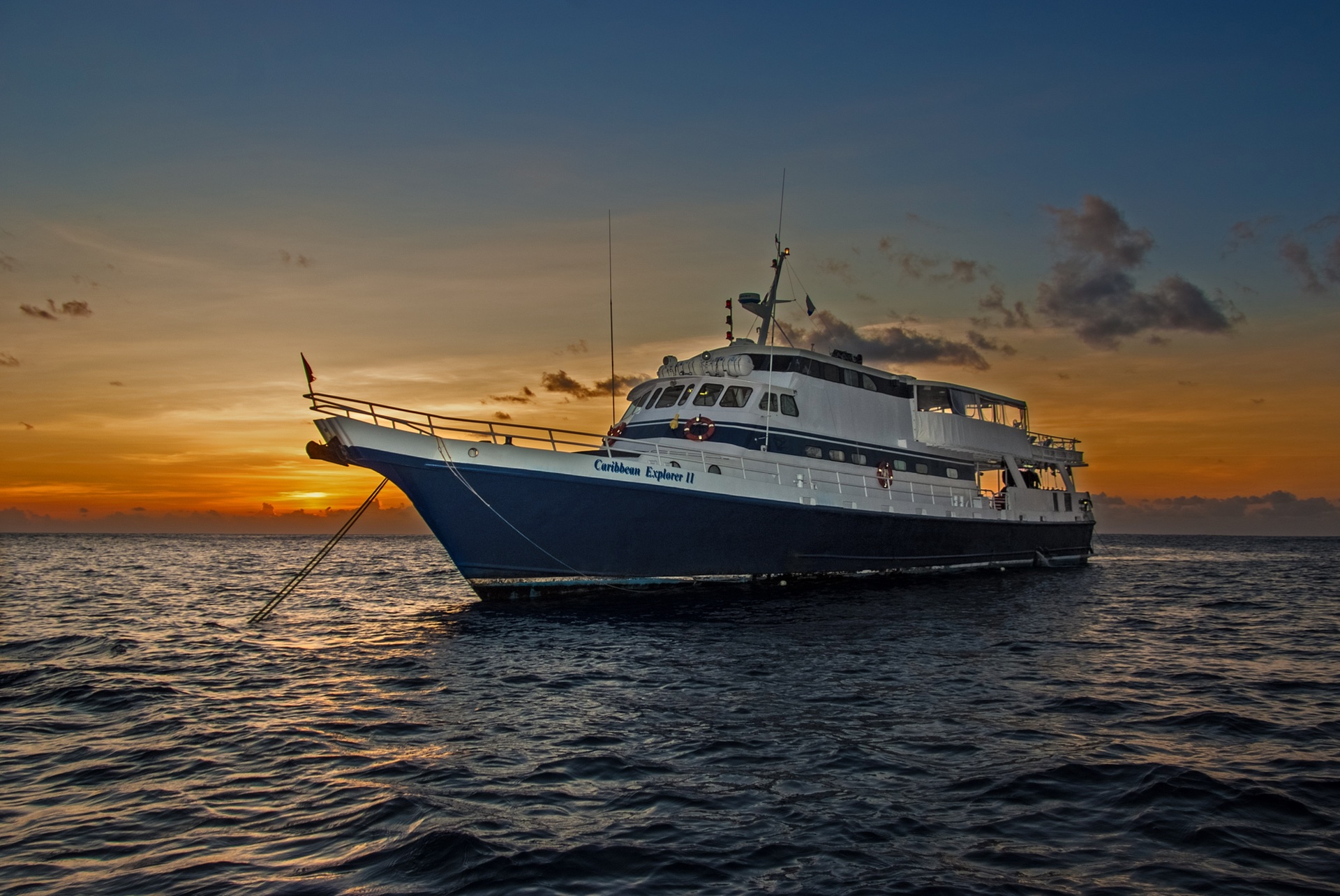
Caribbean Explorer II
St. Maarten
18 guests
$224/day
Dive sites similar to HMS Proselyte
Same character, same waters — six more sites divers love for the exact same reasons.Compare seasons, access and liveaboard routes — then pick the site that fits your trip best.
The Gregory is a purpose-sunk barge, deployed in 1993, that now rests upside-down off the Dutch side of St. Maarten.
- Suitable for
- Intermediate
- Current
- Strong
- Access
- Liveaboard or dayboat
- Depth
- 10–17 m
- Theme
- Drift / Wall
© Esri — Maxar, Earthstar, GIS
French Reef
St. Maarten
French Reef in St. Maarten offers a compelling dive experience with its rich coral ecosystems and diverse marine inhabitants.
- Suitable for
- Intermediate
- Current
- Mild
- Access
- Liveaboard or dayboat
- Depth
- 10–30 m
- Theme
- Wall
© Esri — Maxar, Earthstar, GIS
Basse Espagnole
St. Maarten
Located in the Réserve Naturelle de St. Martin on the French side of the island, Basse Espagnole is celebrated for its thriving coral life and preserved marine environment.
- Suitable for
- Beginner
- Current
- Mild
- Access
- Liveaboard or dayboat
- Depth
- ≤ 18 m
- Theme
- Reef
© Esri — Maxar, Earthstar, GIS
Big Mama's Reef
St. Maarten
Big Mama's Reef, nestled southeast off Point Blanche Bay in St. Maarten, stands out as a unique Caribbean dive site, primarily characterized by a vast sand channel bordered by an expansive reef.
- Suitable for
- Beginner
- Current
- Mild
- Access
- Liveaboard or dayboat
- Depth
- 12–50 m
- Theme
- Reef
Big Momma is a natural coral reef system located within the protected Man of War Shoal Marine Park in St. Maarten, known for its extensive coral formations surrounding a sandy seabed.
- Suitable for
- Beginner
- Current
- Mild
- Access
- Liveaboard or dayboat
- Depth
- 12–50 m
- Theme
- Reef
© Esri — Maxar, Earthstar, GIS
Cable Reef
St. Maarten
Cable Reef, also known as Teigland, offers a unique dual-experience dive combining a purposefully sunk wreck with a thriving natural reef.
- Suitable for
- Beginner
- Current
- Mild
- Access
- Liveaboard or dayboat
- Depth
- 18–18 m
- Theme
- Reef