About Acuario
Acuario is a popular, shallow reef dive site located in the Dominican Republic, offering an accessible underwater experience. Its maximum depth of 13 meters makes it particularly well-suited for novice divers and Open Water training courses. The site is characterized by a pleasant blend of sandy patches and thriving coral reef, providing diverse habitats for marine life. While the sources provided don't specify its exact location within the Dominican Republic, it is mentioned in proximity to Mahahual, suggesting a Caribbean setting with warm waters and typical reef ecosystems. The generally calm conditions and clear visibility contribute to its appeal for less experienced divers. Diving here typically involves exploring the reef and sandy areas, with conditions that rarely present significant challenges. It serves as an excellent environment for divers to practice skills or simply enjoy a relaxed underwater excursion, observing the resident reef inhabitants in a tranquil setting. This site provides a gentle introduction to Caribbean diving, emphasizing ease of access and comfortable conditions over advanced technical challenges. Its large sandy area near the boat mooring line further supports its use as a training ground for new divers.
Highlights
Shallow easy reefMax depth 13 metersMixture of sand and reefIdeal for beginner diversOpen Water training siteLarge sandy area for practice
Season calendar
Best months to dive here
Jan
Feb
Mar
Apr
May
Jun
Jul
Aug
Sep
Oct
Nov
Dec
Excellent
Dive site facts: Acuario
- Depth
- Up to 13 m
- Current
- Calm, occasionally slow
- Visibility
- 30 m (100 ft)
- Water temperature
- 28 °C (82.4 °F) - 24 °C (76 °F)
- Entry
- Boat
- Level
- Basic Diver, Open Water
- Dive type
- Reef, training
- Region / port
- Dominican Republic
- Coordinates
- 18.4357° N, 69.7569° W
Conditions & Currents
Acuario is known for generally calm water conditions, with only an occasional slow current that poses little challenge to divers. Visibility at the site is consistently excellent, often reaching around 30 meters (100 feet), providing clear views of the reef and sandy bottom. These tranquil conditions make it an ideal location for entry-level training and for divers seeking a relaxed experience without strong environmental factors influencing the dive. Entry and exit are typically straightforward due to the calm seas, supporting its suitability for open water courses. The consistent water temperature also adds to diver comfort, allowing for longer, more enjoyable bottom times.
Marine life & sighting chances

Eagle rays
occasional
Barracuda
occasional
Nurse sharks
occasional
Jacks
occasional
Dolphins
occasional
Turtles
occasional
Trumpet fish
common
Butterflyfish
common
Porcupine fish
common
Parrotfish
common
Angelfish
common
Lionfish
commonDive profile & how the dive runs
Diving at Acuario typically begins with a descent onto the large sandy area near the boat mooring line, which is excellent for conducting skill practice or brief an entry-level group. From this point, divers can explore the surrounding reef patches, which feature a maximum depth of 13 meters. The dive route generally involves navigating between these coral formations and sandy expanses, allowing for a relaxed progression suitable for beginners. Given the shallow depth and mild currents, divers can enjoy extended bottom times, moving leisurely across the site. The turn point is often dictated by air consumption or time, with the entire dive usually remaining within the safe limits for Open Water certified divers. The safety stop is comfortably conducted at 5 meters, easily positioned above the reef, utilizing the calm conditions and clear visibility.
Underwater photography
Acuario is well-suited for underwater photography, particularly for wide-angle shots due to its clear visibility and open reef-and-sand topography. A wide-angle lens would capture the expanse of the reef and any schooling fish encountered. For macro subjects, patience is key in the sandy areas and within the coral patches to find smaller reef inhabitants. The shallow depth ensures ample natural light, though strobes are recommended to bring out the vibrant colors of the coral and fish. Maintain excellent buoyancy control, especially when hovering over the sensitive coral, and be mindful of stirring up the sandy bottom to preserve visibility for both your shots and other divers. Ethical subject approach, avoiding disturbance, is always paramount.
Combine with nearby dive sites
- Polyxeni
The Polyxeni wreck is the remains of a Greek freighter, located within the Silver Bank, a designated marine mammal sanctuary approximately…
- Atlantic Princess Wreck
The Atlantic Princess Wreck serves as a captivating artificial reef near Bayahibe, Dominican Republic.
- Catalina Garden
Catalina Garden, situated off the coast of Bayahibe in the Dominican Republic, is a beautiful shallow Caribbean reef dive site.
- Cueva de las Golondrinas
Cueva de las Golondrinas, or "Cave of the Swallows," is a remarkable sea cave nestled on Puerto Rico's northern coastline in Manatí.
- Punta Peñon
Punta Peñon, often referred to simply as Peñon, is a prominent reef system located off the southeast coast of the Dominican Republic…
- Hickory
The Hickory dive site, nestled within the La Caleta Underwater National Park near Boca Chica in the Dominican Republic, offers an engaging…
Getting there & logistics
Access to Acuario is typically facilitated by dive operators based in regions like Bayahibe, which offers clear, tranquil Caribbean seas. The main international airport for this area would be Punta Cana International Airport (PUJ) or Las Américas International Airport (SDQ) near Santo Domingo. From these airports, transfers are arranged to coastal towns where dive centers operate. Most dive packages to Acuario are day trips, often combined with other local, easy dives. While no specific permit or park fees are mentioned for Acuario itself, general national park fees may apply for diving in certain protected areas of the Dominican Republic. Trip lengths are flexible, ranging from single-day excursions to multi-day dive packages within a resort stay, as the site is ideal for integrating into a general vacation.
Safety & environment
For diving in the Dominican Republic, the nearest recompression chamber is generally located in Santo Domingo, necessitating careful consideration of evacuation plans for any serious incidents. Divers should ensure they have comprehensive dive insurance that covers medical emergencies and potential evacuation. Acuario itself is a shallow and calm site, reducing many common dive hazards. However, divers must always follow safe diving practices, including monitoring no-decompression limits, performing safety stops, and maintaining good buoyancy control to avoid contact with the reef. Listen carefully to the dive briefing for any site-specific hazards or rules of conduct, particularly regarding marine life interaction. Given its suitability for training, inexperienced divers should strictly adhere to instructor guidance.
Who it suits — and who it doesn't
Suited for
- Beginner divers
- Open Water certification students
- Divers seeking easy, shallow dives
- Underwater photographers focusing on reef ecosystems
- Families with new divers
Less suited for
- Technical divers seeking deep or complex profiles
- Divers expecting strong currents and pelagic action
- Wreck penetration specialists
- Divers interested primarily in advanced cave systems
FAQ
Acuario FAQ
What is the maximum depth at Acuario?
Acuario is a shallow reef dive site with a maximum depth of 13 meters (approximately 43 feet). This makes it particularly suitable for beginner divers and those undergoing Open Water certification training.
Is Acuario suitable for new divers?
Yes, Acuario is considered an excellent dive site for new divers and Open Water courses. Its shallow depth, calm conditions, and easy accessibility make it ideal for learning and gaining confidence underwater.
What kind of marine life can be seen at Acuario?
While the sources do not specify marine life for Acuario directly, the Dominican Republic's reefs are home to various reef fish like trumpetfish, butterflyfish, parrotfish, and angelfish. Occasional sightings of turtles, jacks, and nurse sharks are also possible in the general region.
What are the typical water conditions like at Acuario?
The water conditions at Acuario are generally calm, with clear visibility often reaching up to 30 meters (100 feet). Water temperatures typically range from 24°C (76°F) to 28°C (82.4°F) year-round, providing a comfortable diving experience.
Can I do my Open Water training at Acuario?
Yes, Acuario is described as an excellent training dive site, particularly for Open Water courses. Its large sandy area near the boat mooring line provides a suitable environment for practicing skills.
Why dive Acuario from a liveaboard?
Acuario is one of Dominican Republic's signature dive sites. A liveaboard sleeps you on the water and puts you in the water for three to four guided dives per day, including dawn and night dives that day-boat operators rarely offer. You skip the daily commute back to port and reach quieter, less-crowded sites in the same region on a single trip.
Below are the liveaboards that include Acuario on their Dominican Republic itineraries.
Liveaboards diving Acuario
These liveaboards may visit Acuario on selected itineraries — the exact dive sites depend on departure, weather and conditions.
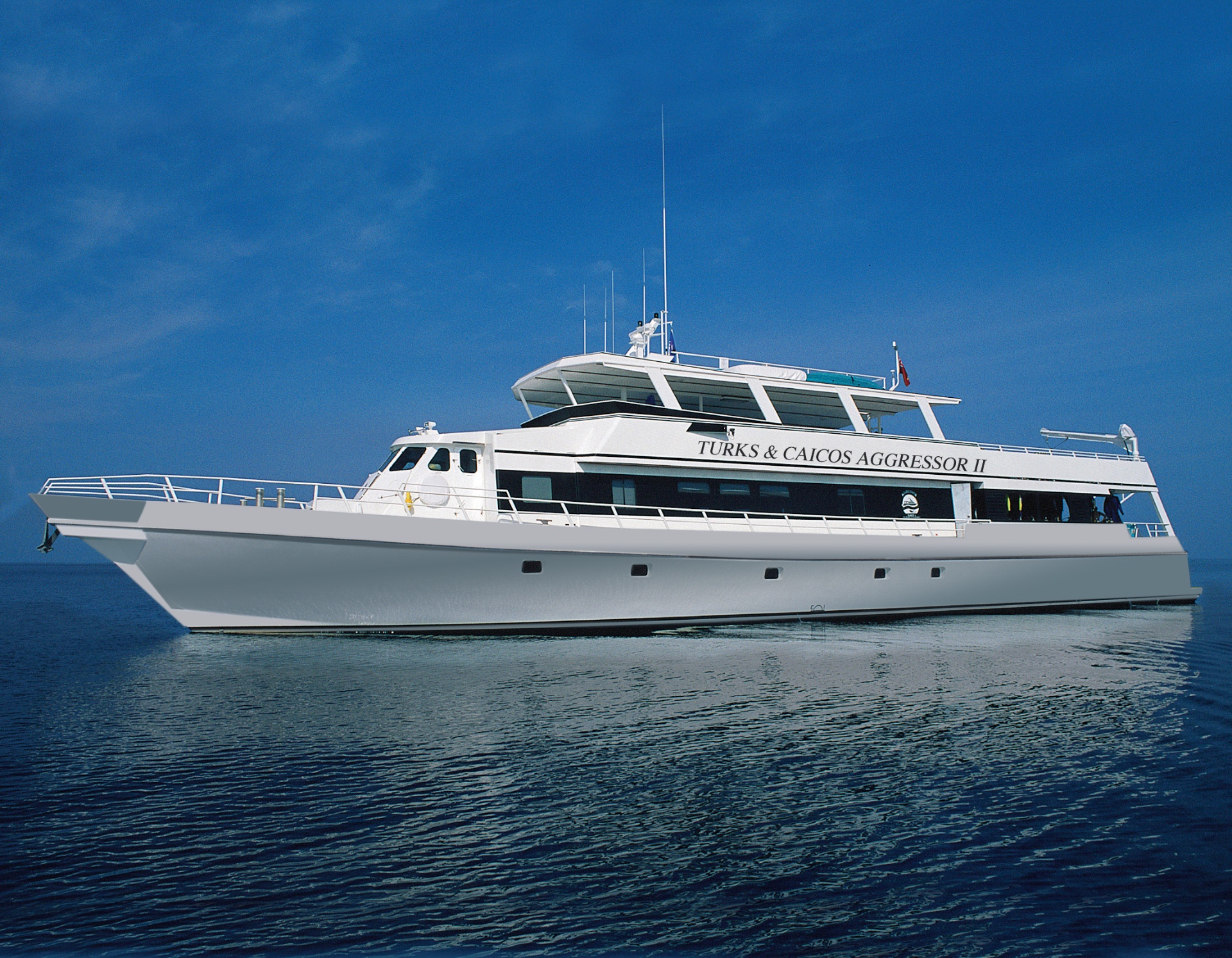
Turks & Caicos Aggressor II
Turks & Caicos
18 guests36.6 m
$287/day
Dive sites similar to Acuario
Same character, same waters — six more sites divers love for the exact same reasons.Compare seasons, access and liveaboard routes — then pick the site that fits your trip best.
© Esri — Maxar, Earthstar, GIS
Canal Saona
Dominican Republic
Saona Island Reef, located within Cotubanamá National Park off the southeastern coast of the Dominican Republic, is a well-regarded dive site known for its rich coral ecosystems and abundant marine species.
- Suitable for
- Intermediate
- Current
- Moderate
- Access
- Liveaboard or dayboat
- Depth
- 20–20 m
- Theme
- Reef
El Peñon is a highly-regarded dive site located within the protected Parque Nacional del Este, near Bayahibe in the Dominican Republic.
- Suitable for
- Beginner
- Current
- No current
- Access
- Dayboat
- Depth
- 7–28 m
- Theme
- Reef
The Polyxeni wreck is the remains of a Greek freighter, located within the Silver Bank, a designated marine mammal sanctuary approximately 70 to 85 miles north of the Dominican Republic's coast, near Puerto Plata.
- Suitable for
- Beginner
- Current
- No current
- Access
- Liveaboard only
- Depth
- ≤ 13 m
- Theme
- Reef
El Limón is a notable shipwreck site located within the La Caleta Underwater National Park, close to Santo Domingo.
- Suitable for
- Advanced
- Current
- Mild
- Access
- Dayboat
- Depth
- 30–30 m
- Theme
- Wreck / Reef
© Esri — Maxar, Earthstar, GIS
Sosua Marine Reserve
Dominican Republic
The Sosua Marine Reserve offers a premier diving experience directly accessible from Playa Sosua on the north coast of the Dominican Republic.
- Suitable for
- Beginner
- Current
- Mild
- Access
- Dayboat
- Depth
- 5–18 m
- Theme
- Reef
The Dominican Republic presents a varied underwater landscape, suitable for divers of all levels, with its calm Caribbean seas off the south coast providing ideal conditions for…
- Suitable for
- Intermediate
- Current
- Moderate
- Access
- Liveaboard or dayboat
- Depth
- 5–26 m
- Theme
- Reef