About Canal Saona
Saona Island Reef, located within Cotubanamá National Park off the southeastern coast of the Dominican Republic, is a well-regarded dive site known for its rich coral ecosystems and abundant marine species. It provides a serene underwater experience, distinct from deeper, more dramatic Caribbean dive locations. The area is characterized by predominantly shallow reefs, which permit extended bottom times and excellent light penetration, particularly beneficial for photography. The topography around Saona Island varies. The western side is sheltered from strong winds, featuring shallower, protected reefs. Conversely, the eastern side is more exposed to stronger currents, which in turn attract larger pelagic species. Depths typically range from 9 to 26 meters, encompassing colorful coral hills and impressive wall sections. These gentle slopes and walls are adorned with a vivid array of soft corals, sponges, and sea fans. Divers frequently encounter tropical fish, sea stars, various rays, and sea turtles. In areas with stronger currents, sightings of larger fish and different shark species are also possible. The generally mild conditions make this a welcoming location for all levels of divers, as well as snorkelers. Water temperatures remain consistently warm, between 24-28°C, with visibility ranging from 15-30 meters. Access to Saona Island Reef usually involves boat trips departing from Bayahibe. These excursions often include visits to natural pools where divers can observe starfish in shallow waters. The calm, warm conditions and excellent visibility for much of the year ensure a pleasant and rewarding dive experience, making it a popular choice for both day trips and extended stays in the region.
Highlights
Vibrant coral reef ecosystemsDiverse tropical marine lifeShallow, protected reefsOccasional pelagic encountersClear, calm Caribbean watersNatural pool with starfishAccessible for all diver levels
Season calendar
Best months to dive here
Jan
Feb
Mar
Apr
May
Jun
Jul
Aug
Sep
Oct
Nov
Dec
Excellent
Dive site facts: Canal Saona
- Depth
- 9–26 m
- Typical dive
- 12–18 m, 50–60 min
- Current
- Mild to strong, site-dependent
- Visibility
- 15–30 m
- Water temperature
- 24–28°C
- Entry
- Boat
- Level
- All levels, AOWD for deeper/current sites
- Dive type
- Reef, wall, drift, photography
- Night dive
- Possible
- Region / port
- La Romana / Bayahibe
- Coordinates
- 18.1750° N, 68.7300° W
Conditions & Currents
Currents around Saona Island Reef vary significantly based on location. The western side generally experiences gentle, protected conditions, making it suitable for divers of all experience levels. However, the eastern side of the island can have stronger currents, which are known to attract larger pelagic species and are better suited for advanced divers with drift diving experience. Divers typically enter the water directly from a boat. Maintaining excellent buoyancy control is essential to navigate the diverse reef structures and prevent disturbing the delicate environment. Visibility generally ranges from 15 to 30 meters, though it can be impacted by rainfall during the wet season. A well-understood dive briefing is crucial for drift dives to ensure safety, clarify entry procedures, descent timing, and exit plans.
Marine life & sighting chances

Rays
occasional
Nurse sharks
occasional
Reef sharks
occasional
Octopus
occasional
Lobsters
occasional
Seahorses
occasional
Eagle rays
occasional
Barracudas
occasional
Stingrays
occasional
Trumpetfish
common
Turtles
occasional
Pufferfish
occasional
Angelfish
occasional
Parrotfish
occasionalDive profile & how the dive runs
Dives at Saona Island Reef typically commence with a boat drop directly onto the reef at sites such as Punta Cacon or El Peñon. For Punta Cacon, the dive often begins at the summit of a coral hill around 9 meters deep, gradually descending along its slopes to a maximum depth of 26 meters. The dive usually traces the contours of the hill, allowing exploration of the vibrant soft corals and sponges. At El Peñon, divers explore a healthy coral reef system segmented into three parts, with depths ranging from 12 to 18 meters. The route typically involves navigating through various reef sections, diligently looking for marine life hidden among the corals and sandy patches. Both dive sites offer clear visibility and conditions varying from gentle to mild currents, providing a relaxed exploratory experience. The turn point is determined by individual air consumption or designated dive time, followed by a gradual ascent back towards the surface. A safety stop is typically performed at 5 meters for 3 minutes, often with the boat positioned directly above, allowing for a calm final observation of shallow reef inhabitants before surfacing.
Underwater photography
Saona Island Reef provides excellent conditions for both wide-angle and macro photography, benefiting from its clear, well-lit waters and diverse marine ecosystems. For capturing the expansive coral formations and the overall health of the reef, a wide-angle lens is highly recommended. To enhance the vibrant colors of soft corals, sea fans, and sponges, especially in deeper areas or when shooting towards the sun, using external strobes is advisable. Maintaining impeccable buoyancy control is crucial not only for environmental protection, preventing contact with delicate reef structures, but also to avoid stirring up sediment that could impair visibility for your shots. For macro subjects such as tiny arrow crabs, seahorses, or smaller reef fish, a dedicated macro lens will highlight intricate details.
Combine with nearby dive sites
- Atlantic Princess Wreck
A former passenger ship intentionally sunk, now a dive site at 12m depth.
- Peñon Reef
A long, shallow stretch of coral reef within Cotubanamá National Park, known for abundant life.
- La Parguera
Suitable for experienced divers due to wall depths of 20-25m and strong currents.
- El Faro
A wall dive at 18-22m with gentle currents and good visibility, known for sponges and stingrays.
Getting there & logistics
Access to Saona Island is primarily facilitated through day trips or multi-day excursions originating from Bayahibe. The nearest international airport for visitors is Punta Cana International Airport (PUJ), from which ground transport to Bayahibe is arranged. Trips typically involve boat transfers to the island, often combining diving with visits to natural pools for snorkeling or relaxation. Park fees may be applicable as Saona Island is part of Cotubanamá National Park, and these are usually included in tour packages. Dive operators in Bayahibe, a key departure port, organize these excursions. While liveaboards are generally available in the Dominican Republic, Saona Island is more commonly visited via daily boat trips from coastal resorts.
Safety & environment
For diving around Saona Island, adherence to standard safe diving practices is paramount. Divers should ensure they have comprehensive dive insurance, as emergency medical evacuation from the remote island environment can be complex and costly. The nearest recompression chamber is located in Santo Domingo, which is a significant distance and involves a multi-stage evacuation process, including boat and ground transportation. Site-specific hazards include potential strong currents on the eastern side of the island, requiring careful attention to dive briefings, particularly for drift dives. Maintaining excellent buoyancy control is crucial to protect the delicate coral reefs and avoid injury. Divers should always follow guide instructions, stay with their buddy, and be aware of boat traffic in popular areas. In case of an emergency, the first response typically involves stabilization on the boat, followed by transport back to the mainland for further medical attention and evacuation.
Who it suits — and who it doesn't
Suited for
- New divers seeking gentle reef experiences
- Experienced divers looking for vibrant coral formations
- Underwater photographers interested in diverse subjects
- Divers comfortable with boat entries and exits
- Those who appreciate shallow, well-lit reef environments
Less suited for
- Divers exclusively seeking deep wreck penetration
- Those unwilling to travel by boat for dive access
- Divers who prefer solitary diving without guides
- Individuals seeking extreme current or technical diving challenges
- Divers who require immediate access to a recompression chamber
FAQ
Canal Saona FAQ
What marine life can I expect to see at Saona Island Reef?
Saona Island Reef is home to a diverse array of marine life. You can frequently spot trumpetfish, and occasionally encounter various rays, nurse sharks, reef sharks, octopuses, lobsters, seahorses, eagle rays, barracudas, stingrays, turtles, pufferfish, angelfish, and parrotfish. The eastern side, with stronger currents, may offer a chance to see larger pelagic species.
What are the typical dive depths and conditions at Saona Island?
Dive depths at Saona Island generally range from 9 to 26 meters, with typical dives occurring between 12 to 18 meters for 50-60 minutes. Visibility is usually excellent, ranging from 15 to 30 meters, and water temperatures are warm, between 24-28°C. Currents vary from mild on the western side to strong on the eastern side, catering to different experience levels.
Is Saona Island Reef suitable for beginners?
Yes, many sites around Saona Island, particularly on the western side, feature protected, shallower reefs with gentle conditions, making them ideal for new divers. However, some areas on the eastern side have stronger currents and are better suited for advanced divers. Dive operators offer options suitable for all experience levels, often combining reef exploration with natural pool visits.
When is the best time of year to dive Saona Island?
The prime diving season is from December to April, known as the dry season, which offers the best visibility, calm seas, and comfortable water temperatures. While the wet season (May to November) also provides warm waters, occasional rainfall can reduce visibility, and there is a higher risk of hurricanes, particularly from August to October.
How do I get to Saona Island for diving?
Saona Island is typically accessed via boat excursions from Bayahibe, a key departure port on the mainland. These trips often include multiple dives, lunch, and stops at natural pools. The nearest major airport is Punta Cana International Airport (PUJ), from where ground transportation to Bayahibe is arranged to meet your dive operator.
Why dive Canal Saona from a liveaboard?
Canal Saona is one of Dominican Republic's signature dive sites. A liveaboard sleeps you on the water and puts you in the water for three to four guided dives per day, including dawn and night dives that day-boat operators rarely offer. You skip the daily commute back to port and reach quieter, less-crowded sites in the same region on a single trip.
Below are the liveaboards that include Canal Saona on their Dominican Republic itineraries.
Liveaboards diving Canal Saona
These liveaboards may visit Canal Saona on selected itineraries — the exact dive sites depend on departure, weather and conditions.
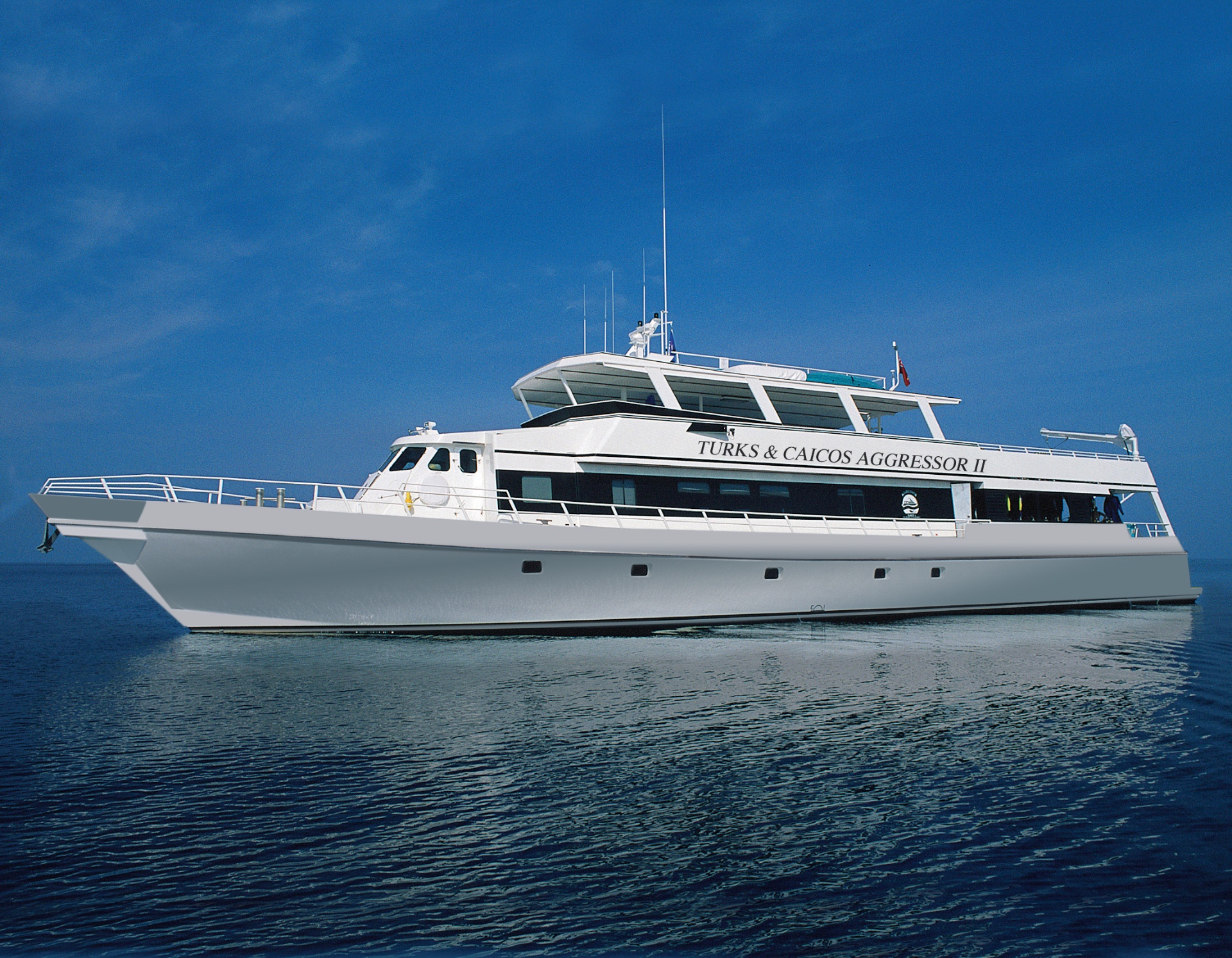
Turks & Caicos Aggressor II
Turks & Caicos
18 guests36.6 m
$287/day
Dive sites similar to Canal Saona
Same character, same waters — six more sites divers love for the exact same reasons.Compare seasons, access and liveaboard routes — then pick the site that fits your trip best.
El Peñon is a highly-regarded dive site located within the protected Parque Nacional del Este, near Bayahibe in the Dominican Republic.
- Suitable for
- Beginner
- Current
- No current
- Access
- Dayboat
- Depth
- 7–28 m
- Theme
- Reef
The Polyxeni wreck is the remains of a Greek freighter, located within the Silver Bank, a designated marine mammal sanctuary approximately 70 to 85 miles north of the Dominican Republic's coast, near Puerto Plata.
- Suitable for
- Beginner
- Current
- No current
- Access
- Liveaboard only
- Depth
- ≤ 13 m
- Theme
- Reef
© Esri — Maxar, Earthstar, GIS
Coral Garden
Dominican Republic
Coral Garden is a significant dive site in the Dominican Republic, featuring an impressive brain coral that has thrived for over 400 years, establishing it as a natural monument.
- Suitable for
- Beginner
- Current
- Moderate
- Access
- Liveaboard or dayboat
- Depth
- 10–12 m
- Theme
- Reef
El Limón is a notable shipwreck site located within the La Caleta Underwater National Park, close to Santo Domingo.
- Suitable for
- Advanced
- Current
- Mild
- Access
- Dayboat
- Depth
- 30–30 m
- Theme
- Wreck / Reef
© Esri — Maxar, Earthstar, GIS
Sosua Marine Reserve
Dominican Republic
The Sosua Marine Reserve offers a premier diving experience directly accessible from Playa Sosua on the north coast of the Dominican Republic.
- Suitable for
- Beginner
- Current
- Mild
- Access
- Dayboat
- Depth
- 5–18 m
- Theme
- Reef
The Dominican Republic presents a varied underwater landscape, suitable for divers of all levels, with its calm Caribbean seas off the south coast providing ideal conditions for…
- Suitable for
- Intermediate
- Current
- Moderate
- Access
- Liveaboard or dayboat
- Depth
- 5–26 m
- Theme
- Reef