About El Faro
El Faro, or "The Lighthouse," is a prominent dive site located near Saona Island, off the southeast coast of the Dominican Republic. This wall dive is characterized by its excellent visibility, often extending up to 25 meters, and remarkably gentle currents, which create optimal conditions for a thriving underwater ecosystem. It is part of the marine environment surrounding Saona, an island known for its impressive coral reef ecosystems and rich marine diversity. The topography of El Faro features a wall that descends to depths between 18 and 22 meters. The gentle current flow encourages the robust growth of filter-feeding sponges and soft corals, which display a wide array of vibrant colors. The wall's base is particularly notable for massive grey stingrays that frequently burrow in the sandy substrate. The dive offers consistent opportunities to observe marine life, from tiny arrow crabs meticulously exploring the sponges to smooth-shelled turtles gracefully feeding. While general marine life in the Dominican Republic includes various pelagic species and reef fish, El Faro specifically provides a relaxed environment to focus on these smaller inhabitants and the impressive ray population. Seasonal conditions generally feature warm water year-round, with good visibility. Diving El Faro typically involves a boat excursion, often as part of a multi-dive day around Saona Island. Its manageable depth and mild currents make it accessible to a range of divers, although the diverse marine life and unique geological features provide ample interest for more experienced individuals. The site promises a tranquil and visually rich underwater experience.
Highlights
Vibrant wall diveFilter-feeding spongesMassive grey stingraysGentle currentsSoft coral gardensSpider-like arrow crabsSmooth shelled turtles
Season calendar
Best months to dive here
Jan
Feb
Mar
Apr
May
Jun
Jul
Aug
Sep
Oct
Nov
Dec
Excellent
Dive site facts: El Faro
- Depth
- 18–22 m
- Current
- Gentle
- Visibility
- Up to 25 m
- Water temperature
- 24–29°C
- Entry
- Boat
- Level
- All levels
- Dive type
- Wall, reef
- Region / port
- Saona Island, Dominican Republic
- Coordinates
- 18.4639° N, 69.8585° W
Conditions & Currents
El Faro typically experiences gentle currents, making it an accessible and comfortable dive site for many divers. This contrasts with the stronger currents sometimes found on the eastern side of Saona Island, which can bring in larger pelagic life but demand more experience. The mild current conditions at El Faro contribute to stable visibility, often reaching up to 25 meters, and allow for relaxed exploration of the wall and its inhabitants. Divers can expect a straightforward entry and exit, often boat-based, with minimal concern for challenging drift. The calm conditions also support the proliferation of delicate filter-feeding sponges and soft corals. While generally calm, divers should always monitor local conditions on the day, but overall, the site is known for its placid underwater environment.
Marine life & sighting chances
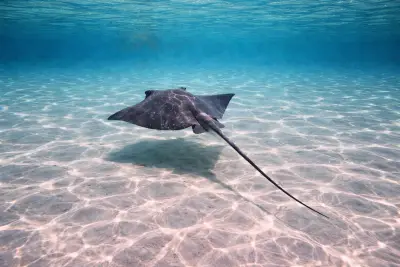
Massive Grey Stingray
common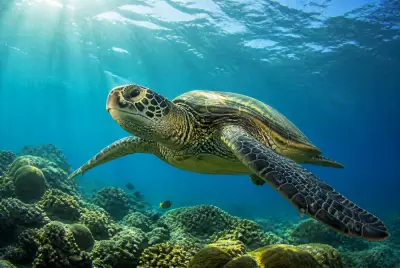
Smooth Shelled Turtle
occasional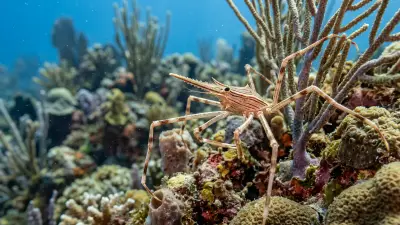
Spider-like Arrow Crab
occasional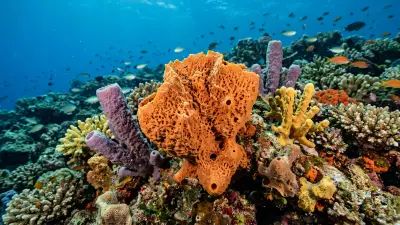
Filter-feeding Sponge
common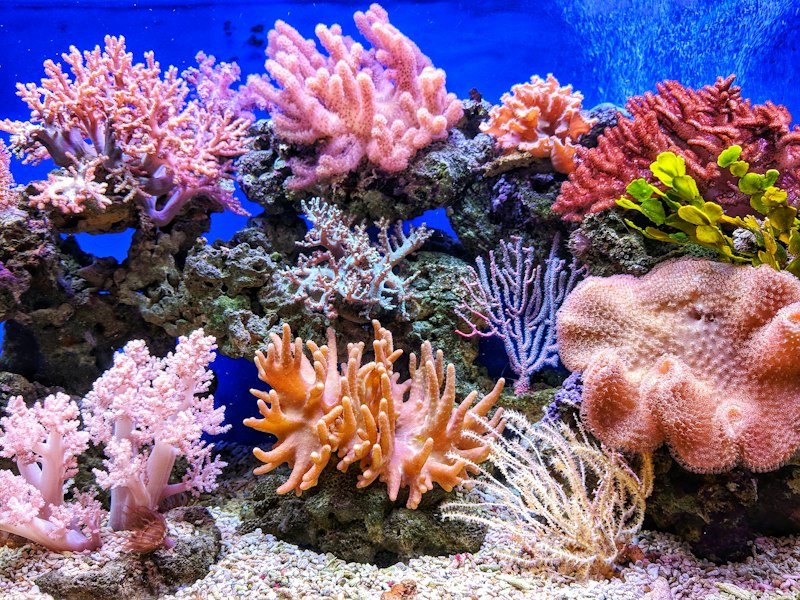
Soft Coral
common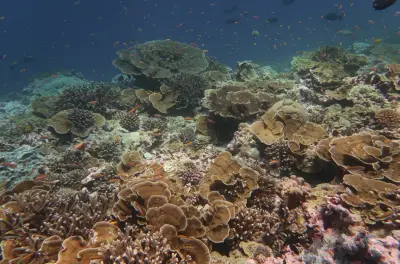
Reef Fish
common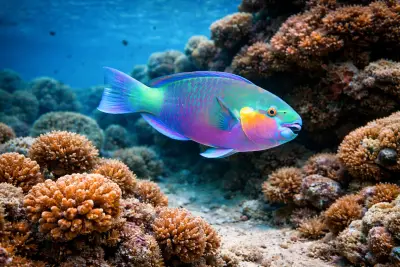
Parrotfish
common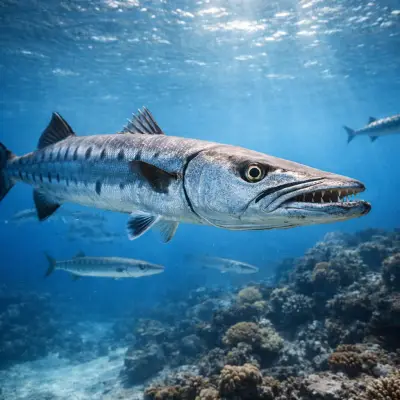
Barracuda
occasional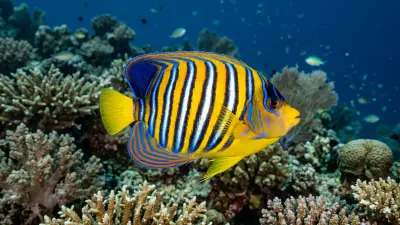
Angelfish
common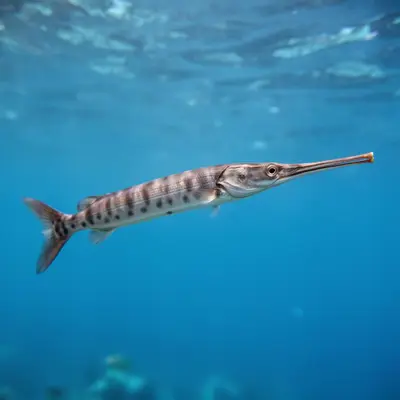
Trumpetfish
common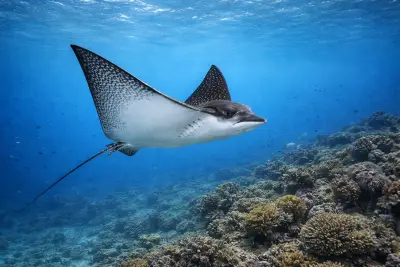
Eagle Ray
occasionalDive profile & how the dive runs
Diving El Faro typically begins with a boat entry, followed by a descent along the vibrant wall to an average depth range of 18 to 22 meters. The dive route generally follows the contours of the wall, allowing divers to observe the abundant filter-feeding sponges and soft corals that thrive in the gentle currents. Careful buoyancy control is key to protecting the delicate ecosystem. Divers often explore the sandy base of the wall, where massive grey stingrays are frequently spotted burrowing. Attention should also be paid to crevices and overhangs for smaller inhabitants like spider-like arrow crabs. The dive concludes with a gradual ascent back along the wall, with safety stops conducted at appropriate depths before resurfacing.
Underwater photography
El Faro offers excellent opportunities for wide-angle and macro photography due to its diverse topography and marine life. For capturing the expansive soft coral gardens and the wall structure, a wide-angle lens is ideal. Be mindful of composition to include the stunning blue water visibility, which can extend up to 25 meters. For macro enthusiasts, the wall is rich with subjects like spider-like arrow crabs and other small invertebrates. A macro lens will allow detailed shots of these tiny creatures and the intricate textures of sponges. When photographing massive grey stingrays at the sandy base, approach slowly to avoid disturbing them. Utilize natural light for vibrant colors, but strobes can enhance the details of corals and hidden life. Practicing excellent buoyancy is essential to avoid contact with the delicate wall and sandy bottom, ensuring both safety and clear shots.
Combine with nearby dive sites
- La Parguera
Suitable for experienced divers with strong currents and wall depths of 20-25m.
- Punta Cacon
A coral hill starting at 9m, sloping to 26m, suitable for all levels with vibrant corals and diverse marine life.
- Peñon Reef
A three-part reef from 12-18m, fantastic for all levels with untouched corals and varied fish.
- Atlantic Princess Wreck
The Atlantic Princess Wreck serves as a captivating artificial reef near Bayahibe, Dominican Republic.
- Coral Nursery
A reef creation and restoration project.
Getting there & logistics
Access to El Faro typically involves day trips from Bayahibe, which is the primary departure point for Saona Island excursions. Travelers usually fly into one of the Dominican Republic's international airports, such as Punta Cana International Airport (PUJ) or Las Américas International Airport (SDQ) near Santo Domingo. From there, transfers to Bayahibe are arranged, taking approximately one to two hours depending on the airport. Dive operators in Bayahibe often combine two dives at Saona's reefs with a local lunch buffet on the island and a stop at a natural pool. Full-day 'Diver's Day' excursions are also available, allowing for three dives and more extensive exploration of sites like El Faro. No specific permits or fees beyond standard dive trip costs are typically mentioned for diving this site.
Safety & environment
While El Faro is known for its gentle currents, divers should always carry appropriate safety equipment, including a surface marker buoy (SMB) and an audible signaling device. The nearest recompression chamber is likely located in Santo Domingo or a major city, necessitating careful dive planning and adherence to safe diving practices to minimize risk. In the event of an emergency, evacuation to a medical facility could involve significant travel time, emphasizing the importance of comprehensive dive insurance that covers medical treatment and emergency evacuation. Divers should maintain excellent buoyancy control to avoid damaging the delicate corals and sponges on the wall. Always dive within your certification limits and follow your dive guide's instructions. Keep an eye out for any potentially venomous marine life, such as lionfish, and maintain a respectful distance.
Who it suits — and who it doesn't
Suited for
- Newer divers seeking gentle conditions
- Divers interested in macro photography
- Enthusiasts of soft coral and sponge environments
- Divers who enjoy wall diving
- Divers looking for clear visibility and calm conditions
Less suited for
- Divers seeking strong currents and large pelagic action
- Technical divers needing extreme depths
- Divers exclusively interested in wreck penetration
- Those uninterested in macro life or soft coral formations
FAQ
El Faro FAQ
What kind of marine life can I expect to see at El Faro?
At El Faro, you can expect to encounter massive grey stingrays burrowing in the sand at the base of the wall, alongside delicate spider-like arrow crabs on the coral structures. Smooth-shelled turtles are occasionally seen nibbling on sponges, and the wall itself is home to vibrant filter-feeding sponges and various soft corals, providing habitat for numerous reef fish.
What are the typical dive conditions at El Faro?
El Faro is characterized by generally gentle currents, making it a comfortable dive for many skill levels. Visibility is excellent, often reaching up to 25 meters, providing clear views of the wall and its inhabitants. Water temperatures are consistently warm, ranging from 24-29°C year-round, contributing to a pleasant diving experience.
Is El Faro suitable for beginner divers?
Yes, El Faro is suitable for divers of all levels due to its gentle currents and good visibility. The moderate depths of 18-22 meters are well within the limits for Open Water certified divers, allowing new divers to enjoy a beautiful wall dive without the challenges of strong currents or extreme depths.
Where is El Faro located?
El Faro is a dive site located off Saona Island, which is situated on the southeast coast of the Dominican Republic. It is typically accessed via boat excursions departing from Bayahibe, a popular tourist hub in the La Romana area.
Can I combine a dive at El Faro with other activities?
Yes, many dive operators offer full-day excursions that combine diving at sites like El Faro with other activities. These often include a local lunch buffet on Saona Island and a stop at a natural pool to relax and observe sea stars, providing a comprehensive day of exploration and leisure.
Why dive El Faro from a liveaboard?
El Faro is one of Dominican Republic's signature dive sites. A liveaboard sleeps you on the water and puts you in the water for three to four guided dives per day, including dawn and night dives that day-boat operators rarely offer. You skip the daily commute back to port and reach quieter, less-crowded sites in the same region on a single trip.
Below are the liveaboards that include El Faro on their Dominican Republic itineraries.
Liveaboards diving El Faro
These liveaboards may visit El Faro on selected itineraries — the exact dive sites depend on departure, weather and conditions.
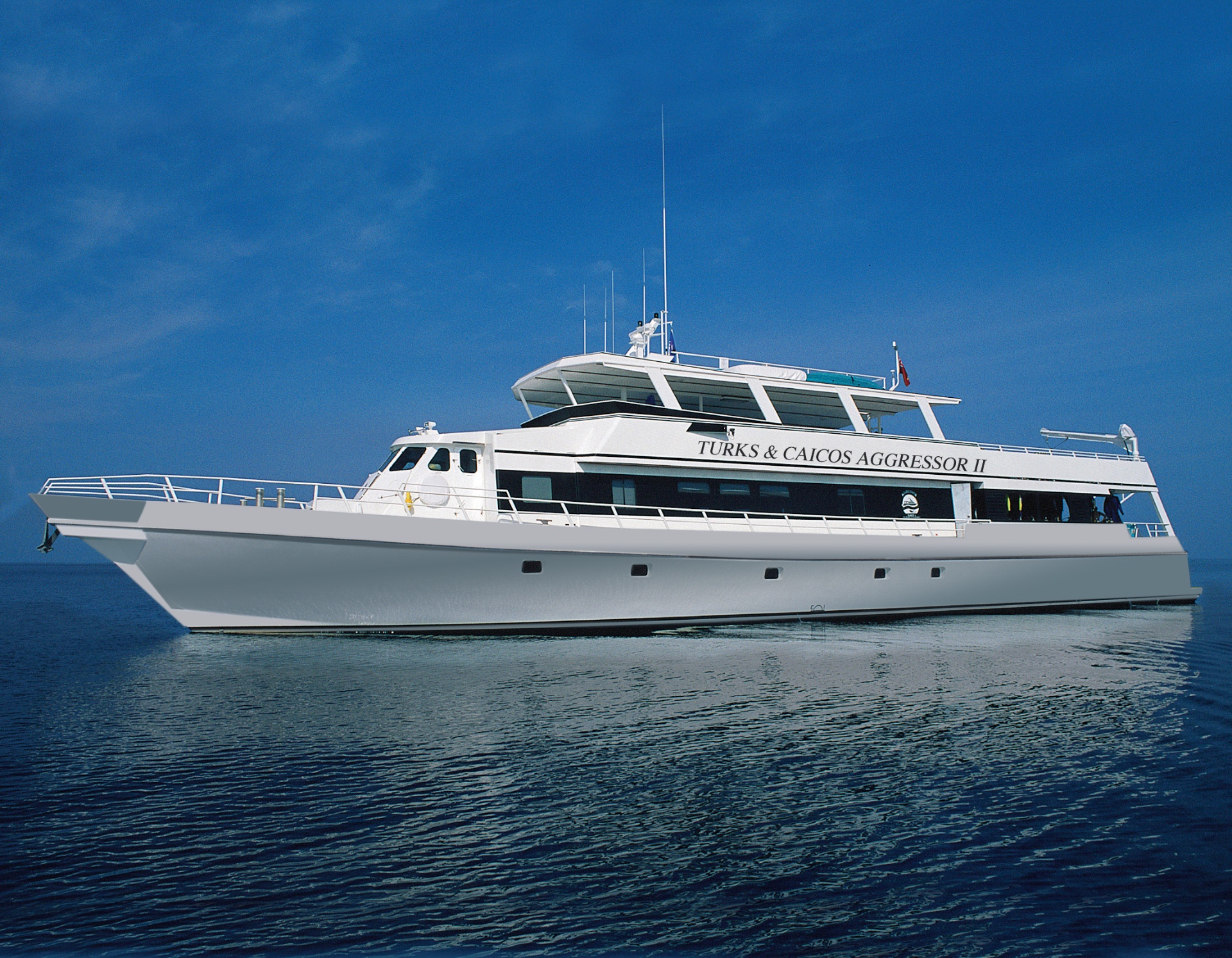
Turks & Caicos Aggressor II
Turks & Caicos
18 guests36.6 m
$287/day
Dive sites similar to El Faro
Same character, same waters — six more sites divers love for the exact same reasons.Compare seasons, access and liveaboard routes — then pick the site that fits your trip best.
© Esri — Maxar, Earthstar, GIS
Canal Saona
Dominican Republic
Saona Island Reef, located within Cotubanamá National Park off the southeastern coast of the Dominican Republic, is a well-regarded dive site known for its rich coral ecosystems and abundant marine species.
- Suitable for
- Intermediate
- Current
- Moderate
- Access
- Liveaboard or dayboat
- Depth
- 20–20 m
- Theme
- Reef
El Peñon is a highly-regarded dive site located within the protected Parque Nacional del Este, near Bayahibe in the Dominican Republic.
- Suitable for
- Beginner
- Current
- No current
- Access
- Dayboat
- Depth
- 7–28 m
- Theme
- Reef
El Limón is a notable shipwreck site located within the La Caleta Underwater National Park, close to Santo Domingo.
- Suitable for
- Advanced
- Current
- Mild
- Access
- Dayboat
- Depth
- 30–30 m
- Theme
- Wreck / Reef
© Esri — Maxar, Earthstar, GIS
Sosua Marine Reserve
Dominican Republic
The Sosua Marine Reserve offers a premier diving experience directly accessible from Playa Sosua on the north coast of the Dominican Republic.
- Suitable for
- Beginner
- Current
- Mild
- Access
- Dayboat
- Depth
- 5–18 m
- Theme
- Reef
The Dominican Republic presents a varied underwater landscape, suitable for divers of all levels, with its calm Caribbean seas off the south coast providing ideal conditions for…
- Suitable for
- Intermediate
- Current
- Moderate
- Access
- Liveaboard or dayboat
- Depth
- 5–26 m
- Theme
- Reef