About Punta Cacon
Punta Cacon is a prominent coral hill located on the western side of Saona Island, off the southeastern coast of the Dominican Republic, within Cotubanamá National Park. This site is celebrated for its rich coral formations and diverse aquatic inhabitants, offering a tranquil underwater environment. The topography features a coral hill that begins at a shallow depth of 9 meters and gently slopes down to 26 meters. The entire structure is densely covered in a spectacular array of soft corals and sponges, displaying vivid yellows to deep purples, which create a visually stunning landscape for divers. Marine life at Punta Cacon is abundant, with frequent sightings of various tropical fish, sea stars, rays, and sea turtles. Occasional encounters with larger species like barracudas, eagle rays, and nurse sharks are also possible, especially as the hill descends to deeper sections. Trumpetfish are commonly observed throughout the reef. Access to Punta Cacon is typically via boat from Bayahibe. The site is characterized by calm sea conditions and generally mild currents, making it an excellent choice for divers of all experience levels. The clear, warm waters and excellent visibility contribute to a consistently pleasant and fulfilling diving experience.
Highlights
Vibrant coral hillSoft corals and spongesDiverse tropical marine lifeCalm sea conditionsAccessible for all diver levelsExcellent visibility
Season calendar
Best months to dive here
Jan
Feb
Mar
Apr
May
Jun
Jul
Aug
Sep
Oct
Nov
Dec
Excellent
Good
Dive site facts: Punta Cacon
- Depth
- 9–26 m
- Typical dive
- 12–18 m, 50–60 min
- Current
- Mild to negligible
- Visibility
- 15–30 m
- Water temperature
- 24–28°C
- Entry
- Boat
- Level
- All levels
- Dive type
- Reef, wall, photography
- Night dive
- Possible
- Region / port
- La Romana / Bayahibe
- Coordinates
- 19.1344° N, 69.5634° W
Conditions & Currents
Punta Cacon is situated on the western side of Saona Island, which is known for its protected and generally gentle current conditions. Divers can expect mild to negligible currents, making for a relaxed exploration of the coral hill. Entry to the site is typically a boat drop, allowing divers to descend directly onto the reef. Visibility is consistently good, often ranging from 15 to 30 meters, contributing to easy navigation. While the site is suitable for all levels due to its calm nature, awareness of personal air consumption is always important, especially when exploring deeper sections. There are no significant surge or thermocline issues reported, ensuring a comfortable dive experience.
Marine life & sighting chances
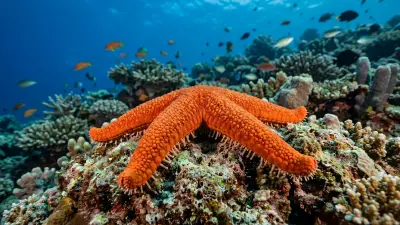
Sea stars
common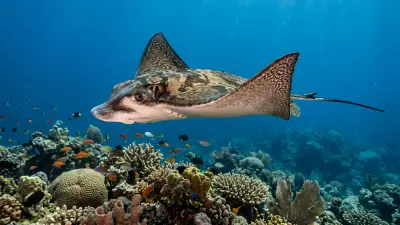
Rays
occasional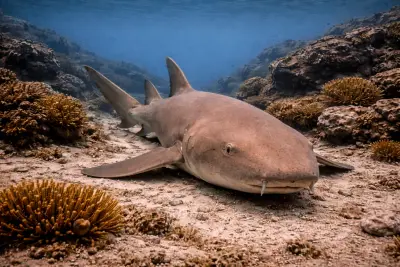
Nurse sharks
occasional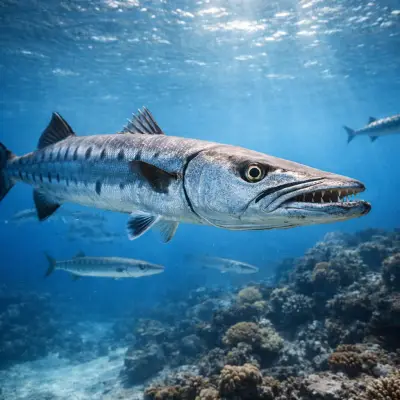
Barracudas
occasional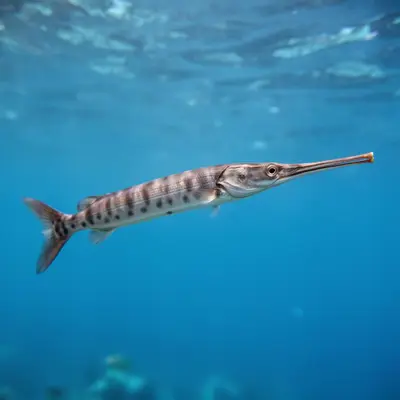
Trumpetfish
common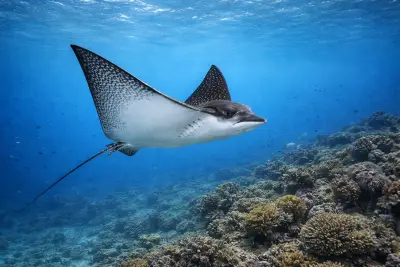
Eagle rays
occasional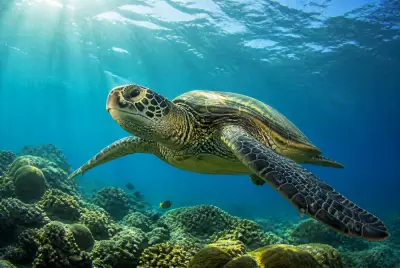
Turtles
occasional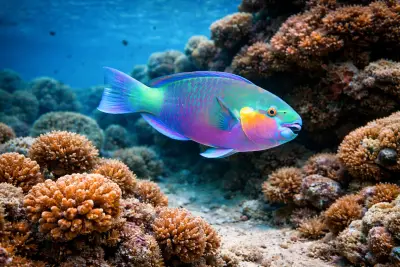
Parrotfish
common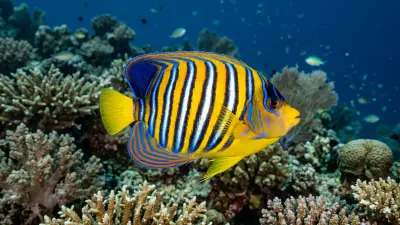
Angelfish
commonDive profile & how the dive runs
Dives at Punta Cacon typically commence with a boat drop directly onto the reef, positioning divers at the top of a coral hill around 9 meters deep. The dive then follows the natural contours of this vibrant hill, gradually descending along its slopes. Divers explore the rich soft corals and sponges that adorn the reef, reaching maximum depths of 26 meters. The route generally involves circling the coral hill, allowing for thorough observation of marine life and formations. The turn point is determined by air consumption or allotted dive time, initiating a gradual ascent. Safety stops are standardly performed at 5 meters for a minimum of 3 minutes, often with the dive boat waiting overhead, providing a relaxed final opportunity to observe shallow reef inhabitants before surfacing.
Underwater photography
Punta Cacon presents excellent opportunities for both wide-angle and macro underwater photography, thanks to its clear, well-lit waters and abundant marine life. A wide-angle lens is ideal for capturing the expansive coral hill, dense soft coral growth, and the overall health of the reef ecosystem. Employing external strobes is highly recommended to enhance the vibrant colors of the soft corals, sea fans, and sponges, especially in deeper areas or when shooting into the sun. For macro enthusiasts, subjects such as tiny arrow crabs, seahorses, and various reef fish hidden among the corals provide compelling close-up shots. Maintaining impeccable buoyancy control is crucial to avoid disturbing delicate reef structures and to prevent stirring up sediment, ensuring clear shots and preserving the environment.
Combine with nearby dive sites
Getting there & logistics
Punta Cacon is accessed via boat excursions, primarily departing from Bayahibe, a key port on the Dominican Republic's southeastern coast. Divers often reach this region by flying into Punta Cana International Airport (PUJ), one of the busiest in the Caribbean, which offers direct flights from various international locations. From Punta Cana, Bayahibe is accessible via an efficient road network. Dive trips to Punta Cacon are typically offered as part of day excursions, often combined with other Saona Island dive sites or visits to the natural pool known for starfish. These trips are generally double-tank dives, lasting a full morning or afternoon. There are no specific park fees mentioned for diving Punta Cacon itself, but it is located within Cotubanamá National Park.
Safety & environment
For diving Punta Cacon, the nearest recompression chamber is likely located in Santo Domingo, necessitating a potentially lengthy evacuation time for serious decompression sickness cases. Divers must carry adequate travel and dive insurance that covers emergency medical treatment and evacuation. The site generally presents calm conditions, but divers should always heed their guide's briefing regarding mild currents, entry/exit procedures, and dive profiles. Adhering to responsible diving practices, including maintaining proper buoyancy to avoid contact with delicate corals, is essential. Due to the boat entry, divers should be comfortable with direct water entries. Always confirm the location of the nearest emergency services and communication protocols with your dive operator before commencing any dives.
Who it suits — and who it doesn't
Suited for
- New divers seeking gentle conditions
- Experienced divers enjoying vibrant reef systems
- Underwater photographers looking for colorful corals
- Divers interested in diverse marine life
- snorkelers
Less suited for
- Divers seeking strong current drift dives
- Those uninterested in coral reef ecosystems
- Divers prioritizing deep wreck penetration
- Individuals with poor buoyancy control
FAQ
Punta Cacon FAQ
What kind of marine life can I expect to see at Punta Cacon?
Punta Cacon is home to a diverse array of marine life. You can frequently spot tropical fish, sea stars, and occasionally rays and sea turtles. Look out for barracudas, eagle rays, and nurse sharks, especially in deeper sections, and trumpetfish are common throughout the reef. The vibrant corals also host smaller creatures and various types of reef fish.
Is Punta Cacon suitable for beginners?
Yes, Punta Cacon is very well-suited for divers of all levels, including beginners. The site is characterized by calm sea conditions and generally mild currents, making it a comfortable and safe environment for less experienced divers. Its shallow starting depth of 9 meters and clear visibility further contribute to an enjoyable experience for new divers.
What are the typical depths at Punta Cacon?
Punta Cacon features a coral hill that begins at a relatively shallow depth of approximately 9 meters (30 feet). The reef then slopes gently downwards, reaching a maximum depth of around 26 meters (85 feet). This depth range allows for extended bottom times and exploration across various sections of the vibrant coral ecosystem.
How are the currents at Punta Cacon?
Punta Cacon is located on the protected western side of Saona Island, meaning currents are typically mild to negligible. This allows for a relaxed and unchallenging dive experience, suitable for all skill levels. Dive operators usually plan entries to ensure divers can comfortably explore the site without significant current interference.
Where do dive trips to Punta Cacon typically depart from?
Dive trips to Punta Cacon most commonly depart from Bayahibe, a town on the southeastern coast of the Dominican Republic. This location serves as a primary access point for many dive sites around Saona Island. Day boats transport divers directly to the site, often as part of multi-dive excursions.
Why dive Punta Cacon from a liveaboard?
Punta Cacon is one of Dominican Republic's signature dive sites. A liveaboard sleeps you on the water and puts you in the water for three to four guided dives per day, including dawn and night dives that day-boat operators rarely offer. You skip the daily commute back to port and reach quieter, less-crowded sites in the same region on a single trip.
Below are the liveaboards that include Punta Cacon on their Dominican Republic itineraries.
Liveaboards diving Punta Cacon
These liveaboards may visit Punta Cacon on selected itineraries — the exact dive sites depend on departure, weather and conditions.
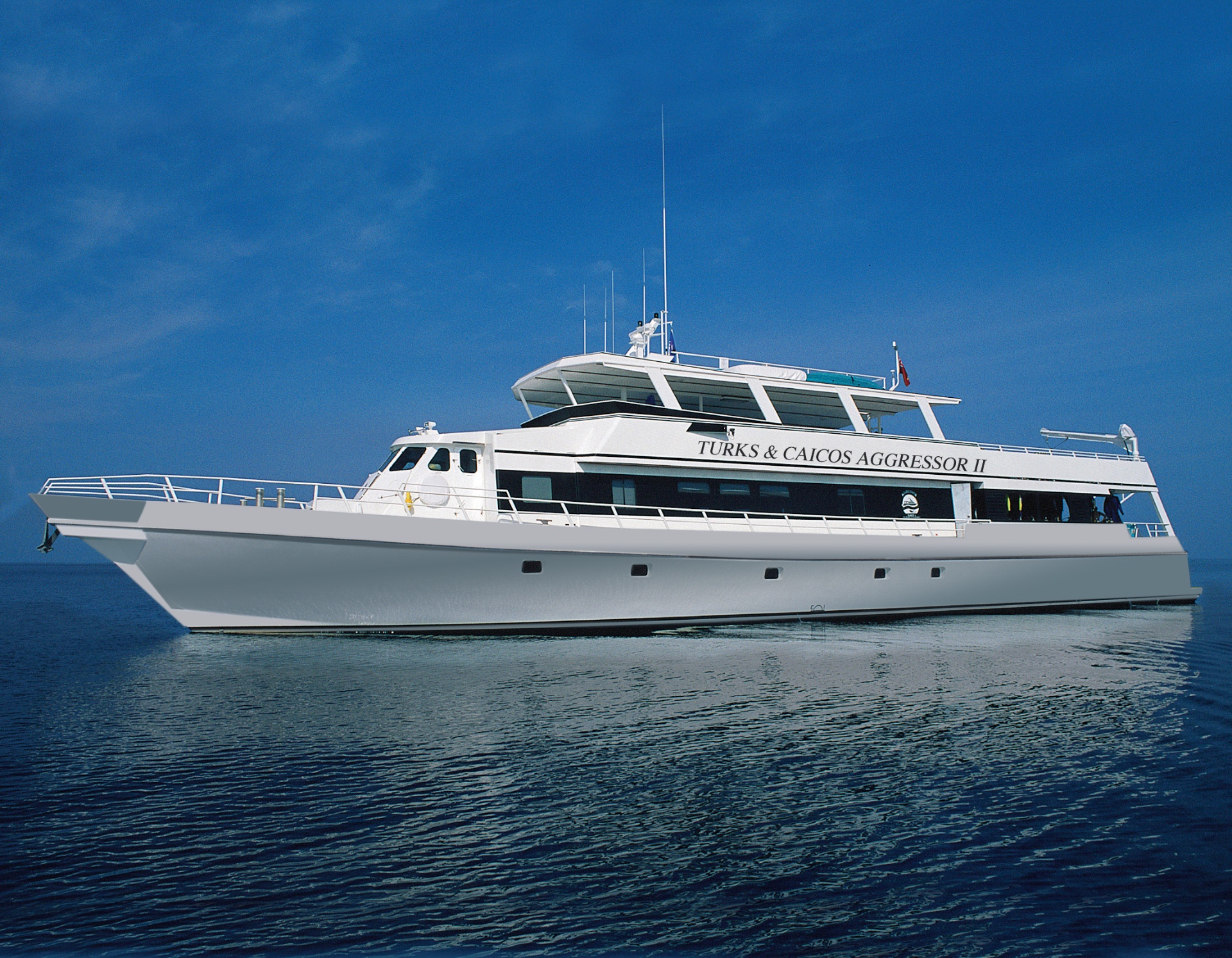
Turks & Caicos Aggressor II
Turks & Caicos
18 guests36.6 m
$287/day
Dive sites similar to Punta Cacon
Same character, same waters — six more sites divers love for the exact same reasons.Compare seasons, access and liveaboard routes — then pick the site that fits your trip best.
© Esri — Maxar, Earthstar, GIS
Canal Saona
Dominican Republic
Saona Island Reef, located within Cotubanamá National Park off the southeastern coast of the Dominican Republic, is a well-regarded dive site known for its rich coral ecosystems and abundant marine species.
- Suitable for
- Intermediate
- Current
- Moderate
- Access
- Liveaboard or dayboat
- Depth
- 20–20 m
- Theme
- Reef
El Peñon is a highly-regarded dive site located within the protected Parque Nacional del Este, near Bayahibe in the Dominican Republic.
- Suitable for
- Beginner
- Current
- No current
- Access
- Dayboat
- Depth
- 7–28 m
- Theme
- Reef
El Limón is a notable shipwreck site located within the La Caleta Underwater National Park, close to Santo Domingo.
- Suitable for
- Advanced
- Current
- Mild
- Access
- Dayboat
- Depth
- 30–30 m
- Theme
- Wreck / Reef
© Esri — Maxar, Earthstar, GIS
Sosua Marine Reserve
Dominican Republic
The Sosua Marine Reserve offers a premier diving experience directly accessible from Playa Sosua on the north coast of the Dominican Republic.
- Suitable for
- Beginner
- Current
- Mild
- Access
- Dayboat
- Depth
- 5–18 m
- Theme
- Reef
The Dominican Republic presents a varied underwater landscape, suitable for divers of all levels, with its calm Caribbean seas off the south coast providing ideal conditions for…
- Suitable for
- Intermediate
- Current
- Moderate
- Access
- Liveaboard or dayboat
- Depth
- 5–26 m
- Theme
- Reef