About La Parguera
La Parguera, also known as Red Snapper, is a notable dive site located around Saona Island off the southeast coast of the Dominican Republic. This site is distinguished by its dramatic wall dive, which descends into significant depths, making it particularly appealing for advanced divers. The underwater topography includes a rich display of corals and provides shelter under overhangs. The currents at La Parguera are often strong, contributing to the healthy marine ecosystem and bringing in larger marine life. Despite the currents, visibility remains consistently high throughout the year, often reaching up to 30 meters (98 feet), offering clear views of the underwater environment. This combination of depth, current, and visibility creates a dynamic and rewarding dive. Divers can anticipate encountering a variety of marine species, including nurse and reef sharks that seek refuge from the currents beneath the wall's overhangs. The drift diving experience allows for observation of vibrant corals and numerous colorful fish. Additionally, the site features several small swim-throughs, adding an element of exploration. Due to the depths and strong currents, La Parguera is recommended for experienced divers, and using Nitrox is suggested to maximize bottom time. The site offers a captivating experience for those seeking a challenging and vibrant Caribbean wall dive.
Highlights
Impressive wall diveStrong currentsExcellent visibilityNurse and reef sharksBeautiful coralsSmall swim-throughsAdvanced diver experience
Season calendar
Best months to dive here
Jan
Feb
Mar
Apr
May
Jun
Jul
Aug
Sep
Oct
Nov
Dec
Excellent
Good
Dive site facts: La Parguera
- Depth
- 20–25 m (65–82 ft)
- Current
- Strong
- Visibility
- Up to 30 m (98 ft)
- Entry
- Dayboat
- Level
- Experienced divers
- Dive type
- Wall, drift, reef
- Region / port
- Saona Island, Dominican Republic
- Coordinates
- 18.1517° N, 67.0422° W
Conditions & Currents
La Parguera is characterized by strong currents, particularly along its wall. Divers should be experienced in drift diving techniques and prepared for dynamic conditions. These currents often necessitate a negative entry, and careful buoyancy control is essential to navigate the wall's features and swim-throughs safely. Surface intervals may involve remaining on board as part of a full-day excursion. The strong currents, while making the dive more challenging, also contribute to the abundant marine life, attracting pelagic species. Divers should plan their gas consumption carefully, considering the potential for increased exertion due to current. Visibility generally remains excellent, providing clear views even with the strong water movement.
Marine life & sighting chances

Nurse shark
common
Reef shark
occasional
Colorful fish
common
Barracuda
occasional
Turtle
occasional
Eagle ray
occasional
Trumpetfish
common
Butterflyfish
common
Porcupinefish
common
Parrotfish
common
Angelfish
common
Moray eel
occasionalDive profile & how the dive runs
Your dive at La Parguera typically begins with a boat entry, often involving a negative descent to quickly reach the wall and avoid surface currents. The profile focuses on drifting along the impressive wall, which drops to depths between 20-25 meters (65-82 feet). You'll explore overhangs and small swim-throughs, keeping an eye out for nurse and reef sharks sheltering from the current. The dive progresses along the wall, observing vibrant coral formations and schooling fish. Due to strong currents, this is generally a drift dive, with the boat picking up divers at the end. Your safety stop will typically be conducted as a drift, maintaining good buoyancy and situational awareness before surfacing.
Underwater photography
Capturing the strong currents and dramatic wall at La Parguera requires specific photographic approaches. A wide-angle lens is ideal for showcasing the expansive coral formations, the wall's topography, and potential pelagic encounters like sharks. Given the often strong currents, photographers should prioritize stable buoyancy and be prepared to brace themselves against the current for composition. External strobes are recommended to bring out the true colors of the corals and marine life at depth, cutting through any potential haze. Patience is key when photographing marine life sheltering from currents, as subjects like nurse sharks under overhangs may require careful positioning without disturbing them.
Combine with nearby dive sites
- El Faro
A wall dive with gentle currents, abundant sponges, soft corals, and stingrays.
- Punta Cacon
A coral hill suitable for all levels, rich in soft corals and a variety of fish including barracudas and eagle rays.
- El Peñon
A three-part reef with untouched corals, reef fish, lobsters, and occasional hammerhead sharks.
- Tres Piedras
A snorkeling reef featuring trumpet fish and rays, usually part of Saona Island excursions.
- Tiringo
A snorkeling site known for sea stars, also part of Saona Island excursions.
Getting there & logistics
La Parguera is generally accessed via day trips from the south-east coast of the Dominican Republic, particularly from areas like Bayahibe. Divers often reach the Dominican Republic through international airports such as Punta Cana International Airport (PUJ) or Las Américas International Airport (SDQ) near Santo Domingo. From there, ground transportation takes you to coastal towns. Dive excursions to La Parguera are typically full-day trips that include two dives around Saona Island reefs, a local lunch buffet, and a stop at natural pools. It's often combined with other nearby Saona Island dive sites, forming part of a wider 'Diver's Day' itinerary designed for experienced divers who wish to explore more distant and challenging locations.
Safety & environment
For diving La Parguera, adequate dive insurance covering medical emergencies and recompression is highly recommended, as strong currents and depths require experienced diving. The nearest recompression chamber would likely be in Santo Domingo, which could involve significant travel time for evacuation from the Saona Island region. Divers should always dive within their certification limits, especially given the site's 'experienced diver' recommendation. Nitrox use is suggested to extend bottom time and minimize nitrogen loading. Due to strong currents, maintain excellent buoyancy control, stay close to your dive buddy, and be proficient in drift diving techniques. Always follow your dive guide's instructions and be aware of boat traffic if surfacing away from the main group.
Who it suits — and who it doesn't
Suited for
- Experienced divers comfortable with strong currents
- Divers seeking challenging wall dives
- Nitrox-certified divers maximizing bottom time
- Underwater photographers targeting pelagics and dramatic topography
- Those interested in shark encounters (nurse and reef sharks)
Less suited for
- Beginner divers or those with limited current experience
- Divers uncomfortable with deep wall environments
- Those seeking calm, sheltered diving conditions
- Divers prone to seasickness on longer boat rides
FAQ
La Parguera FAQ
What kind of currents can I expect at La Parguera?
La Parguera is known for its strong currents, particularly along the wall. These currents make it an exciting drift dive but require divers to be experienced and comfortable with such conditions. Your dive guide will brief you on entry and exit procedures to manage the current safely.
Is La Parguera suitable for all levels of divers?
No, La Parguera is recommended for experienced divers due to the significant depths and strong currents. Novice divers or those without extensive experience in challenging current conditions should consider other, calmer sites around Saona Island.
What marine life can I typically see at La Parguera?
Divers at La Parguera frequently encounter nurse and reef sharks sheltering under overhangs, taking advantage of the current. You'll also see vibrant corals and a variety of colorful reef fish. Occasional sightings of barracuda, turtles, and eagle rays are also possible.
How deep is the dive at La Parguera?
The main wall dive at La Parguera typically ranges from 20 to 25 meters (65 to 82 feet) in depth. This makes it a moderately deep dive, and using Nitrox is suggested to extend your bottom time safely and enhance your experience.
How is visibility at La Parguera?
Visibility at La Parguera is excellent throughout the year, often reaching up to 30 meters (98 feet). This clear water, combined with strong currents, provides fantastic views of the deep wall and its abundant marine inhabitants.
Why dive La Parguera from a liveaboard?
La Parguera is one of Dominican Republic's signature dive sites. A liveaboard sleeps you on the water and puts you in the water for three to four guided dives per day, including dawn and night dives that day-boat operators rarely offer. You skip the daily commute back to port and reach quieter, less-crowded sites in the same region on a single trip.
Below are the liveaboards that include La Parguera on their Dominican Republic itineraries.
Liveaboards diving La Parguera
These liveaboards may visit La Parguera on selected itineraries — the exact dive sites depend on departure, weather and conditions.
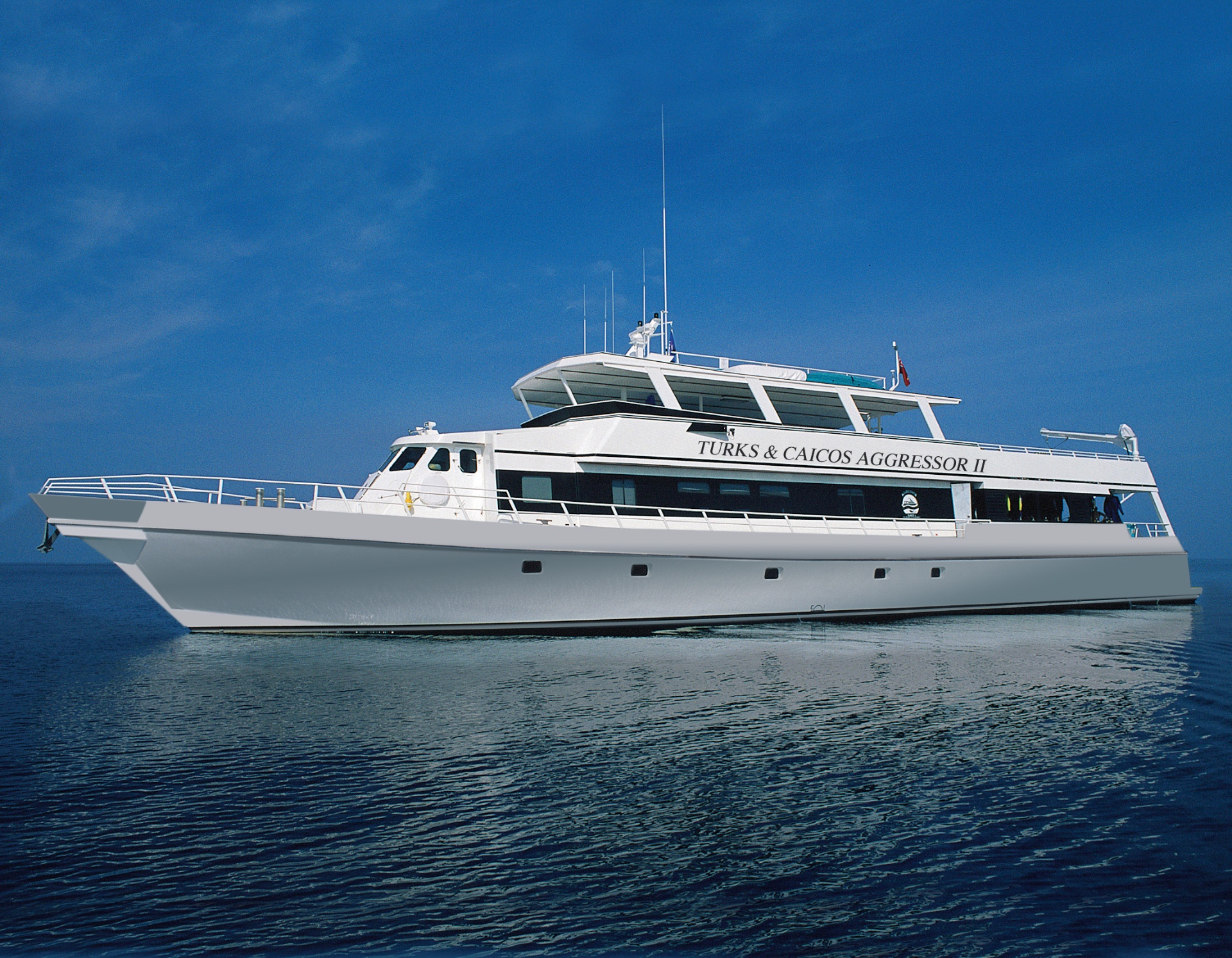
Turks & Caicos Aggressor II
Turks & Caicos
18 guests36.6 m
$287/day
Dive sites similar to La Parguera
Same character, same waters — six more sites divers love for the exact same reasons.Compare seasons, access and liveaboard routes — then pick the site that fits your trip best.
© Esri — Maxar, Earthstar, GIS
Larimar I & II
Dominican Republic
Larimar I & II offers a compelling dive experience just five minutes by boat from Sosúa Bay in the Dominican Republic.
- Suitable for
- Beginner
- Current
- No current
- Access
- Dayboat
- Depth
- 10–25 m
- Theme
- Wall / Reef
© Esri — Maxar, Earthstar, GIS
Three Rocks & Coral Gardens
Dominican Republic
Three Rocks and Coral Gardens, situated off Sosúa on the North Coast of the Dominican Republic, offer a diverse dive experience from shallow pinnacles to deeper reef walls.
- Suitable for
- Beginner
- Current
- Mild
- Access
- Liveaboard or dayboat
- Depth
- 4–24 m
- Theme
- Reef / Wall
© Esri — Maxar, Earthstar, GIS
Catalina Island Wall
Dominican Republic
Catalina Island Wall is a world-renowned dive site located off the southeastern coast of the Dominican Republic, easily accessible from Bayahibe or La Romana.
- Suitable for
- Intermediate
- Current
- Mild
- Access
- Liveaboard or dayboat
- Depth
- 2–60 m
- Theme
- Wall
© Esri — Maxar, Earthstar, GIS
Catalina Garden
Dominican Republic
Catalina Garden, situated off the coast of Bayahibe in the Dominican Republic, is a beautiful shallow Caribbean reef dive site.
- Suitable for
- Beginner
- Current
- Mild
- Access
- Liveaboard or dayboat
- Depth
- 8–12 m
- Theme
- Reef / Wall
© Esri — Maxar, Earthstar, GIS
Saona Island Reef
Dominican Republic
Saona Island Reef, situated off the southeastern coast of the Dominican Republic within Cotubanamá National Park, is a celebrated dive destination known for its impressive coral formations and diverse marine life.
- Suitable for
- Beginner
- Current
- Strong
- Access
- Liveaboard or dayboat
- Depth
- 5–20 m
- Theme
- Reef / Wall
© Esri — Maxar, Earthstar, GIS
Guaraguao Reef
Dominican Republic
Guaraguao Reef, located near Punta Cana in the Dominican Republic, is a captivating shallow reef dive site ideal for divers seeking abundant marine life in a relaxed setting.
- Suitable for
- Beginner
- Current
- Moderate
- Access
- Liveaboard or dayboat
- Depth
- 5–15 m
- Theme
- Drift / Reef