About Coral Nursery
The Coral Nursery dive site, also referred to in sources as part of the broader 'Coral Gardens' or 'Coco Reef', is situated off the coast of Bayahibe in the Dominican Republic. It functions as a conservation effort, featuring a coral nursery and small underwater statue garden, making it a unique and environmentally significant site. The topography is characterized by a mix of hard and soft corals, sand patches, and rocky ledges, creating varied microhabitats suitable for a wide range of marine species. Depths typically range from 4 meters in the shallow nursery areas to around 24 meters, with a central focus around 12 meters where the coral nursery thrives. This gradual slope and diverse structure offer both sunlit shallow reef patches and deeper, more shaded channels and gentle slopes, ideal for different marine inhabitants. Visibility is generally excellent, often reaching 25-35 meters, especially during the dry season, providing clear views of the vibrant ecosystem. Marine life is abundant, with frequent sightings of parrotfish, angelfish, butterfly fish, and various crabs and shrimps. Larger species like barracudas and lobsters are also present, alongside occasional turtles and stingrays. The site's calm conditions and healthy coral growth provide an exceptional environment for observing a thriving Caribbean reef ecosystem. It serves as an excellent location for both beginner divers to gain confidence and experienced divers to enjoy a relaxed and richly populated environment. Dive experiences here are typically boat dives with easy back-roll entries. The calm waters and gentle currents allow for leisurely exploration, making it suitable for training dives and extended bottom times. The focus is on appreciating the delicate coral structures and the myriad of reef inhabitants, with a natural progression from shallower areas towards deeper reef sections before a gradual ascent and safety stop.
Highlights
Vibrant coral nurseryUnderwater statue gardenThriving hard and soft coralsAbundant reef fishCalm, clear conditionsShallow to moderate depthsConservation effort
Season calendar
Best months to dive here
Jan
Feb
Mar
Apr
May
Jun
Jul
Aug
Sep
Oct
Nov
Dec
Excellent
Dive site facts: Coral Nursery
- Depth
- 4–24 m
- Typical dive
- 12–18 m, 50–60 min
- Current
- Mild to none
- Visibility
- 12–35 m
- Water temperature
- 26–29°C
- Entry
- Boat / back-roll
- Level
- Beginner to Advanced
- Dive type
- Reef, coral, macro
- Night dive
- Possible
- Region / port
- Bayahibe, La Romana
- Coordinates
- 19.1026° N, 69.6133° W
Conditions & Currents
Currents at Coral Nursery are typically minimal to non-existent, creating a very calm and relaxed diving environment. This absence of strong currents makes the site particularly suitable for divers of all experience levels and allows for comfortable exploration of the extensive coral formations. Entry is usually a straightforward back-roll from a dive boat, placing divers directly into serene conditions. You can expect stable water temperatures, generally between 26-29°C, with no significant thermoclines. Visibility is consistently good, ranging from 12 meters during less favorable times to an impressive 35 meters, allowing for unhurried observation and photography. The lack of surge further contributes to the site's tranquility, ensuring stable conditions for buoyancy control and underwater activities.
Marine life & sighting chances

Parrotfish
common
Angelfish
common
Butterfly fish
common
Shrimp
common
Crab
common
Barracuda
occasional
Lobster
occasional
Moray eel
occasional
Nurse shark
occasional
Turtle
occasional
Yellow stingray
occasional
Octopus
occasional
Seahorse
occasionalDive profile & how the dive runs
Divers typically start with a back-roll entry from the boat, descending directly into the calm waters of the Coral Nursery. The initial focus is often around the 12-meter depth, where the active coral nursery and small statue garden are located. This area provides an excellent opportunity to observe the intricate details of growing corals and the small reef inhabitants that shelter among them. The dive then proceeds along a gentle reef slope, which can extend to a maximum depth of approximately 24 meters, allowing for exploration of varying coral formations and sand patches. Divers follow the natural contours of the reef, keeping a keen eye out for macro life hidden in crevices and for larger fish cruising the periphery. The mild currents allow for a relaxed pace, with a gradual ascent typically initiated after 50-60 minutes, concluding with a safety stop amidst the shallower, colorful corals, often back in the original nursery area.
Underwater photography
The Coral Nursery offers excellent photographic opportunities for both wide-angle and macro photography due to its diverse topography and abundant marine life. A wide-angle lens is ideal for capturing the expansive coral gardens, the impressive brain corals, and the overall structure of the nursery, especially in the well-lit shallow areas. For macro enthusiasts, focus on the intricate details of shrimps, crabs, small gobies, and juvenile reef fish found hiding within the corals and crevices. The generally mild currents at this site provide a stable platform for camera work. Utilize strobes to enhance the vibrant colors of the corals and marine life, ensuring proper exposure and minimizing backscatter in clear water. Maintain excellent buoyancy to avoid contact with the delicate coral structures and respect the subjects' space.
Combine with nearby dive sites
- El Peñon
A diverse reef with three distinct parts, abundant fish life, and occasional sightings of larger pelagics.
- Tortuga
An easy reef dive known for turtles, healthy corals, and clear waters.
- El Faro
A wall dive with gentle currents, featuring sponges, soft corals, and grey stingrays at its base.
- La Parguera
An advanced wall dive with strong currents but great visibility, offering swim-throughs and nurse shark sightings.
- Atlantic Princess
A shallow wreck dive rich in marine life, surrounded by an accessible reef system.
Getting there & logistics
Access to the Coral Nursery is primarily via day boat trips departing from Bayahibe, a key diving hub on the Dominican Republic's southeast coast. Bayahibe is easily reachable from major international airports like Punta Cana International (PUJ) or La Romana International Airport (LRM). Most dive excursions to the Coral Nursery are typically combined with one or two other nearby sites, allowing for half-day or full-day itineraries. Trip lengths are usually 50-60 minutes per dive, maximizing bottom time in the calm conditions. There are generally no specific park fees required for diving the Coral Nursery itself, but guided boat tours are standard. Divers often stay in resorts in Bayahibe or nearby La Romana, which offer convenient access to local dive operators.
Safety & environment
For dive safety at the Coral Nursery, the nearest recompression chamber is located in Santo Domingo, which requires evacuation by road or air in case of a dive emergency. It is crucial for all divers to carry comprehensive dive insurance that covers emergency medical treatment and evacuation. Site-specific hazards are minimal due to the calm conditions and mild currents, but boat traffic near the surface always warrants caution, requiring divers to maintain awareness during ascent. Maintaining excellent buoyancy is paramount to protect the delicate coral nursery structures and to avoid damaging the growing corals. Divers are reminded never to touch, move, or collect any coral, whether natural or part of the nursery, to preserve this vital conservation area.
Who it suits — and who it doesn't
Suited for
- Beginner divers seeking calm, easy conditions
- Divers looking for rich macro life
- Underwater photographers (macro and wide-angle)
- Conservation-minded divers
- Divers desiring extended bottom times
Less suited for
- Divers exclusively seeking large pelagics
- Those preferring strong current drift dives
- Divers seeking very deep or technically challenging dives
- Individuals who struggle with buoyancy control
FAQ
Coral Nursery FAQ
What makes the Coral Nursery special?
The Coral Nursery is a unique dive site due to its active coral propagation program and a small underwater statue garden. It plays a vital role in local marine conservation efforts, allowing divers to observe the growth and rehabilitation of various hard and soft coral species in a natural setting. This makes it an educational and visually rewarding experience.
What kind of marine life can I expect to see?
You can expect to see a rich array of Caribbean reef fish, including numerous parrotfish, angelfish, and butterfly fish. Macro enthusiasts will delight in finding shrimps, crabs, and small eels among the corals. Occasionally, larger marine life such as barracudas, lobsters, turtles, and various stingrays are also sighted, adding to the diversity of the site.
Is the Coral Nursery suitable for beginner divers?
Yes, the Coral Nursery is highly suitable for beginner divers. Its calm conditions, minimal currents, and shallow average depth of 12 meters create a very safe and comfortable environment. It's often used for training dives and allows new divers to practice buoyancy control while enjoying abundant marine life.
What are the typical diving conditions like?
Diving conditions at the Coral Nursery are generally excellent. Expect calm to mild currents, consistently warm water temperatures between 26-29°C, and good to excellent visibility, often ranging from 25 to 35 meters. There is minimal surge, providing stable conditions for exploring and photography.
How do I get to the Coral Nursery dive site?
The Coral Nursery is typically accessed via short boat trips departing from Bayahibe, a popular tourist town on the Dominican Republic's southeast coast. Most local dive operators offer guided excursions to this site, often combining it with other nearby reefs. Transfers from major airports like Punta Cana are readily available to reach Bayahibe.
Why dive Coral Nursery from a liveaboard?
Coral Nursery is one of Dominican Republic's signature dive sites. A liveaboard sleeps you on the water and puts you in the water for three to four guided dives per day, including dawn and night dives that day-boat operators rarely offer. You skip the daily commute back to port and reach quieter, less-crowded sites in the same region on a single trip.
Below are the liveaboards that include Coral Nursery on their Dominican Republic itineraries.
Liveaboards diving Coral Nursery
These liveaboards may visit Coral Nursery on selected itineraries — the exact dive sites depend on departure, weather and conditions.
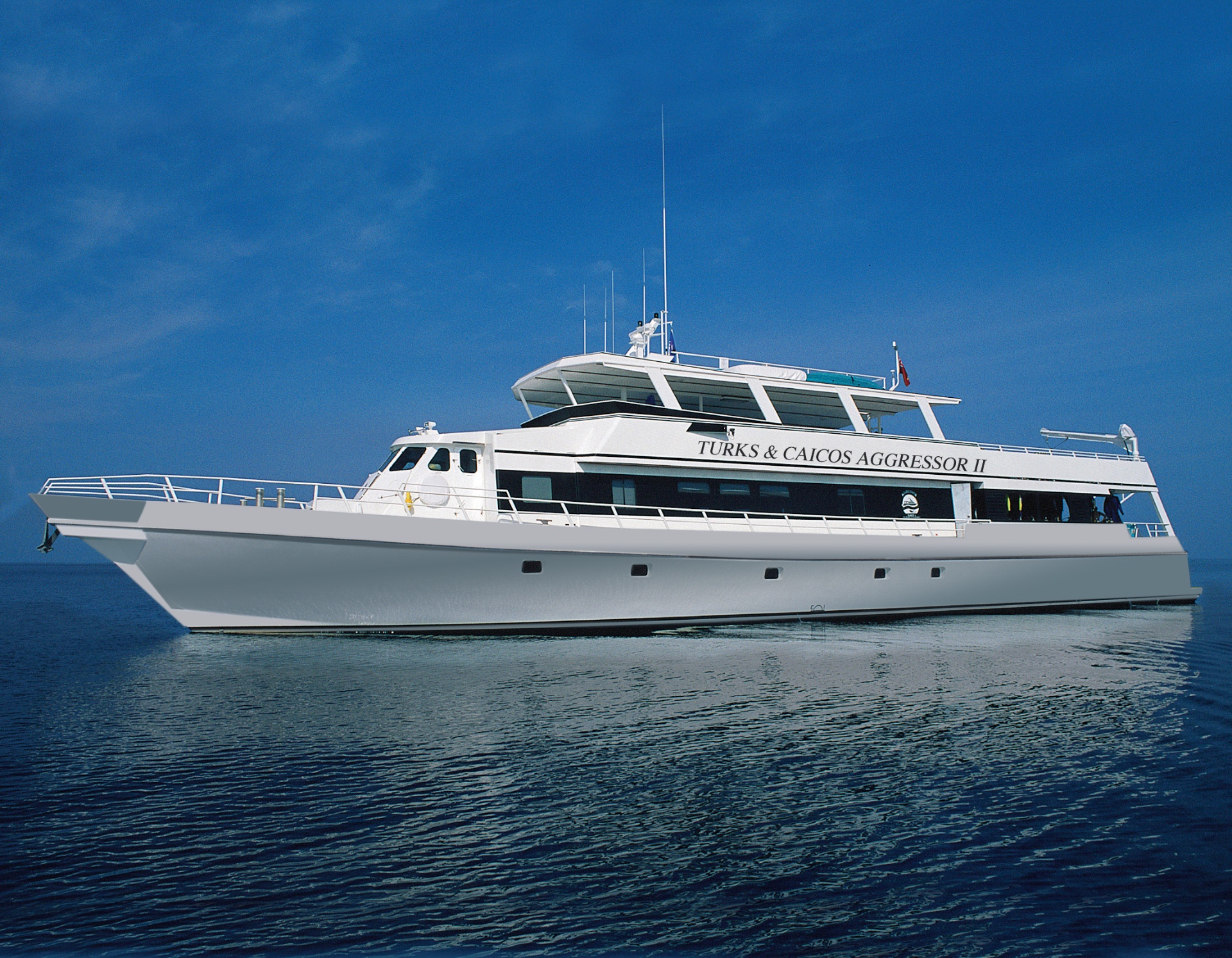
Turks & Caicos Aggressor II
Turks & Caicos
18 guests36.6 m
$328/day
Dive sites similar to Coral Nursery
Same character, same waters — six more sites divers love for the exact same reasons.Compare seasons, access and liveaboard routes — then pick the site that fits your trip best.
© Esri — Maxar, Earthstar, GIS
Silver Caves
Belize
Silver Caves offers a distinctive diving experience within the Lighthouse Reef Atoll, one of Belize's healthiest reef systems.
- Suitable for
- Advanced
- Current
- Mild
- Access
- Liveaboard only
- Depth
- 18–28 m
- Theme
- Reef / Cave & cavern
Cozumel's western coast features a dramatic reef shelf that plunges thousands of feet into the ocean.
- Suitable for
- Intermediate
- Current
- Mild
- Access
- Liveaboard or dayboat
- Depth
- 15–27 m
- Theme
- Reef
© Esri — Maxar, Earthstar, GIS
North Wall
Cayman Islands
The North Wall of Grand Cayman stands as one of the most celebrated and visually striking dive regions, stretching along the island's northern coastline.
- Suitable for
- Advanced
- Current
- Mild
- Access
- Liveaboard or dayboat
- Depth
- 50–100 m
- Theme
- Reef
© Esri — Maxar, Earthstar, GIS
Lighthouse Reef
Cayman Islands
Lighthouse Reef, situated near the West End dock of Cayman Brac, provides a distinctive shallow reef diving experience.
- Suitable for
- Beginner
- Current
- Strong
- Access
- Shore / dayboat
- Depth
- 10–25 m
- Theme
- Reef
© Esri — Maxar, Earthstar, GIS
Long Caye Ridge
Belize
Long Caye Ridge is a highly-rated dive site situated within Belize's Lighthouse Reef Atoll, an area renowned for its pristine conditions due to its distance from the mainland.
- Suitable for
- Intermediate
- Current
- No current
- Access
- Liveaboard only
- Depth
- 21–21 m
- Theme
- Reef
Roatán, part of the Bay Islands of Honduras, offers a diverse underwater landscape situated along the Mesoamerican Barrier Reef System, which is the second largest barrier reef globally.
- Suitable for
- Intermediate
- Current
- Moderate
- Access
- Liveaboard or dayboat
- Depth
- 9–40 m
- Theme
- Reef