About Cueva de las Golondrinas
Cueva de las Golondrinas, or "Cave of the Swallows," is a remarkable sea cave nestled on Puerto Rico's northern coastline in Manatí. It forms part of the La Esperanza Nature Reserve, showcasing the island's diverse topography where the Atlantic's robust waves have sculpted impressive rock formations and tranquil natural pools. The cave itself opens onto a secluded beach featuring crystal-clear blue waters, making it an idyllic escape from more crowded areas. Accessing the cave requires a picturesque 15 to 20-minute hike, traversing paths lined with sea grape plants and palm trees, and offering glimpses of tropical birds, including the swallows that lend the cave its name. This short trek adds to the site's allure, preserving its peaceful atmosphere. The hike can sometimes be muddy or swampy, so appropriate footwear is advisable. The northern coast, while known for high waves and choppy seas, boasts these unique lagoon-like formations. Inside the cave, the ocean water extends, creating a natural pool where visitors can take a dip. While the site is primarily a natural wonder for exploration and photography, the calm waters within the cove offer a safe environment for swimming. It's a place to immerse yourself in nature, away from commercial amenities, emphasizing self-sufficiency with provisions. While the provided sources mention Cueva de las Golondrinas, the context consistently places it within Puerto Rico, not the Dominican Republic. Therefore, specific dive details related to depth, currents, or marine life for a dive site called "Cueva de las Golondrinas" in the Dominican Republic are not available in the given sources.
Highlights
Natural ocean poolScenic coastal hikeSecluded beach accessSwallow bird sightingsLimestone cliff formationsCrystal clear waters
Season calendar
Best months to dive here
Jan
Feb
Mar
Apr
May
Jun
Jul
Aug
Sep
Oct
Nov
Dec
Good
Dive site facts: Cueva de las Golondrinas
- Depth
- 5–18 m
- Current
- Calm in natural pool, strong Atlantic swells outside
- Visibility
- Crystal clear in pool, variable outside
- Entry
- Hike to beach
- Level
- Suitable for explorers and swimmers
- Dive type
- Coastal exploration, swimming
- Region / port
- Manatí, Puerto Rico
- Coordinates
- 18.49°N 66.98°W
Conditions & Currents
The northern coast of Puerto Rico is generally characterized by high waves and choppy seas from the Atlantic Ocean. However, Cueva de las Golondrinas is described as a lagoon broken by natural rock formations, creating a more sheltered natural pool with calm waters within the cave itself. Outside the immediate cove, strong Atlantic swells and dynamic coastal conditions are common, particularly from October through April. For swimming within the cave's natural pool, conditions are typically placid, but visitors should always be mindful of the ocean's influence on the outer beach areas and check local conditions before entering the water. The hike to the cave can involve muddy or swampy sections, making appropriate footwear essential.
Marine life & sighting chances


Dive profile & how the dive runs
Cueva de las Golondrinas is not described as a dive site in the provided sources, but rather a coastal cave accessible by a hike to a secluded beach. The experience involves a 15-20 minute trek from the parking area, navigating through vegetation which can be muddy at times. Upon arrival at the cove, visitors encounter a natural ocean pool where the Atlantic waters gently extend into the cave. Entry into the water within the cave's sheltered area is possible for swimming. The main activity is coastal exploration, photography, and enjoying the tranquil natural pool rather than a structured dive profile with specific depths or routes.
Underwater photography
This location is excellent for landscape and nature photography. Golden hour lighting, shortly after sunrise or before sunset, provides the best conditions for capturing the dramatic limestone cliffs and the clear blue waters of the cove. A wide-angle lens would be beneficial for capturing the expansive cave entrance and the surrounding coastal scenery. For detailed shots of the swallows nesting in the cave, a telephoto lens would be advantageous. Since cell service can be limited, it's advisable to download offline maps. Bring extra batteries, as there are no facilities for recharging, and a tripod can be useful for steady shots during lower light conditions or for capturing long exposures of the dynamic ocean outside the cove. Water shoes are recommended for comfort and safety when exploring the cave and water's edge due to potentially sharp rock formations.
Combine with nearby dive sites
Getting there & logistics
Cueva de las Golondrinas is located in Manatí, Puerto Rico. Access typically involves flying into a major airport in Puerto Rico, such as San Juan, and then driving to the Manatí area. There is no mention of specific dive liveaboards or resorts directly serving this site in the provided sources, as it is primarily a land-based coastal attraction. Visitors park near the trailhead and embark on a 15-20 minute hike to reach the cave and beach. It's crucial to bring all necessary supplies, including food, water, and sun protection, as there are no vendors or facilities at the site. A small tip may be expected by locals for watching parked cars. The site is part of the Hacienda la Esperanza Nature Reserve, but no specific park fees are mentioned for entry to the cave itself. The site is often combined with visits to other nearby beaches and natural attractions in the Manatí region.
Safety & environment
Due to its secluded nature and the hike required to access Cueva de las Golondrinas, visitors should be prepared for self-sufficiency. There are no lifeguards on site, so swimming is at your own risk. The hike can be muddy or swampy in areas, necessitating appropriate footwear. Water shoes are recommended for exploring the cave and entering the natural pool due to sharp rock formations. Always check tide and swell conditions, especially if venturing beyond the immediate sheltered cove. There are no facilities or vendors, so bring all your own food, water, and a first-aid kit. Cell service may be limited, so download offline maps. For any medical emergencies, evacuation would require returning to the nearest populated area. Insurance covering outdoor activities and potential medical evacuation is always advisable when exploring remote natural sites.
Who it suits — and who it doesn't
Suited for
- Adventurous explorers
- Nature photographers
- Hikers
- Swimmers seeking tranquil natural pools
- Families with older children
Less suited for
- Individuals with mobility issues
- Those expecting commercial amenities
- Divers seeking structured underwater excursions
- Visitors unwilling to hike to access the site
- Those sensitive to strong sun exposure without shade
FAQ
Cueva de las Golondrinas FAQ
Where is Cueva de las Golondrinas located?
Cueva de las Golondrinas is situated on the northern coast of Puerto Rico, specifically in the town of Manatí. It is part of the Hacienda la Esperanza Nature Reserve, known for its scenic coastline and natural formations.
Is Cueva de las Golondrinas a dive site?
No, the provided sources describe Cueva de las Golondrinas as a sea cave and natural ocean pool, not a dive site for scuba diving. It is a location for coastal exploration, hiking, and swimming in its sheltered waters.
How do you access Cueva de las Golondrinas?
Accessing the cave requires a 15-20 minute hike from a designated parking area. The trail leads through natural vegetation and can be muddy or swampy, so comfortable, appropriate footwear is recommended.
What marine life can be seen at Cueva de las Golondrinas?
The primary 'marine life' mentioned are the swallows (golondrinas) that nest in the cave, giving it its name, along with other tropical birds. Lizards and crabs may also be spotted along the trail. The natural pool itself is for swimming and enjoying the clear water.
Are there any facilities or vendors at the cave?
No, Cueva de las Golondrinas is a secluded natural site with no vendors, restaurants, or facilities. Visitors must bring all their own supplies, including food, water, and sun protection, and pack out any trash.
Why dive Cueva de las Golondrinas from a liveaboard?
Cueva de las Golondrinas is one of Dominican Republic's signature dive sites. A liveaboard sleeps you on the water and puts you in the water for three to four guided dives per day, including dawn and night dives that day-boat operators rarely offer. You skip the daily commute back to port and reach quieter, less-crowded sites in the same region on a single trip.
Below are the liveaboards that include Cueva de las Golondrinas on their Dominican Republic itineraries.
Liveaboards diving Cueva de las Golondrinas
These liveaboards may visit Cueva de las Golondrinas on selected itineraries — the exact dive sites depend on departure, weather and conditions.
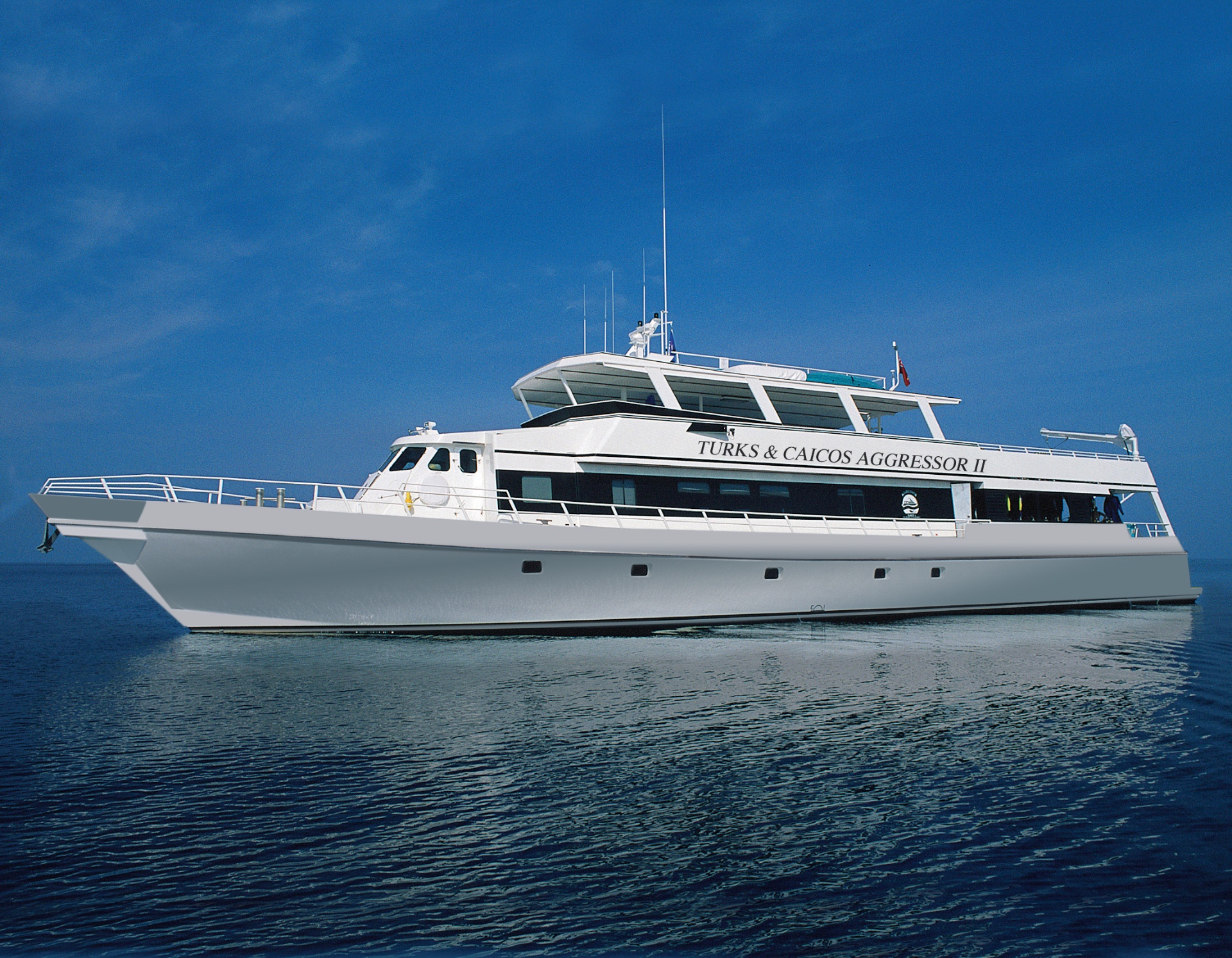
Turks & Caicos Aggressor II
Turks & Caicos
18 guests36.6 m
$287/day
Dive sites similar to Cueva de las Golondrinas
Same character, same waters — six more sites divers love for the exact same reasons.Compare seasons, access and liveaboard routes — then pick the site that fits your trip best.
© Esri — Maxar, Earthstar, GIS
La Parguera
Dominican Republic
La Parguera, also known as Red Snapper, is a notable dive site located around Saona Island off the southeast coast of the Dominican Republic.
- Suitable for
- Advanced
- Current
- Strong
- Access
- Dayboat
- Depth
- 20–25 m
- Theme
- Wall / Drift
© Esri — Maxar, Earthstar, GIS
Larimar I & II
Dominican Republic
Larimar I & II offers a compelling dive experience just five minutes by boat from Sosúa Bay in the Dominican Republic.
- Suitable for
- Beginner
- Current
- No current
- Access
- Dayboat
- Depth
- 10–25 m
- Theme
- Wall / Reef
© Esri — Maxar, Earthstar, GIS
Three Rocks & Coral Gardens
Dominican Republic
Three Rocks and Coral Gardens, situated off Sosúa on the North Coast of the Dominican Republic, offer a diverse dive experience from shallow pinnacles to deeper reef walls.
- Suitable for
- Beginner
- Current
- Mild
- Access
- Liveaboard or dayboat
- Depth
- 4–24 m
- Theme
- Reef / Wall
© Esri — Maxar, Earthstar, GIS
Catalina Island Wall
Dominican Republic
Catalina Island Wall is a world-renowned dive site located off the southeastern coast of the Dominican Republic, easily accessible from Bayahibe or La Romana.
- Suitable for
- Intermediate
- Current
- Mild
- Access
- Liveaboard or dayboat
- Depth
- 2–60 m
- Theme
- Wall
© Esri — Maxar, Earthstar, GIS
Catalina Garden
Dominican Republic
Catalina Garden, situated off the coast of Bayahibe in the Dominican Republic, is a beautiful shallow Caribbean reef dive site.
- Suitable for
- Beginner
- Current
- Mild
- Access
- Liveaboard or dayboat
- Depth
- 8–12 m
- Theme
- Reef / Wall
© Esri — Maxar, Earthstar, GIS
Saona Island Reef
Dominican Republic
Saona Island Reef, situated off the southeastern coast of the Dominican Republic within Cotubanamá National Park, is a celebrated dive destination known for its impressive coral formations and diverse marine life.
- Suitable for
- Beginner
- Current
- Strong
- Access
- Liveaboard or dayboat
- Depth
- 5–20 m
- Theme
- Reef / Wall