About Cueva del Indio
Cueva del Indio, also known as Cueva Taina, is a unique freshwater cave diving system situated near Santo Domingo in the Dominican Republic. This site offers an immersive experience into the geological and cultural history of the region, featuring beautifully adorned passages and significant cultural artifacts. It stands out as a distinctive cavern and cave diving destination, allowing divers to explore formations deep within the earth rather than coastal reefs or wrecks. The cave system is primarily accessed through a large sinkhole equipped with a metal spiral staircase for easy entry. Once inside, divers can navigate two principal passages. One passage typically averages around 60 feet in depth, reaching a maximum of 135 feet, while the other offers shallower exploration with an average depth of 41 feet and a maximum of 71 feet. Both passages reveal a fascinating array of speleothems, such as stalactites and stalagmites, and exhibit a halocline where freshwater meets saline. The cave environments are largely resistant to silting, maintaining excellent visibility. While the primary focus is on the geological formations and the unique environment, the cave can host a variety of endemic cave fauna. Encounters are site-specific to cave environments and less about pelagic or reef life. The cultural aspect, with Taino rock paintings and carvings (petroglyphs), adds another layer of historical significance to the dive experience, though these are typically admired during the hiking/cavern portion rather than deep cave diving. Diving this cave system typically requires the supervision of a local guide, ensuring safe navigation through its intricate passages. The site is suitable for a range of skill levels, from open water divers exploring the cavern zones to advanced and technical divers venturing into deeper cave sections.
Highlights
Freshwater cave systemTaino rock paintings and carvingsMetal spiral staircase entrySpeleothems and haloclineTwo distinct passagesExcellent visibility within caveGuided cave exploration
Season calendar
Best months to dive here
Jan
Feb
Mar
Apr
May
Jun
Jul
Aug
Sep
Oct
Nov
Dec
Excellent
Good
Dec – Apr (Dry Season)
Best visibility 25–40m, calm seas. Humpback whale season Jan–Mar in Silver Bank. Ideal water temperatures 25–27°C.
May – Nov (Wet/Hurricane Season)
Warmer water, occasional rain reduces visibility. Hurricane risk Aug–Oct but diving continues. Fewer crowds, better prices.
Dive site facts: Cueva del Indio
- Depth
- 12–41 m
- Current
- No current
- Level
- Advanced
- Dive type
- Cave & cavern, Cave & cavern
- Region / port
- Dominican Republic
- Coordinates
- 19.0890° N, 69.6109° W
Conditions & Currents
Within the Cueva del Indio system, strong currents are generally not a concern, as it is a freshwater cave environment. However, local flow might be present in specific passages. Visibility inside the cave is typically excellent and often described as "unlimited," primarily due to the stable nature of the cave and minimal silting. Divers should be aware of the halocline where freshwater meets saltwater, which can cause temporary visual distortion. Entry is facilitated by a spiral staircase leading into the sinkhole. Given the overhead environment, even cavern diving requires appropriate training and equipment for navigation and safety, and deep cave sections are suitable for advanced or technical divers only. All dives are typically conducted with a local guide, ensuring proper management of the dive plan and safe navigation.
Why dive Cueva del Indio from a liveaboard?
Cueva del Indio is one of Dominican Republic's signature dive sites. A liveaboard sleeps you on the water and puts you in the water for three to four guided dives per day, including dawn and night dives that day-boat operators rarely offer. You skip the daily commute back to port and reach quieter, less-crowded sites in the same region on a single trip.
Below are the liveaboards that include Cueva del Indio on their Dominican Republic itineraries.
Liveaboards diving Cueva del Indio
These liveaboards may visit Cueva del Indio on selected itineraries, the exact dive sites depend on departure, weather and conditions.
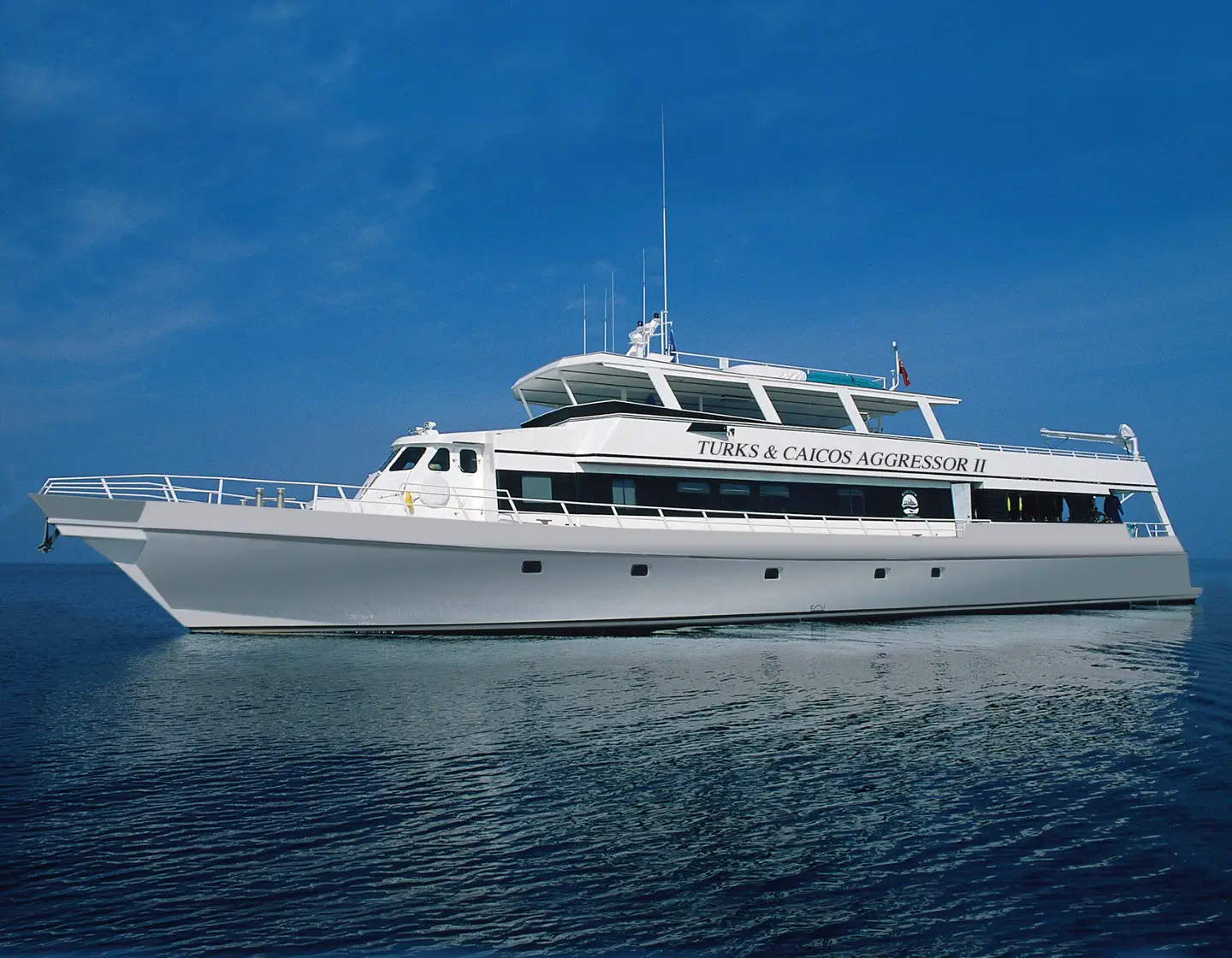
Turks & Caicos Aggressor II
Turks & Caicos
18 guests37 m
Dive sites similar to Cueva del Indio
Same character, same waters, six more sites divers love for the exact same reasons.Compare seasons, access and liveaboard routes, then pick the site that fits your trip best.
© EsriMaxar, Earthstar, GIS
3 Fathom Wall
Cayman Islands
3 Fathom Wall is an exciting and fish-filled dive site located in the Cayman Islands, specifically at the intersection of the renowned Bloody Bay Wall.
- Suitable for
- Intermediate
- Current
- Mild
- Access
- Liveaboard only
- Depth
- ≤ 3000 m
- Theme
- Reef
While specific details for a dive site named "3 Riff" are not present in the provided sources, general diving conditions and characteristics for the Dominican Republic…
- Suitable for
- Advanced
- Current
- Mild
- Access
- Dayboat
- Depth
- 30–55 m
- Theme
- Reef
The dive site known as 3 Rocks is located off the coast of Sosúa in Puerto Plata, Dominican Republic, offering an accessible and lively underwater experience.
- Suitable for
- Beginner
- Current
- Mild
- Access
- Dayboat
- Depth
- 2–8 m
- Theme
- Reef
4 Amigos is a notable dive site located in the Bay Islands of Honduras, an area renowned for its extensive Mesoamerican Barrier Reef System, which is the world's second-longest.
- Suitable for
- Intermediate
- Current
- Moderate
- Access
- Liveaboard or dayboat
- Depth
- 9–40 m
- Theme
- Reef
© EsriMaxar, Earthstar, GIS
6 Toed Cat
Mexico
The dive site known as "6 Toed Cat" is not a recognized dive location in Mexico; rather, it refers to the polydactyl felines, many with six toes, that inhabit the Ernest Hemingway Home and Museum in Key West, Florida.
- Suitable for
- Beginner
- Current
- Mild
- Access
- Liveaboard or dayboat
- Depth
- —
- Theme
- Reef
© EsriMaxar, Earthstar, GIS
Aaron's Backyard
Honduras
Aaron's Backyard is a noted dive site within the Roatan Marine Park in Honduras, part of the extensive Mesoamerican Barrier Reef System.
- Suitable for
- Intermediate
- Current
- Moderate
- Access
- Liveaboard or dayboat
- Depth
- 9–40 m
- Theme
- Reef