About Polyxeni
The Polyxeni wreck is the remains of a Greek freighter, located within the Silver Bank, a designated marine mammal sanctuary approximately 70 to 85 miles north of the Dominican Republic's coast, near Puerto Plata. This shallow, expansive area, stretching about 10 by 20 miles, rarely exceeds 30 meters in depth and is characterized by a maze of coral heads, with the Polyxeni serving as a navigational warning to vessels entering the bank. The wreck itself is gradually being reclaimed by the sea and sits aground near the backbone reef of the Silver Bank. This extensive reef offers shelter and a stable anchorage for liveaboards visiting the area. The site is primarily associated with surface activities and snorkeling with humpback whales, as diving with tanks is not permitted in this sanctuary. The Silver Bank is globally renowned as a critical wintering ground for the entire North Atlantic humpback whale population, who gather here by the thousands from January through April. These calm, protected waters are ideal for mating, calving, and rearing young before the whales migrate to the northeastern U.S. coast. Encounters include observing whales breaching, tail slapping, and engaging in courtship behaviors. Access to the Polyxeni and the wider Silver Bank is exclusively by liveaboard, typically departing from Puerto Plata. The primary activity involves in-water encounters with whales, which are conducted via chase boats from the main vessel. This means no scuba diving is involved, only snorkeling, and moderate swimming ability is required for in-water interactions.
Highlights
Humpback whale wintering groundSnorkeling with humpback whalesPolyxeni Greek freighter wreckCalving and mating sanctuarySpy hopping whale behaviorsTail slapping whale displays
Best Season
The optimal time to visit the Polyxeni site is from January to April. During these months, the Silver Bank hosts thousands of North Atlantic humpback whales that migrate to the calm, warm waters for breeding and calving, offering consistent and intimate in-water encounters.
Dive site facts: Polyxeni
- Current
- No current
- Entry
- Liveaboard only
- Level
- Beginner
- Dive type
- Wreck, Reef
- Region / port
- Dominican Republic
- Coordinates
- 20.9167° N, 69.4167° W
Conditions & Currents
Detailed information about currents specific to the Polyxeni wreck is not provided, as the primary activity is whale snorkeling in the protected Silver Bank marine mammal sanctuary. The waters within the Silver Bank are generally described as calm, offering an ideal environment for whale interactions. While the site is shallow, usually less than 30 meters, the focus is on surface activities from chase boats, and scuba diving is not permitted. Therefore, current strength and direction for diving are not applicable, and no specific entry/exit techniques, thermoclines, or visibility swings for tank diving are relevant to this location.
Why dive Polyxeni from a liveaboard?
Polyxeni is one of Dominican Republic's signature dive sites. A liveaboard sleeps you on the water and puts you in the water for three to four guided dives per day, including dawn and night dives that day-boat operators rarely offer. You skip the daily commute back to port and reach quieter, less-crowded sites in the same region on a single trip.
Below are the liveaboards that include Polyxeni on their Dominican Republic itineraries.
Liveaboards diving Polyxeni
These liveaboards may visit Polyxeni on selected itineraries — the exact dive sites depend on departure, weather and conditions.
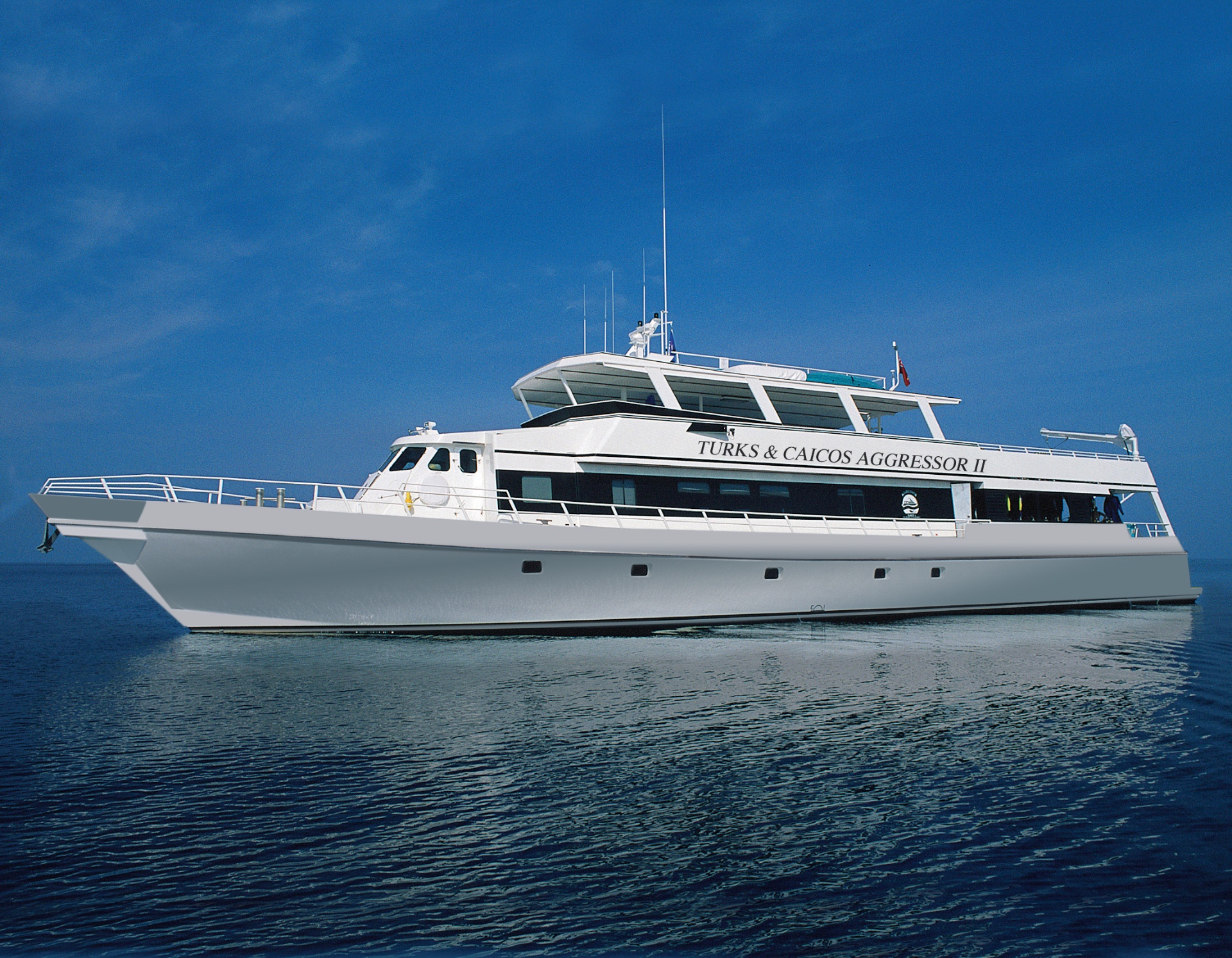
Turks & Caicos Aggressor II
Turks & Caicos
18 guests36.6 m
$287/day
Dive sites similar to Polyxeni
Same character, same waters — six more sites divers love for the exact same reasons.Compare seasons, access and liveaboard routes — then pick the site that fits your trip best.
© Esri — Maxar, Earthstar, GIS
Canal Saona
Dominican Republic
Saona Island Reef, located within Cotubanamá National Park off the southeastern coast of the Dominican Republic, is a well-regarded dive site known for its rich coral ecosystems and abundant marine species.
- Suitable for
- Intermediate
- Current
- Moderate
- Access
- Liveaboard or dayboat
- Depth
- 20–20 m
- Theme
- Reef
El Peñon is a highly-regarded dive site located within the protected Parque Nacional del Este, near Bayahibe in the Dominican Republic.
- Suitable for
- Beginner
- Current
- No current
- Access
- Dayboat
- Depth
- 7–28 m
- Theme
- Reef
El Limón is a notable shipwreck site located within the La Caleta Underwater National Park, close to Santo Domingo.
- Suitable for
- Advanced
- Current
- Mild
- Access
- Dayboat
- Depth
- 30–30 m
- Theme
- Wreck / Reef
© Esri — Maxar, Earthstar, GIS
Sosua Marine Reserve
Dominican Republic
The Sosua Marine Reserve offers a premier diving experience directly accessible from Playa Sosua on the north coast of the Dominican Republic.
- Suitable for
- Beginner
- Current
- Mild
- Access
- Dayboat
- Depth
- 5–18 m
- Theme
- Reef
The Dominican Republic presents a varied underwater landscape, suitable for divers of all levels, with its calm Caribbean seas off the south coast providing ideal conditions for…
- Suitable for
- Intermediate
- Current
- Moderate
- Access
- Liveaboard or dayboat
- Depth
- 5–26 m
- Theme
- Reef