About Cayo Reef
Cayo Reef, also known as Paradise Island or Cayo Arena, is situated in the Monte Cristi region on the northern coast of the Dominican Republic. This remote location contributes to its remarkably pristine condition, making it a true underwater paradise. The reef is nestled within a bay surrounded by mangroves, lush mountains, and diverse vegetation, creating a unique and secluded ecosystem. Divers at Cayo Reef can expect to explore vibrant and healthy coral structures, characterized by massive sea fans that sway gently in the currents. The reef's topography showcases a rich biodiversity representative of Dominican Republic waters, with brightly colored corals forming an intricate underwater landscape. This site is renowned for its abundant marine life, particularly the massive schools of fish that congregate here. Divers frequently encounter large aggregations of surgeonfish, yellow sergeant fish, and yellowtail snappers, creating a dynamic and immersive experience. Beyond the schooling fish, the reef is also home to interesting critters like octopuses and crabs, waiting to be discovered by observant divers. Access to Cayo Reef typically involves a day trip from Puerto Plata, offering an easy excursion to this barely explored marine environment. Its relatively untouched nature ensures a high-quality dive experience, making the journey well worth it for those seeking unspoiled Caribbean reefs.
Highlights
Pristine, secluded reefMassive schools of fishVibrant, healthy coral structuresEnormous sea fansUnique marine ecosystemParadise Island setting
Season calendar
Best months to dive here
Jan
Feb
Mar
Apr
May
Jun
Jul
Aug
Sep
Oct
Nov
Dec
Excellent
Dive site facts: Cayo Reef
- Current
- Mild
- Visibility
- 18–30 m
- Water temperature
- 24–29°C
- Entry
- Boat
- Level
- All levels
- Dive type
- Reef, marine life, photography
- Region / port
- Monte Cristi, Northern Province
- Coordinates
- 19.8653° N, 71.6788° W
Conditions & Currents
Cayo Reef is known for its relatively mild currents, contributing to an enjoyable and accessible dive experience for most divers. The large sea fans found here indicate the presence of gentle water movement, but these currents are typically not strong enough to pose a significant challenge. Visibility at the reef is consistently excellent, often ranging from 18 to 27 meters throughout the year, with peak visibility up to 30 meters from June to September. Water temperatures remain warm year-round, between 24°C and 29°C, eliminating concerns about thermoclines. Entry to the site is typically from a boat, and divers can expect calm surface conditions given its location near Paradise Island. The mild currents and high visibility make Cayo Reef suitable for divers of varying experience levels, allowing for relaxed exploration and extended bottom times.
Marine life & sighting chances

Surgeonfish
common
Yellow Sergeant Fish
common
Yellowtail Snappers
common
Other tropical reef fish
common
Octopus
occasional
Crabs
occasional
Large sea fans
common
Brightly colored corals
commonDive profile & how the dive runs
Diving at Cayo Reef typically begins with a boat entry from a nearby launch point, often accessed as a day trip from Puerto Plata. Divers will descend into shallow, clear waters, where the reef starts, characterized by vibrant coral structures and abundant schooling fish. The dive generally follows the reef's natural contours, allowing for exploration of the diverse marine ecosystem. Depths are suitable for all levels, and the focus is on observing the healthy coral gardens and numerous fish species. Given the mild currents, divers can enjoy a relaxed pace, taking time to appreciate the pristine environment. The turn point is flexible, depending on gas consumption and dive time, but the shallow nature often allows for longer bottom times. Safety stops are comfortably performed in the clear, shallow waters, offering additional opportunities for observing marine life before ascending to the surface.
Underwater photography
Cayo Reef offers exceptional opportunities for underwater photography, particularly for wide-angle shots due to its clear visibility and vast schools of fish. A wide-angle lens will capture the expansive coral formations, especially the numerous large sea fans, and the impressive aggregations of surgeonfish and snappers. For macro enthusiasts, patience may reveal octopuses and crabs among the coral, requiring a macro lens for detailed shots. The shallow depths and excellent natural light mean that strobes can effectively enhance color and reduce backscatter, especially when photographing the vibrant corals. Maintaining good buoyancy is crucial to avoid contact with the pristine reef. Given the site's seclusion, ethical photography focusing on observation without disturbing marine life is easily achieved, ensuring the reef's health for future dives.
Combine with nearby dive sites
Getting there & logistics
Access to Cayo Reef primarily involves flying into a major international airport such as Gregorio Luperón International Airport (POP) near Puerto Plata. From Puerto Plata, day trips to Paradise Island (Cayo Arena) are a common way to reach the reef. These excursions typically include boat transport to the tiny island and the dive site. While no specific permit fees are mentioned for diving Cayo Reef itself, it is part of a secluded area, emphasizing its untouched nature. Divers typically combine a visit to Cayo Reef with other North Shore attractions or as part of a multi-day itinerary exploring the Dominican Republic's diverse dive sites. The journey to this site offers a scenic experience, passing through areas surrounded by mangroves and mountains. This dive is generally offered by local dive operators as part of their daily boat trips.
Safety & environment
While Cayo Reef is considered suitable for all levels due to mild currents and good visibility, divers should always carry appropriate dive insurance that covers emergency medical treatment and evacuation. The nearest recompression chamber or advanced medical facility would likely be in a major city like Puerto Plata. Evacuation from this relatively secluded area would involve boat transport to shore followed by land transfer, which could take time depending on the emergency and sea conditions. Divers should adhere to standard safety protocols, including buddy diving, planning dives within no-decompression limits, and monitoring air consumption. Due to the reef's pristine nature, maintaining excellent buoyancy control is essential to prevent accidental contact with corals. Always dive with a reputable local operator who is familiar with the site and has emergency procedures in place.
Who it suits — and who it doesn't
Suited for
- All levels of divers
- Underwater photographers
- Divers seeking pristine, healthy reefs
- Those interested in abundant fish schools
- Divers comfortable with boat excursions
Less suited for
- Divers seeking deep wreck penetration
- Those preferring shore dives
- Divers who dislike boat travel
- Individuals seeking extreme current dives
- Divers requiring immediate access to medical facilities
FAQ
Cayo Reef FAQ
What kind of marine life can I expect to see at Cayo Reef?
Cayo Reef is home to massive schools of surgeonfish, yellow sergeant fish, and yellowtail snappers, often seen in large aggregations. You'll also encounter a wide variety of other colorful tropical reef fish. Occasional sightings of interesting critters like octopuses and crabs are also possible among the vibrant coral structures and enormous sea fans.
Is Cayo Reef suitable for beginner divers?
Yes, Cayo Reef is considered suitable for divers of all experience levels. The currents are typically mild, and the water boasts excellent visibility, making it a comfortable and enjoyable environment for beginners. The relatively shallow depths also contribute to a relaxed dive experience, allowing new divers to focus on enjoying the marine beauty.
How do I get to Cayo Reef?
Cayo Reef is located near Paradise Island (Cayo Arena) in Monte Cristi, off the North Shore of the Dominican Republic. It's most commonly accessed as an easy day trip by boat from Puerto Plata. Local dive operators in the region arrange these excursions, which typically include transportation to the island and the dive site.
What are the water conditions like at Cayo Reef?
The water conditions at Cayo Reef are generally very favorable. Water temperatures are warm year-round, ranging from 24°C to 29°C. Visibility is consistently excellent, averaging between 18 to 27 meters, and can peak at over 30 meters during the summer months. Currents are typically mild, providing calm and clear diving conditions.
Can I do underwater photography at Cayo Reef?
Cayo Reef is an excellent site for underwater photography, particularly for wide-angle shots. The exceptional visibility, vast schools of fish, and vibrant, healthy coral formations provide abundant subjects. Photographers can capture stunning images of the reef's natural beauty, including the large sea fans and diverse marine life, with good natural light penetration.
Why dive Cayo Reef from a liveaboard?
Cayo Reef is one of Dominican Republic's signature dive sites. A liveaboard sleeps you on the water and puts you in the water for three to four guided dives per day, including dawn and night dives that day-boat operators rarely offer. You skip the daily commute back to port and reach quieter, less-crowded sites in the same region on a single trip.
Below are the liveaboards that include Cayo Reef on their Dominican Republic itineraries.
Liveaboards diving Cayo Reef
These liveaboards may visit Cayo Reef on selected itineraries — the exact dive sites depend on departure, weather and conditions.
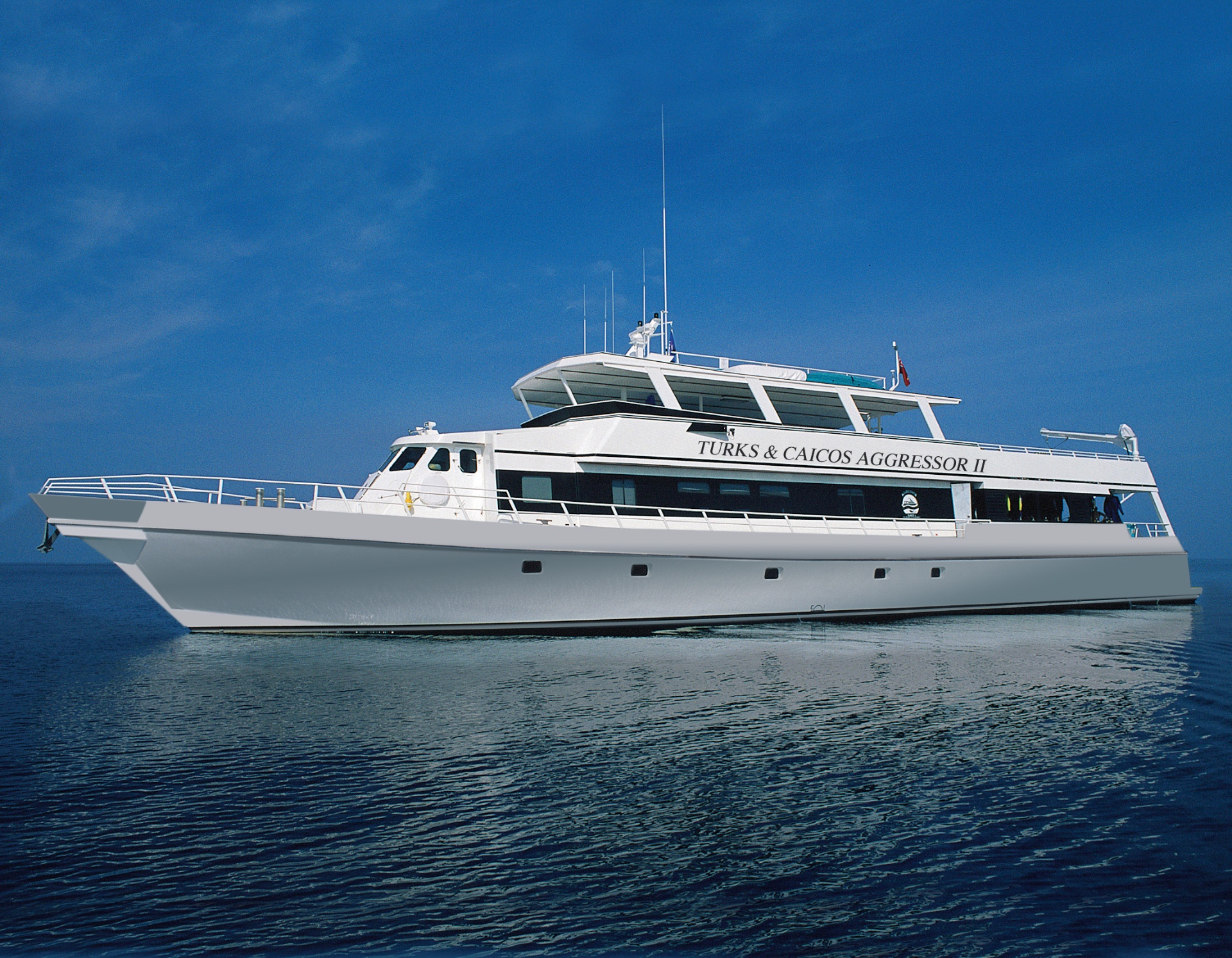
Turks & Caicos Aggressor II
Turks & Caicos
18 guests36.6 m
$287/day
Dive sites similar to Cayo Reef
Same character, same waters — six more sites divers love for the exact same reasons.Compare seasons, access and liveaboard routes — then pick the site that fits your trip best.
© Esri — Maxar, Earthstar, GIS
Canal Saona
Dominican Republic
Saona Island Reef, located within Cotubanamá National Park off the southeastern coast of the Dominican Republic, is a well-regarded dive site known for its rich coral ecosystems and abundant marine species.
- Suitable for
- Intermediate
- Current
- Moderate
- Access
- Liveaboard or dayboat
- Depth
- 20–20 m
- Theme
- Reef
El Peñon is a highly-regarded dive site located within the protected Parque Nacional del Este, near Bayahibe in the Dominican Republic.
- Suitable for
- Beginner
- Current
- No current
- Access
- Dayboat
- Depth
- 7–28 m
- Theme
- Reef
The Polyxeni wreck is the remains of a Greek freighter, located within the Silver Bank, a designated marine mammal sanctuary approximately 70 to 85 miles north of the Dominican Republic's coast, near Puerto Plata.
- Suitable for
- Beginner
- Current
- No current
- Access
- Liveaboard only
- Depth
- ≤ 13 m
- Theme
- Reef
El Limón is a notable shipwreck site located within the La Caleta Underwater National Park, close to Santo Domingo.
- Suitable for
- Advanced
- Current
- Mild
- Access
- Dayboat
- Depth
- 30–30 m
- Theme
- Wreck / Reef
© Esri — Maxar, Earthstar, GIS
Sosua Marine Reserve
Dominican Republic
The Sosua Marine Reserve offers a premier diving experience directly accessible from Playa Sosua on the north coast of the Dominican Republic.
- Suitable for
- Beginner
- Current
- Mild
- Access
- Dayboat
- Depth
- 5–18 m
- Theme
- Reef
The Dominican Republic presents a varied underwater landscape, suitable for divers of all levels, with its calm Caribbean seas off the south coast providing ideal conditions for…
- Suitable for
- Intermediate
- Current
- Moderate
- Access
- Liveaboard or dayboat
- Depth
- 5–26 m
- Theme
- Reef