About El Limón
El Limón is a notable shipwreck site located within the La Caleta Underwater National Park, close to Santo Domingo. This wreck provides a unique diving experience, resting at a considerable depth which makes it suitable for advanced divers. The park itself spans 10 square kilometers, protecting a diverse marine environment that ranges from shallow reefs to deep walls. The site is characterized by the presence of a large artificial structure, drawing a variety of marine species that have made the wreck their home. The surrounding waters generally offer good visibility and warm temperatures throughout the year, enhancing the exploration of this submerged historical artifact. While specific topography of El Limón itself isn't detailed beyond its depth, it is part of a national park known for its extensive underwater features. Year-round diving is possible in the Dominican Republic, with water temperatures consistently warm, typically between 26°C and 29°C. This contributes to a comfortable dive experience at El Limón. Marine life attracted to the wreck includes various reef fish and possibly larger pelagic species, offering dynamic encounters. Diving El Limón typically involves boat access from nearby coastal towns, providing an immersive experience into the Dominican Republic's rich underwater heritage. It's often combined with other deep wreck dives within the national park, creating a comprehensive itinerary for experienced divers.
Highlights
Historic shipwreck explorationLa Caleta National ParkDeep diving experienceArtificial reef habitatDiverse marine lifeProximity to Santo Domingo
Season calendar
Best months to dive here
Jan
Feb
Mar
Apr
May
Jun
Jul
Aug
Sep
Oct
Nov
Dec
Excellent
Good
Dive site facts: El Limón
- Depth
- 30 m
- Current
- Mild (regionally)
- Visibility
- 15-30 m
- Water temperature
- 26-29°C
- Entry
- Boat
- Level
- Advanced
- Dive type
- Wreck
- Region / port
- Santo Domingo
- Coordinates
- 19.1386° N, 69.5453° W
Conditions & Currents
Dive conditions at El Limón are influenced by its location within the La Caleta Underwater National Park, an area generally known for having mild currents along its south coast. However, specific current strength and direction for the deeper El Limón wreck are not detailed in the sources, suggesting divers should be prepared for varying conditions often associated with deeper sites. Entry to the site is typically via boat, with divers descending directly onto the wreck or nearby areas. Visibility in the region generally ranges from 15 to 30 meters, though this can fluctuate with local conditions and weather events. Water temperatures are consistently warm, staying between 26-29°C, reducing the concern for thermoclines. Divers should plan their gas consumption carefully due to the depth of the wreck and always conduct thorough briefings with local dive guides.
Marine life & sighting chances
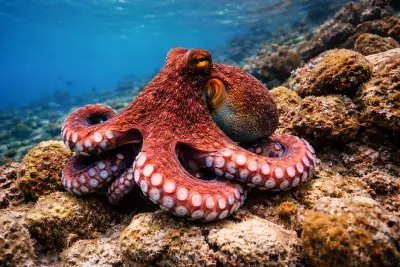
Octopus
occasional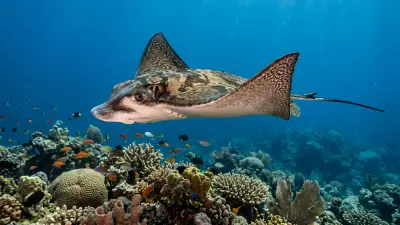
Rays
occasional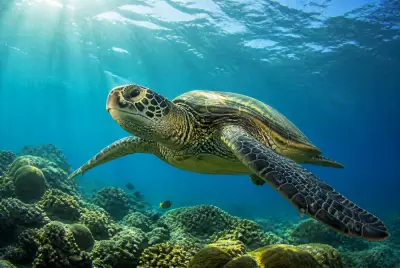
Sea turtles
occasional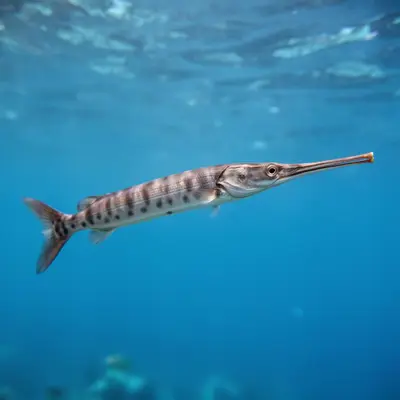
Trumpetfish
common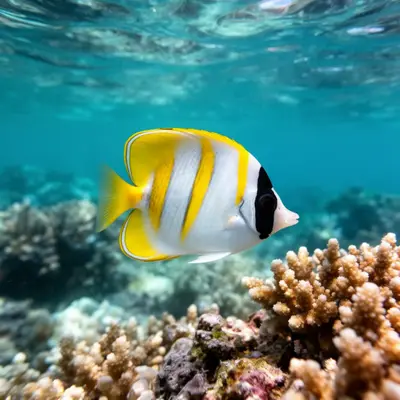
Butterflyfish
common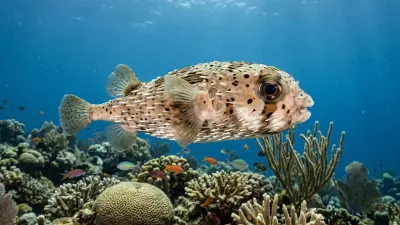
Porcupinefish
common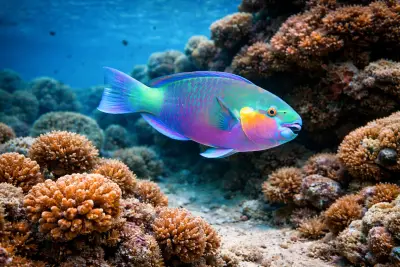
Parrotfish
common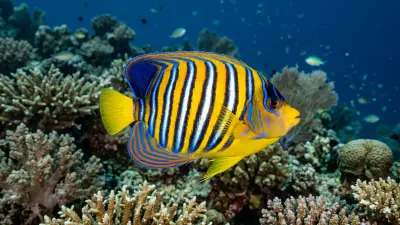
Angelfish
common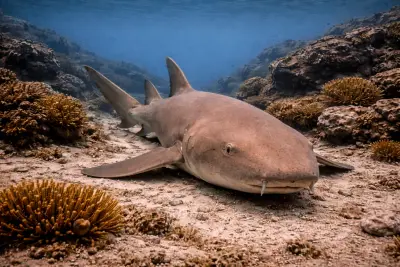
Nurse sharks
occasional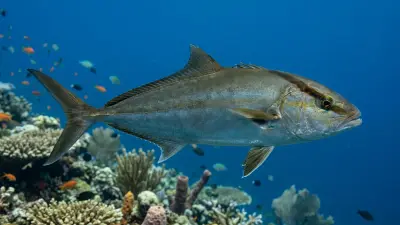
Jacks
occasional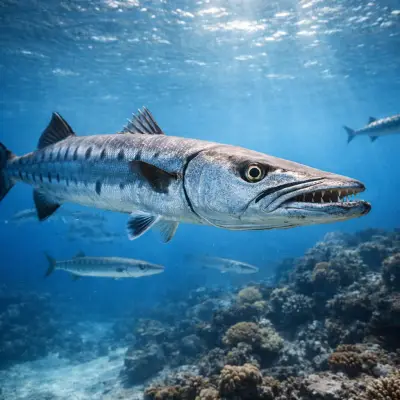
Barracuda
occasionalDive profile & how the dive runs
Diving at El Limón typically begins with a boat entry, as the wreck is located within the La Caleta Underwater National Park, accessible from the coast near Santo Domingo. The wreck rests at approximately 30 meters, requiring a controlled descent. The dive route generally involves exploring the structure of the submerged vessel, which has transformed into an artificial reef, attracting various marine species. Divers navigate through and around the wreck, observing the growth of corals and the fish life that has taken refuge in its compartments. Due to the depth, bottom time is limited, making efficient exploration crucial. The ascent will include a safety stop, usually conducted at 5 meters for at least three minutes, before surfacing back to the dive boat.
Underwater photography
To capture the El Limón wreck, a wide-angle lens is ideal for encompassing the full scale of the vessel and its transformation into an artificial reef. Given the depth of 30 meters, external strobes are essential to restore color and provide sufficient illumination, especially for interiors or areas with less ambient light. Buoyancy control is paramount to avoid disturbing the silty bottom or fragile marine growth on the wreck. When photographing marine life inhabiting the wreck, patience is key, allowing subjects like rays or barracuda to acclimate to your presence for more natural shots. Always prioritize wreck conservation by maintaining a safe distance and not touching the structure or its inhabitants.
Combine with nearby dive sites
- Capitán Alsina
Another wreck within La Caleta Underwater National Park, at a similar depth.
- Don Quico
A deeper wreck in La Caleta Underwater National Park, suitable for experienced wreck divers.
- Cueva de las Golondrinas
A cave site within La Caleta Underwater National Park, offering a different type of dive.
- La Sirena Cave
An accessible cave diving experience within La Caleta National Park.
Getting there & logistics
Access to El Limón is typically arranged through dive operators based in Santo Domingo or nearby coastal towns. The main international airport for this region is Las Américas International Airport (SDQ), serving Santo Domingo. Dive trips are usually day excursions, often combining two tanks to explore multiple sites within the La Caleta Underwater National Park. Given the wreck's depth, it's frequently paired with other deep wrecks like Capitán Alsina or Don Quico. There are no specific permits mentioned for diving the national park itself, but standard dive fees will apply through dive centers. Trips usually start in the morning, with divers returning to shore by early to mid-afternoon.
Safety & environment
For diving El Limón, divers must carry appropriate insurance covering scuba diving, including potential recompression chamber treatments. The nearest recompression chamber is likely located in Santo Domingo, given its status as the capital and proximity to La Caleta National Park. Emergency evacuation procedures would typically involve transfer to a medical facility in Santo Domingo. Site-specific hazards include depth-related considerations like narcosis and decompression sickness, necessitating advanced diving certifications and meticulous dive planning. Divers should maintain excellent buoyancy control to avoid entanglement in the wreck or disturbing the silty bottom, and always follow the instructions of the dive guide. Independent diving on this wreck is not advised.
Who it suits — and who it doesn't
Suited for
- Advanced certified divers
- Experienced wreck enthusiasts
- Divers interested in historical sites
- Photographers with deep diving experience
- Divers seeking challenging profiles
Less suited for
- Beginner divers
- Open Water certified divers
- Divers without wreck specialty training
- Divers prone to narcosis at depth
- Those who prefer shallow reef dives
FAQ
El Limón FAQ
What is the typical depth for diving the El Limón wreck?
The El Limón wreck is located at a depth of approximately 30 meters. This makes it a site suitable for advanced divers with proper training and experience in deeper dives. Divers should plan their bottom time and gas consumption accordingly to ensure a safe and enjoyable exploration of the wreck.
Is El Limón suitable for beginner divers?
No, El Limón is not suitable for beginner divers. Due to its depth of 30 meters, the site requires an advanced certification and experience with deep diving. Beginners should consider shallower reef sites or supervised introductory dives in the Dominican Republic.
What kind of marine life can be seen at El Limón?
The El Limón wreck has become an artificial reef, attracting a variety of marine life. Divers can expect to see common reef fish such as parrotfish, angelfish, butterflyfish, and porcupinefish. Occasional sightings of larger species like rays, sea turtles, barracuda, and nurse sharks are also possible around the wreck structure.
Where is El Limón located and how do I get there?
El Limón is situated within the La Caleta Underwater National Park, near Santo Domingo in the Dominican Republic. Dive trips to the wreck are typically arranged by local dive operators from Santo Domingo or nearby coastal towns. Access is exclusively by boat, usually as part of a two-tank dive excursion.
When is the best time of year to dive El Limón?
The optimal time for diving El Limón and other sites in the Dominican Republic is generally from June to September. During these months, the underwater visibility is at its best, often reaching up to 30 meters. While this period coincides with hurricane season, the water is usually calm, enhancing the diving experience.
Why dive El Limón from a liveaboard?
El Limón is one of Dominican Republic's signature dive sites. A liveaboard sleeps you on the water and puts you in the water for three to four guided dives per day, including dawn and night dives that day-boat operators rarely offer. You skip the daily commute back to port and reach quieter, less-crowded sites in the same region on a single trip.
Below are the liveaboards that include El Limón on their Dominican Republic itineraries.
Liveaboards diving El Limón
These liveaboards may visit El Limón on selected itineraries — the exact dive sites depend on departure, weather and conditions.
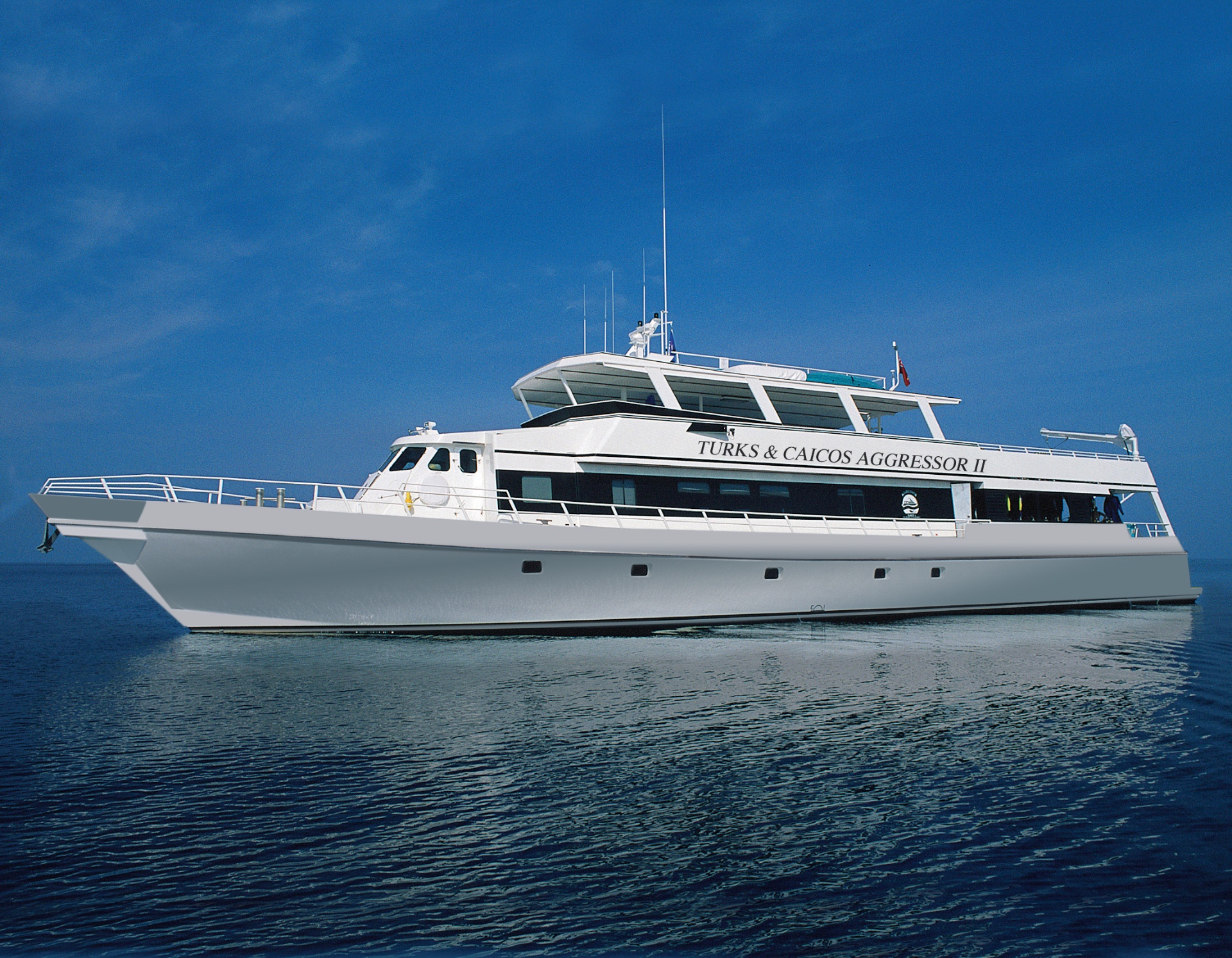
Turks & Caicos Aggressor II
Turks & Caicos
18 guests36.6 m
$287/day
Dive sites similar to El Limón
Same character, same waters — six more sites divers love for the exact same reasons.Compare seasons, access and liveaboard routes — then pick the site that fits your trip best.
© Esri — Maxar, Earthstar, GIS
Canal Saona
Dominican Republic
Saona Island Reef, located within Cotubanamá National Park off the southeastern coast of the Dominican Republic, is a well-regarded dive site known for its rich coral ecosystems and abundant marine species.
- Suitable for
- Intermediate
- Current
- Moderate
- Access
- Liveaboard or dayboat
- Depth
- 20–20 m
- Theme
- Reef
El Peñon is a highly-regarded dive site located within the protected Parque Nacional del Este, near Bayahibe in the Dominican Republic.
- Suitable for
- Beginner
- Current
- No current
- Access
- Dayboat
- Depth
- 7–28 m
- Theme
- Reef
© Esri — Maxar, Earthstar, GIS
Sosua Marine Reserve
Dominican Republic
The Sosua Marine Reserve offers a premier diving experience directly accessible from Playa Sosua on the north coast of the Dominican Republic.
- Suitable for
- Beginner
- Current
- Mild
- Access
- Dayboat
- Depth
- 5–18 m
- Theme
- Reef
The Dominican Republic presents a varied underwater landscape, suitable for divers of all levels, with its calm Caribbean seas off the south coast providing ideal conditions for…
- Suitable for
- Intermediate
- Current
- Moderate
- Access
- Liveaboard or dayboat
- Depth
- 5–26 m
- Theme
- Reef
The Dominican Republic offers a variety of exceptional dive sites, making it a premier Caribbean destination for divers of all experience levels.
- Suitable for
- Beginner
- Current
- Moderate
- Access
- Liveaboard or dayboat
- Depth
- 5–18 m
- Theme
- Reef
© Esri — Maxar, Earthstar, GIS
Chiquita Reef
Dominican Republic
Chiquita Reef is a dynamic dive site characterized by its healthy coral formations and rich biodiversity, making it a focal point for underwater exploration in the Dominican Republic.
- Suitable for
- Advanced
- Current
- Moderate
- Access
- Liveaboard or dayboat
- Depth
- 20–40 m
- Theme
- Reef